The world of art, a mirror to human experience, has long grappled with the intricate layers of identity, performance, and concealment that define our existence. From the literal facades donned for revelry to the subtle veneers polished for daily life, we are all players in an elaborate masquerade. Our exhibition, "The Mask We Wear," delves into this profound theme, guiding viewers through a kaleidoscopic journey from outward spectacle to the rawest depths of the human psyche.
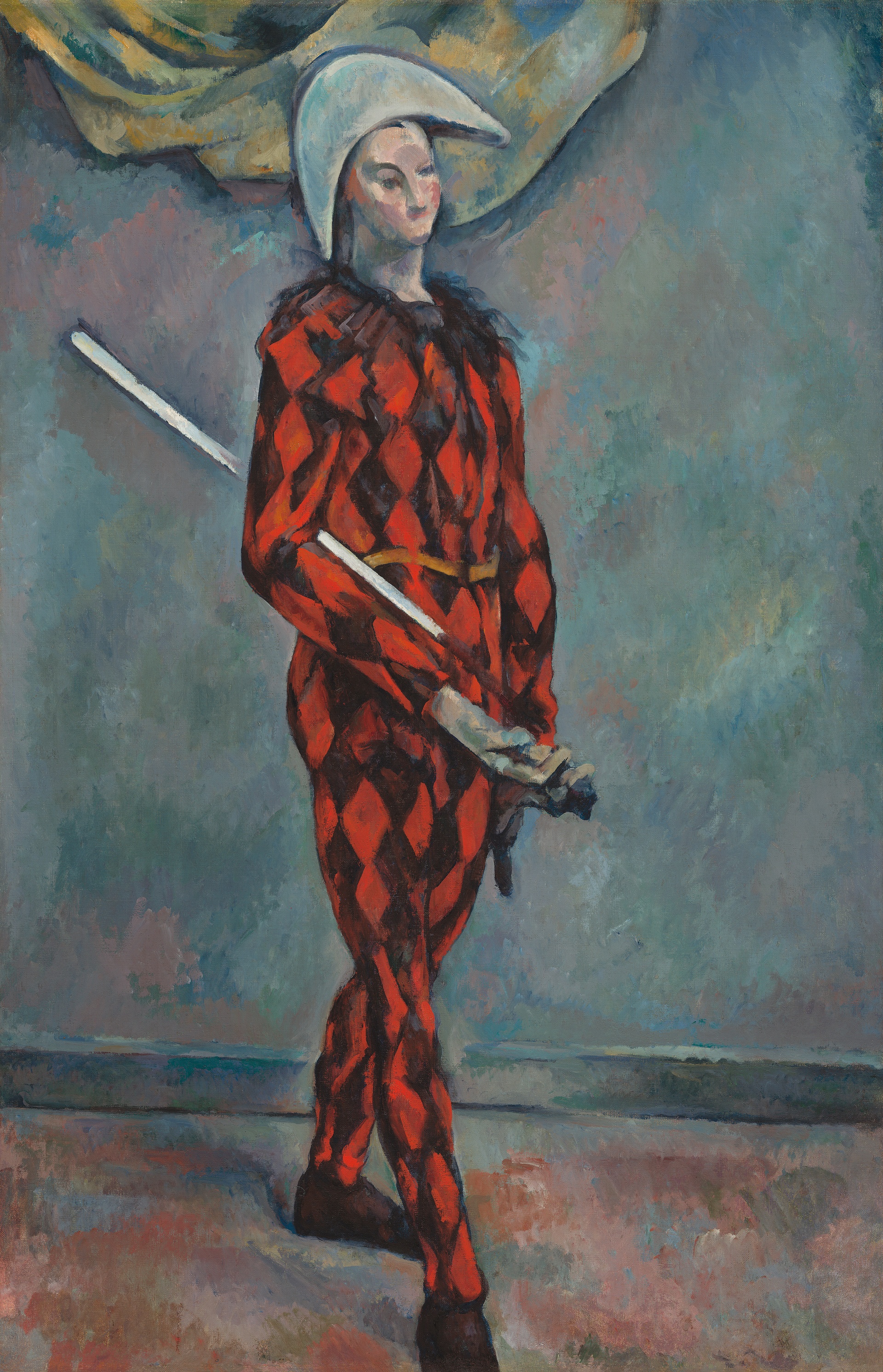
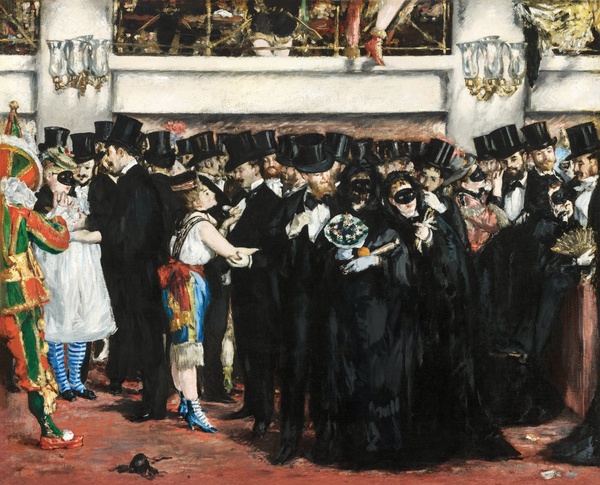
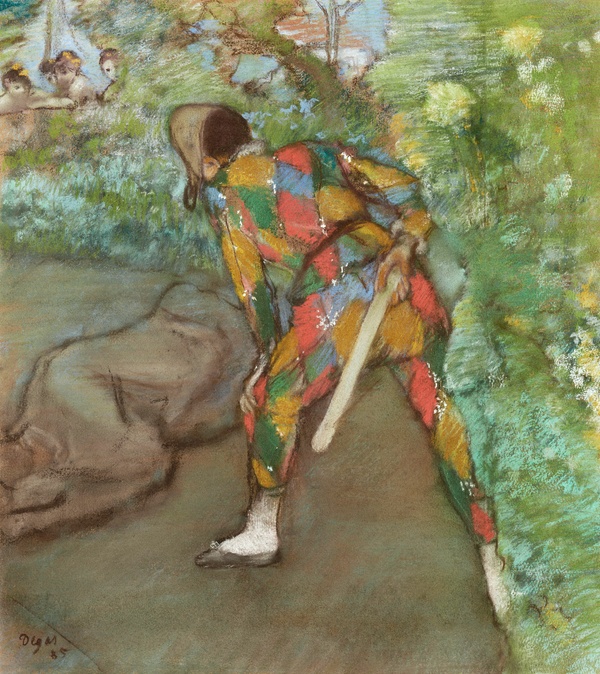
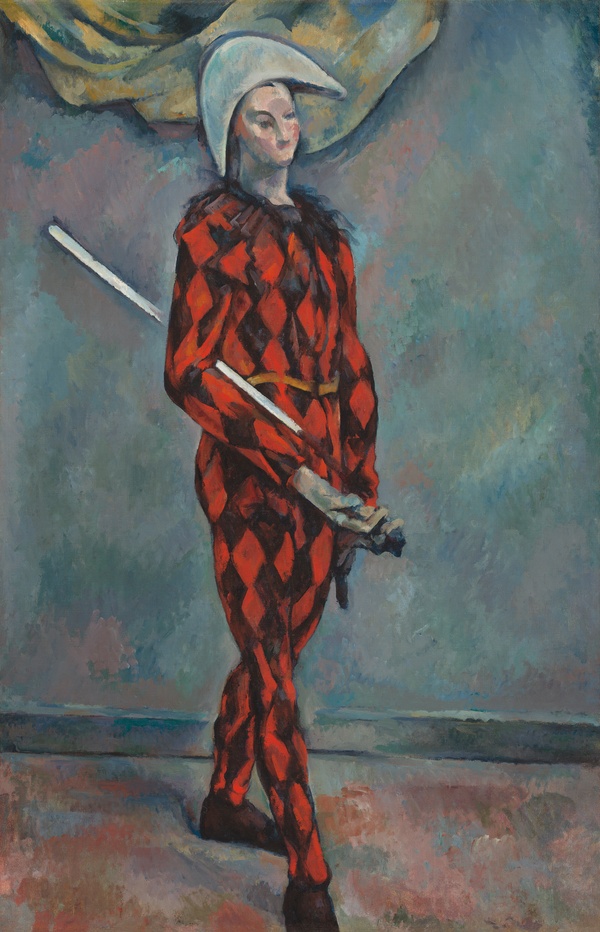
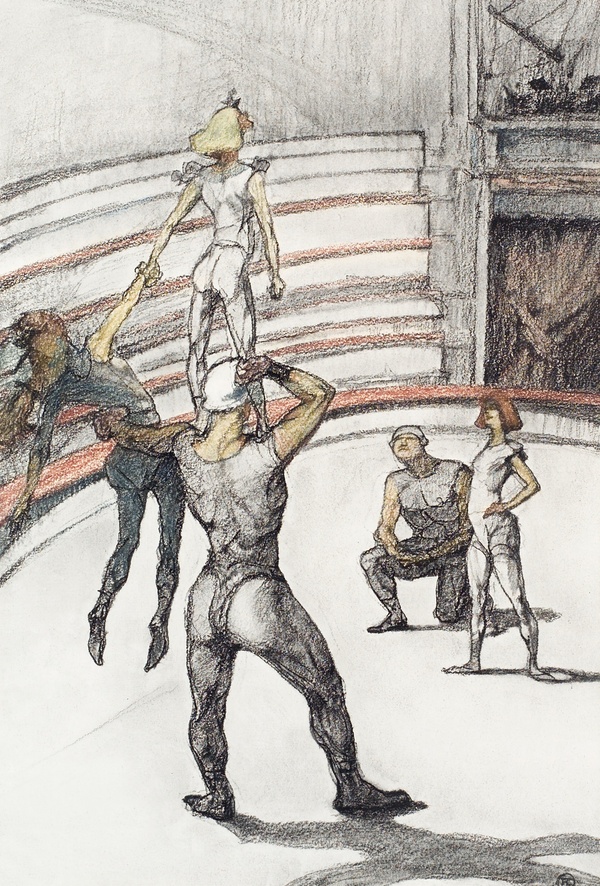
We begin in the vibrant, anonymous throng of Édouard Manet's Masked Ball at the Opera (1873). Here, the mask is a license, a playful invitation to shed inhibitions and mingle across social strata, dissolving individual identities into a collective, chimerical dance. Yet, even amidst this celebratory chaos, Manet hints at a deeper anonymity, a detachment that can both liberate and isolate. From the societal stage, we turn to the archetype of the performer in Edgar Degas's Harlequin (1885) and Paul Cézanne's Harlequin (Arlequin) (1888-1890). Degas's agile figure, poised for action, embodies the theatricality of the commedia dell'arte, while Cézanne’s solitary, melancholic Harlequin reveals the profound inner world that can exist behind the diamond-patterned costume, a mask that both defines and conceals. The physical rigor required to maintain such an illusion is subtly echoed in Henri de Toulouse-Lautrec's Au Cirque: Travail de tapis (1899), reminding us of the effort behind every public display, the sweat beneath the greasepaint.
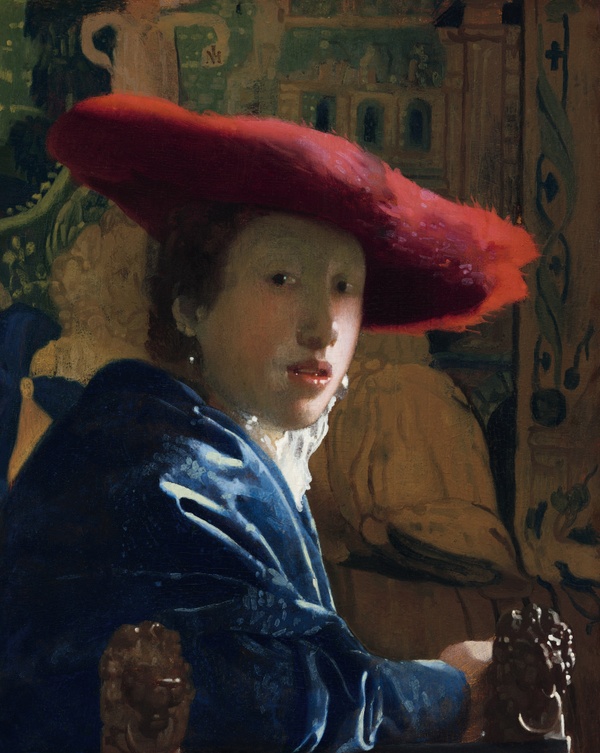
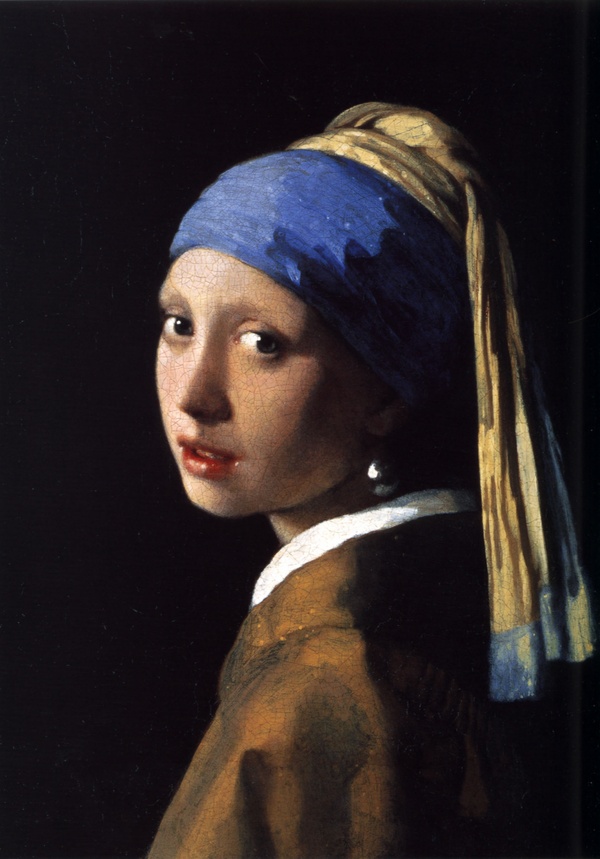
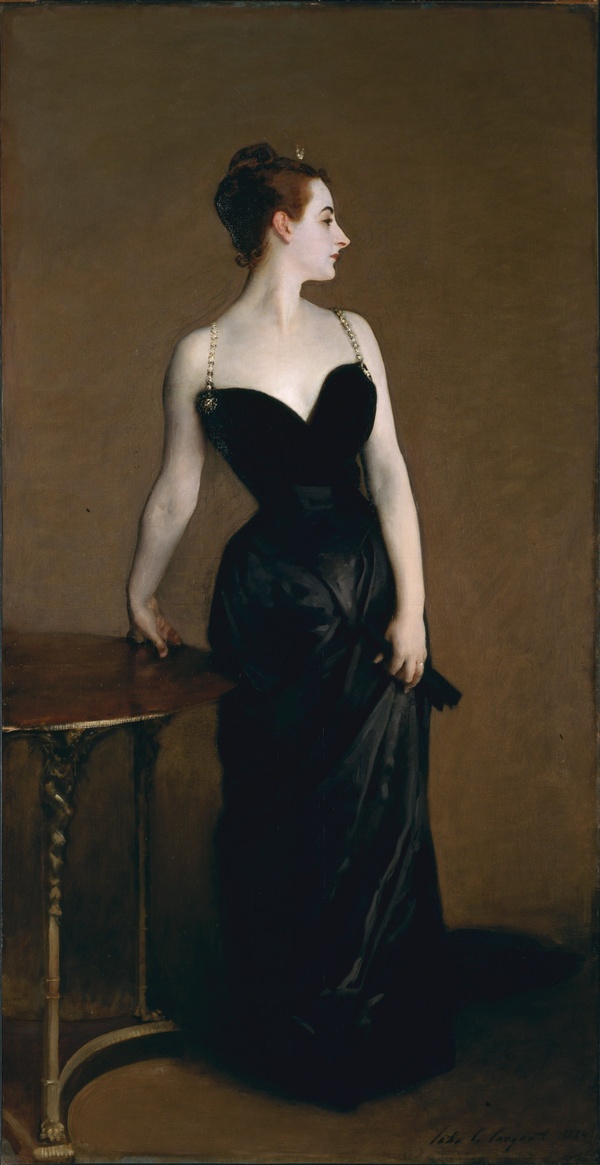
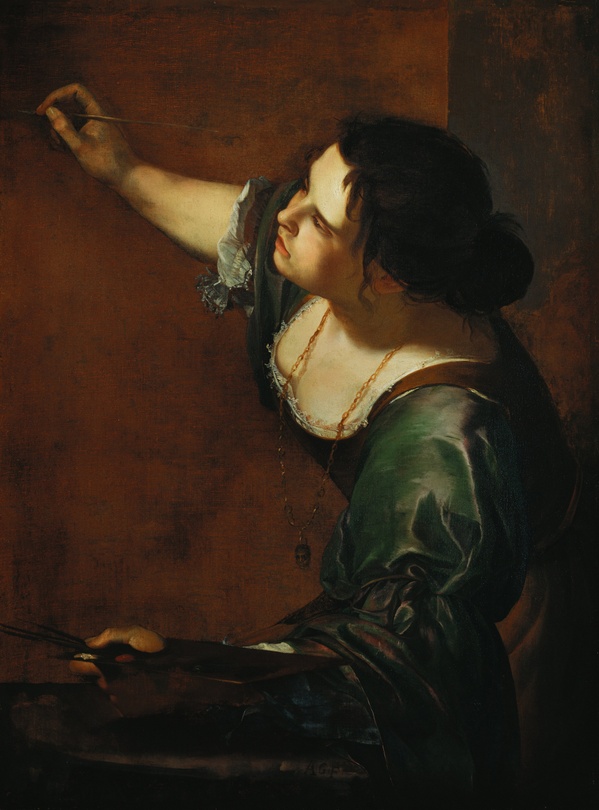
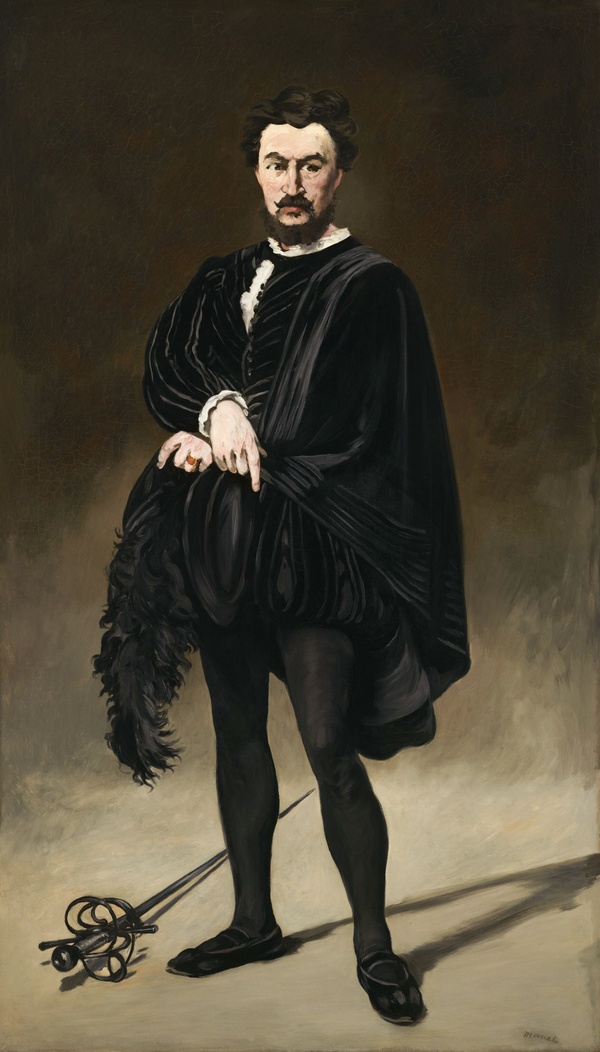
Beyond literal disguises, art explores the constructed personas we adopt. Johannes Vermeer's Girl with a Pearl Earring (c. 1665), with her enigmatic gaze and exotic turban, presents not a direct portrait but a tronie – a character study, a face carefully arranged to evoke mystery and allure. She is a fascinating cipher, inviting us to project our own narratives onto her posed self. This notion of the crafted public image intensifies with John Singer Sargent's Madame X (Madame Pierre Gautreau) (1884). Gautreau, a Parisian socialite, is presented as an icon of daring beauty, her identity almost subsumed by the very image she meticulously cultivated, a mask of aristocratic chic that proved controversially fragile. In a strikingly different vein, Artemisia Gentileschi's Self-Portrait as the Allegory of Painting (La Pittura) (1638) shows the artist boldly embodying an abstract concept, donning the symbolic mask of her profession to assert her agency and talent. Similarly, Édouard Manet’s Tragic Actor (Rouvière as Hamlet) (1866) captures the essence of an individual transformed by a role, the actor's mask becoming an extension of Hamlet's own layered psyche, grappling with appearance and reality.
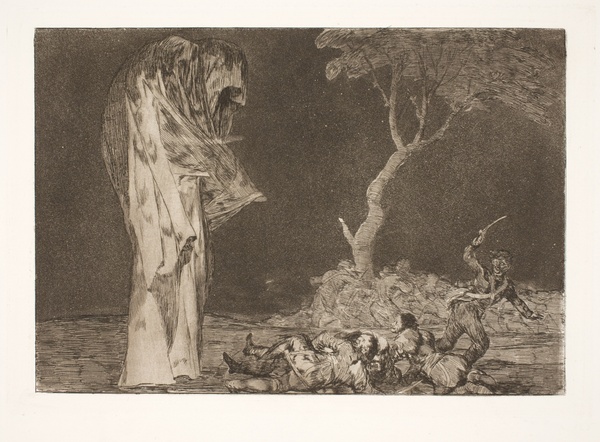
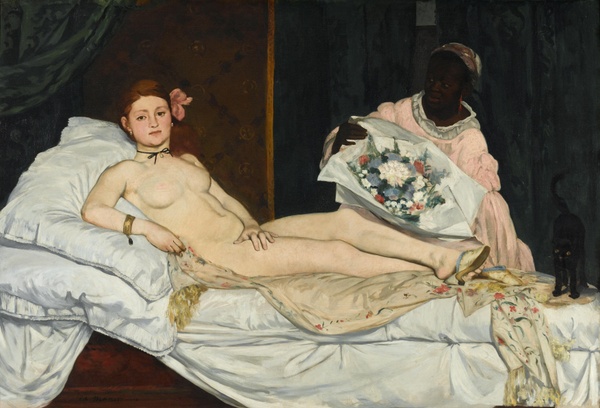
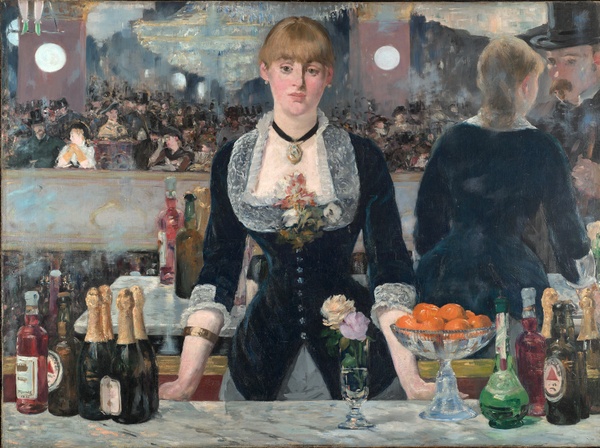
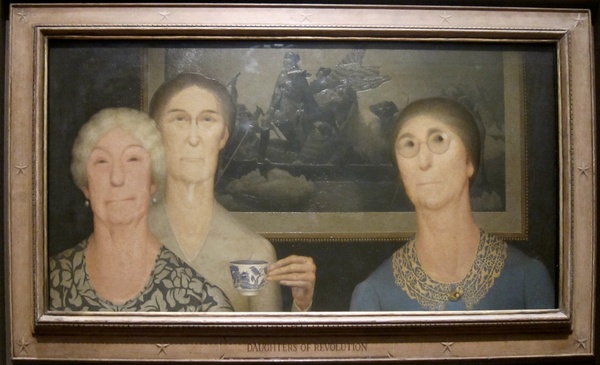
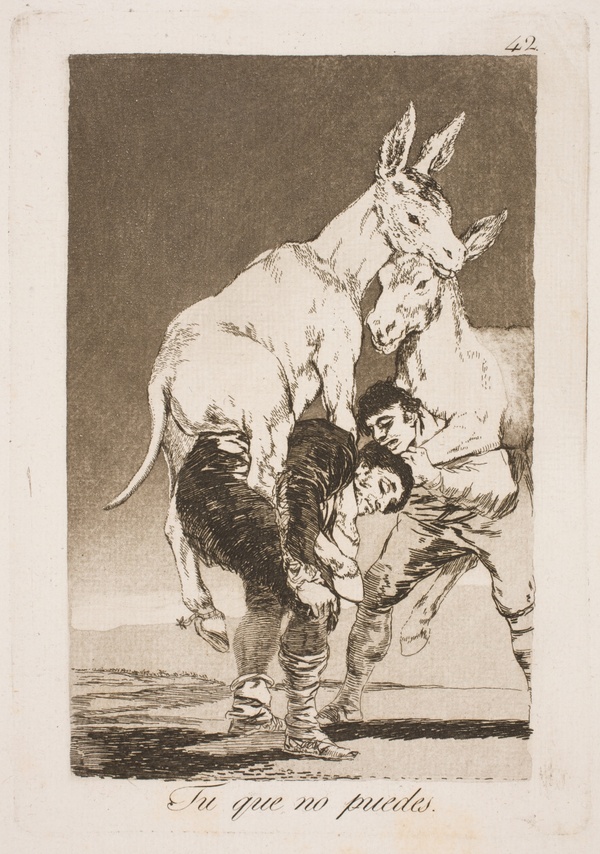
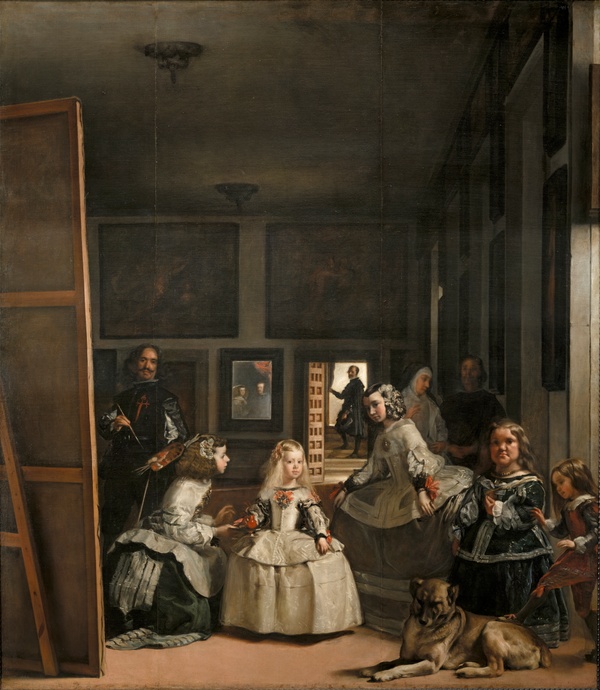
The exhibition then shifts its focus to the societal masks we confront and the unvarnished truths they obscure. Édouard Manet's Olympia (1863) famously stripped away the romanticized veils of traditional nudes, presenting a direct, unashamed gaze that challenged the moralistic masks of 19th-century society. Her self-possession was a scandal, an unmasking of hypocritical decorum. Manet further dissects public performance and internal solitude in A Bar at the Folies-Bergère (1882), where the barmaid Suzon’s detached expression and the disorienting mirror reflection create a poignant tableau of a woman simultaneously present and absent, her public face a carefully maintained veneer. Grant Wood’s Daughters of Revolution (1932) offers a sharp, satirical unmasking of societal pretense, exposing the rigid self-satisfaction and narrow-mindedness hidden beneath a veneer of patriotic virtue. Francisco Goya's Plate 42 from Los Caprichos: Thou Who Canst Not (1799) continues this societal critique with grotesque clarity, revealing the masks of ignorance and oppressive power worn by those who exploit others. And in Diego Velázquez's Las Meninas (1656), the court itself becomes a theatre of masks—the Infanta, the ladies-in-waiting, the artist, even the unseen monarchs reflected in the mirror—all playing their part in a complex drama of visibility, power, and illusion.
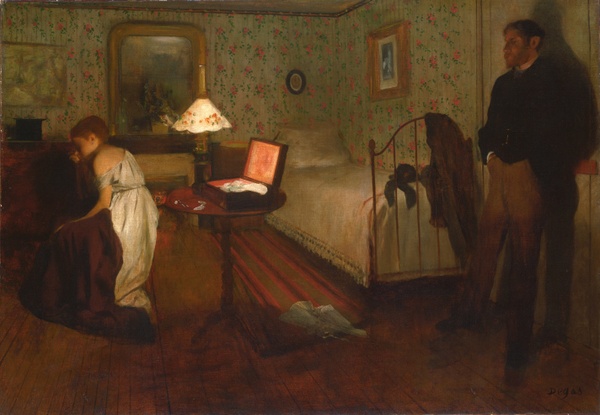
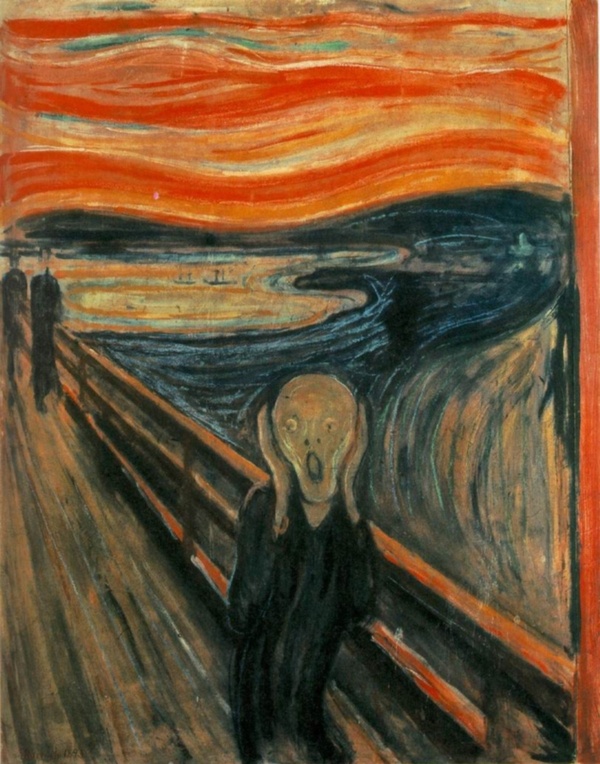
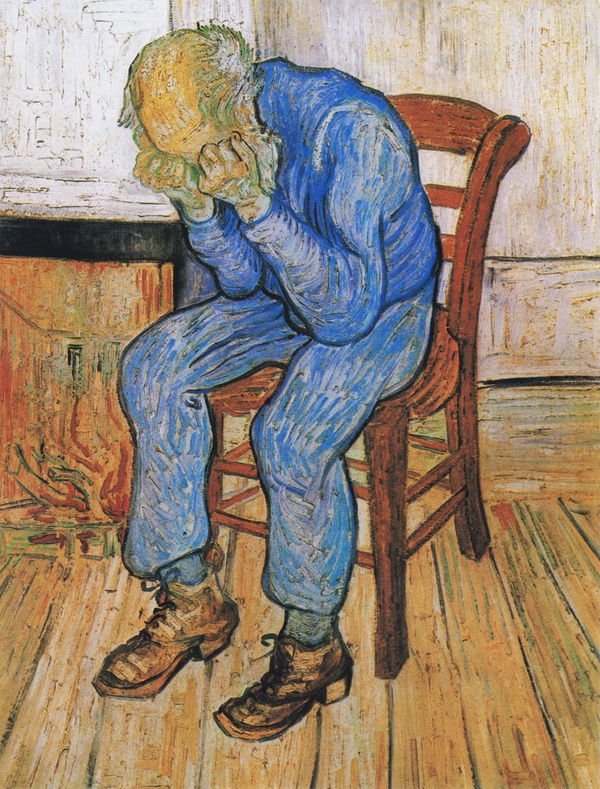
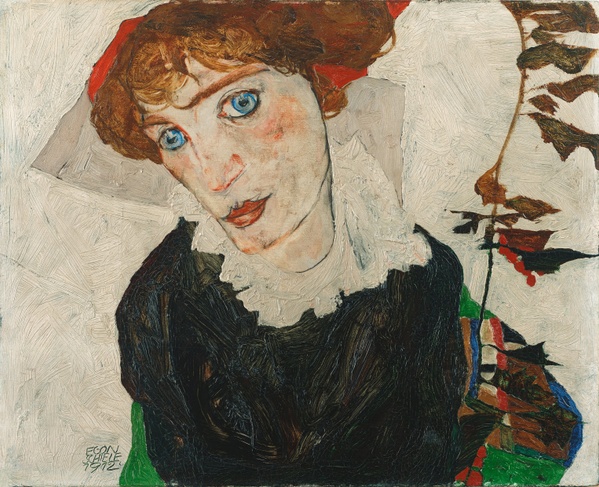
As we delve deeper, the exhibition explores moments when masks crack, revealing profound vulnerability and hidden anguish. Edgar Degas’s Interior (1869), shrouded in lamplit tension, portrays a silent drama where unspoken secrets and raw emotions seem to press against the fragile masks of social interaction. The most visceral unmasking arrives with Edvard Munch's The Scream (1893), a raw, universal cry of existential despair where the human figure's face is distorted into an iconic, genderless mask of pure agony, a primal response to an overwhelming inner and outer landscape. This profound vulnerability finds another echo in Vincent van Gogh's Sorrowing Old Man (At Eternity's Gate) (1890), where the slumped figure’s pose and hidden face convey a poignant sense of grief and resignation, the mask of endurance finally fallen away. Egon Schiele's Portrait of Wally Neuzil (1912) offers a glimpse into a fiercely intimate space, where the subject's unvarnished gaze suggests an authenticity that transcends polite society's expectations, a raw self laid bare.
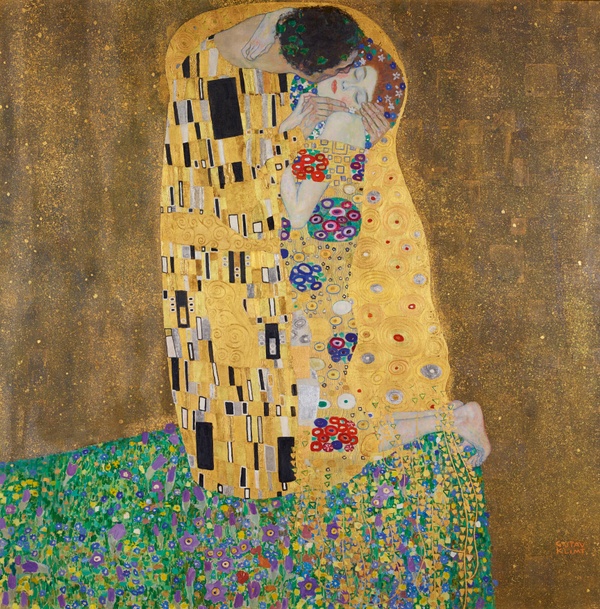
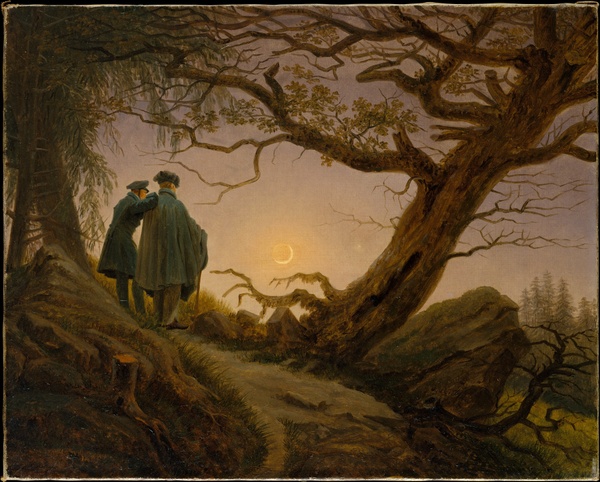
Ultimately, "The Mask We Wear" invites contemplation on what lies beyond the mask. In Gustav Klimt's The Kiss (1908), two figures merge into a single golden embrace, their individual identities dissolving into a shared, timeless form. Is this the ultimate shedding of masks in the ecstasy of love, or the creation of a new, unified identity? The journey concludes with the quiet introspection of Caspar David Friedrich's Two Men Contemplating the Moon (ca. 1825–1830). With their backs to the viewer, their individual masks of identity are withheld, allowing us to project ourselves into their contemplative solitude, finding a universal, unmasked connection to the vastness of the natural world.
Through these masterworks, we witness the many guises of human existence—the roles we play, the secrets we keep, the truths we reveal. The exhibition is an invitation to look closer, to question what we see, and perhaps, to unmask a little of ourselves along the way.