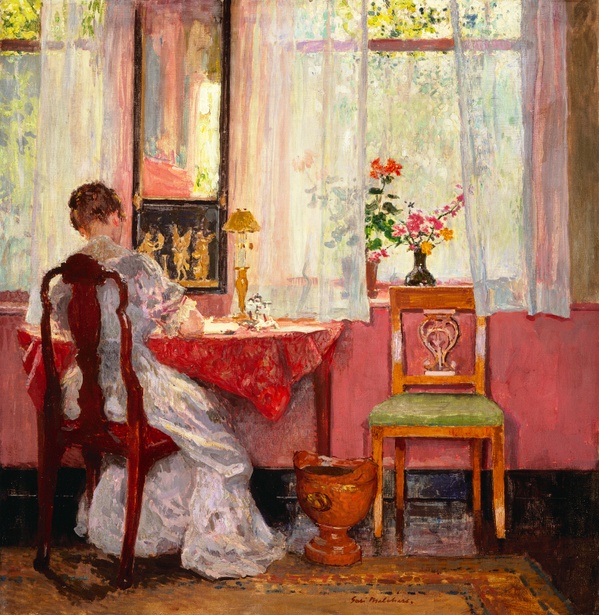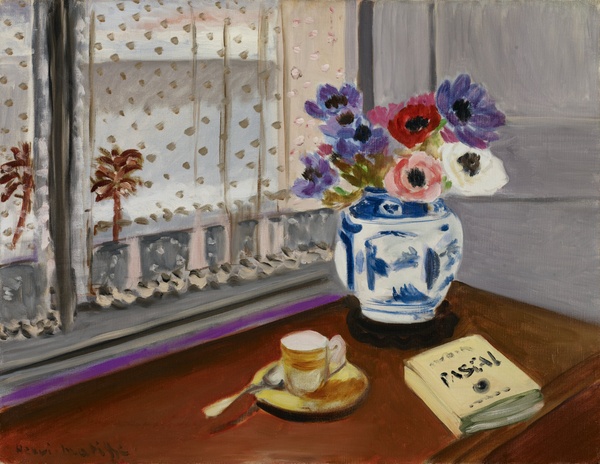
In the hushed sanctuaries of domestic life, artists have long served as voyeurs to the most intimate human moments, their brushes capturing the poetry of the everyday. Behind closed doors, away from the performative theater of public existence, we discover the true rhythms of being—the quiet contemplations, the stolen glances, the moments when souls believe themselves unobserved.
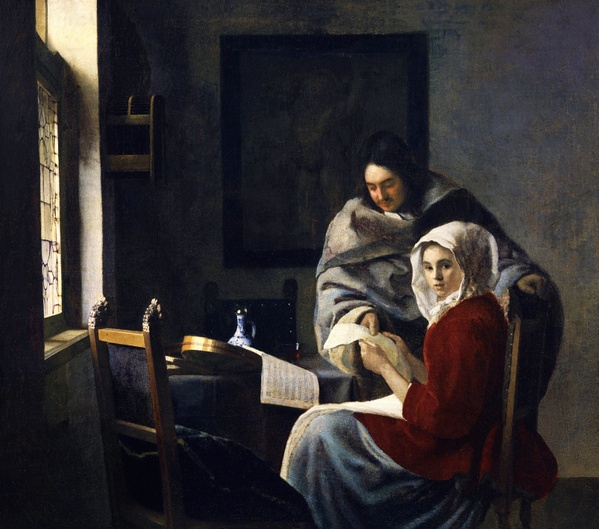
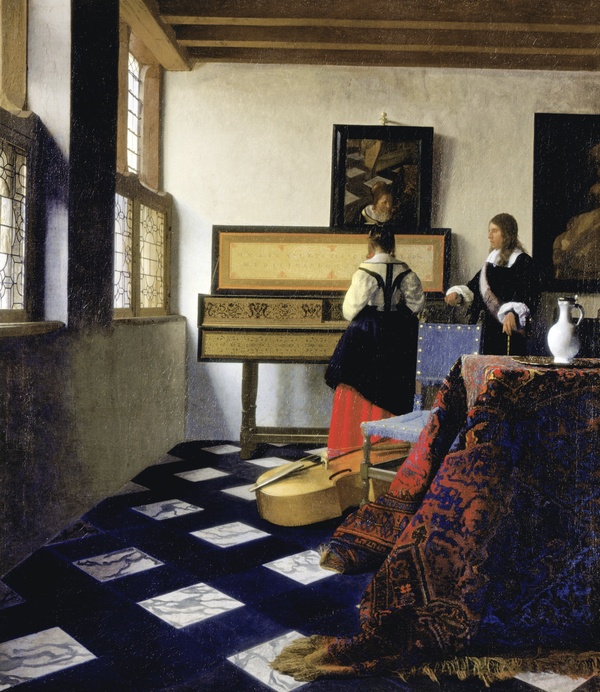
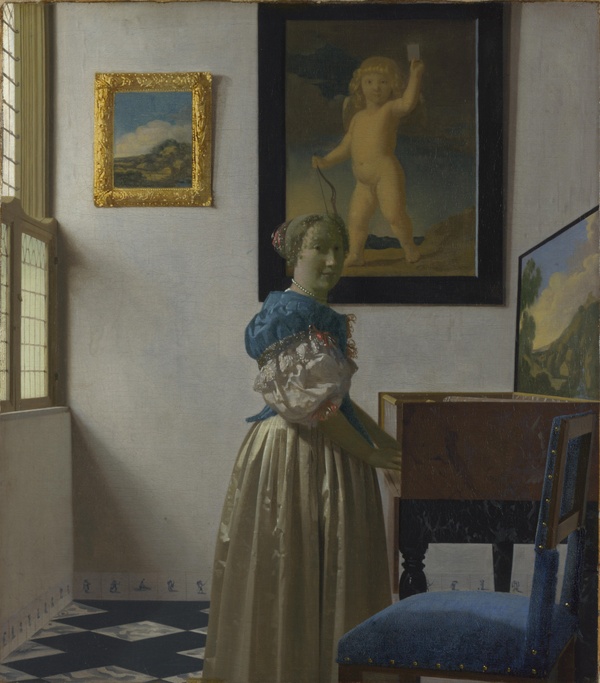
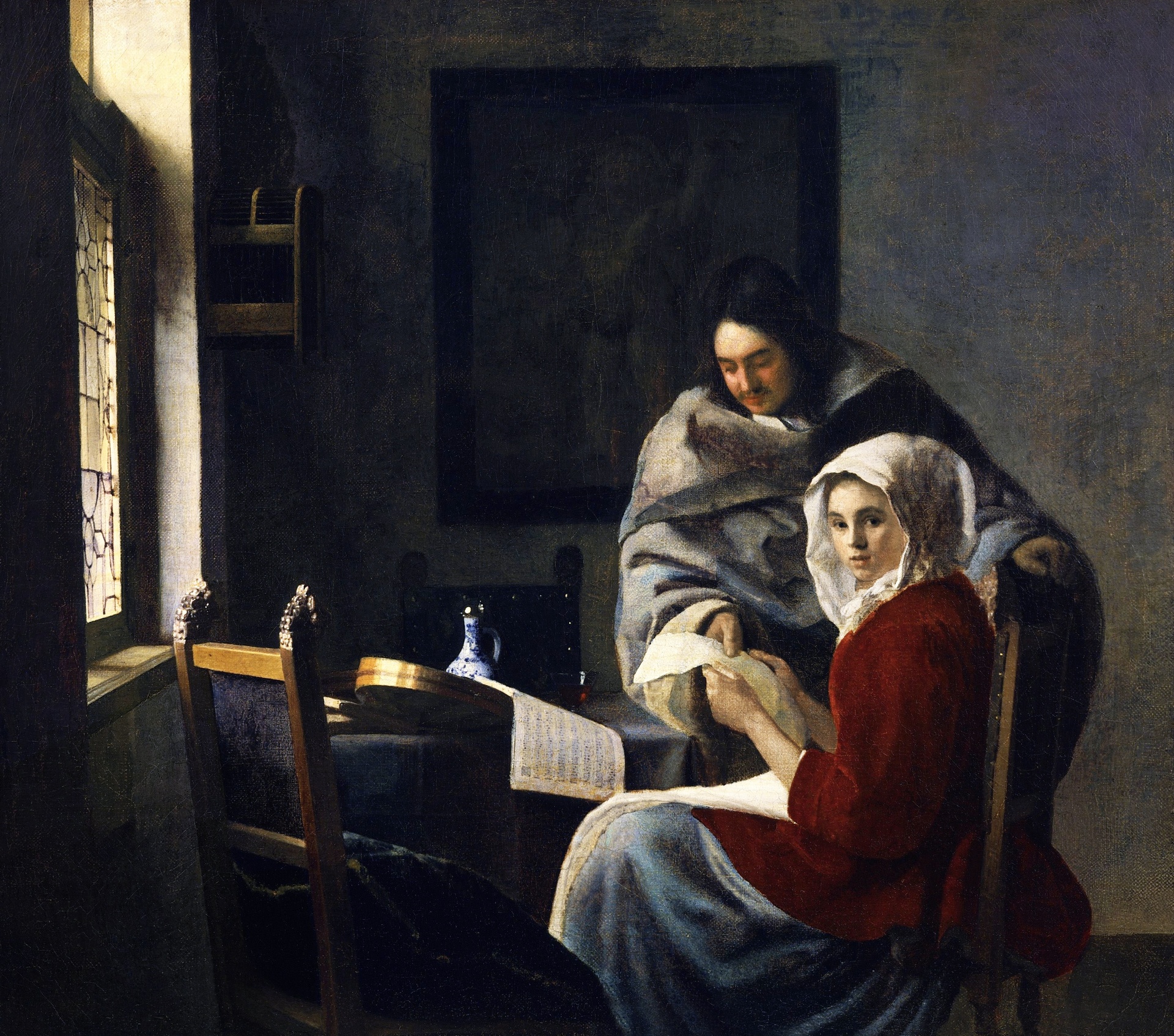
Johannes Vermeer understood this sacred voyeurism perhaps better than any painter before or since. In 'Girl Interrupted at Her Music,' he freezes a moment of startled intimacy, where the subject's gaze meets ours with an almost guilty acknowledgment of intrusion. The music has stopped, the private reverie broken, yet in that interruption lies a profound truth about the permeable boundaries between public and private self. Similarly, in 'The Music Lesson,' Vermeer transforms a domestic interior into a theater of unspoken desire, where the gentleman's posture and the woman's reflection in the virginal's lid speak volumes about the elaborate courtship rituals conducted within respectable drawing rooms.
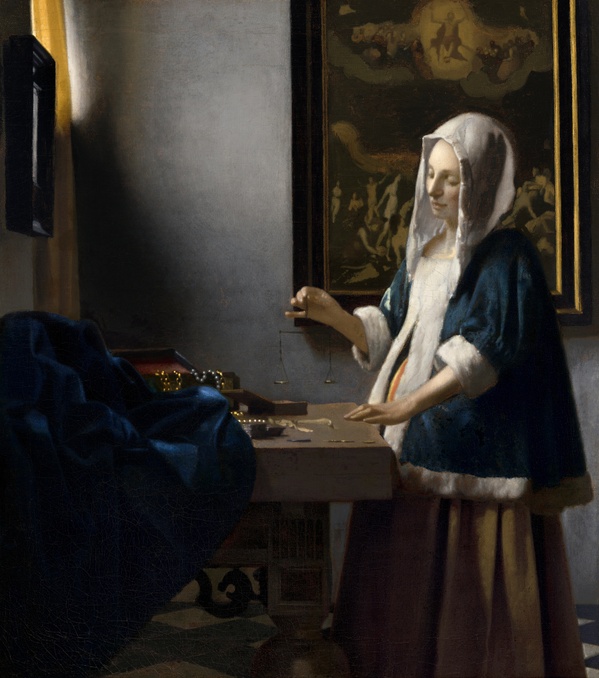
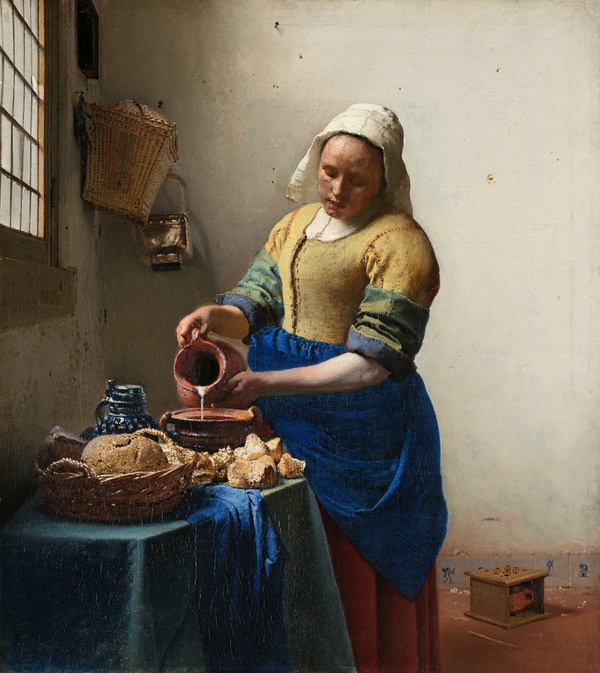
The Dutch master's 'Woman Holding a Balance' elevates the mundane act of weighing pearls into a meditation on moral equilibrium, the domestic space becoming a stage for eternal questions of judgment and value. Even in 'The Milkmaid,' the simple act of pouring milk transforms into an almost sacred ritual, the kitchen maid's concentrated absorption revealing the dignity inherent in life's most basic tasks.
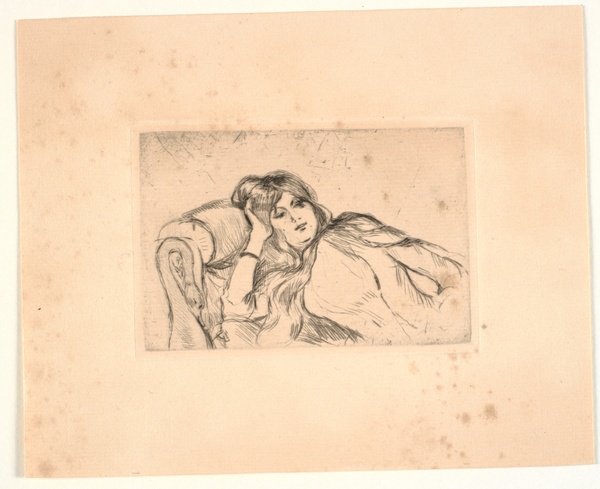
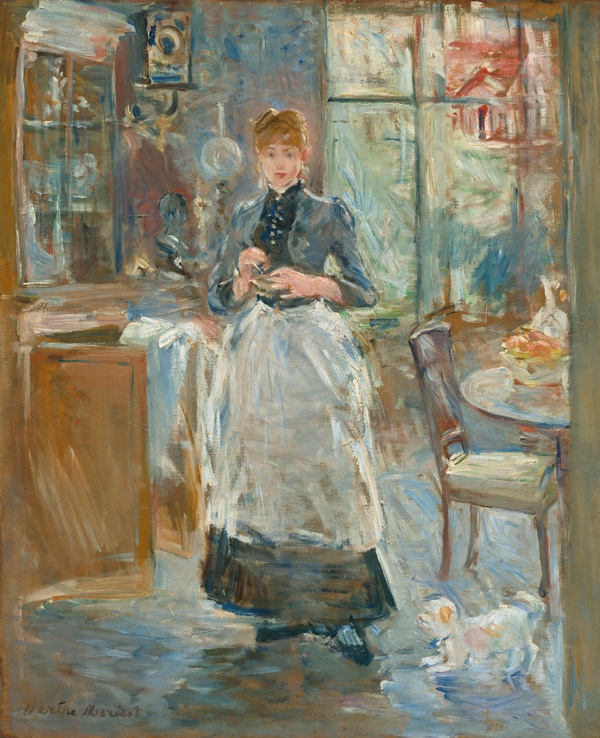
As we move through the centuries, the private realm continues to fascinate. Berthe Morisot's 'Woman Lying on a Sofa (Jeanne-Marie)' captures the languid ease of bourgeois domesticity, her impressionist brushstrokes suggesting the very texture of leisure itself. In 'In the Dining Room,' she reveals the subtle choreography of domestic life, where servants and mistresses navigate their separate yet intertwined existences.
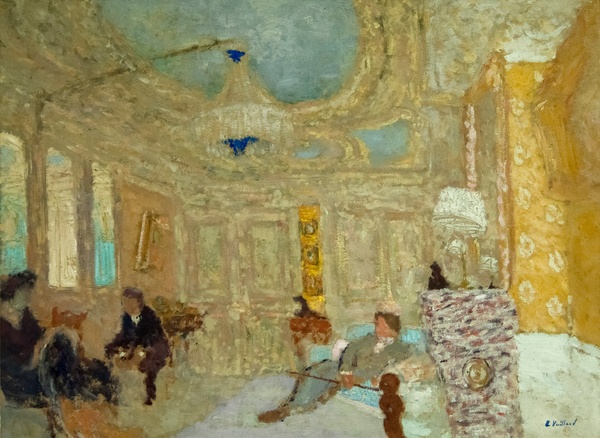
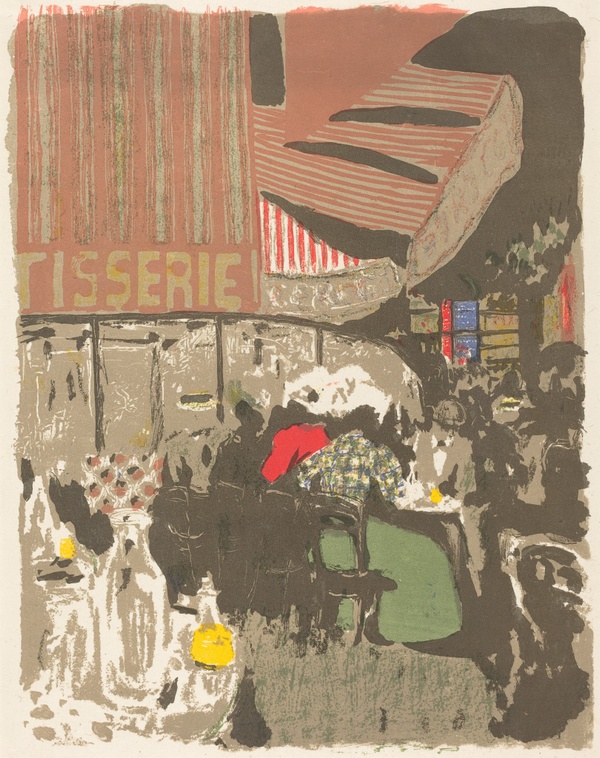
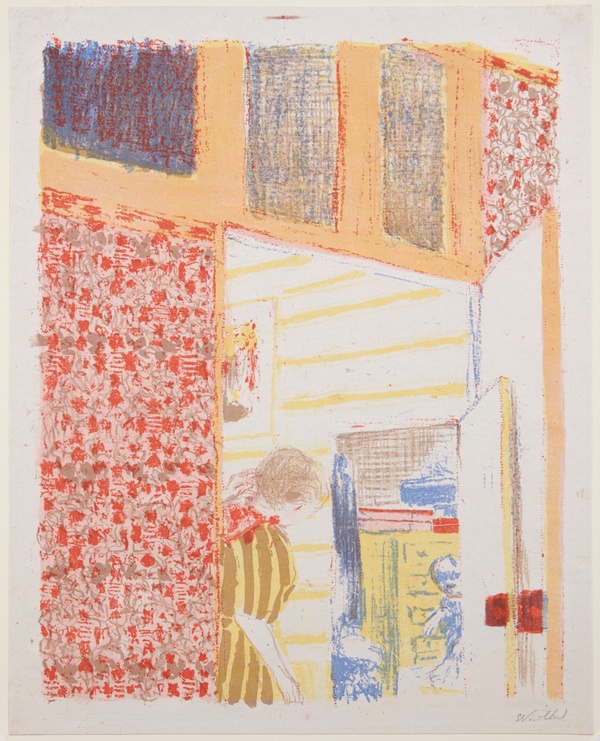
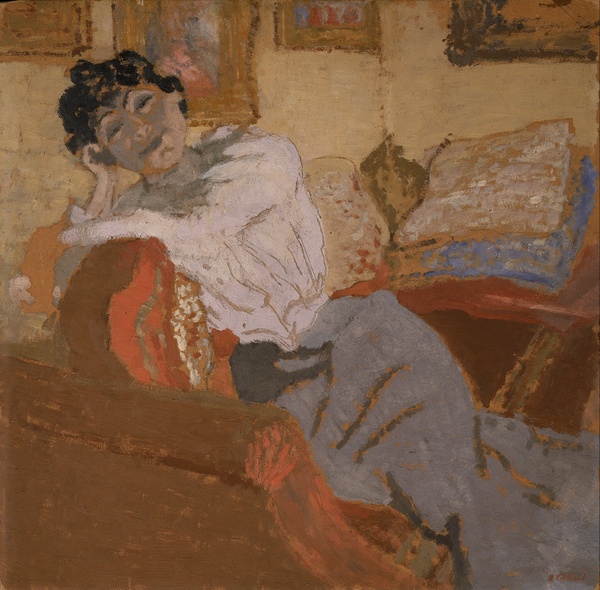
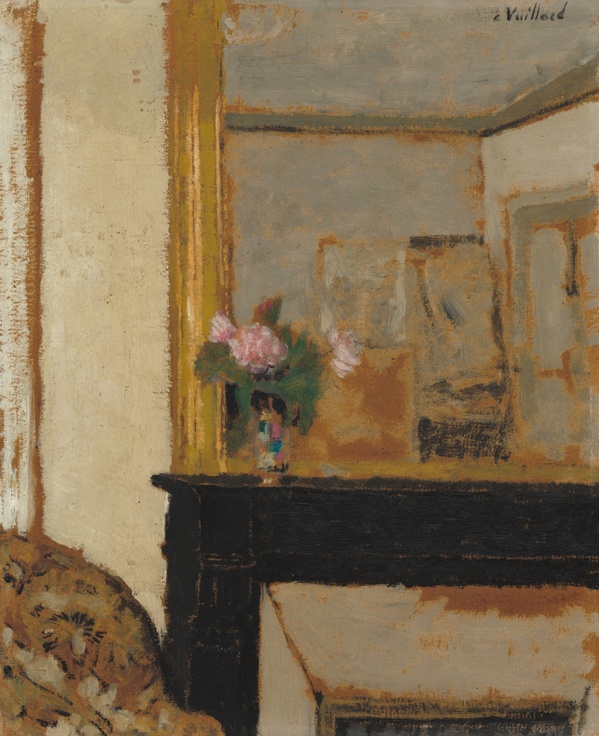
Édouard Vuillard, master of the intimate interior, dissolves the boundaries between figure and furnishing in works like 'Interior with Pink Wallpaper' and 'Madame Hessel au Sofa.' His subjects become part of the very fabric of their surroundings, suggesting how deeply our private spaces shape and define us. The patterns that surround us—wallpaper, upholstery, the accumulated detritus of daily life—become extensions of our inner selves.
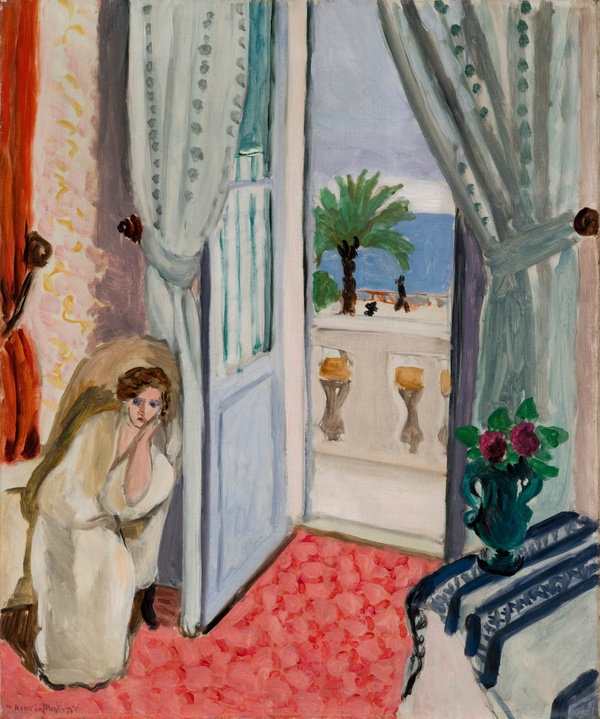
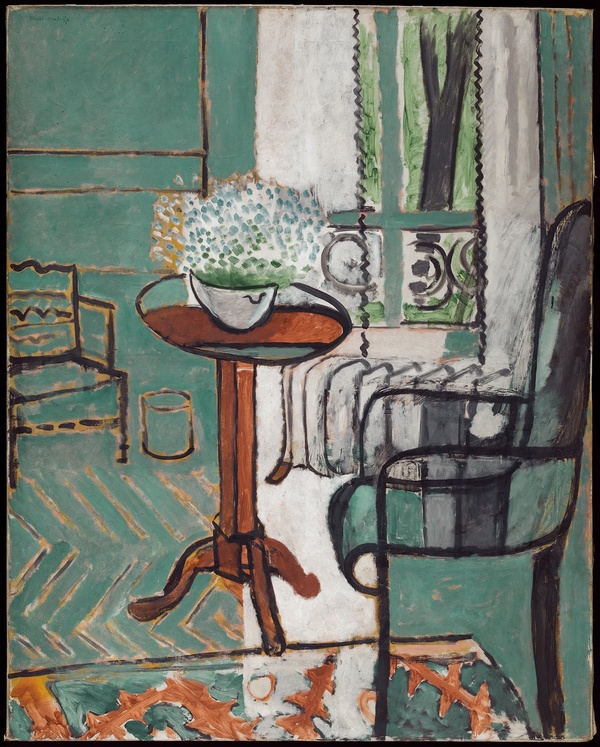
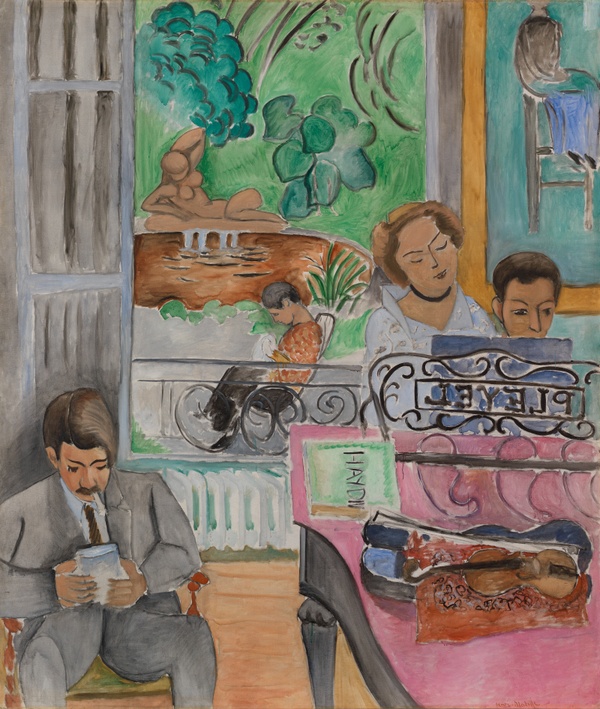
Henri Matisse brings light and color flooding through these domestic sanctuaries. His 'Interior at Nice' transforms a simple hotel room into a symphony of pattern and light, while 'The Window' frames the eternal dialogue between interior and exterior worlds. In 'The Music Lesson,' the family home becomes a stage where multiple generations negotiate the delicate balance between individual expression and collective harmony.
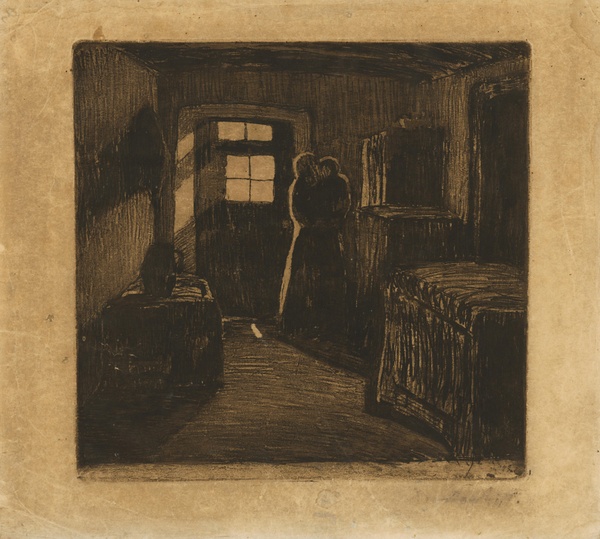
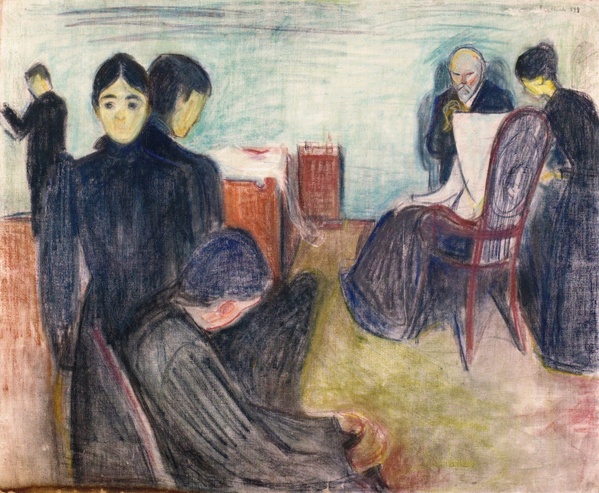
Perhaps most haunting is Edvard Munch's 'Death in the Sickroom,' where the private chamber becomes the ultimate theater of human vulnerability. Here, behind the most closed of doors, we witness the rawest human emotions—grief, fear, the terrible intimacy of mortality itself.
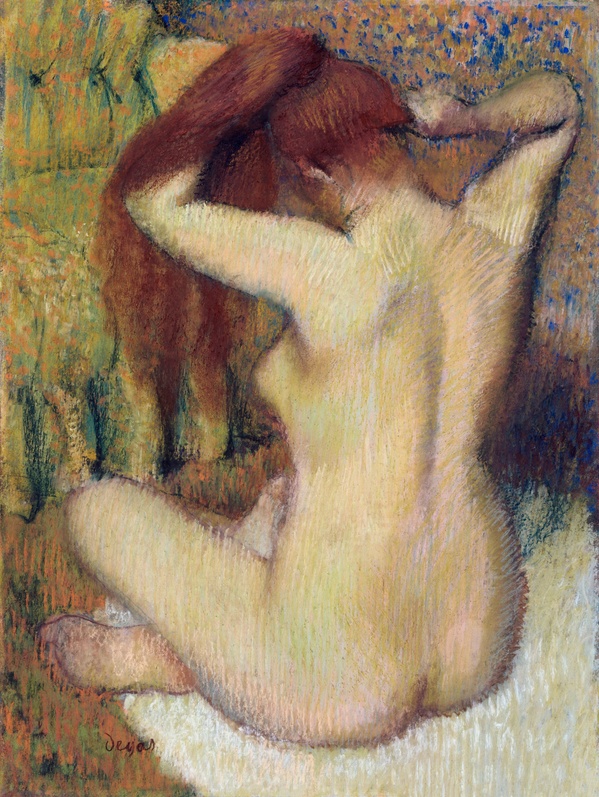
Even Edgar Degas, with his 'Woman Combing Her Hair,' captures those moments of pure privacy when the body exists solely for itself, unperformed and authentic. These are the moments that exist in the spaces between public presentation and private truth.
These stolen glances into private chambers reveal a universal truth: that behind every closed door lies a complete universe of human experience, as complex and worthy of contemplation as any grand historical narrative. In the quiet corners of domestic life—the music lessons, the morning toilettes, the solitary meals—artists have discovered the very essence of what it means to be human. The private chamber becomes not merely a setting, but a state of mind, a place where the soul can finally exhale and reveal its truest nature.