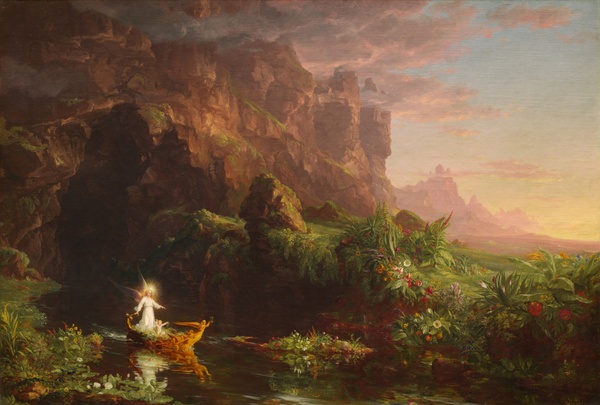
In the gentle cadence of childhood's eternal dance, we discover a world where time moves differently—where moments stretch like taffy in summer heat, and wonder blooms in the simplest gestures. Thomas Cole's 'The Voyage of Life: Childhood' opens our journey with its allegorical river, where an infant navigates the waters of existence guided by celestial protection, setting the stage for all the tender revelations that follow.
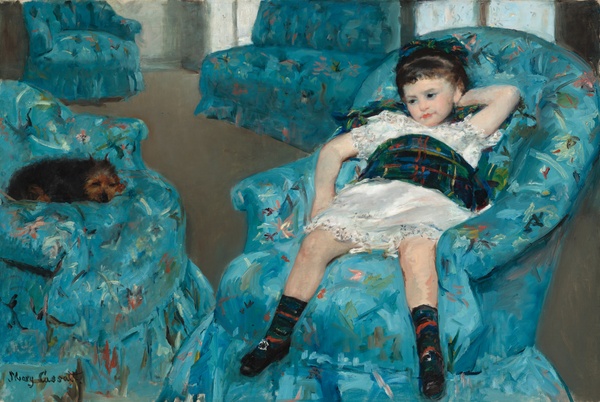
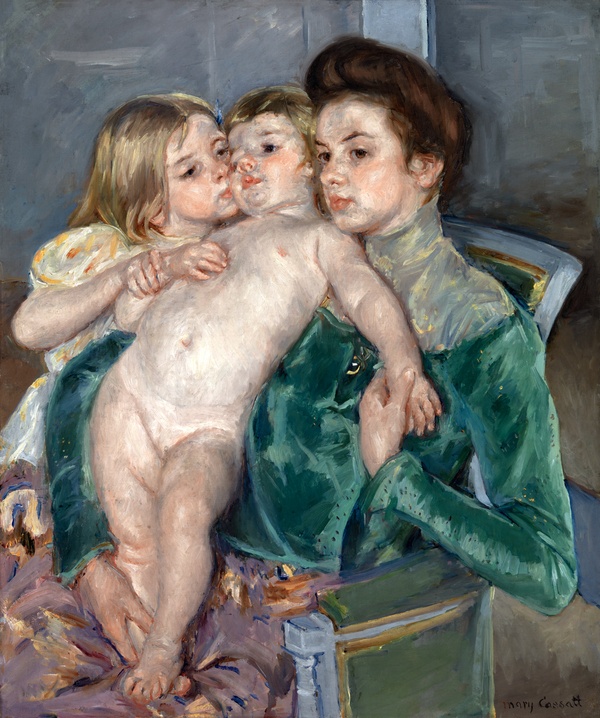
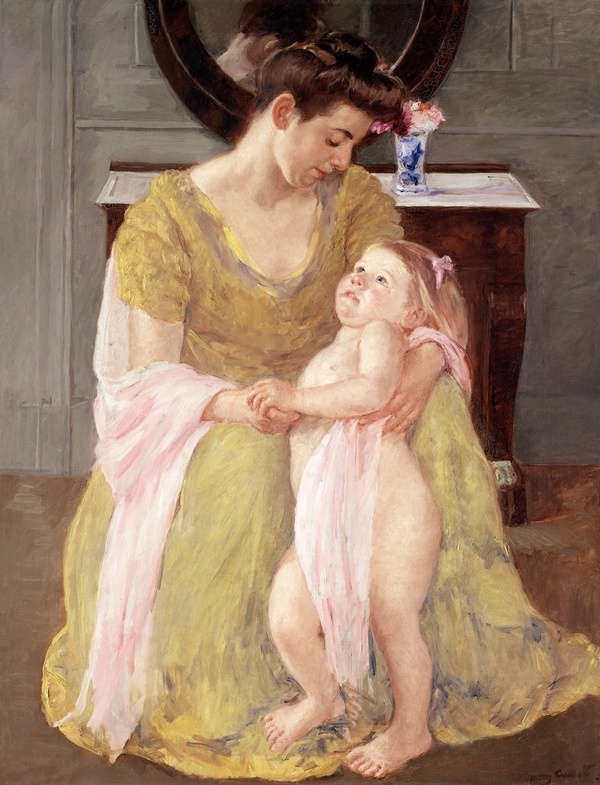
The artists of the late nineteenth century possessed an almost mystical ability to capture these fleeting moments of innocence. In Mary Cassatt's 'Little Girl in a Blue Armchair,' we encounter childhood's unguarded spontaneity—a young girl sprawled with delicious abandon across upholstered furniture, her posture speaking to that precious time before society teaches us to contain our bodies within proper boundaries. This same artist's 'The Caress' reveals the tender ecosystem that nurtures such freedom, where maternal love creates the safe harbor from which children can venture forth to explore their world.
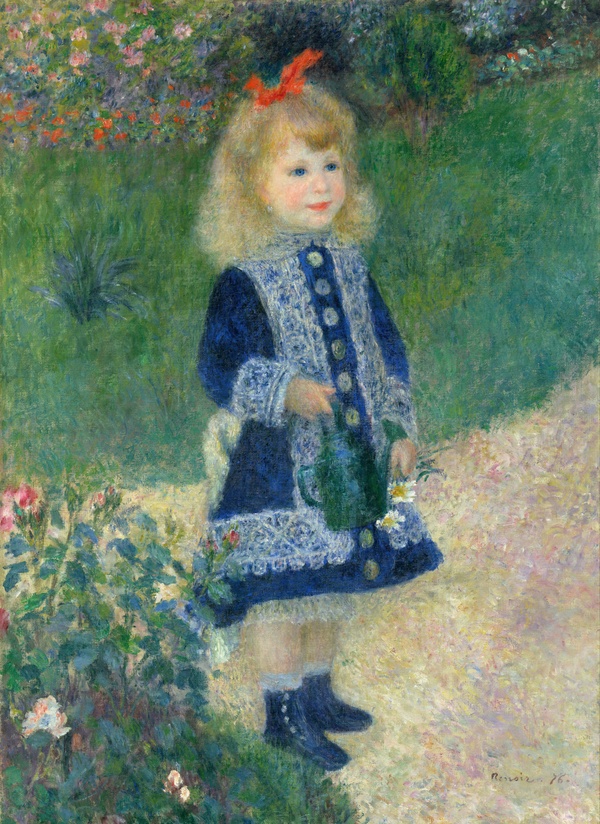
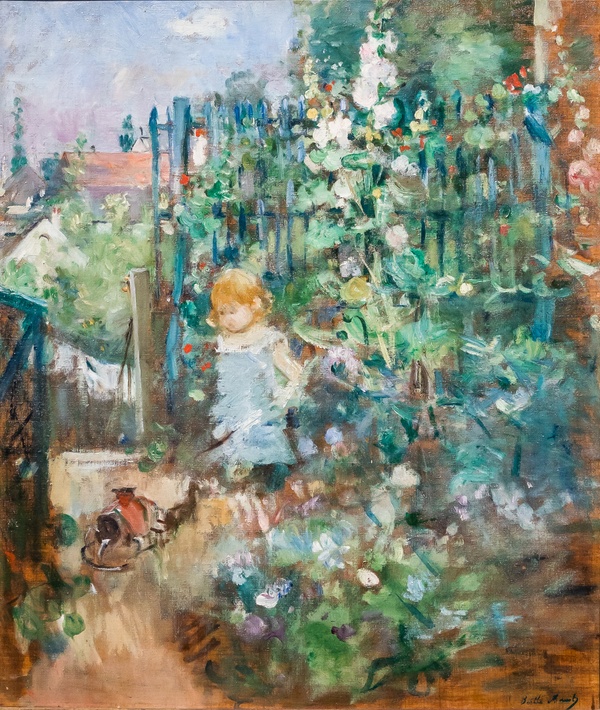
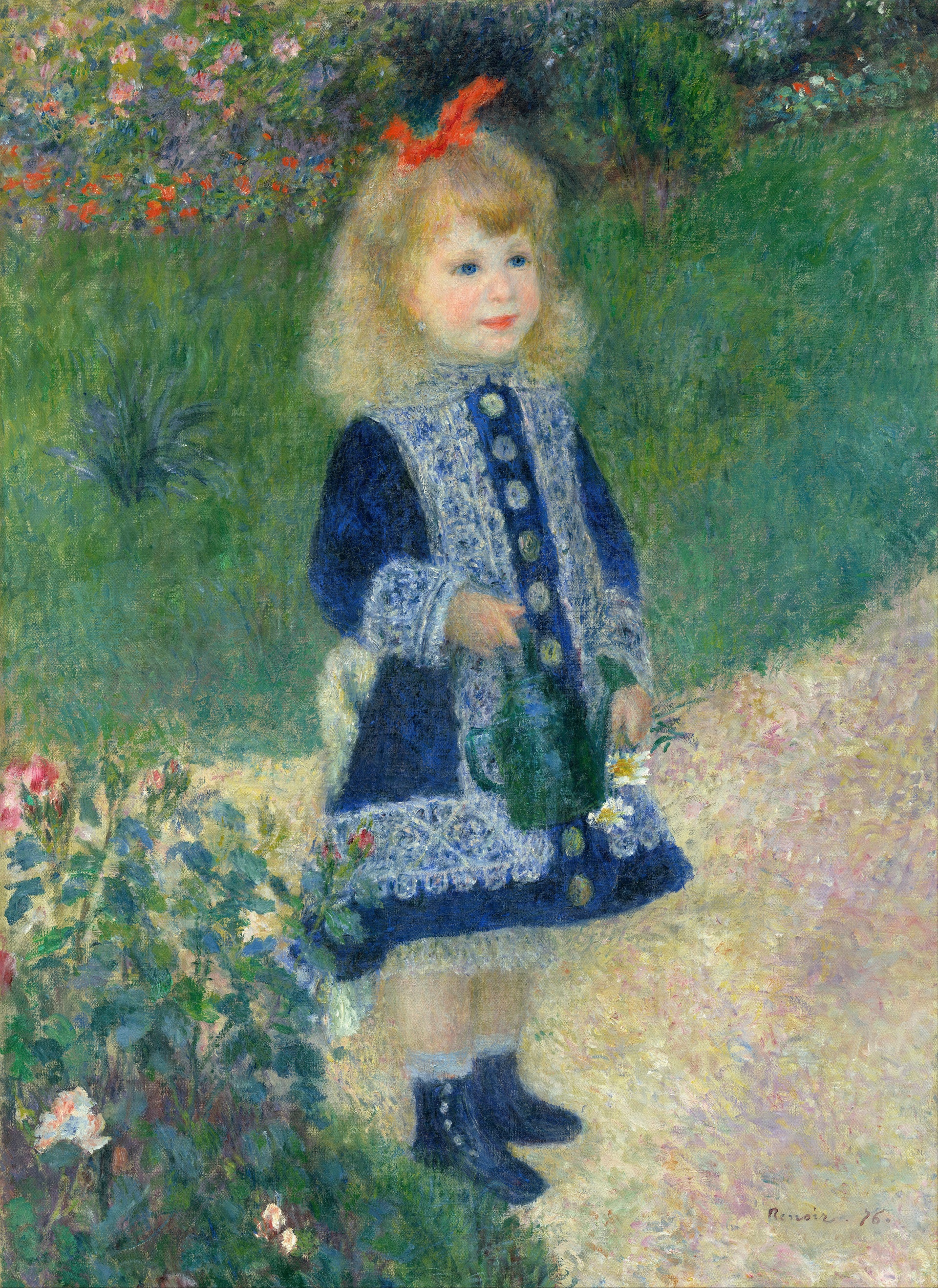
Pierre-Auguste Renoir's 'A Girl with a Watering Can' presents us with childhood as gardener, the young figure in her blue frock standing among flowers like a fairy tale illustration come to life. There is something profoundly moving about this image of nurture—the child caring for growing things, unconsciously preparing for her own blossoming. Similarly, in Berthe Morisot's 'Child among Hollyhocks,' we witness the magical dissolution of boundaries between child and nature, as if the young figure might at any moment transform into one of the towering blooms that surround her.
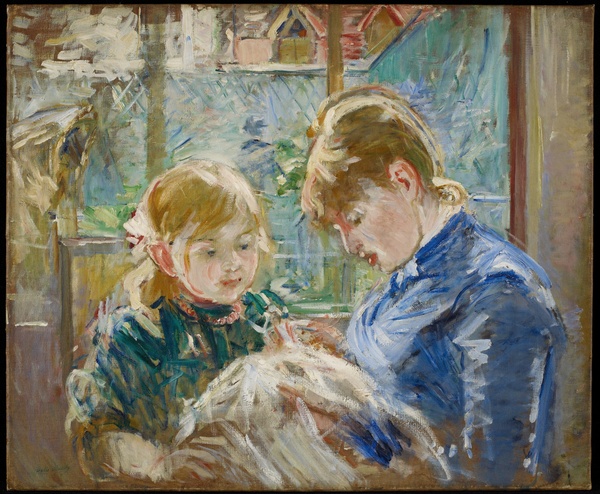
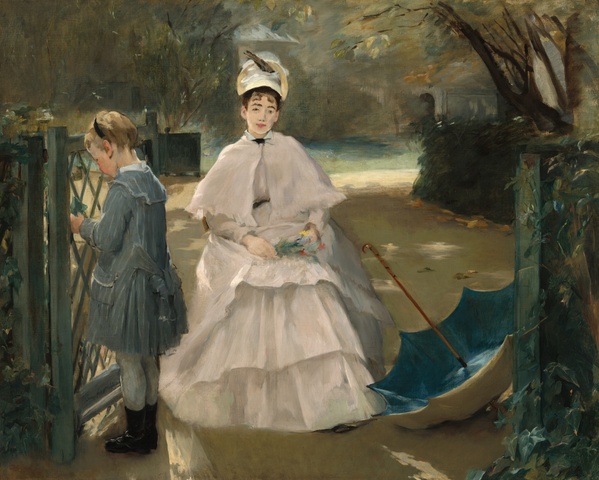
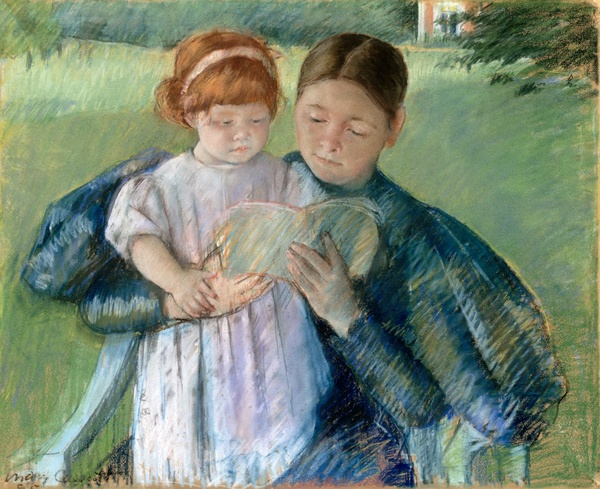
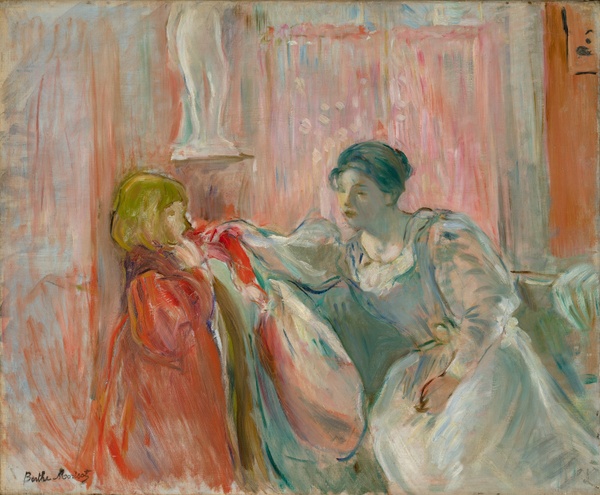
The domestic sphere becomes a theater of learning and love in these works. Morisot's 'The Artist's Daughter, Julie, with her Nanny' and Eva Gonzalès's 'Nanny and Child' reveal the complex relationships that shape young minds—the careful attention of caregivers who provide both structure and freedom. In Cassatt's 'Nurse Reading to a Little Girl,' we see knowledge passed like a sacred flame from one generation to the next, the pastel medium lending an ethereal quality to this moment of shared discovery.
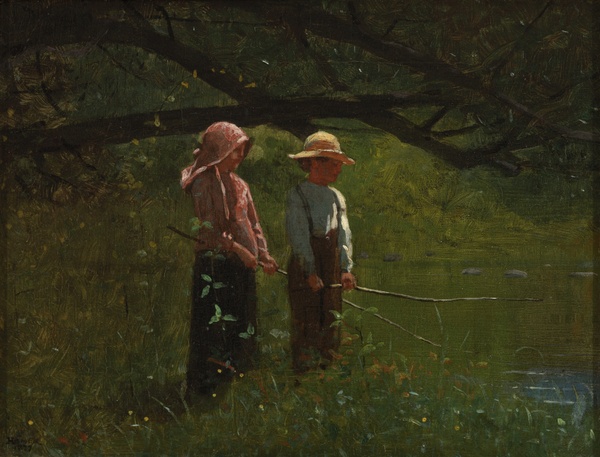
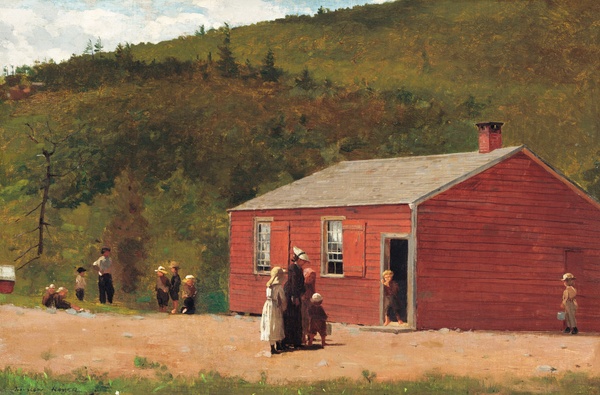
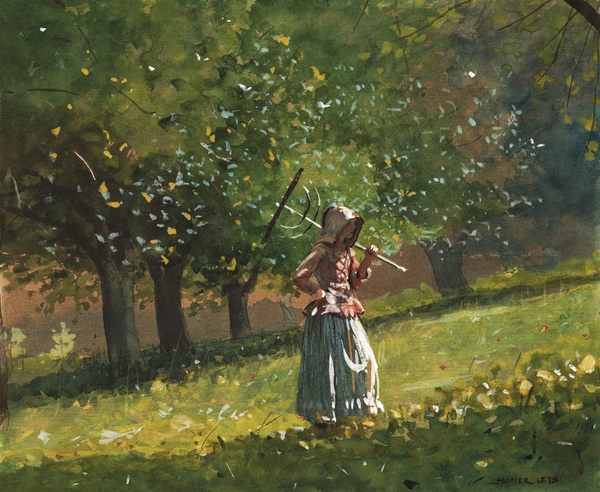
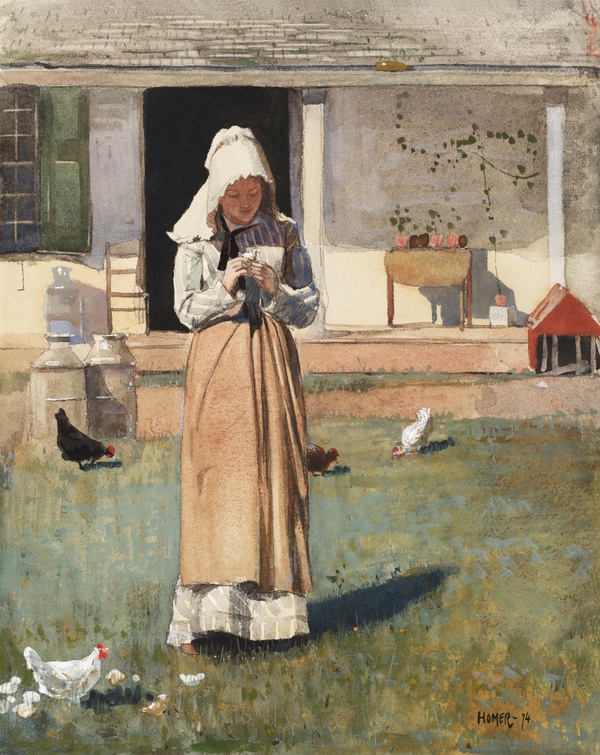
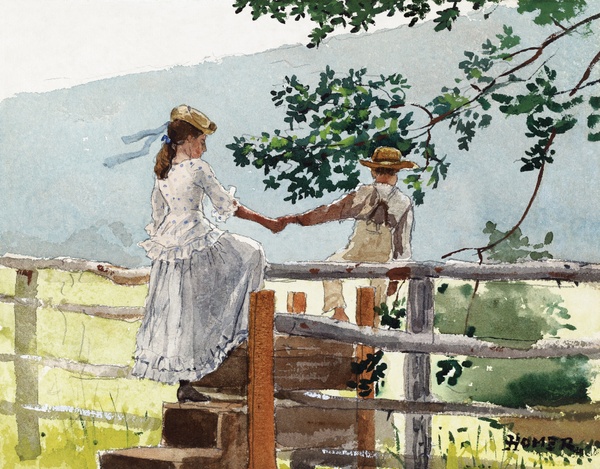
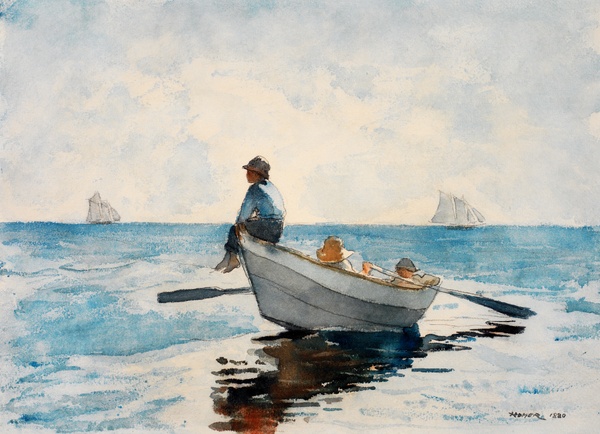
Winslow Homer brings us outdoors, where childhood's adventures unfold under open skies. His 'Fishin'' captures two children at the water's edge, their rose, blue, and yellow clothing bright against nature's muted palette, while 'School Time' shows the red schoolhouse as childhood's formal introduction to the wider world. In 'Girl with Hay Rake' and 'A Sick Chicken,' Homer reveals childhood's natural compassion—the instinctive care children show for both labor and living creatures.
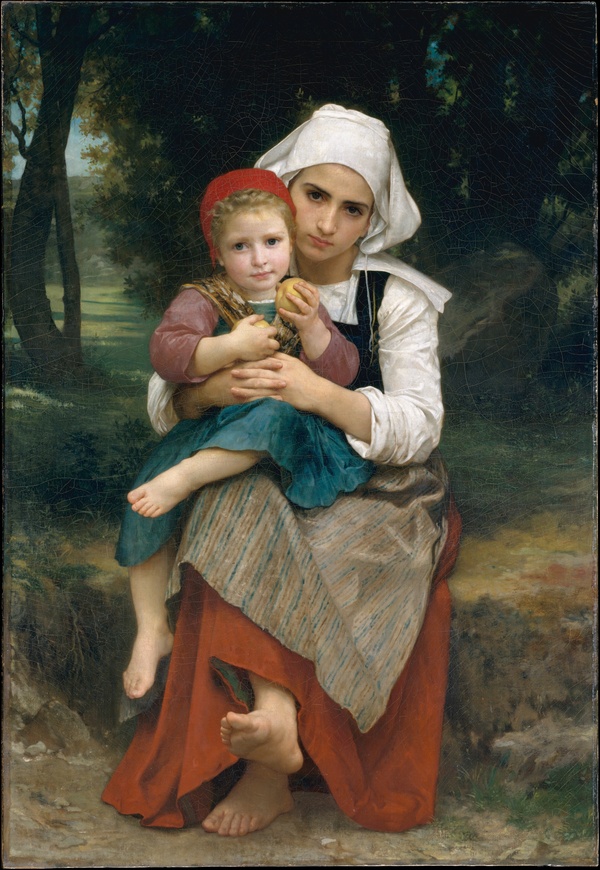
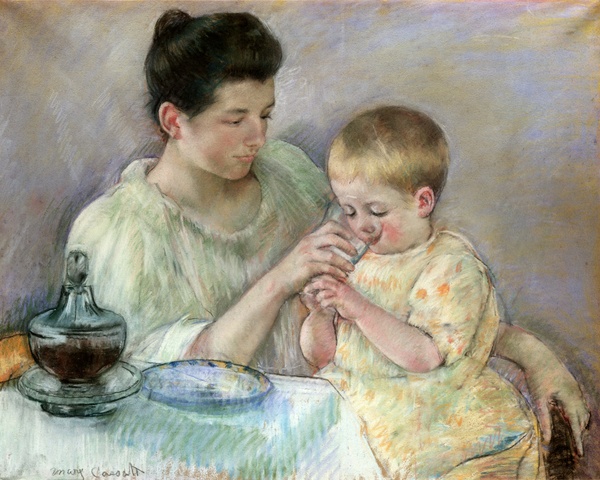
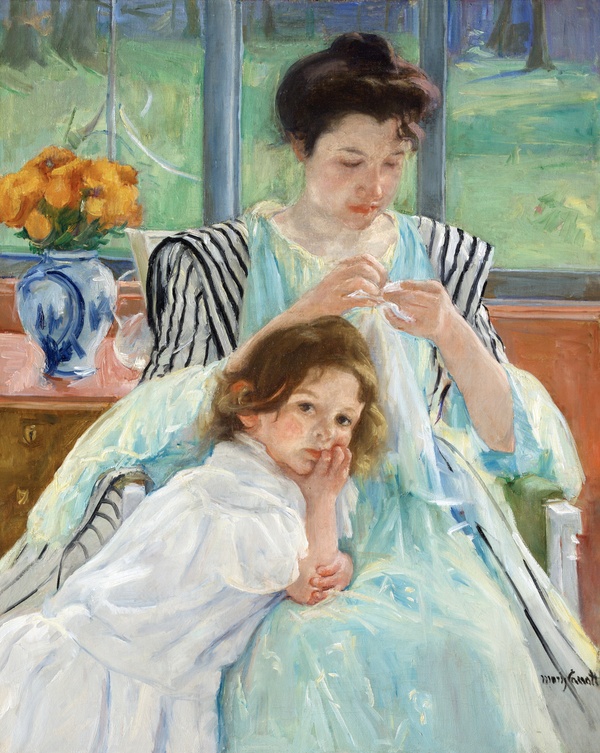
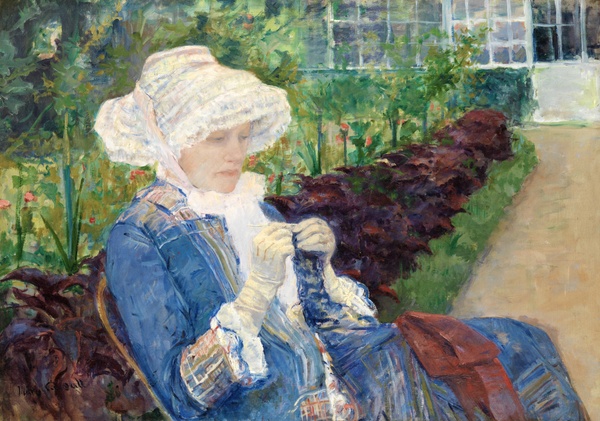
The French Impressionists understood that childhood exists not in isolation but within the embrace of family. William-Adolphe Bouguereau's 'Breton Brother and Sister' speaks to the fierce bonds between siblings, while Cassatt's 'Mother Feeding Child' and 'Young Mother Sewing' celebrate the quiet heroism of daily care. These are not grand gestures but small moments that accumulate into the architecture of memory.
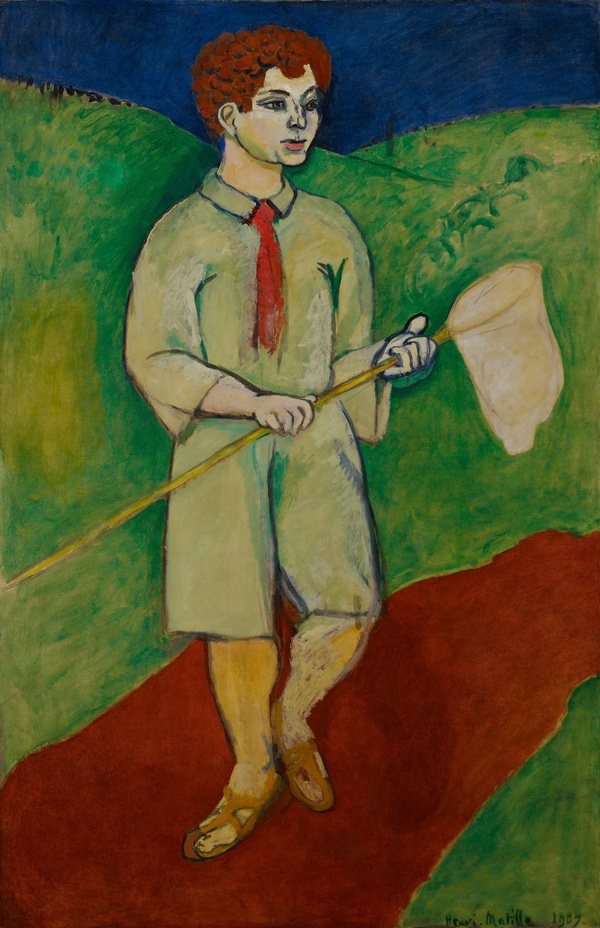
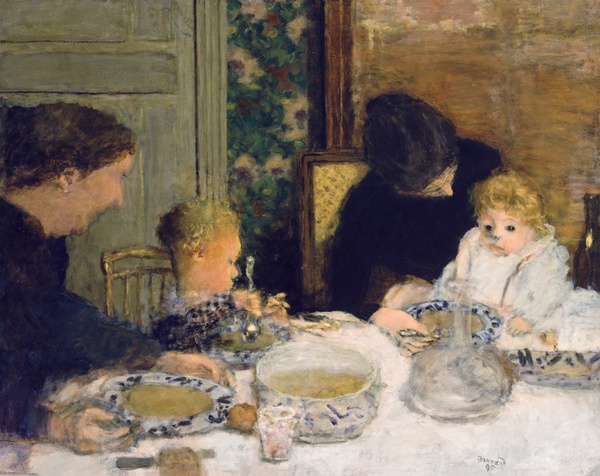
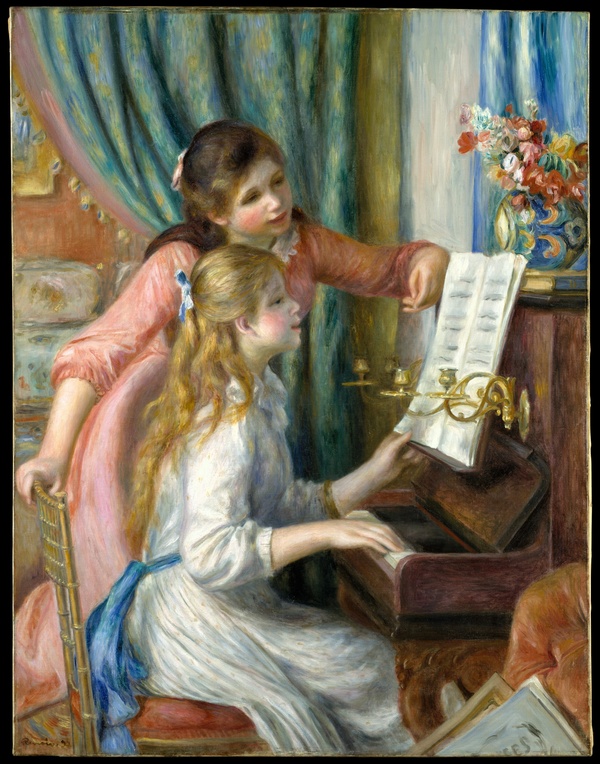
As we move through this gallery of childhood, we encounter Henri Matisse's 'Boy with Butterfly Net,' where bold colors announce a new century's approach to depicting young life. Pierre Bonnard's 'The Children's Meal' brings us to the family table, that crucible where manners are learned and stories shared. Renoir's 'Two Young Girls at the Piano' captures the civilizing power of art itself—music as the bridge between innocence and sophistication.
These artists understood that childhood's golden age exists not in any specific historical moment but in the eternal present of wonder—in the space between question and answer, between safety and adventure, between what is and what might be. They have given us not merely pictures but portals, invitations to remember when the world was vast with possibility and every day promised discoveries yet to be made.