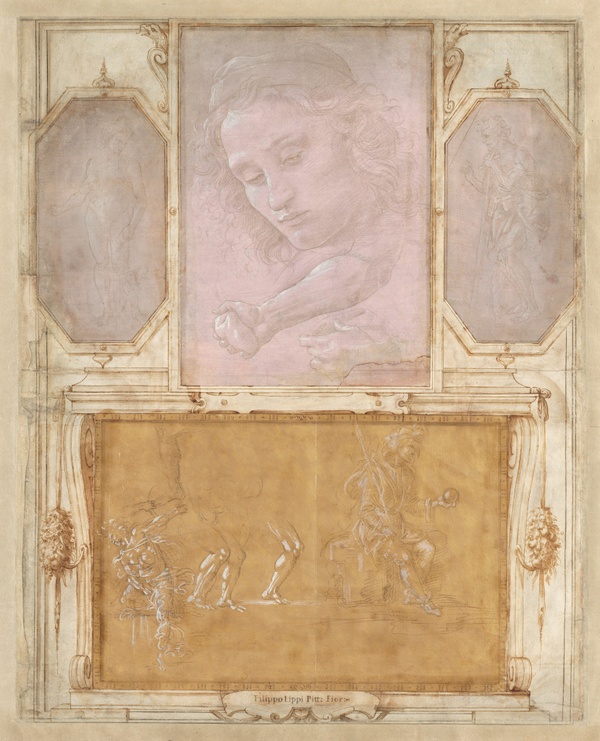
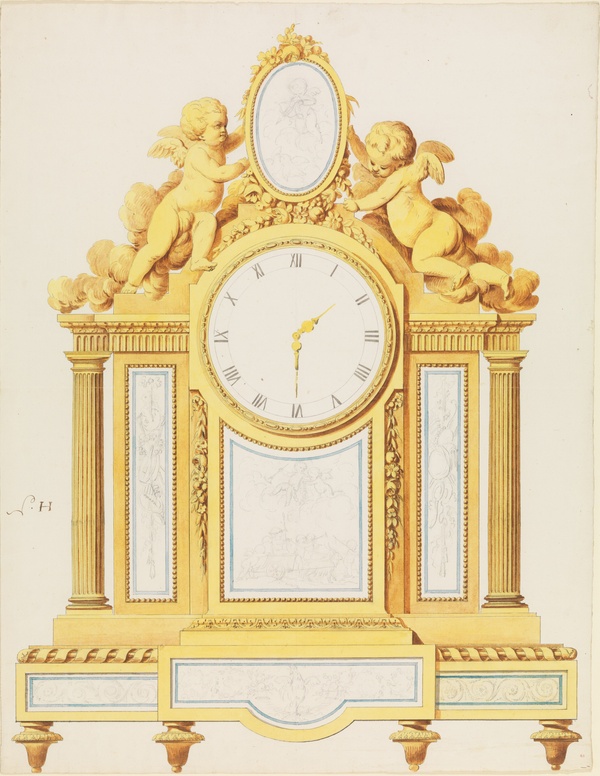
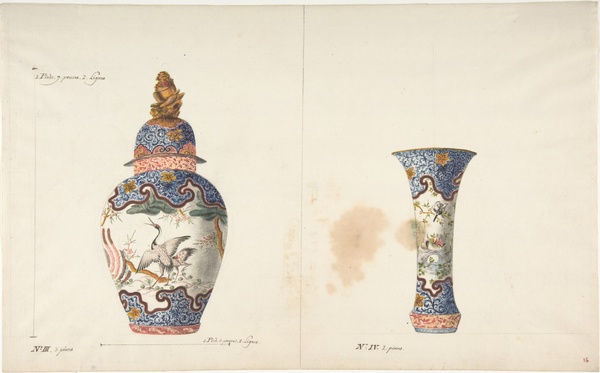
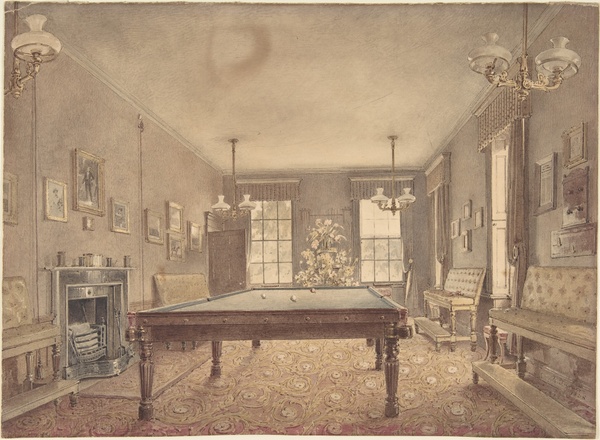
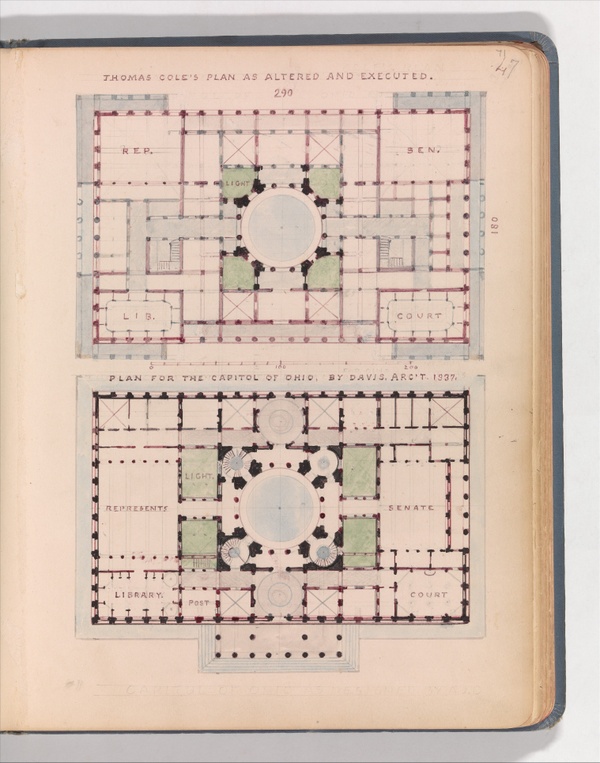
In the hushed silence of the archive, the surface of a page is never truly empty; it is a threshold where thought meets materiality. We begin this journey with the Page from "Libro de' Disegni", a layered testament to the Renaissance belief that drawing is the foundation of all art. This structural obsession continues in the decorative precision of Design for a Clock and Design for Two Vases, where ink seeks to define the limits of objecthood. Architecture, too, is born on the edge: from the domestic elegance of the Interior of the Billiard Room at Lupton House, Devonshire to the rigid authority of Thomas Cole's Plan as Altered and Executed; and Plan for the Capitol of Ohio. The monumental Fabbriche e Disegni (volume I) grounds us in the weight of Neoclassical stone, yet it remains a mere ghost upon the paper.
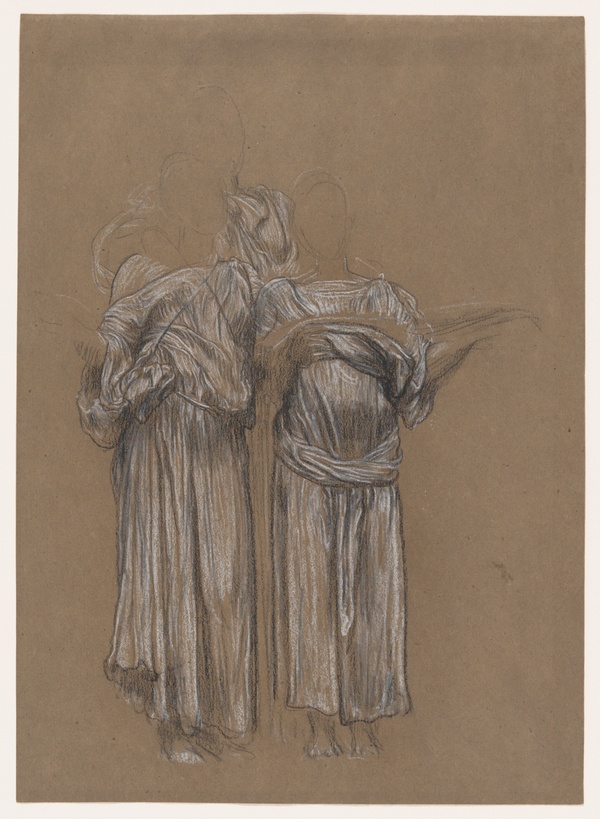
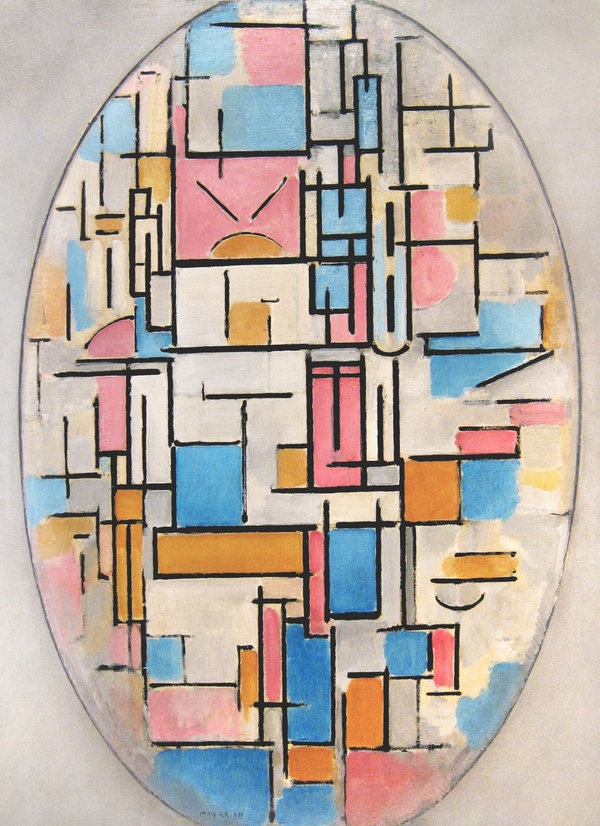
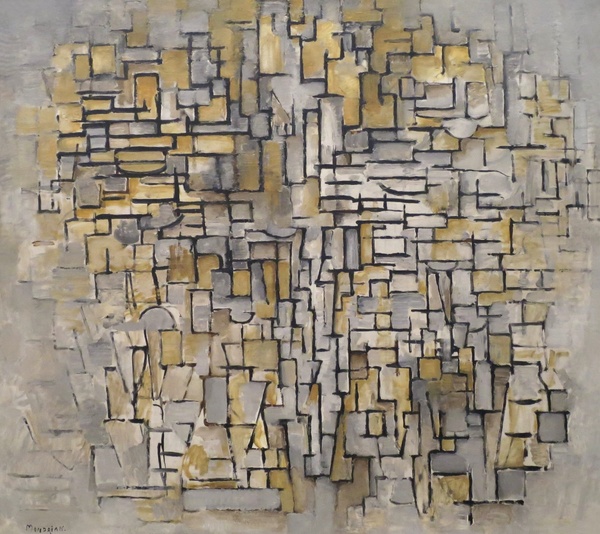
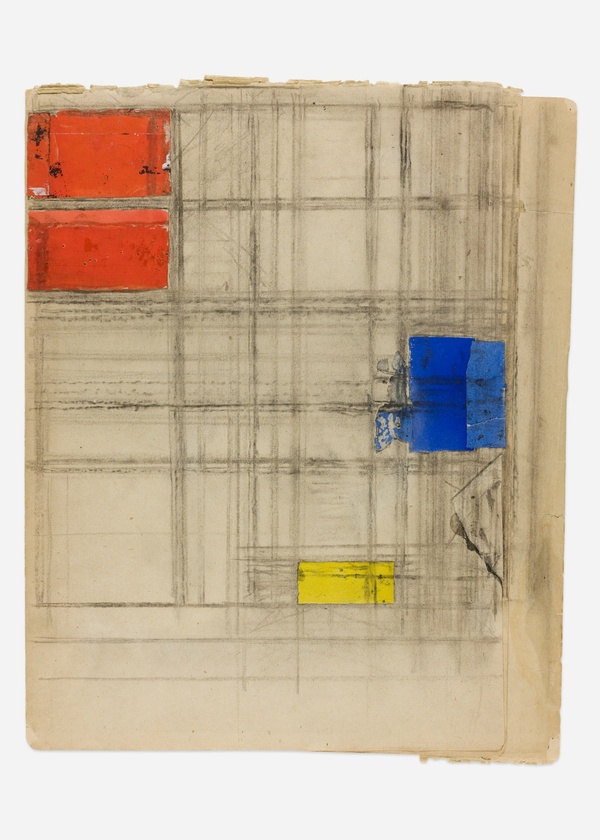
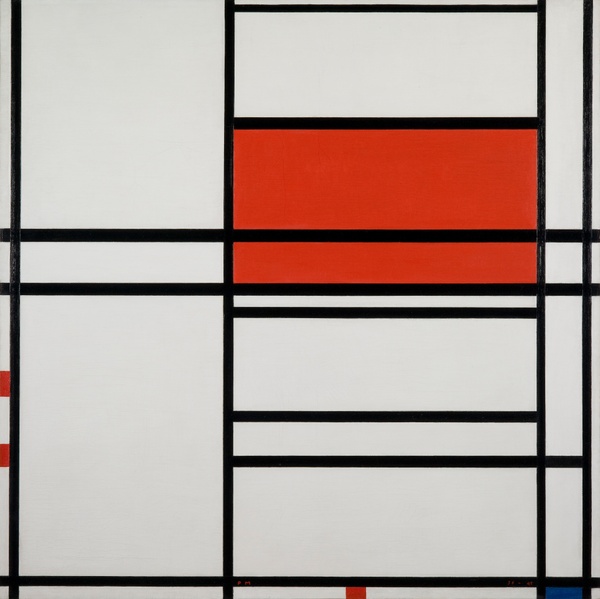
Humanity enters softly in the Study of Three Standing Draped Female Figures for "Music", where chalk creates volume out of nothingness. This sets the stage for the radical reductions of the 20th century. Piet Mondrian’s evolution from the Composition in Oval with Color Planes 1 to the cryptic Tableau No. reveals a mind shedding the literal world. Theo van Doesburg accelerates this process in Composition VIII (The Cow), transforming the organic into the geometric. We witness the labor of this transition in Mondrian’s Study for a Composition, a skeletal grid that eventually breathes in the mature Composition of Red and White: Nom 1 / Composition No. 4 with Red and Blue.
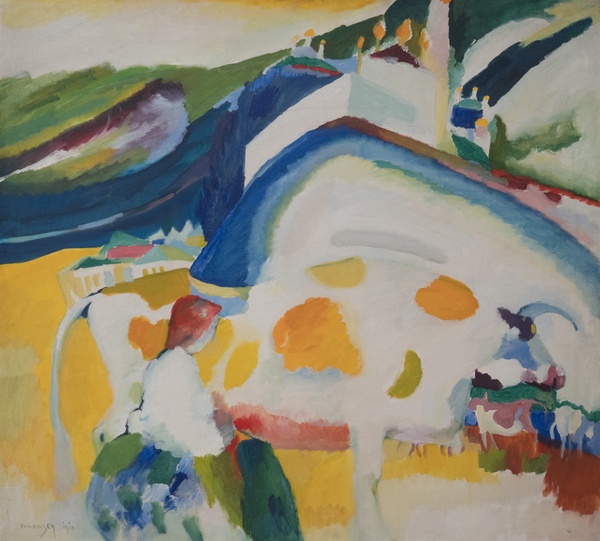
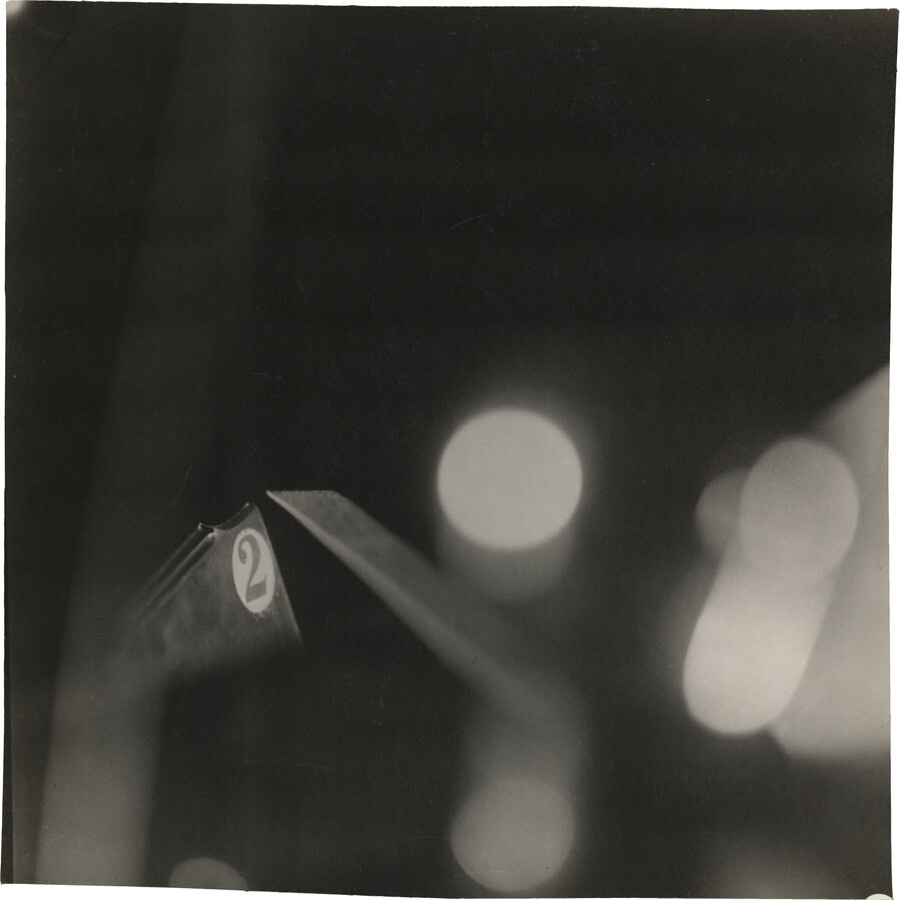
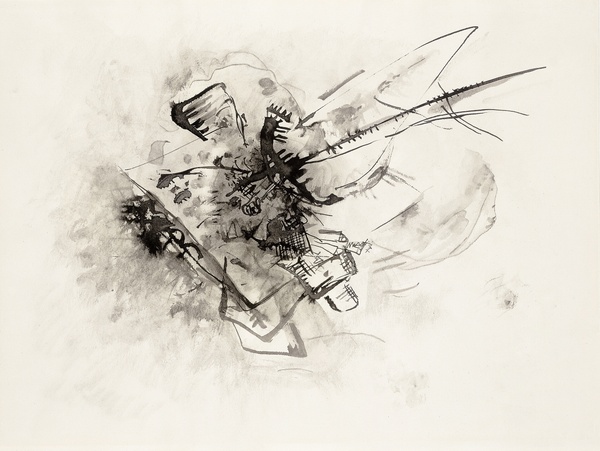
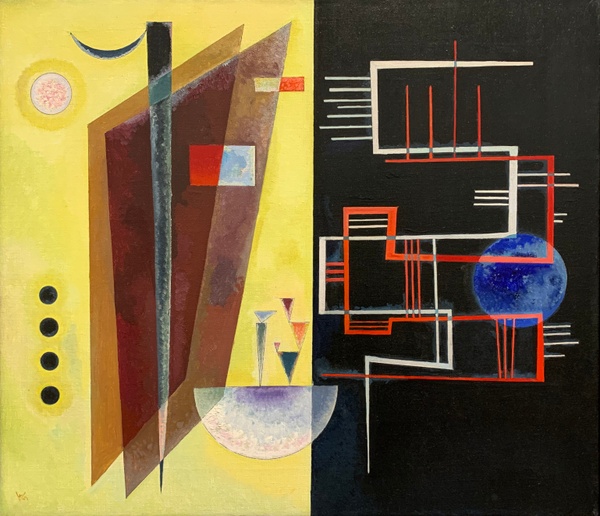
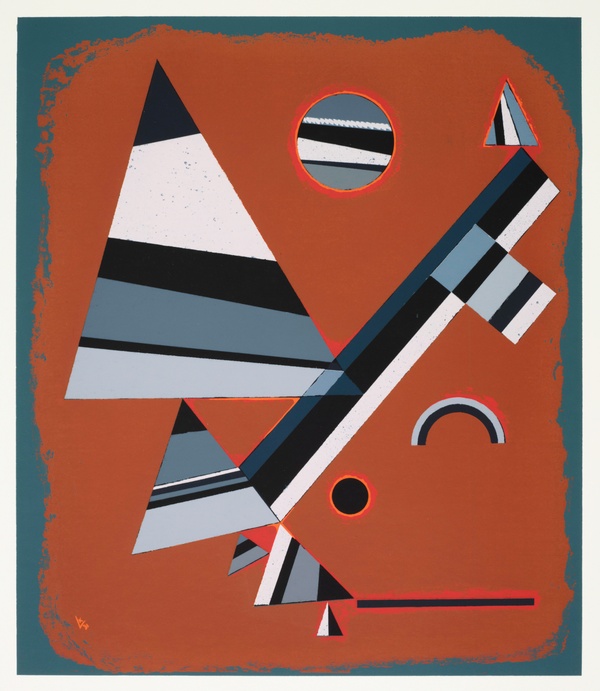
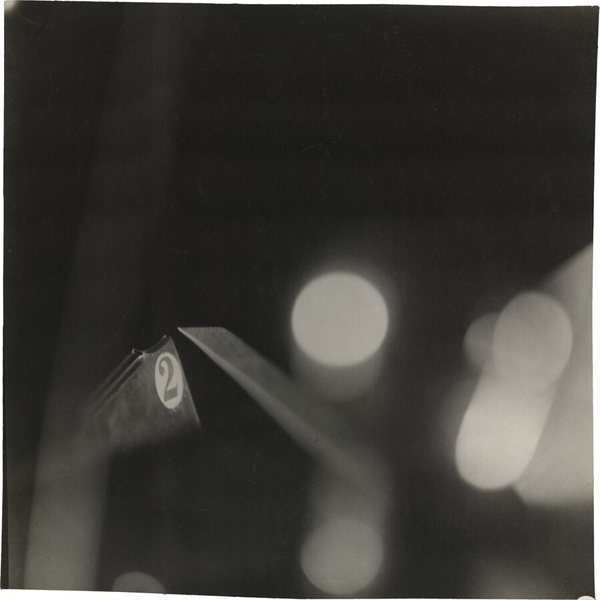
The avant-garde offers a different vibration through light and shadow. Wassily Kandinsky’s early Untitled and his Bauhaus masterpiece Inner Alliance seek a spiritual resonance within the frame, while Gris (Gray) explores the quietude of the void. Jaroslav Rössler captures this same tension in the stark, photographic shadows of Untitled (Composition with Magic Two).
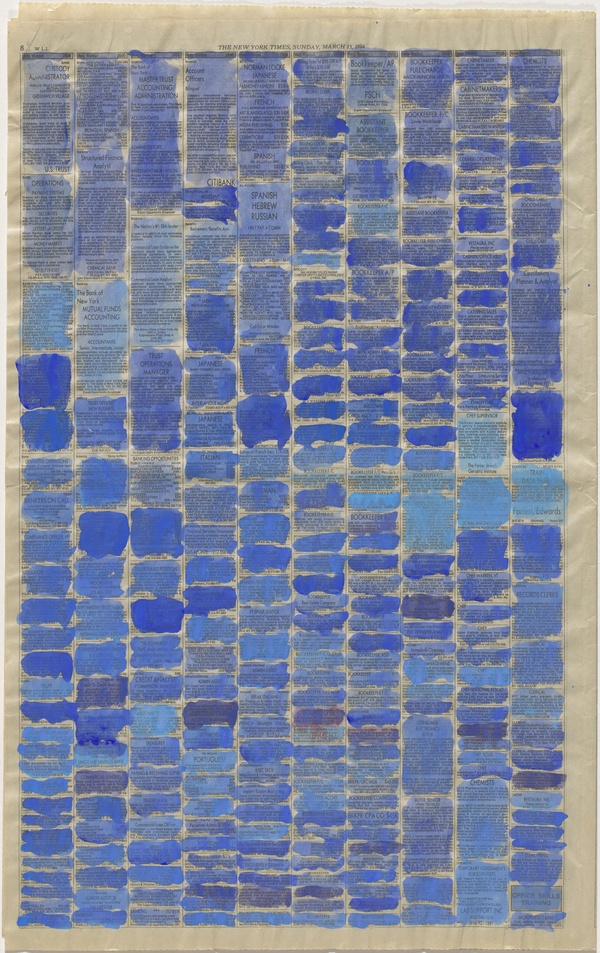
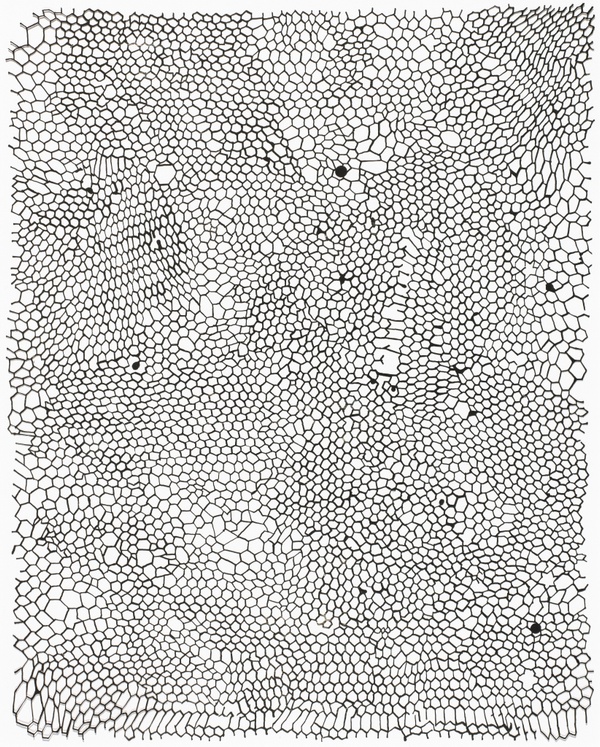
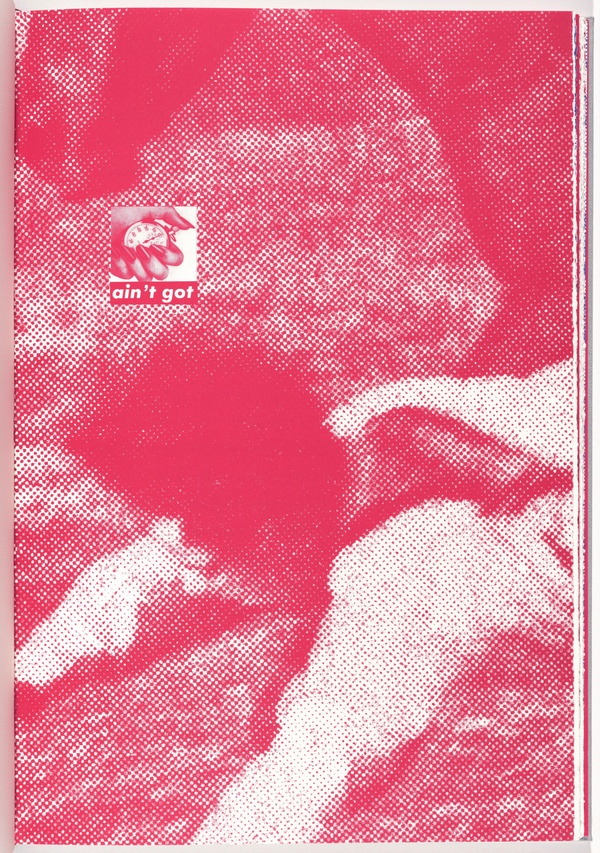
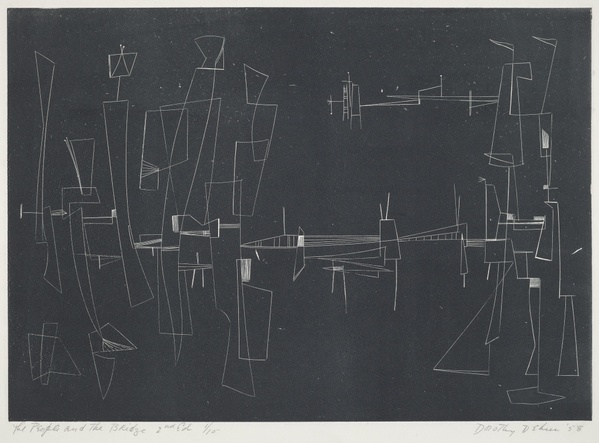
In the contemporary era, the paper itself becomes a site of cultural friction. Stephen Dean’s Untitled (Help Wanted Full Page) - Stephen Dean (1994) finds unexpected luminosity in the mundane, much like the intricate structural entrapment of Untitled (Nets) by Rachel Whiteread. Language and power redefine the edge in Bruce Nauman’s conceptual Untitled and the searing critique of Barbara Kruger’s Untitled. Dorothy Dehner’s The People and the Bridge reminds us that even our urban landscapes are composed of these fragile lines.
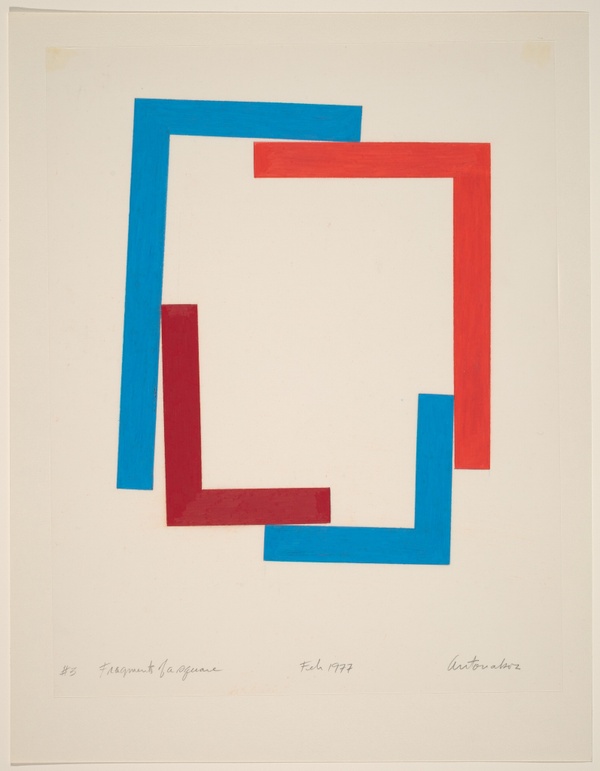
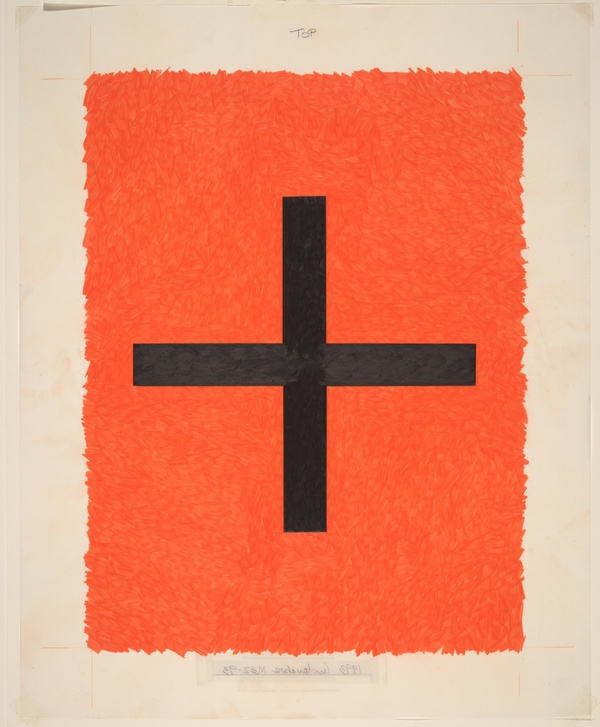
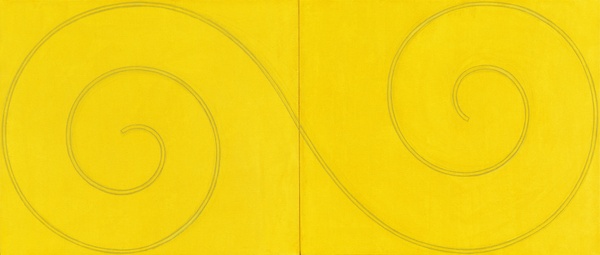
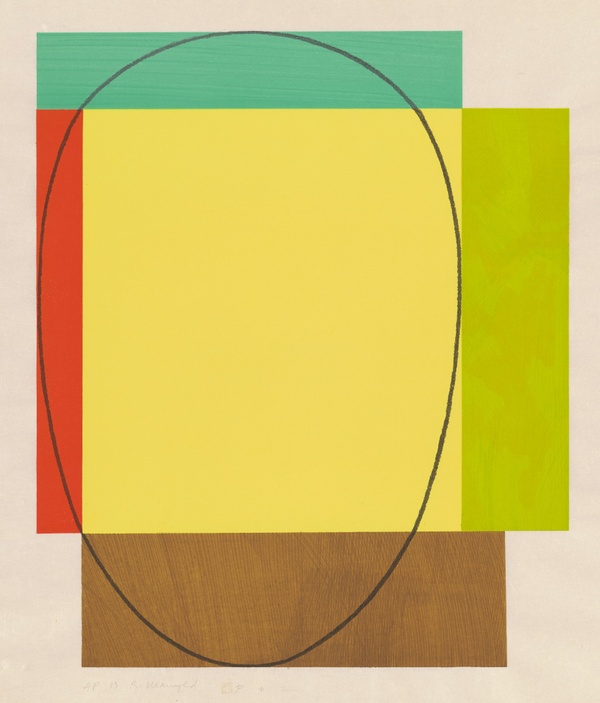
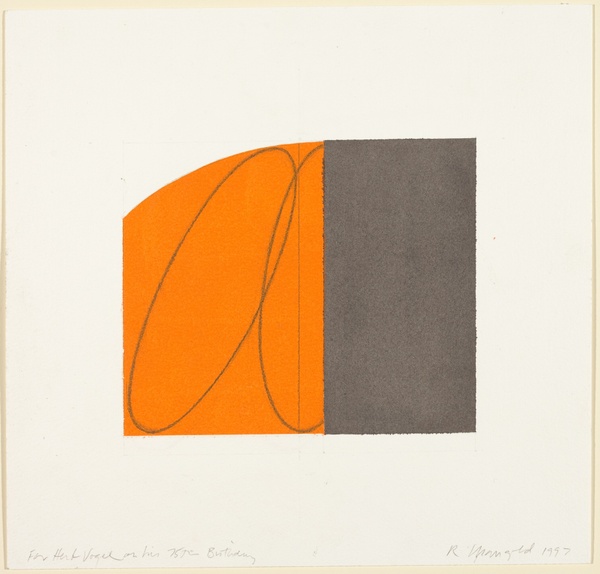
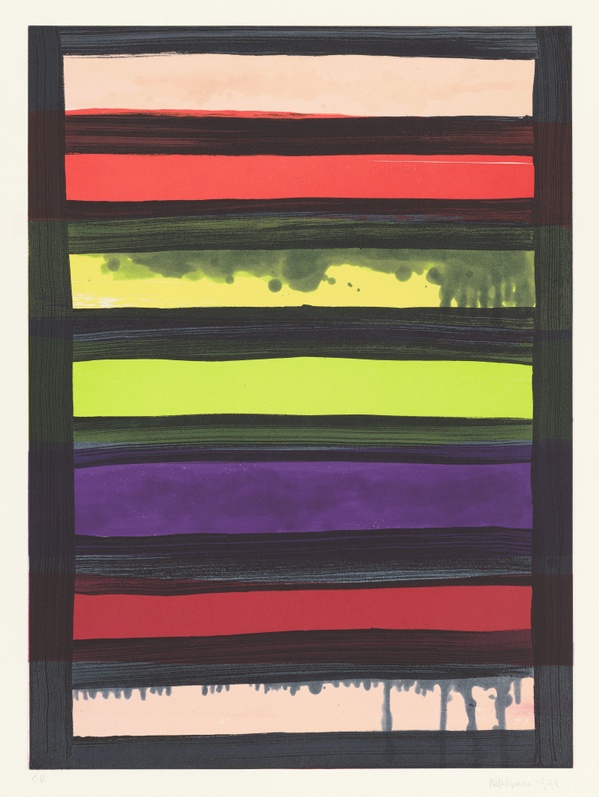
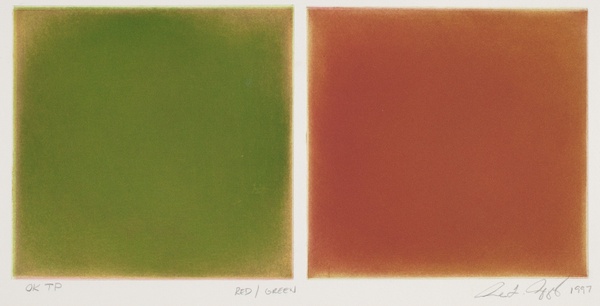
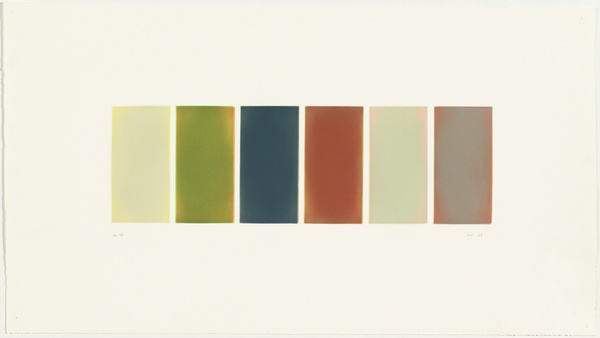
Minimalism brings us back to the pure gesture. Stephen Antonakos explores the periphery in Fragments of a Square #3 and Untitled Drawing M#2 - 93, where color spills beyond the form. Robert Mangold’s hand is visible in the delicate Curled Figure XVIII (study), the bold Five Color Frame, and the intimate gift To Herb on His 75th Birthday. Finally, we find peace in the ephemeral washes of Richard Tuttle’s Music, Mary Heilmann’s Margot, and Anne Appleby’s meditative Red/Green and Verona Suite. Here, at the paper’s edge, the geometry of light finally becomes the horizon.