Curated Collections · 30 artworks · Created July 27, 2026

The Verdigris Dream

A visual alchemy where metallic permanence dissolves into an organic bloom of turquoise and emerald.

Read it as a book

Download the set in 4K — or open it in the MP Art app to send straight to your Frame

The Verdigris Dream

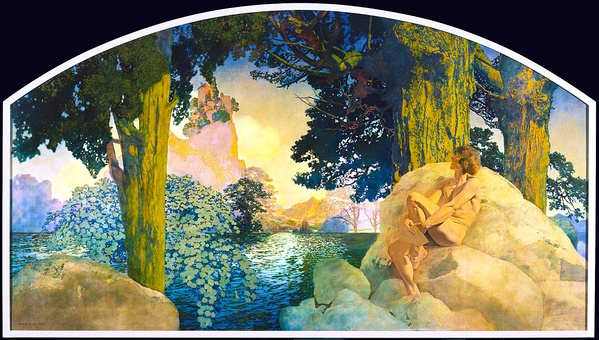
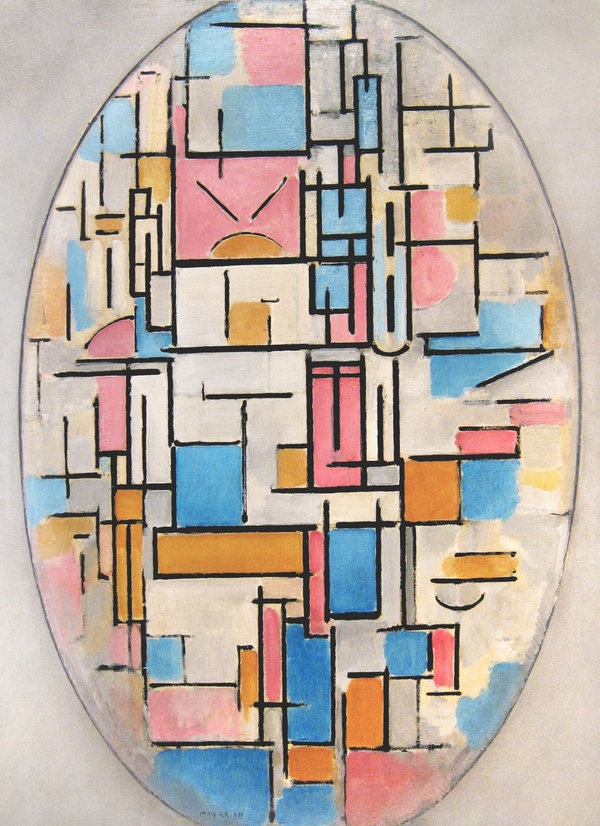
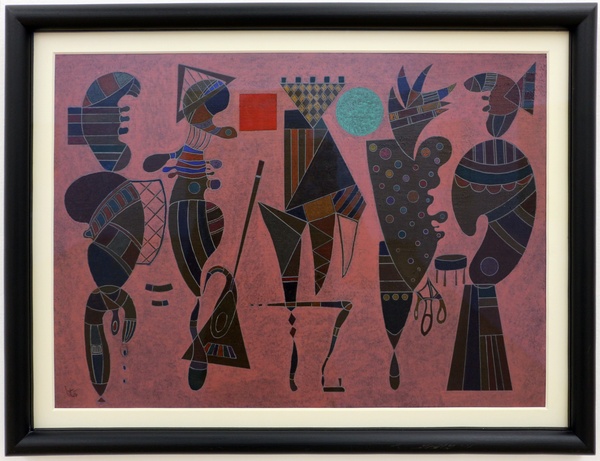
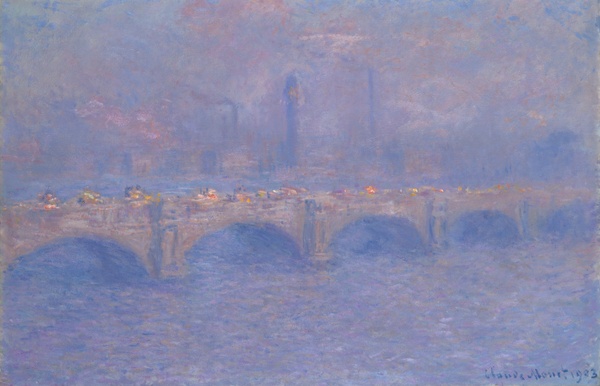
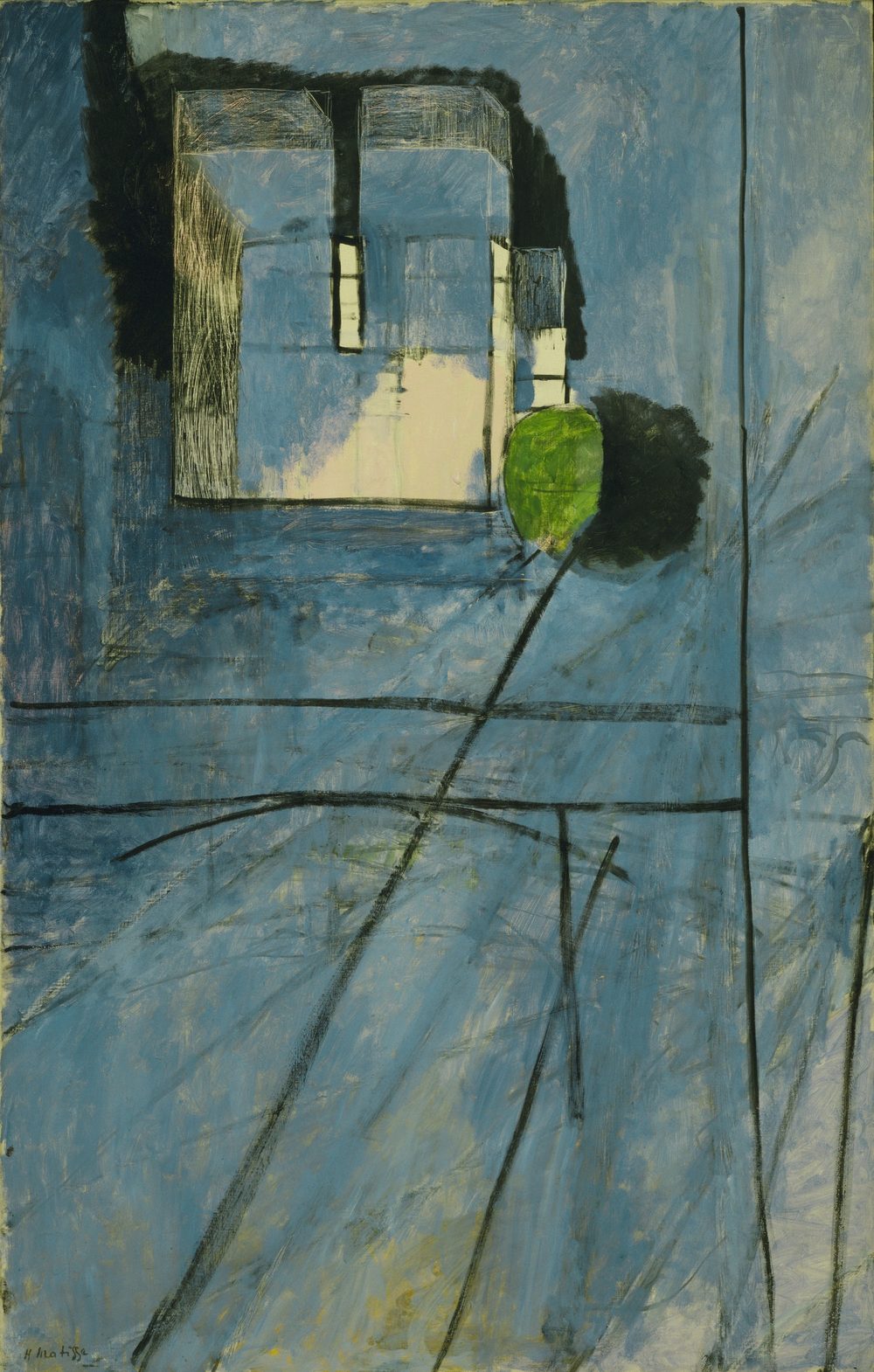
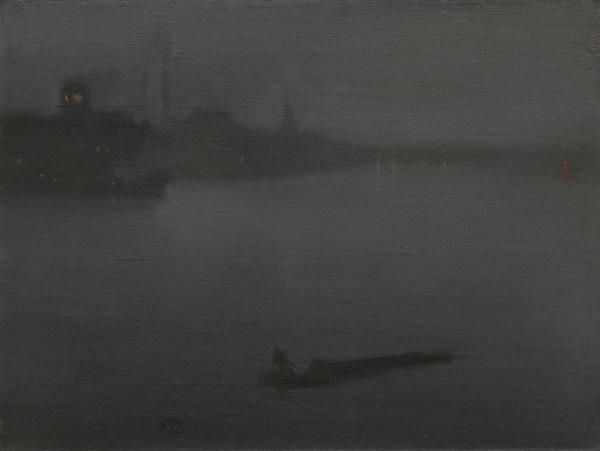
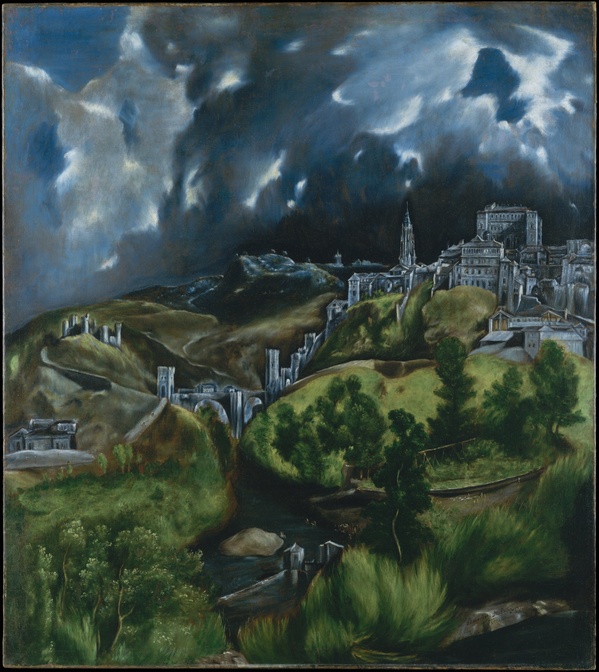
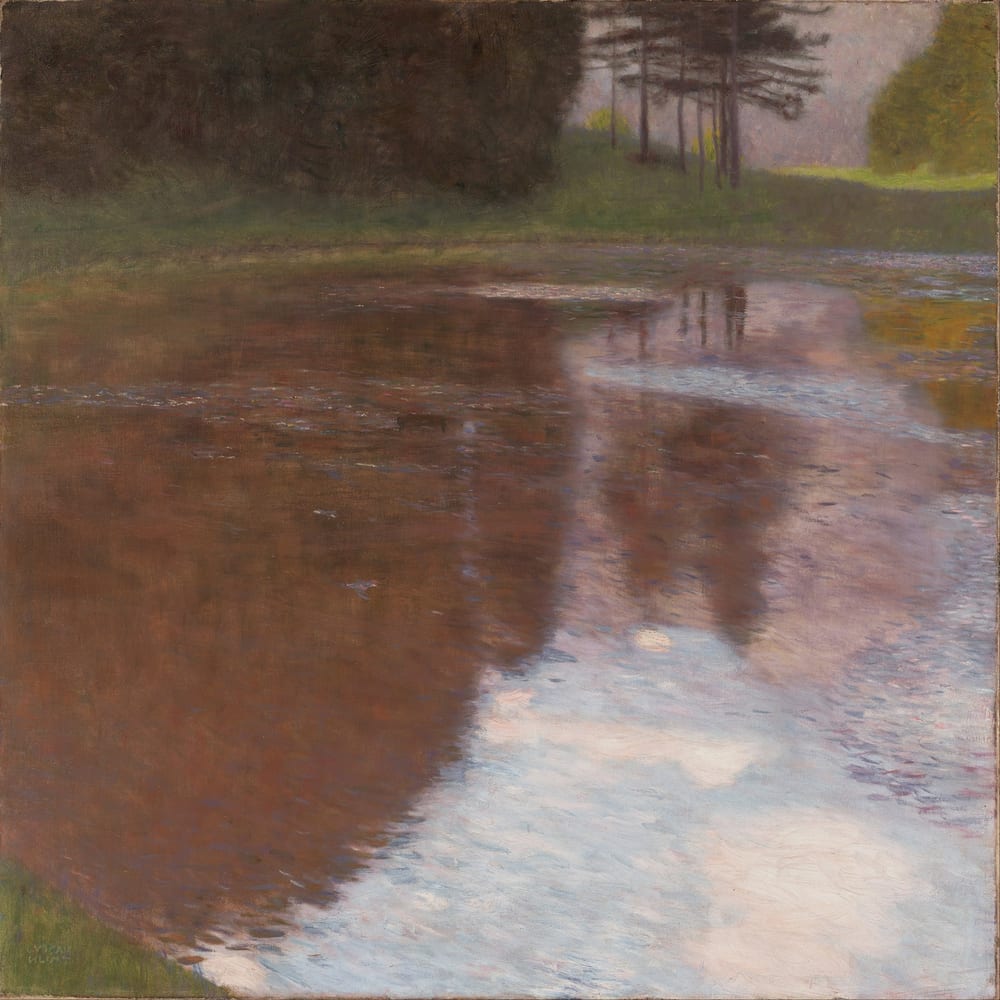
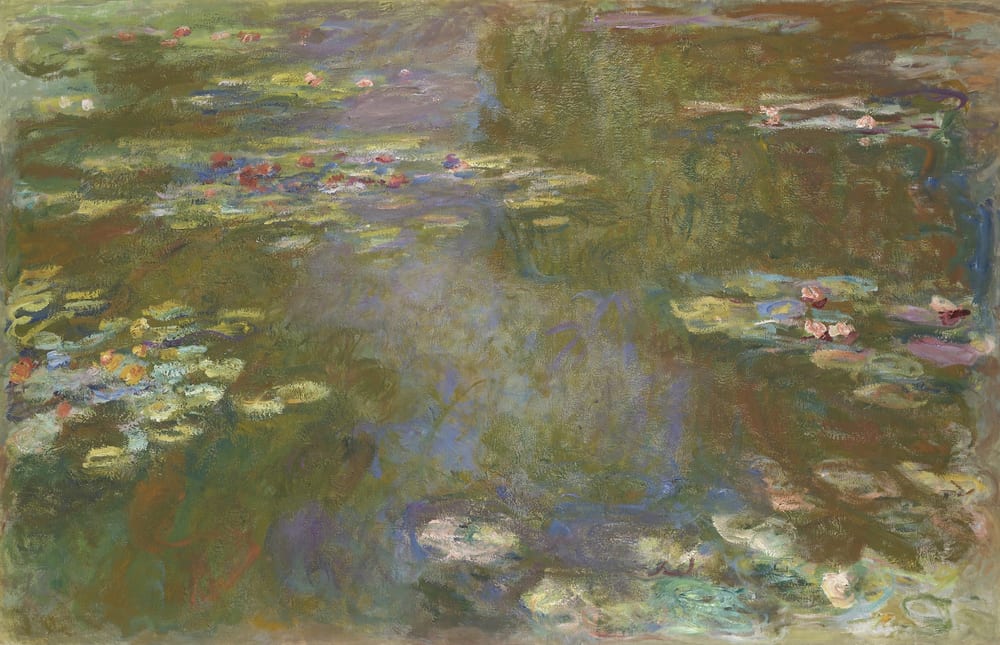
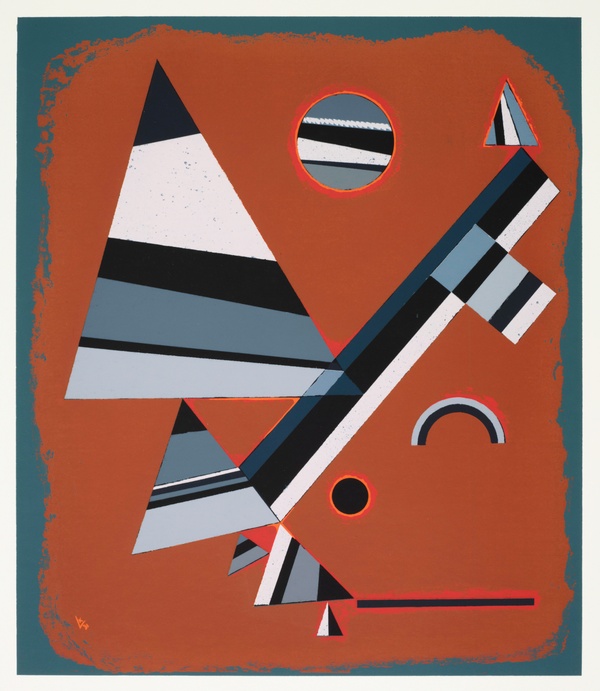
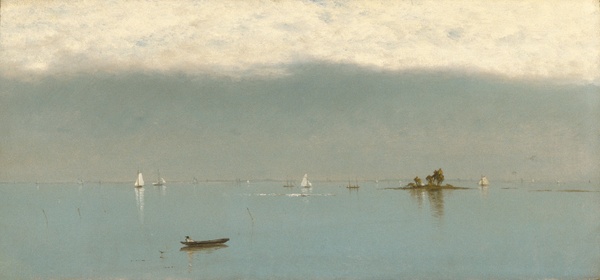
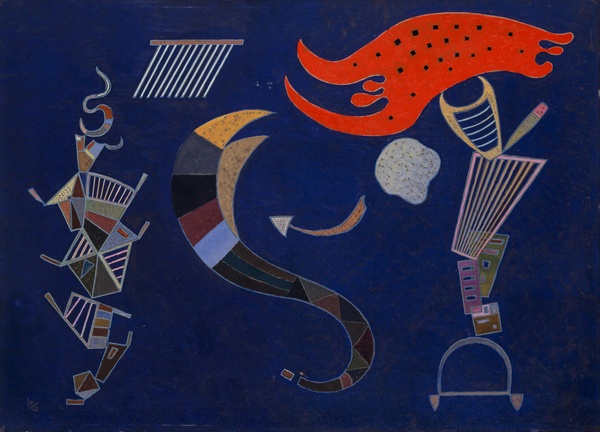
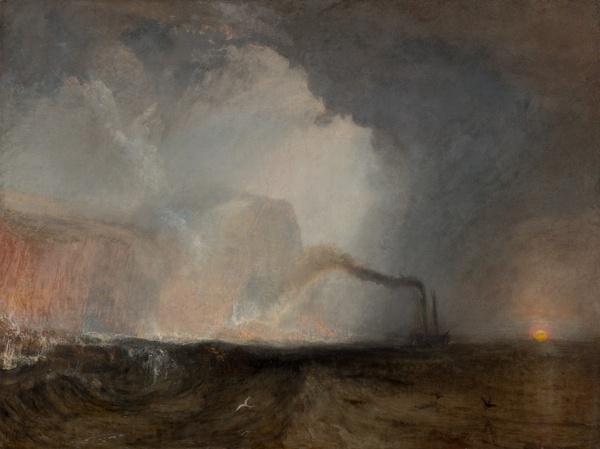
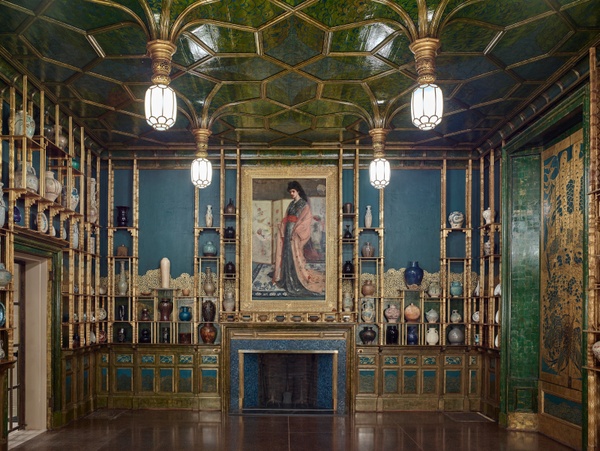
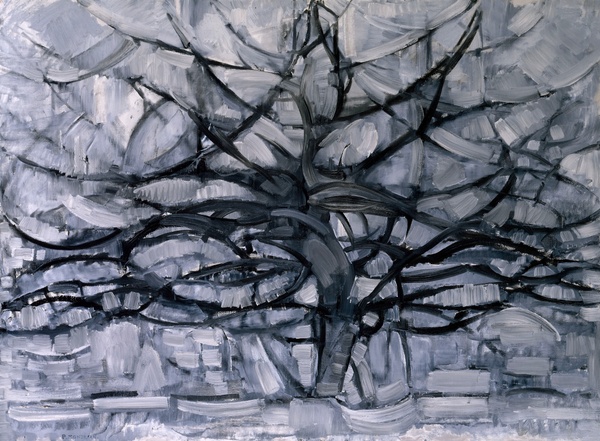
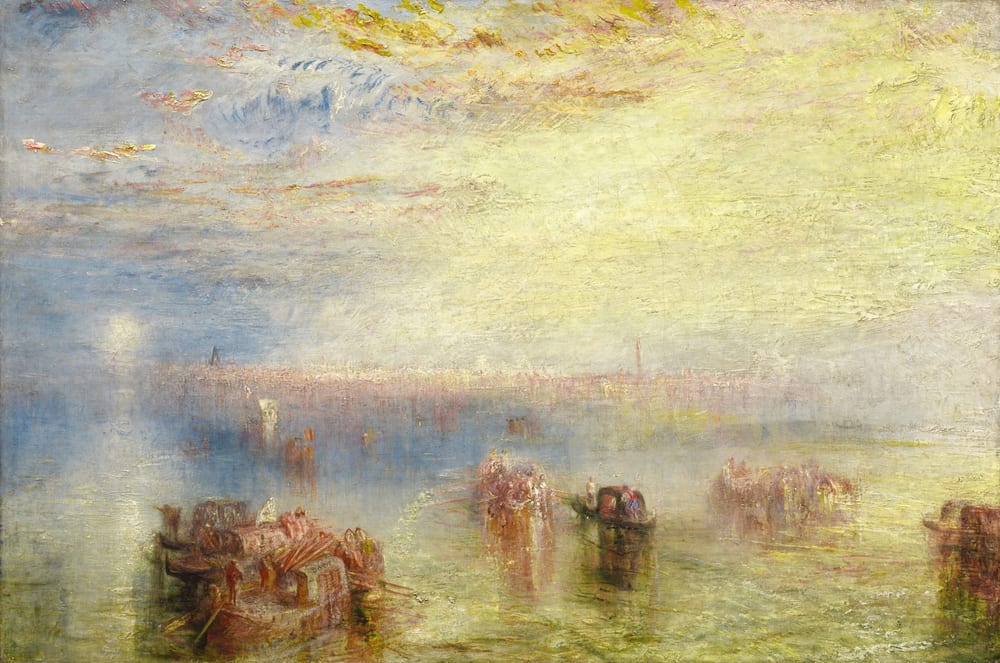
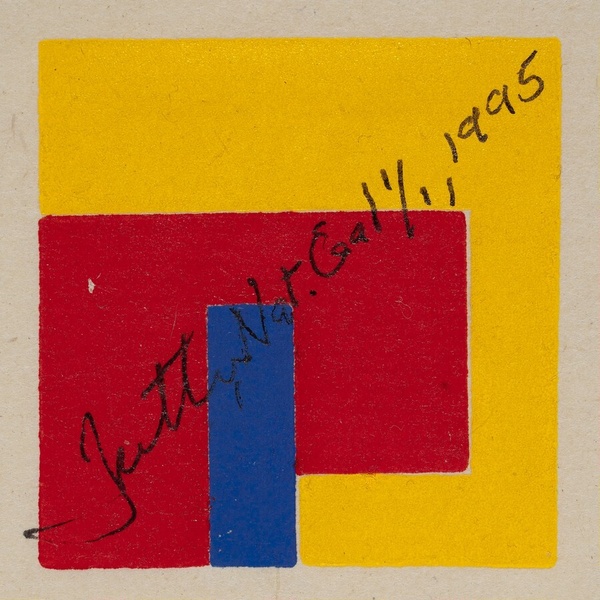
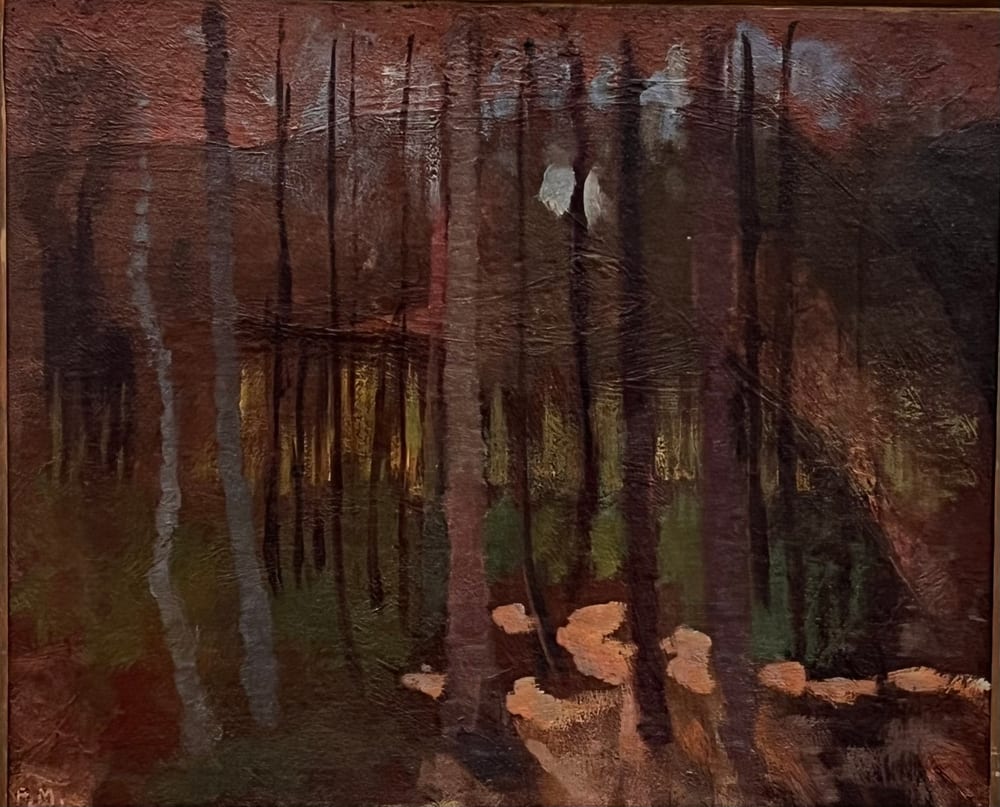
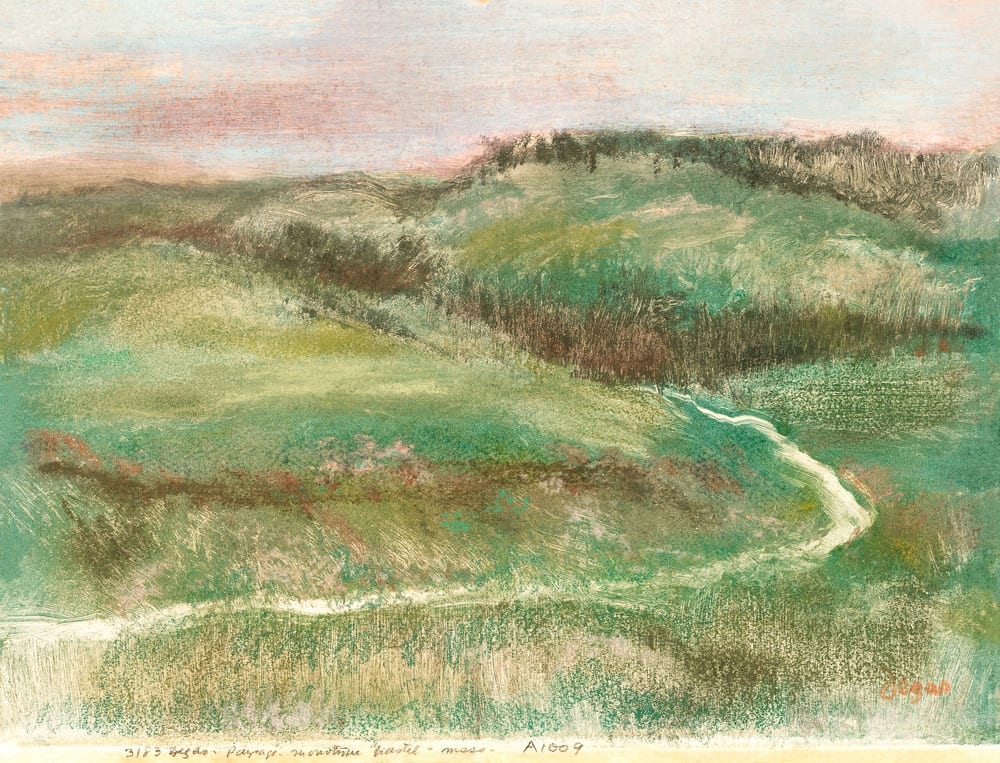
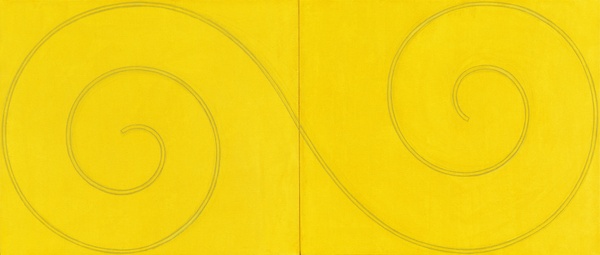
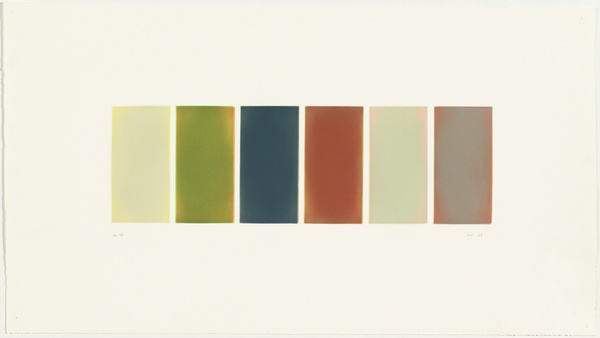
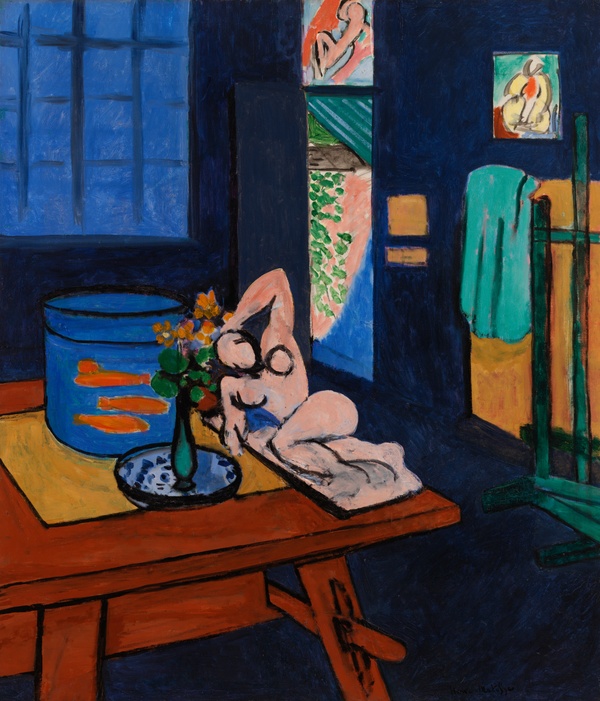
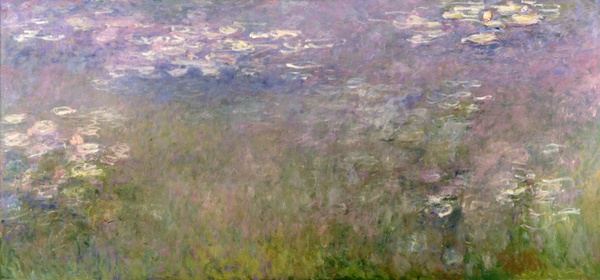
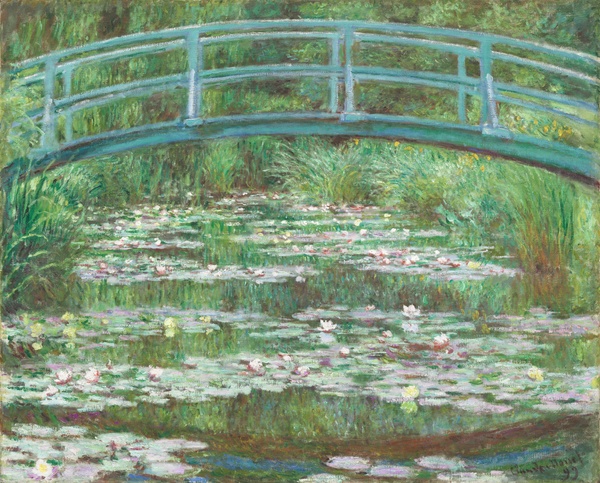
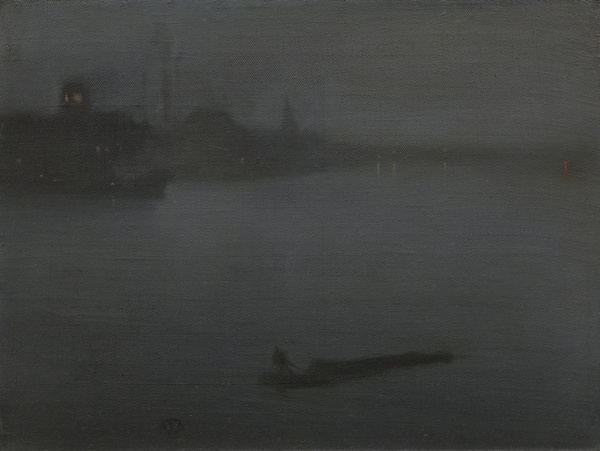
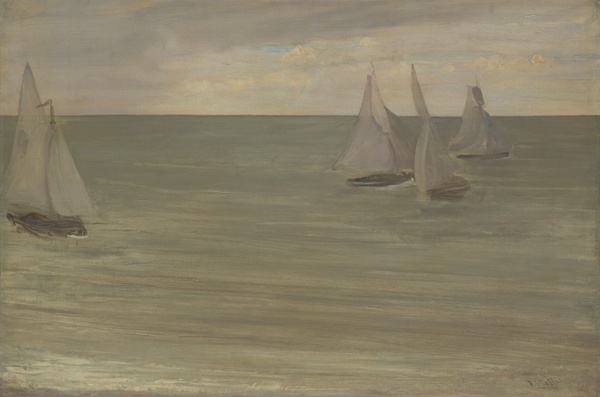
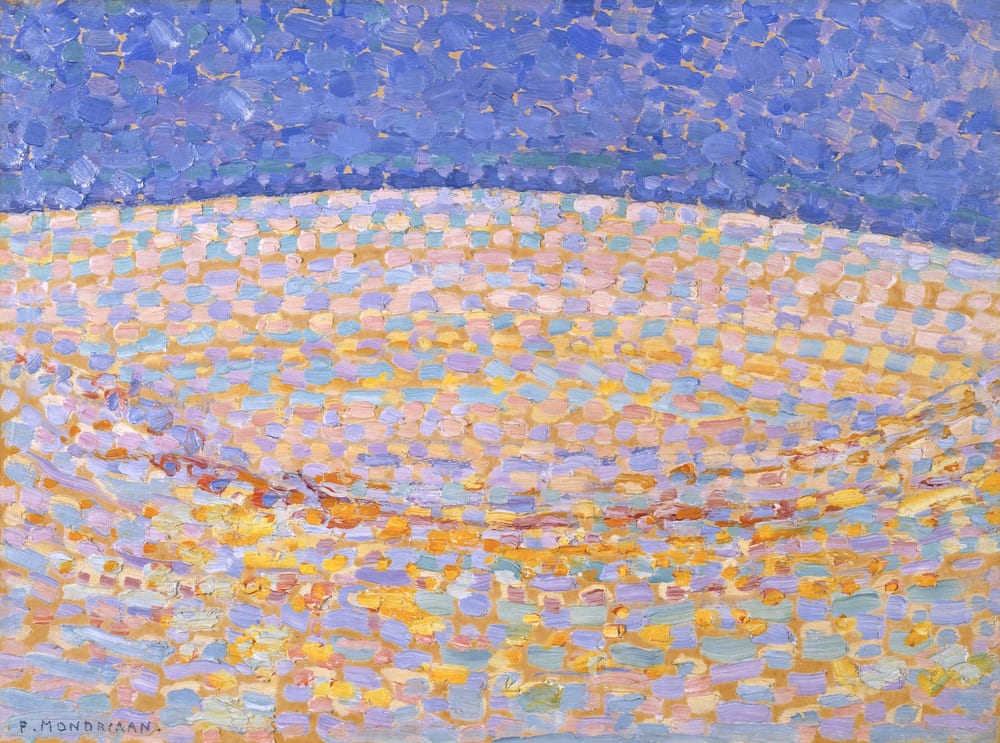
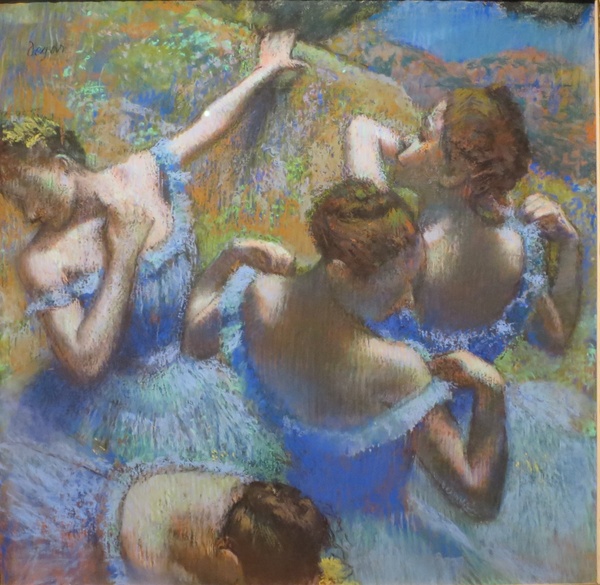
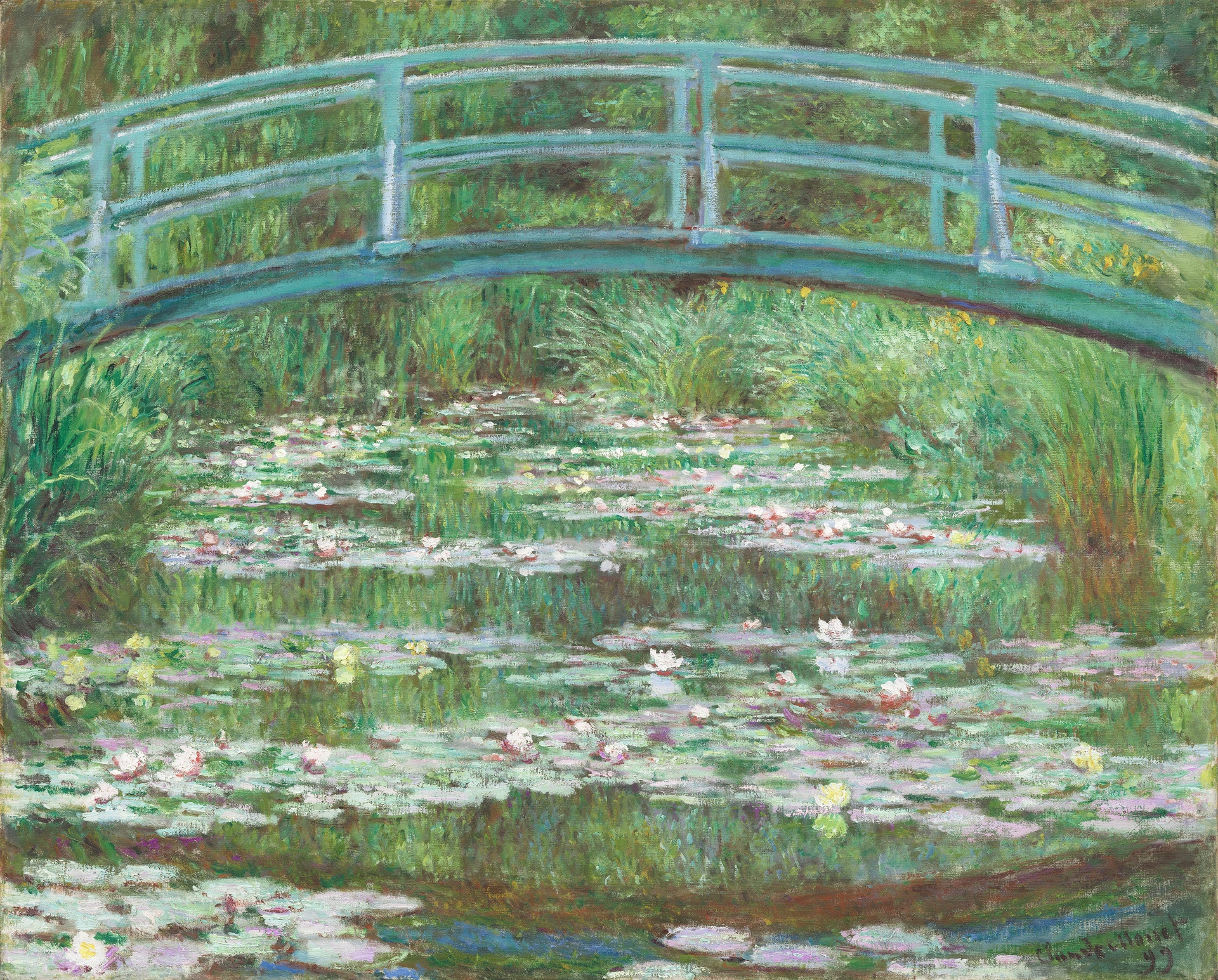
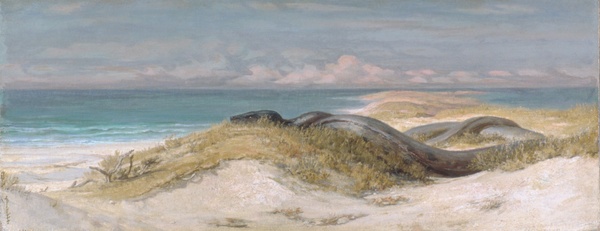
To enter 'The Verdigris Dream' is to witness a slow, beautiful erosion. It begins in the quiet desolation of a Landscape with Drawbridge and Ruin in Moonlight - Caspar David Friedrich (c. early 19th century), where the architecture of man begins its descent into the earth. Nearby, the shore reveals a more ancient mystery in the Lair of the Sea Serpent - Elihu Vedder (1899), a beast that seems to have grown from the sand itself. Yet, if we look up, we see the remnants of idealism in the Dream Castle in the Sky - Maxfield Parrish (1908), shimmering with an unattainable luster. As we move into the 20th century, forms fracture. The city is no longer a solid entity but a series of impressions, as seen in Composition in Oval with Color Planes 1 - Piet Mondrian (1914) and the late-career rhythmic geometry of Complexité simple (Simple Complexity) - Wassily Kandinsky (1939). Light and fog eat away at the stone of the metropolis; Waterloo Bridge, Sunlight Effect - Claude Monet (1903) and Matisse’s skeletal View of Notre-Dame - Henri Matisse (1914) show us buildings becoming ghosts. Whistler captures this transition in his muted Nocturne in Blue and Silver - James McNeill Whistler (1872), where the river and the air become one. Then, the atmosphere turns. In the View of Toledo - El Greco (c. 1598-1600), we see electric greens under an oxidized sky. We find stillness at the Tranquil Pond (Egelsee near Golling, Salzburg) - Gustav Klimt (1899), watching reflections soften into the monumental Water Lily Pond - Claude Monet (c. 1917–1919). The palette shifts to the minimalist Gris (Gray) - Wassily Kandinsky (1931) as we wait for the Passing off of the Storm - John Frederick Kensett (1872). The path forward is marked by the sharp vector of La flèche (The Arrow) - Wassily Kandinsky (1943), leading us into the dark, wet stones of Staffa, Fingal's Cave - J.M.W. Turner (1832). Here, metallic turns into the avian luxury of Harmony in Blue and Gold: The Peacock Room - James McNeill Whistler (1876–1877). Nature begins its final reclamation. The Gray Tree - Piet Mondrian (1911) stretches its limbs toward the horizon, where we find the hazy Approach to Venice - Joseph Mallord William Turner (1844). The air is filled with the subtle Music - Richard Tuttle (1995) of the leaves in the Forest - Piet Mondrian (1898-1899). We walk through a blurred Landscape - Edgar Degas (1892), following the line of the Curled Figure XVIII (study) - Robert Mangold (2002) over the hills of the Verona Suite - Anne Appleby (2003). Inside the Studio with Goldfish (L'Atelier aux poissons rouges) - Henri Matisse (1912), the green of the garden bleeds into the interior. Finally, we submerge into the waters of Giverny. We pass Water Lilies - Claude Monet (ca. 1915–1926) and stand upon The Japanese Footbridge - Claude Monet (1899), surrounded by an emerald bloom. We look back at the twilight of Nocturne in Blue and Silver - James McNeill Whistler (1871/1872) and the seaside of Trouville (Grey and Green, the Silver Sea) - James McNeill Whistler (1865). As we ascend the Dune III - Piet Mondrian (1909), we are left with the swaying memory of Blue Dancers (Danseuses bleues) - Edgar Degas (1897), a final flicker of grace in a world turned to turquoise.
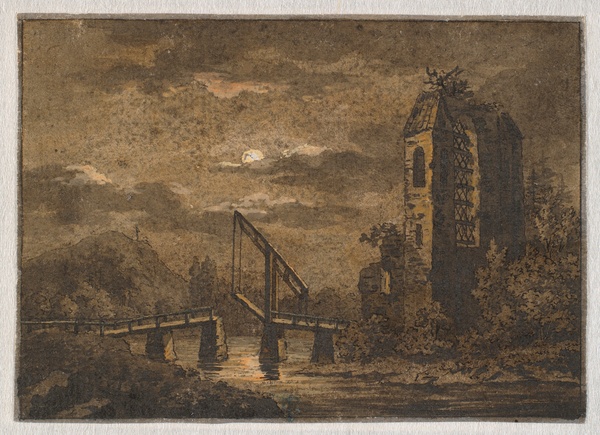
Landscape with Drawbridge and Ruin in Moonlight - Caspar David Friedrich (c. early 19th century)
Landscape with Drawbridge and Ruin in Moonlight - Caspar David Friedrich (c. early 19th century) Caspar David Friedrich
Lair of the Sea Serpent - Elihu Vedder (1899)
Lair of the Sea Serpent - Elihu Vedder (1899) Elihu Vedder
Dream Castle in the Sky - Maxfield Parrish (1908)
Dream Castle in the Sky - Maxfield Parrish (1908) Maxfield Parrish
Composition in Oval with Color Planes 1 - Piet Mondrian (1914)
Composition in Oval with Color Planes 1 - Piet Mondrian (1914) Piet Mondrian
Complexité simple (Simple Complexity) - Wassily Kandinsky (1939)
Complexité simple (Simple Complexity) - Wassily Kandinsky (1939) Wassily Kandinsky
Waterloo Bridge, Sunlight Effect - Claude Monet (1903)
Waterloo Bridge, Sunlight Effect - Claude Monet (1903) Claude Monet
View of Notre-Dame - Henri Matisse (1914)
View of Notre-Dame - Henri Matisse (1914) Henri Matisse
Nocturne in Blue and Silver - James McNeill Whistler (1872)
Nocturne in Blue and Silver - James McNeill Whistler (1872) James McNeill Whistler
View of Toledo - El Greco (c. 1598-1600)
View of Toledo - El Greco (c. 1598-1600) El Greco
Tranquil Pond (Egelsee near Golling, Salzburg) - Gustav Klimt (1899)
Tranquil Pond (Egelsee near Golling, Salzburg) - Gustav Klimt (1899) Gustav Klimt
Water Lily Pond - Claude Monet (c. 1917–1919)
Water Lily Pond - Claude Monet (c. 1917–1919) Claude Monet
Gris (Gray) - Wassily Kandinsky (1931)
Gris (Gray) - Wassily Kandinsky (1931) Wassily Kandinsky
Passing off of the Storm - John Frederick Kensett (1872)
Passing off of the Storm - John Frederick Kensett (1872) John Frederick Kensett
La flèche (The Arrow) - Wassily Kandinsky (1943)
La flèche (The Arrow) - Wassily Kandinsky (1943) Wassily Kandinsky
Staffa, Fingal's Cave - J.M.W. Turner (1832)
Staffa, Fingal's Cave - J.M.W. Turner (1832) J.M.W. Turner
Harmony in Blue and Gold: The Peacock Room - James McNeill Whistler (1876–1877)
Harmony in Blue and Gold: The Peacock Room - James McNeill Whistler (1876–1877) James McNeill Whistler
The Gray Tree - Piet Mondrian (1911)
The Gray Tree - Piet Mondrian (1911) Piet Mondrian
Approach to Venice - Joseph Mallord William Turner (1844)
Approach to Venice - Joseph Mallord William Turner (1844) Joseph Mallord William Turner
Music - Richard Tuttle (1995)
Music - Richard Tuttle (1995) Richard Tuttle
Forest - Piet Mondrian (1898-1899)
Forest - Piet Mondrian (1898-1899) Piet Mondrian
Landscape - Edgar Degas (1892)
Landscape - Edgar Degas (1892) Edgar Degas
Curled Figure XVIII (study) - Robert Mangold (2002)
Curled Figure XVIII (study) - Robert Mangold (2002) Robert Mangold
Verona Suite - Anne Appleby (2003)
Verona Suite - Anne Appleby (2003) Anne Appleby
Studio with Goldfish (L'Atelier aux poissons rouges) - Henri Matisse (1912)
Studio with Goldfish (L'Atelier aux poissons rouges) - Henri Matisse (1912) Henri Matisse
Water Lilies - Claude Monet (ca. 1915–1926)
Water Lilies - Claude Monet (ca. 1915–1926) Claude Monet
The Japanese Footbridge - Claude Monet (1899)
The Japanese Footbridge - Claude Monet (1899) Claude Monet
Nocturne in Blue and Silver - James McNeill Whistler (1871/1872)
Nocturne in Blue and Silver - James McNeill Whistler (1871/1872) James McNeill Whistler
Trouville (Grey and Green, the Silver Sea) - James McNeill Whistler (1865)
Trouville (Grey and Green, the Silver Sea) - James McNeill Whistler (1865) James McNeill Whistler
Dune III - Piet Mondrian (1909)
Dune III - Piet Mondrian (1909) Piet Mondrian
Blue Dancers (Danseuses bleues) - Edgar Degas (1897)
Blue Dancers (Danseuses bleues) - Edgar Degas (1897) Edgar Degas

Artworks in this collection

30 artworks
Landscape with Drawbridge and Ruin in Moonlight - Caspar David Friedrich (c. early 19th century)

Landscape with Drawbridge and Ruin in Moonlight - Caspar David Friedrich (c. early 19th century)

Caspar David Friedrich

Germany

Moonlight casts a cold, verdigris glow over the crumbling architecture, where stone and metal meet the creeping growth of time.

Lair of the Sea Serpent - Elihu Vedder (1899)

Lair of the Sea Serpent - Elihu Vedder (1899)

Elihu Vedder

USA, 1899

The palette of emerald waves and azure mists creates a mysterious, sea-foam texture that feels like a chemical dream of the deep.

Dream Castle in the Sky - Maxfield Parrish (1908)
Premium

Dream Castle in the Sky - Maxfield Parrish (1908)

Maxfield Parrish

USA, 1908

The ethereal 'Parrish Blue' creates a turquoise horizon that feels frozen in a state of crystalline permanence.

Composition in Oval with Color Planes 1 - Piet Mondrian (1914)
Premium

Composition in Oval with Color Planes 1 - Piet Mondrian (1914)

Piet Mondrian

Netherlands, 1914

The muted, earthy teals and chalky white color planes evoke the feel of a weathered metallic plate or architectural fragment.

Complexité simple (Simple Complexity) - Wassily Kandinsky (1939)
Premium

Complexité simple (Simple Complexity) - Wassily Kandinsky (1939)

Wassily Kandinsky

Russia, 1939

Chalky, lunar-esque shapes in azure and emerald represent an abstract, geometric chemical dream.

Waterloo Bridge, Sunlight Effect - Claude Monet (1903)
Premium

Waterloo Bridge, Sunlight Effect - Claude Monet (1903)

Claude Monet

France, 1903

The atmospheric teal haze blurs the industrial bridge and the river into a single sea-foam colored vision.

View of Notre-Dame - Henri Matisse (1914)
Premium

View of Notre-Dame - Henri Matisse (1914)

Henri Matisse

France, 1914

Matisse uses simplified blocks of turquoise and azure to present a modern meditation on the city's metallic and atmospheric colors.

Nocturne in Blue and Silver - James McNeill Whistler (1872)
Premium

Nocturne in Blue and Silver - James McNeill Whistler (1872)

James McNeill Whistler

United States, 1872

A masterful representation of the sea turning into a metallic, lunar expanse of azure, capturing the 'chemical embrace' of night and water.

View of Toledo - El Greco (c. 1598-1600)
Premium

View of Toledo - El Greco (c. 1598-1600)

El Greco

Greece, 1599

The electric, almost phosphorescent greens and deep azures of the landscape evoke a mineral-like, oxidized transformation of the Earth, typical of advanced verdigris.

Tranquil Pond (Egelsee near Golling, Salzburg) - Gustav Klimt (1899)

Tranquil Pond (Egelsee near Golling, Salzburg) - Gustav Klimt (1899)

Gustav Klimt

Austria, 1899

The dense application of emerald and teal dots mimics the crystalline growth and organic bloom of a chemical patina on a still surface.

Water Lily Pond - Claude Monet (c. 1917–1919)

Water Lily Pond - Claude Monet (c. 1917–1919)

Claude Monet

France, 1917

The intense turquoise and teal hues in this late work represent the intersection of organic life and the vibrant colors of mineral decay.

Gris (Gray) - Wassily Kandinsky (1931)

Gris (Gray) - Wassily Kandinsky (1931)

Wassily Kandinsky

Russia, 1931

This geometric work uses azures and teals to create a sense of metallic permanence and crystalline structure.

Passing off of the Storm - John Frederick Kensett (1872)

Passing off of the Storm - John Frederick Kensett (1872)

John Frederick Kensett

USA, 1872

A serene landscape of azure and silver, capturing the quiet, lunar-like stillness of a world transformed by light and salt.

La flèche (The Arrow) - Wassily Kandinsky (1943)
Premium

La flèche (The Arrow) - Wassily Kandinsky (1943)

Wassily Kandinsky

Russia, 1943

Biomorphic shapes swim in a sea of turquoise and azure, resembling the microscopic patterns of oxidation found on weathered bronze.

Staffa, Fingal's Cave - J.M.W. Turner (1832)

Staffa, Fingal's Cave - J.M.W. Turner (1832)

J.M.W. Turner

United Kingdom, 1832

The dark teal rocks and sea-foam spray illustrate the violent chemical embrace of salt air and ancient stone.

Harmony in Blue and Gold: The Peacock Room - James McNeill Whistler (1876–1877)
Premium

Harmony in Blue and Gold: The Peacock Room - James McNeill Whistler (1876–1877)

James McNeill Whistler

United States, 1876

The definitive expression of the theme; a total immersion in turquoise and peacock-teal that represents the intersection of metallic opulence and organic patina.

The Gray Tree - Piet Mondrian (1911)

The Gray Tree - Piet Mondrian (1911)

Piet Mondrian

Netherlands, 1911

The cubist interpretation of the tree features a chalky, lunar patina palette that suggests a landscape dissolving into mineral essence.

Approach to Venice - Joseph Mallord William Turner (1844)
Premium

Approach to Venice - Joseph Mallord William Turner (1844)

Joseph Mallord William Turner

United Kingdom, 1844

Venice is depicted as a shimmering mirage of turquoise and sea-foam green, where the city seems to be dissolving into its own lagoon.

Music - Richard Tuttle (1995)
Premium

Music - Richard Tuttle (1995)

Richard Tuttle

USA, 1995

A minimalist take on the turquoise and sea-foam palette, focusing on the purity of the verdigris hue.

Forest - Piet Mondrian (1898-1899)

Forest - Piet Mondrian (1898-1899)

Piet Mondrian

Netherlands, 1898

The palette is dominated by deep verdigris and emerald tones, suggesting a forest that has been calcified and weathered by time.

Landscape - Edgar Degas (1892)
Premium

Landscape - Edgar Degas (1892)

Edgar Degas

France, 1892

The mixed media creates a dry, chalky texture that perfectly replicates the appearance of a lunar landscape of emerald oxidation.

Curled Figure XVIII (study) - Robert Mangold (2002)
Premium

Curled Figure XVIII (study) - Robert Mangold (2002)

Robert Mangold

USA, 2002

The specific shade of azure used here evokes a pure copper sulfate crystal, representing the start of the metallic transformation.

Verona Suite - Anne Appleby (2003)

Verona Suite - Anne Appleby (2003)

Anne Appleby

USA, 2003

This contemporary work utilizes minimal sea-foam and teal color fields to evoke the raw essence of the chemical patina.

Studio with Goldfish (L'Atelier aux poissons rouges) - Henri Matisse (1912)
Premium

Studio with Goldfish (L'Atelier aux poissons rouges) - Henri Matisse (1912)

Henri Matisse

France, 1912

The dominant turquoise interior suggests a domestic space submerged in a dream of oxidized copper and water.

Water Lilies - Claude Monet (ca. 1915–1926)
Premium

Water Lilies - Claude Monet (ca. 1915–1926)

Claude Monet

France, 1915

Layers of emerald and teal paint resemble the organic growth of algae or copper oxidation spreading across a pond's surface.

The Japanese Footbridge - Claude Monet (1899)

The Japanese Footbridge - Claude Monet (1899)

Claude Monet

France, 1899

The bridge and water merge into a single, vibrant teal ecosystem, echoing the theme of metallic structures overtaken by the organic.

Nocturne in Blue and Silver - James McNeill Whistler (1871/1872)
Premium

Nocturne in Blue and Silver - James McNeill Whistler (1871/1872)

James McNeill Whistler

United States, 1872

A masterful use of azure and silver to depict a river scene losing its solid form to a thick, sea-foam mist.

Trouville (Grey and Green, the Silver Sea) - James McNeill Whistler (1865)
Premium

Trouville (Grey and Green, the Silver Sea) - James McNeill Whistler (1865)

James McNeill Whistler

United States, 1865

The juxtaposition of grey and green with a 'silver sea' mimics the interaction of polished metal and the creeping growth of patina.

Dune III - Piet Mondrian (1909)
Premium

Dune III - Piet Mondrian (1909)

Piet Mondrian

Netherlands, 1909

The simplified, chalky landscape captures the intersection of organic dunes and a lunar, teal-tinged atmospheric light.

Blue Dancers (Danseuses bleues) - Edgar Degas (1897)
Premium

Blue Dancers (Danseuses bleues) - Edgar Degas (1897)

Edgar Degas

France, 1897

Vibrant azure and teal dresses create a swirling, sea-foam visual effect against the dark, stage-lit background.

Discover more curated collections

View all collections