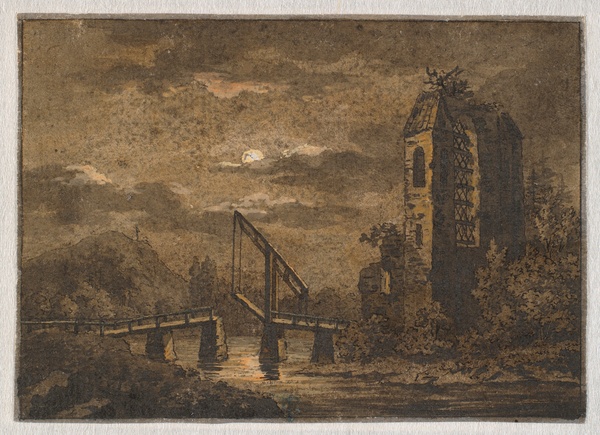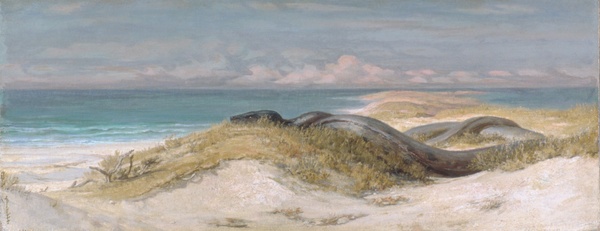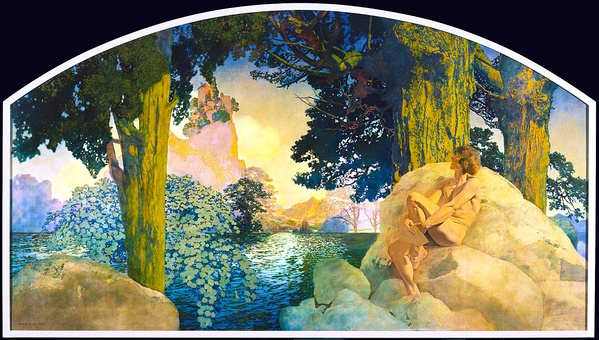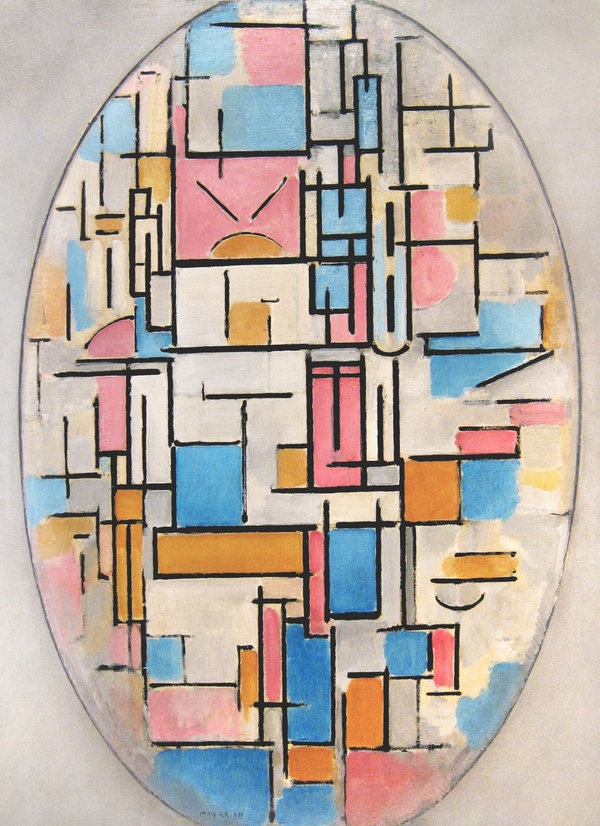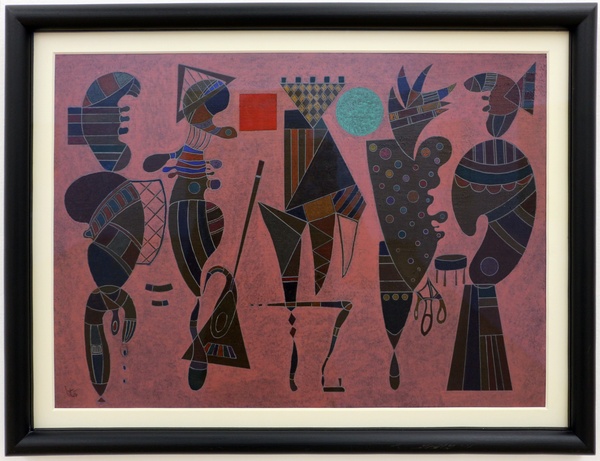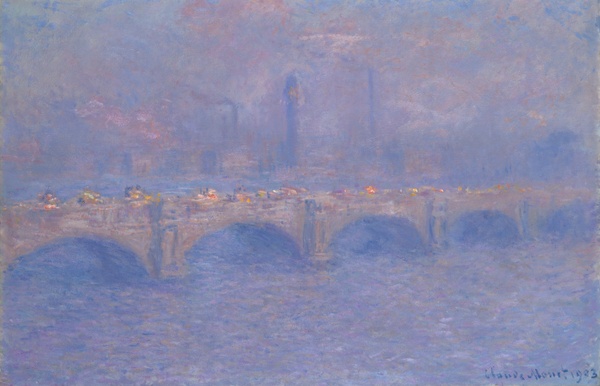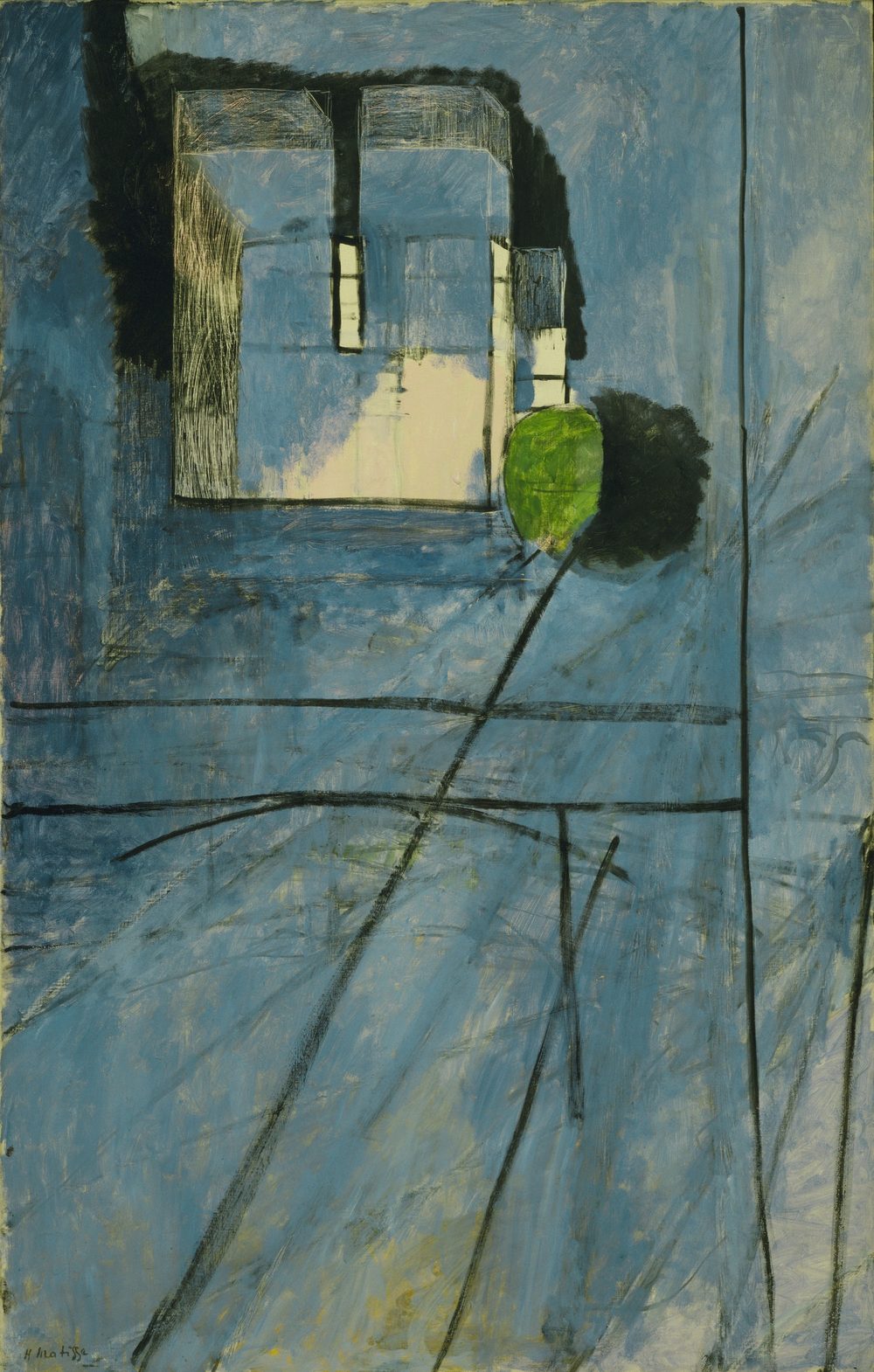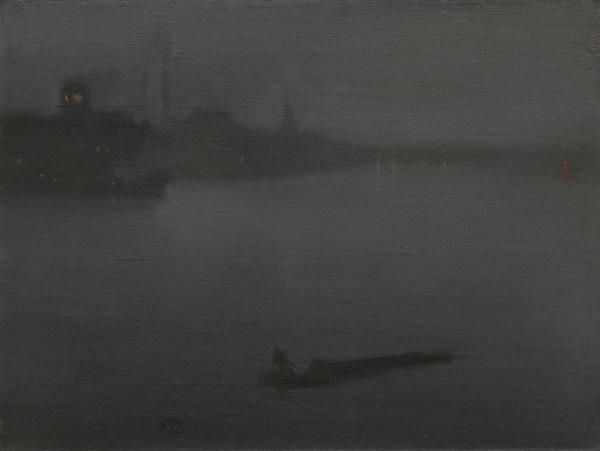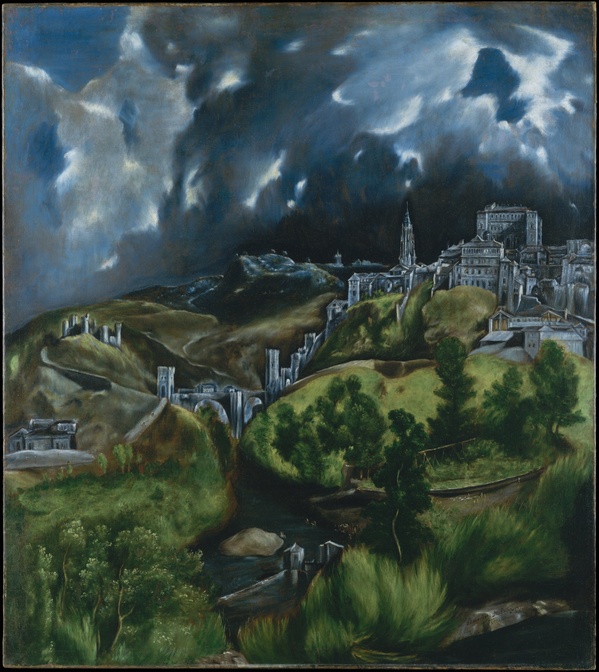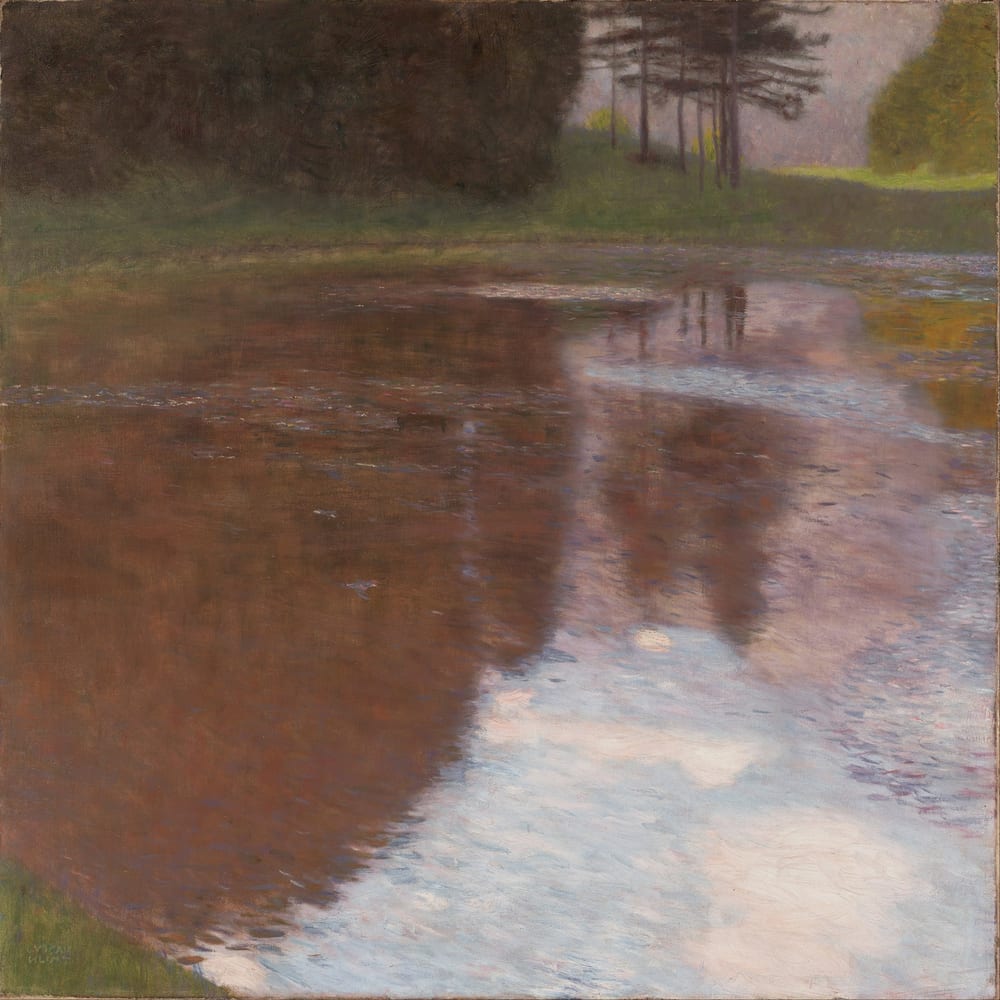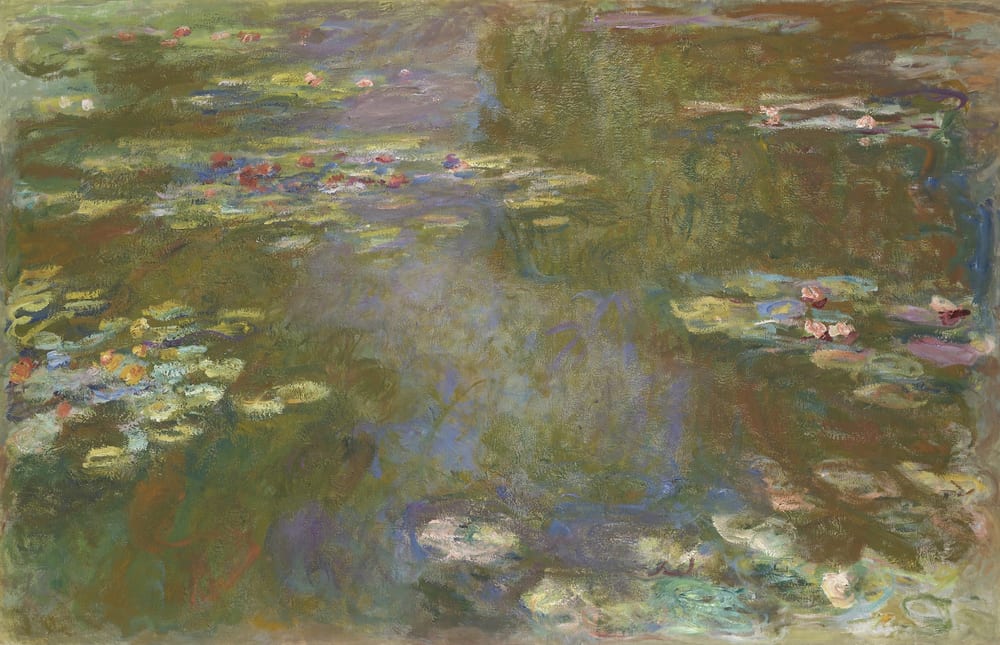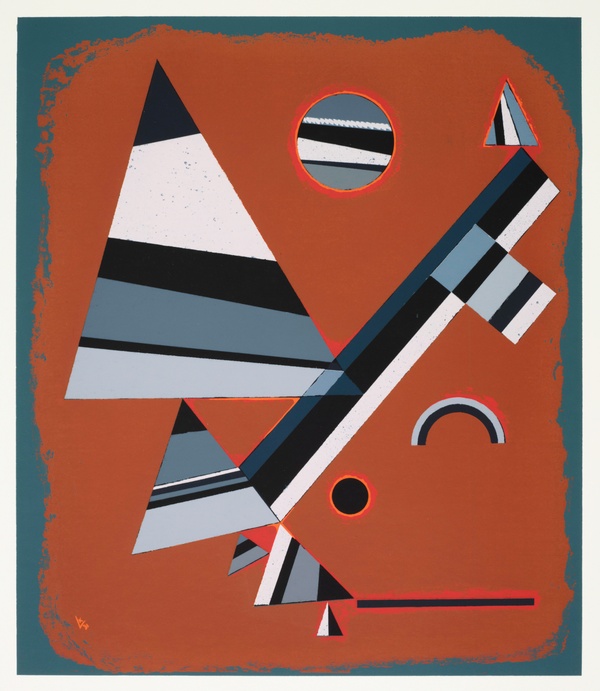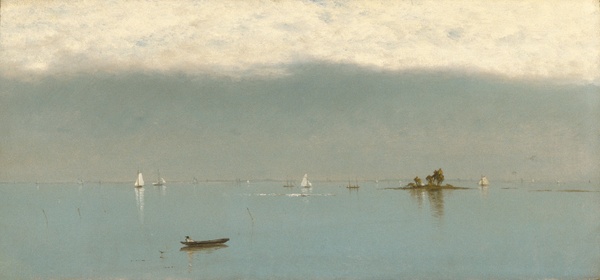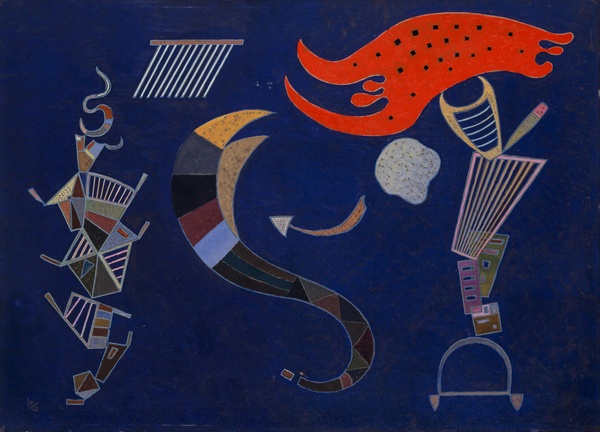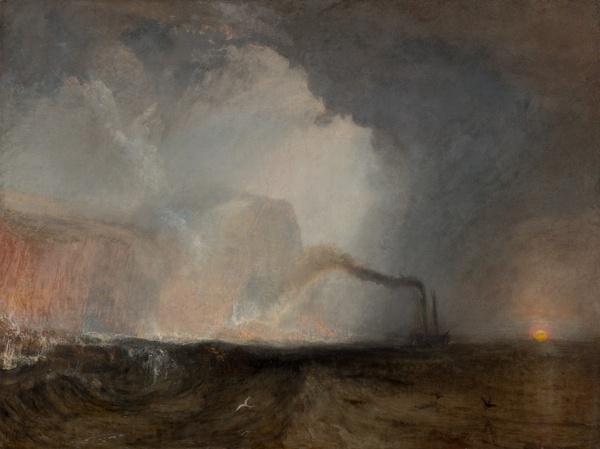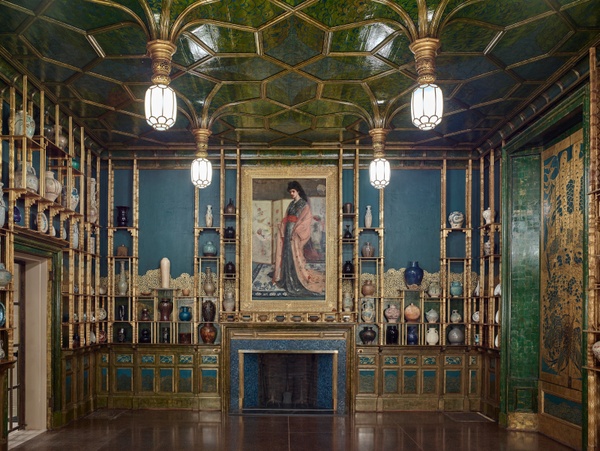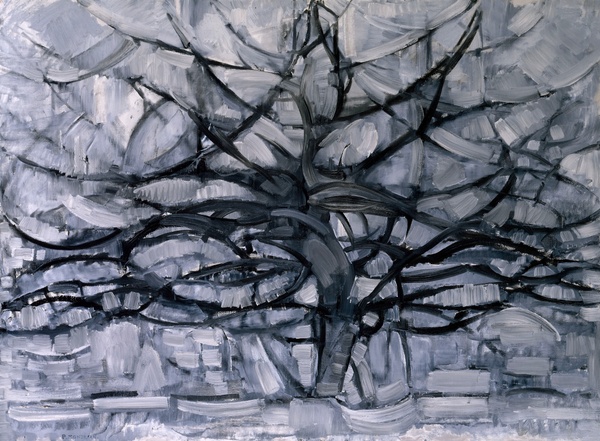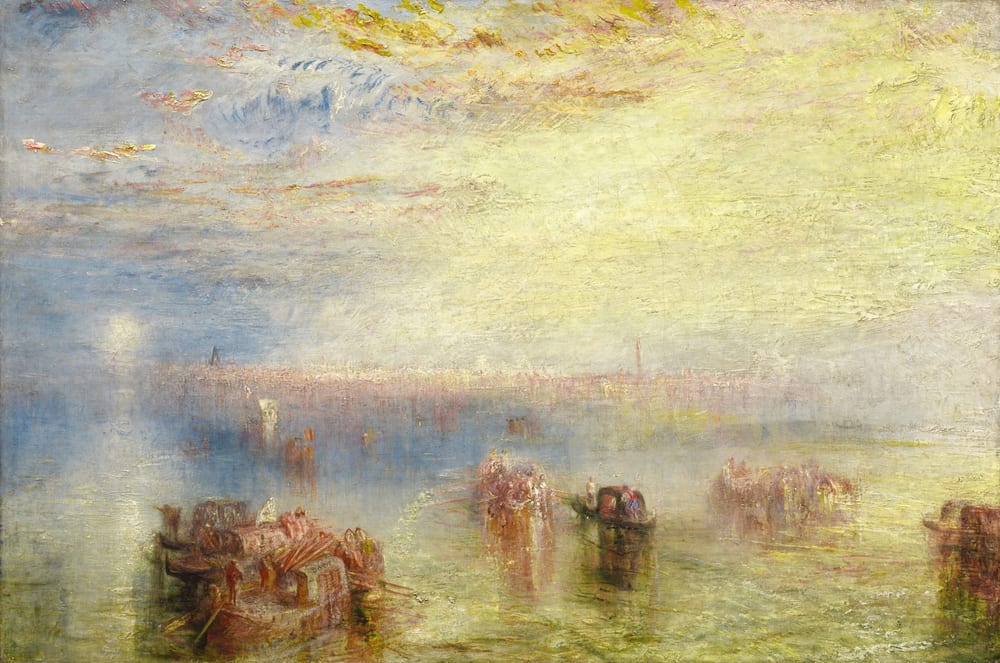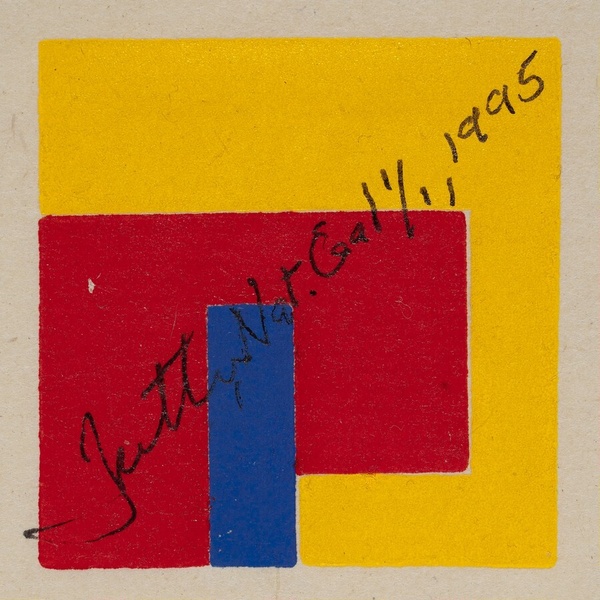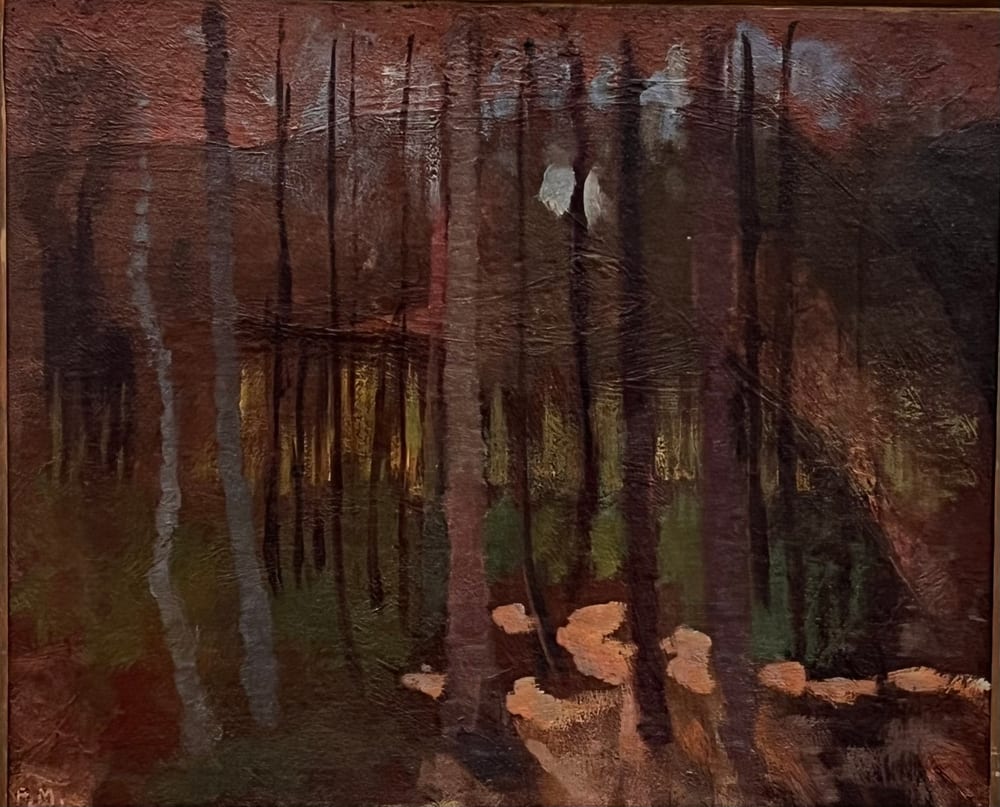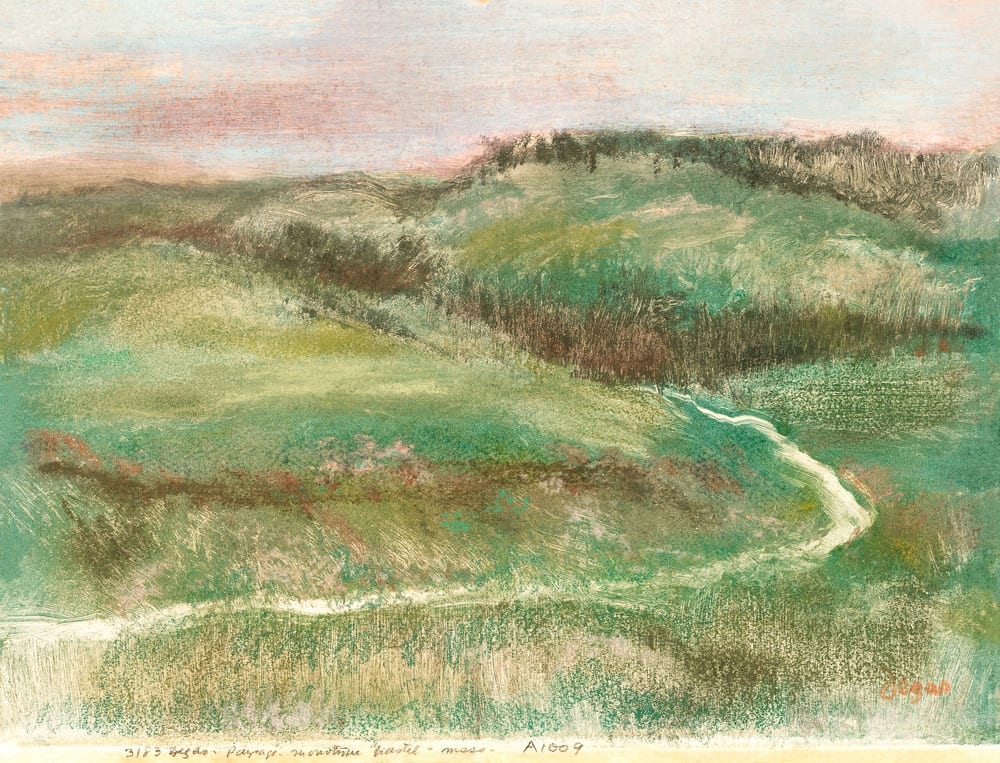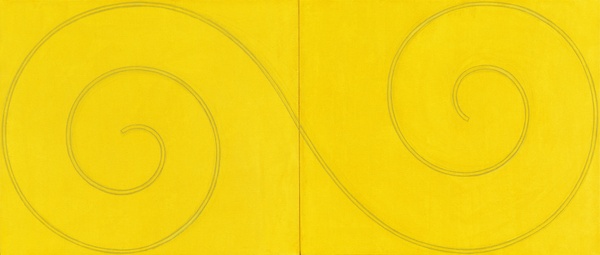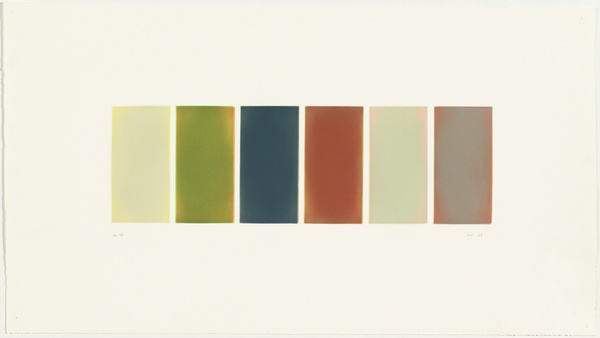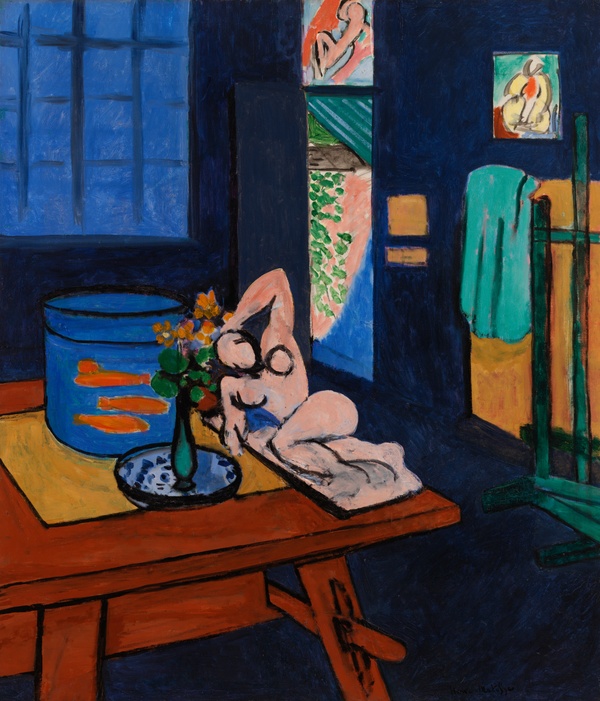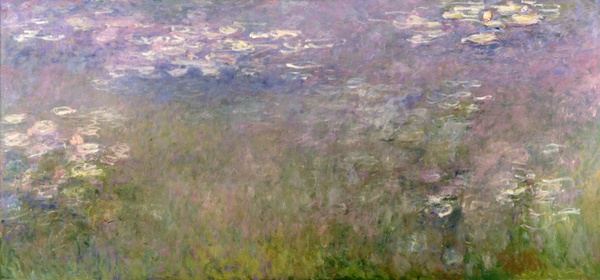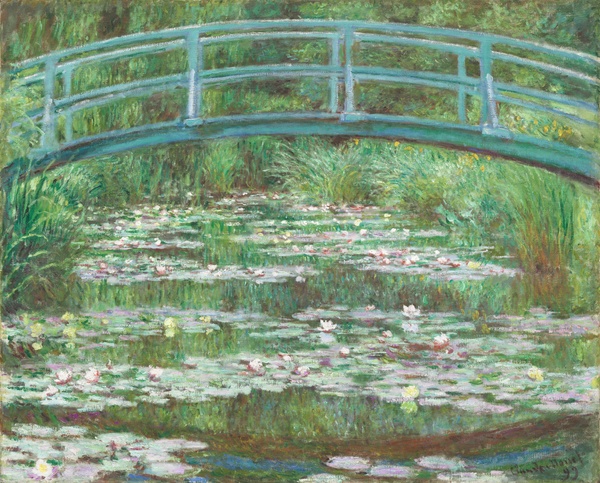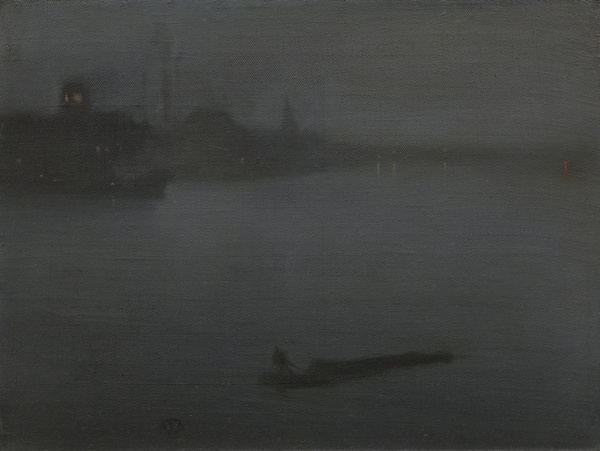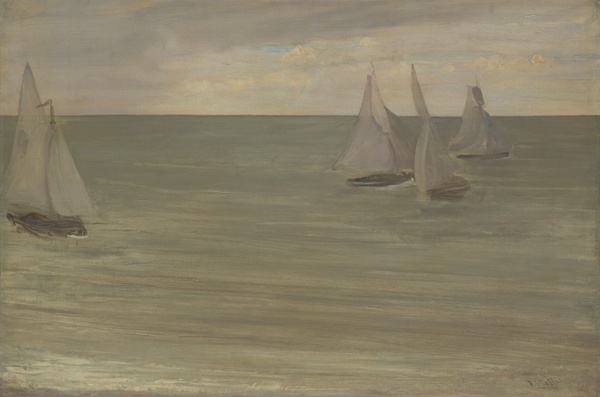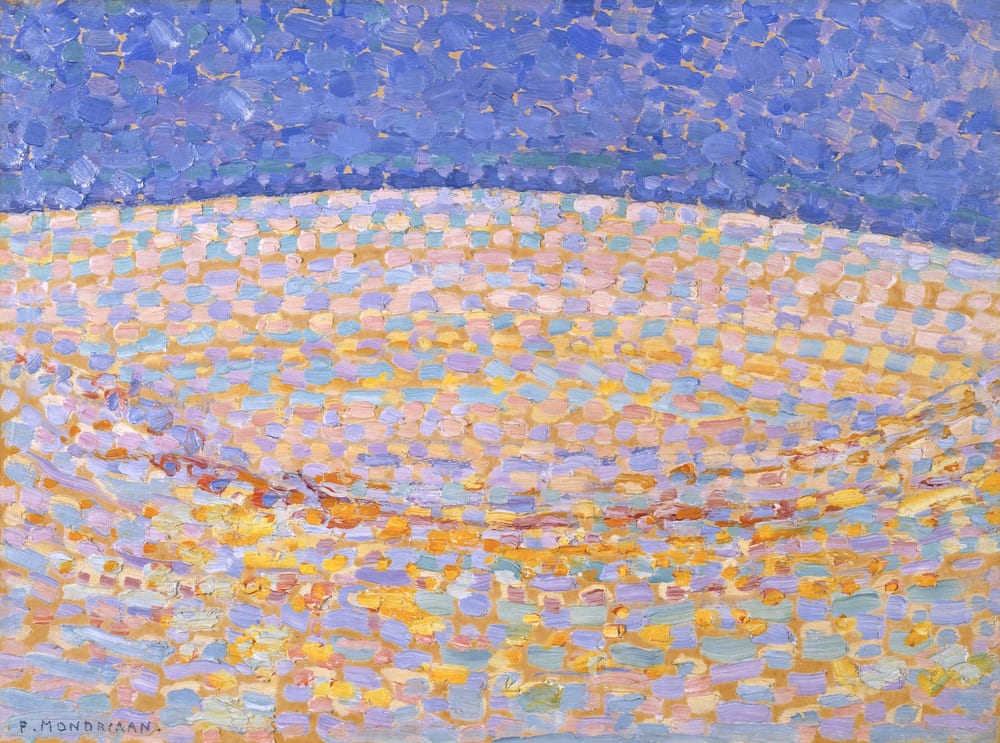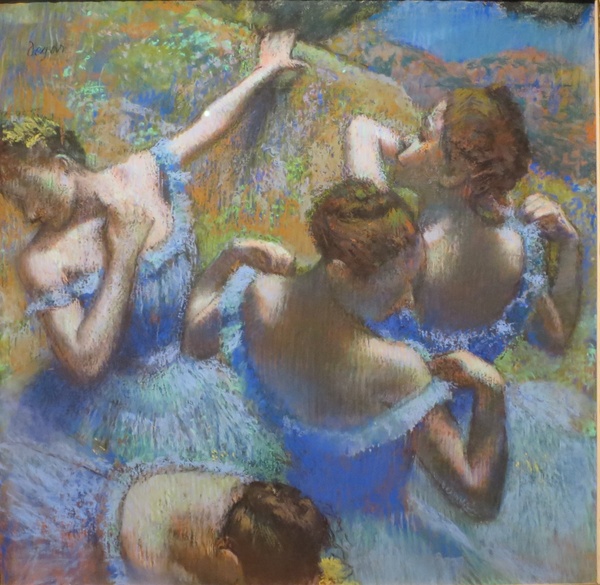
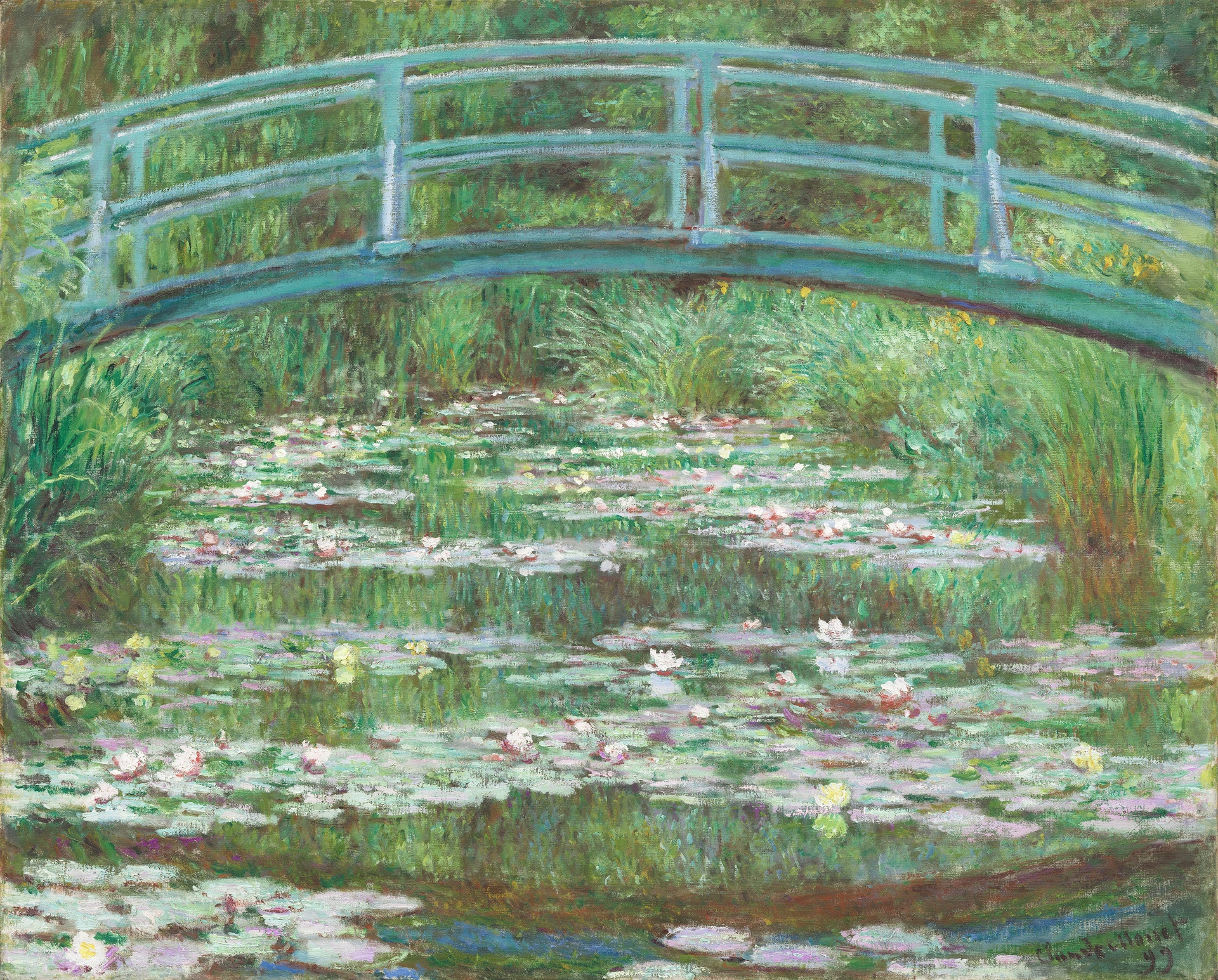
To enter 'The Verdigris Dream' is to witness a slow, beautiful erosion. It begins in the quiet desolation of a Landscape with Drawbridge and Ruin in Moonlight - Caspar David Friedrich (c. early 19th century), where the architecture of man begins its descent into the earth. Nearby, the shore reveals a more ancient mystery in the Lair of the Sea Serpent - Elihu Vedder (1899), a beast that seems to have grown from the sand itself. Yet, if we look up, we see the remnants of idealism in the Dream Castle in the Sky - Maxfield Parrish (1908), shimmering with an unattainable luster. As we move into the 20th century, forms fracture. The city is no longer a solid entity but a series of impressions, as seen in Composition in Oval with Color Planes 1 - Piet Mondrian (1914) and the late-career rhythmic geometry of Complexité simple (Simple Complexity) - Wassily Kandinsky (1939). Light and fog eat away at the stone of the metropolis; Waterloo Bridge, Sunlight Effect - Claude Monet (1903) and Matisse’s skeletal View of Notre-Dame - Henri Matisse (1914) show us buildings becoming ghosts. Whistler captures this transition in his muted Nocturne in Blue and Silver - James McNeill Whistler (1872), where the river and the air become one. Then, the atmosphere turns. In the View of Toledo - El Greco (c. 1598-1600), we see electric greens under an oxidized sky. We find stillness at the Tranquil Pond (Egelsee near Golling, Salzburg) - Gustav Klimt (1899), watching reflections soften into the monumental Water Lily Pond - Claude Monet (c. 1917–1919). The palette shifts to the minimalist Gris (Gray) - Wassily Kandinsky (1931) as we wait for the Passing off of the Storm - John Frederick Kensett (1872). The path forward is marked by the sharp vector of La flèche (The Arrow) - Wassily Kandinsky (1943), leading us into the dark, wet stones of Staffa, Fingal's Cave - J.M.W. Turner (1832). Here, metallic turns into the avian luxury of Harmony in Blue and Gold: The Peacock Room - James McNeill Whistler (1876–1877). Nature begins its final reclamation. The Gray Tree - Piet Mondrian (1911) stretches its limbs toward the horizon, where we find the hazy Approach to Venice - Joseph Mallord William Turner (1844). The air is filled with the subtle Music - Richard Tuttle (1995) of the leaves in the Forest - Piet Mondrian (1898-1899). We walk through a blurred Landscape - Edgar Degas (1892), following the line of the Curled Figure XVIII (study) - Robert Mangold (2002) over the hills of the Verona Suite - Anne Appleby (2003). Inside the Studio with Goldfish (L'Atelier aux poissons rouges) - Henri Matisse (1912), the green of the garden bleeds into the interior. Finally, we submerge into the waters of Giverny. We pass Water Lilies - Claude Monet (ca. 1915–1926) and stand upon The Japanese Footbridge - Claude Monet (1899), surrounded by an emerald bloom. We look back at the twilight of Nocturne in Blue and Silver - James McNeill Whistler (1871/1872) and the seaside of Trouville (Grey and Green, the Silver Sea) - James McNeill Whistler (1865). As we ascend the Dune III - Piet Mondrian (1909), we are left with the swaying memory of Blue Dancers (Danseuses bleues) - Edgar Degas (1897), a final flicker of grace in a world turned to turquoise.