In the geography of the human soul, solitude carves its deepest valleys and highest peaks. This exhibition maps that terrain through the eyes of artists who understood that isolation is not mere absence, but a profound presence—a weight that shapes both landscape and spirit.
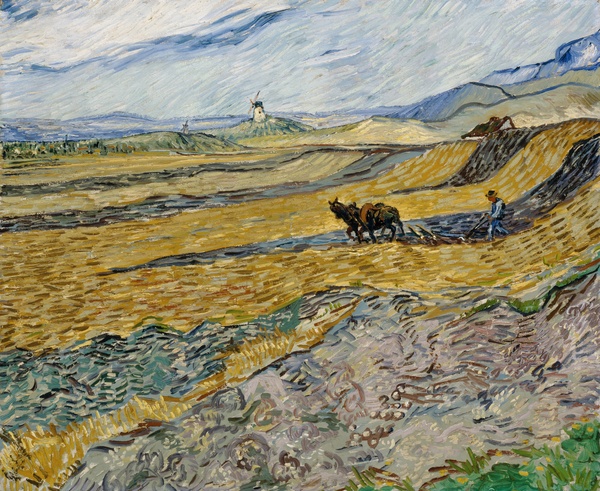
Our journey begins with the solitary peasant in van Gogh's "Landscape at Saint-Rémy," a figure bent beneath bundled wheat, moving through fields that mirror the artist's own enclosed world at the asylum. Here, solitude takes physical form: the weight of labor, the burden of survival, the quiet dignity of endurance. The lilac mountains rising beyond speak of distances both geographical and emotional, unreachable horizons that frame our earthbound struggles.
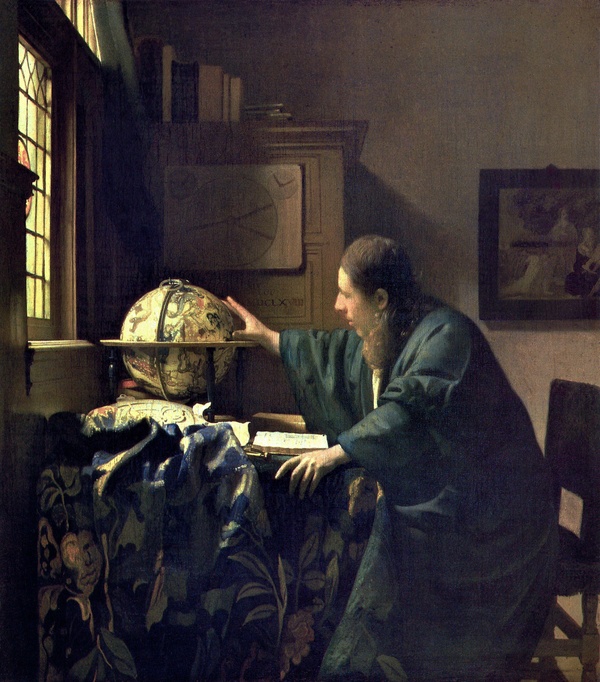
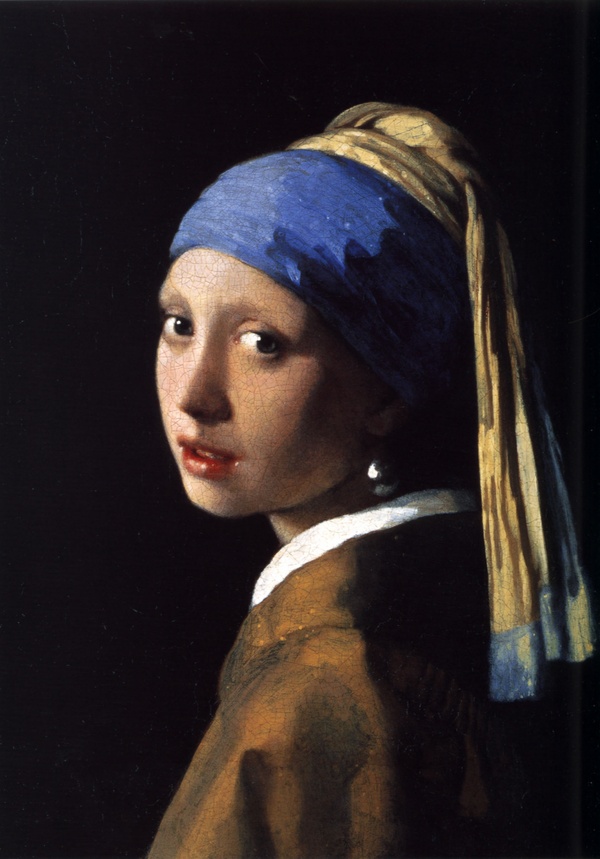
From van Gogh's restless energy, we turn to Vermeer's suspended moments of private communion. In "The Astronomer," a scholar reaches toward celestial knowledge, his solitary quest illuminated by window light that seems to emanate from another realm entirely. The painting captures that peculiar solitude of intellectual pursuit—the scholar alone with the universe, seeking patterns in chaos, meaning in the vast dark. Vermeer's "Girl with a Pearl Earring" offers a different intimacy: the weight of a gaze that seems to carry centuries of unspoken thoughts, her exotic turban marking her as eternally other, eternally alone in her luminous silence.
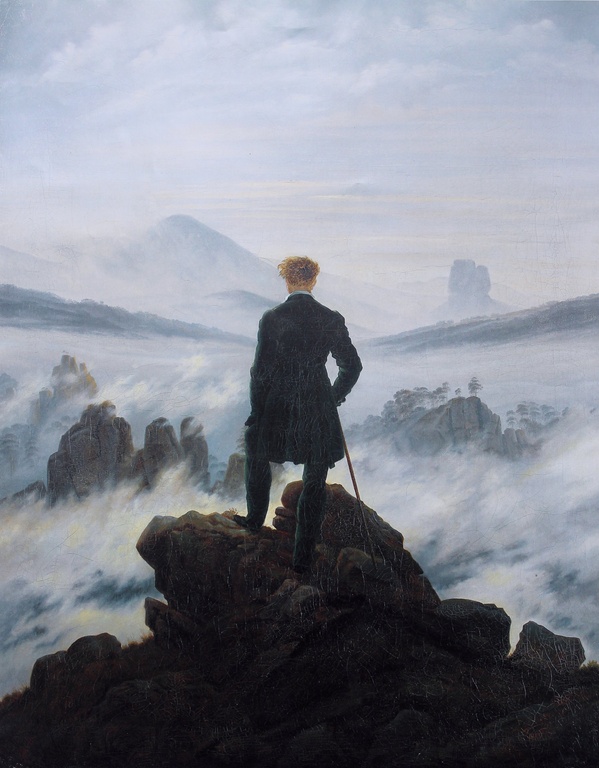
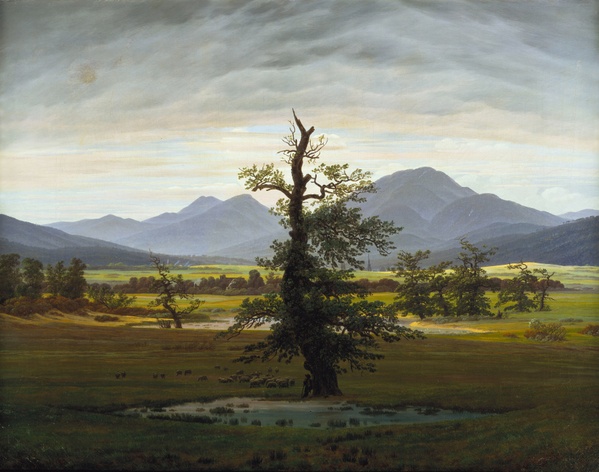
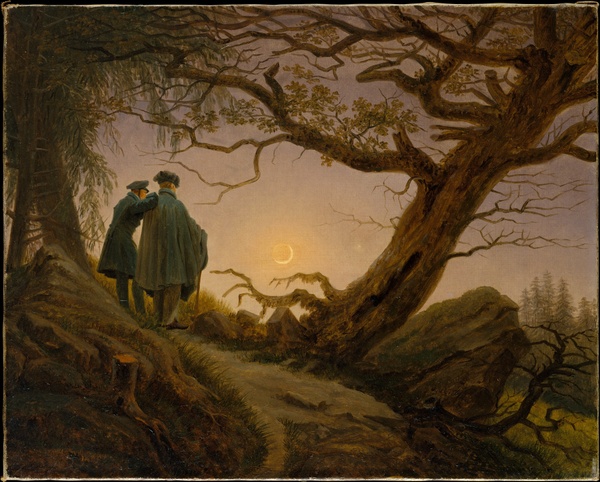
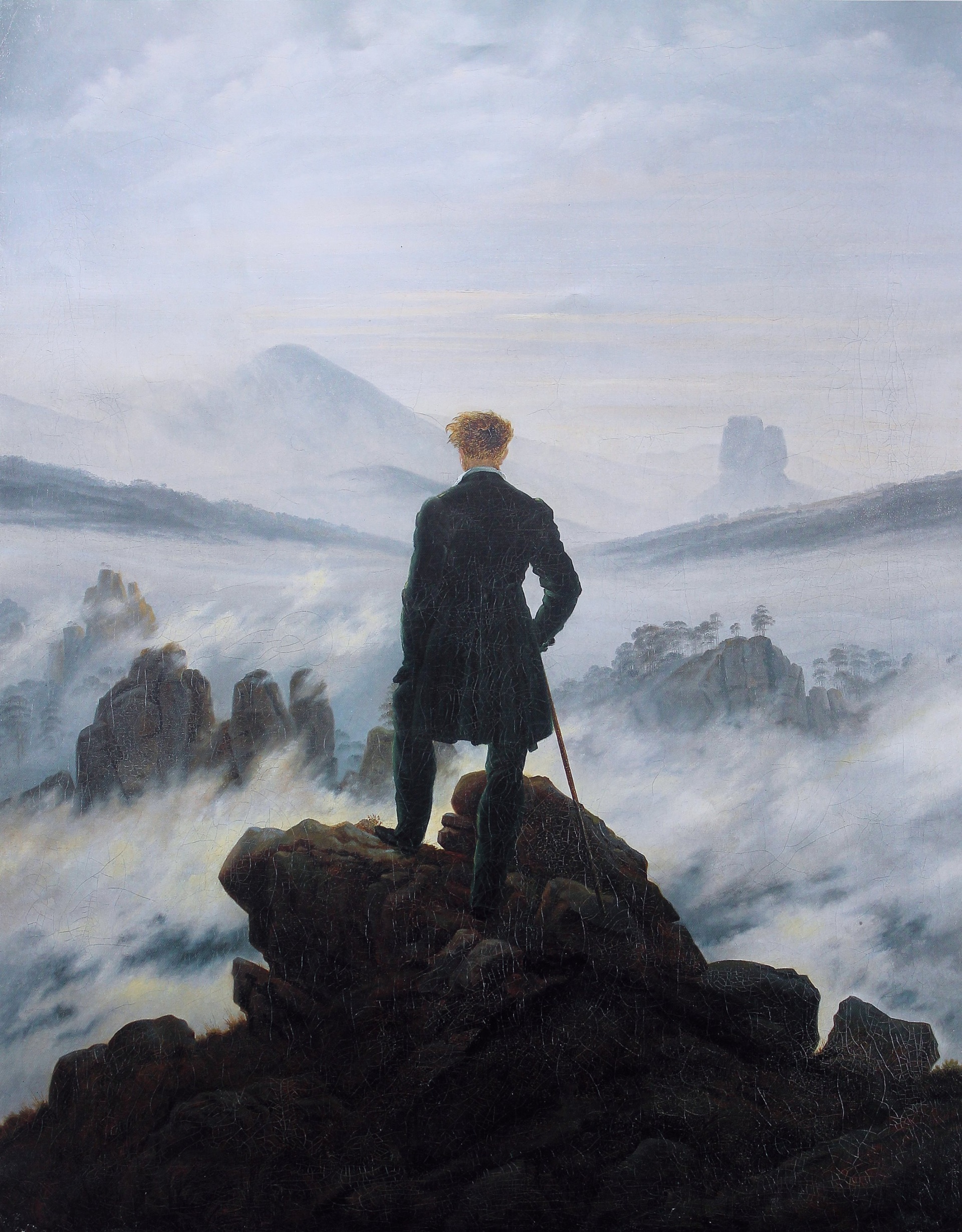
Caspar David Friedrich understood solitude as a romantic ideal, transforming loneliness into transcendence. His "Wanderer above the Sea of Fog" presents the archetypal solitary figure—back turned, contemplating the sublime vastness that mirrors his inner landscape. In "The Lonely Tree," a single oak becomes a monument to endurance, its gnarled branches reaching toward morning light with defiant grace. Friedrich's "Two Men Contemplating the Moon" suggests that even shared solitude remains fundamentally individual; each figure experiences the lunar spectacle through the private lens of their own consciousness.
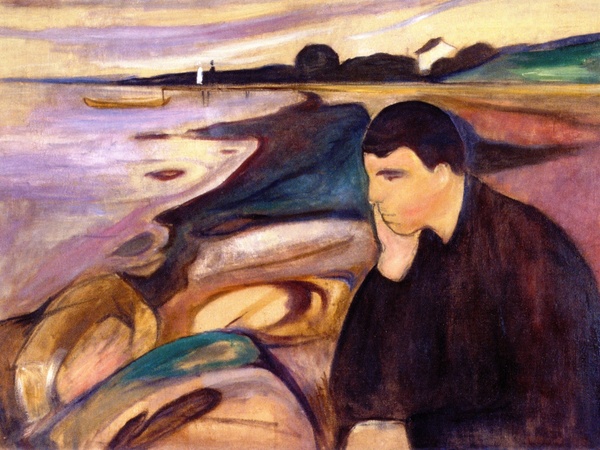
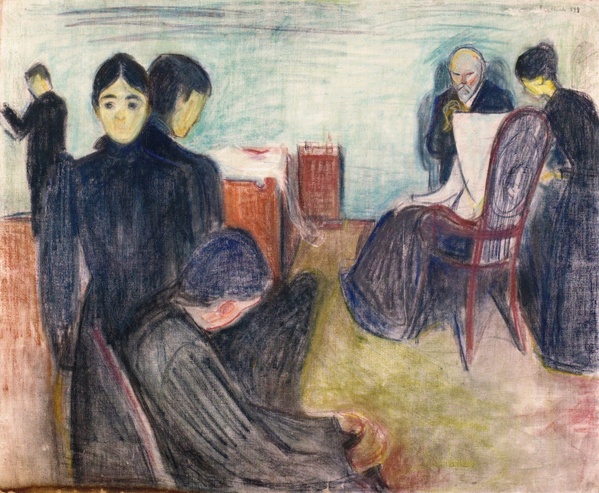
The exhibition's emotional center lies in Munch's visceral explorations of isolation. "Melancholy" presents a figure weighted by invisible sorrows, the distant couple on the jetty serving only to emphasize his profound disconnection. "Death in the Sickroom" transforms solitude into something more terrible: the isolation of grief, where even in a room full of family, each person mourns alone, trapped in their separate chambers of loss.
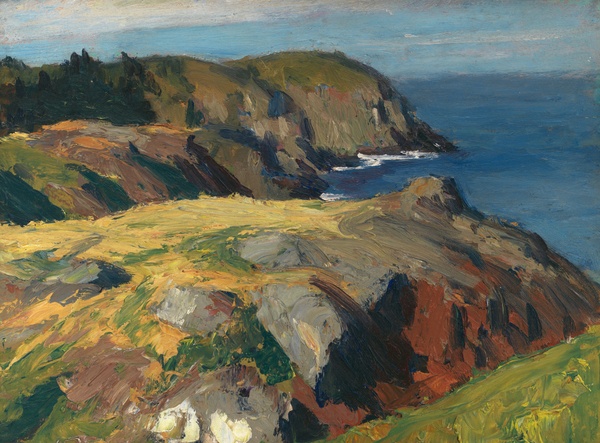
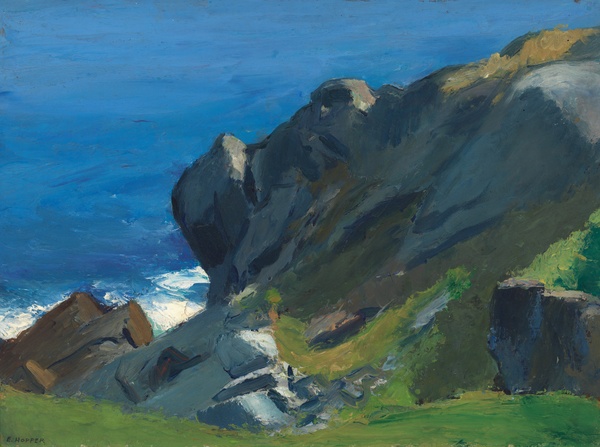
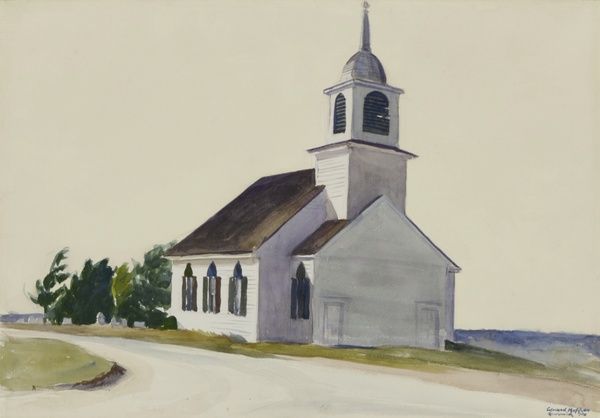
Hopper's American solitude carries different textures—the institutional loneliness of "Spurwink Church" standing sentinel on its Maine hillside, and the elemental solitude of "Blackhead, Monhegan," where ancient rock confronts eternal sea in an endless dialogue of stone and water. These landscapes speak of solitude as geographic fact, the vast American spaces that dwarf human presence and render each figure both heroic and infinitesimal.
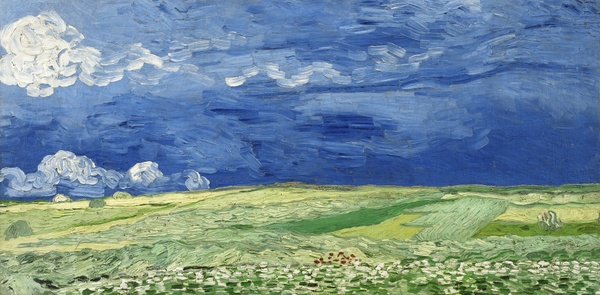
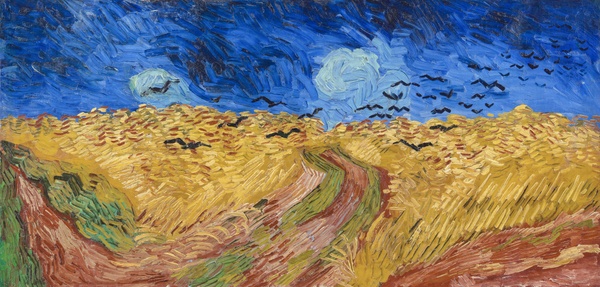
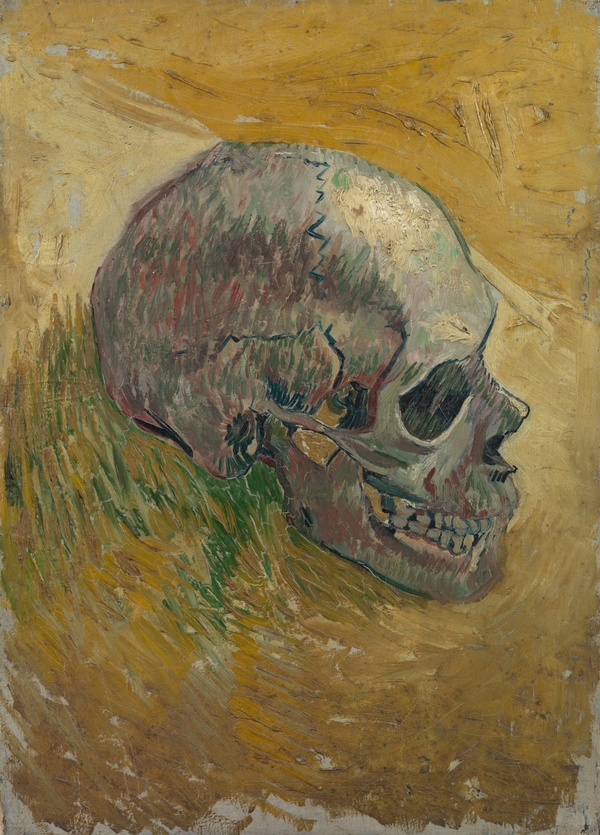
Van Gogh's late works—"Wheatfield with Crows" and "Wheatfield under Thunderclouds"—transform landscape into psychological territory. The turbulent skies and endless fields become external manifestations of internal weather, the crows perhaps messengers from territories beyond human understanding. His "Skull" confronts solitude's ultimate destination with characteristic directness, the memento mori glowing against yellow warmth like a meditation on mortality's lonely democracy.
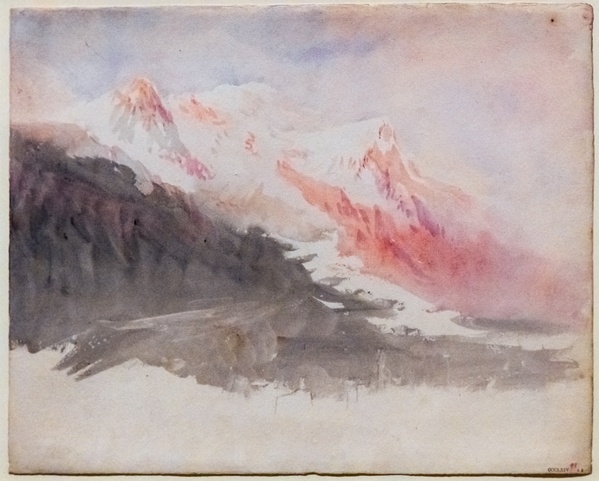
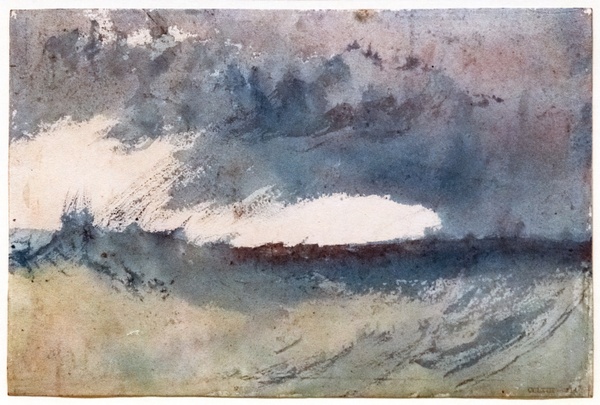
Turner's watercolors dissolve the boundaries between inner and outer worlds. "Mont Blanc and the Glacier des Bossons from above Chamonix, Dawn" presents nature as overwhelming presence, while "A Rough Sea off Brighton or Deal" captures the soul's tempestuous weather in waves and light.
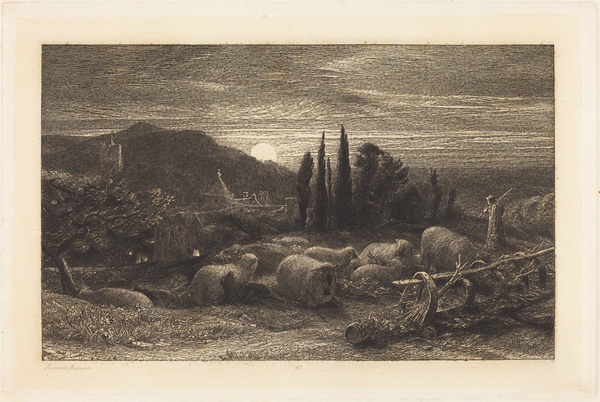
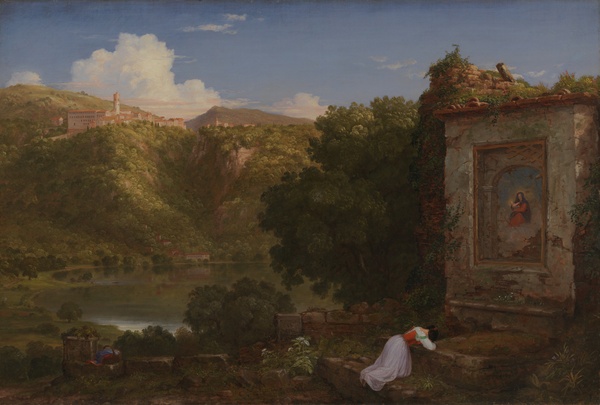
The exhibition concludes with quieter acknowledgments of solitude's textures: Palmer's "The Rising Moon" offers pastoral consolation, the shepherd's solitary vigil transformed into protective devotion. Cole's "Il Penseroso" presents contemplation as spiritual practice, the kneeling figure finding in solitude not emptiness but fullness.
These works remind us that solitude's weight need not crush; it can also buoy, elevate, and illuminate. In the end, the soul's silence speaks its own eloquent language.