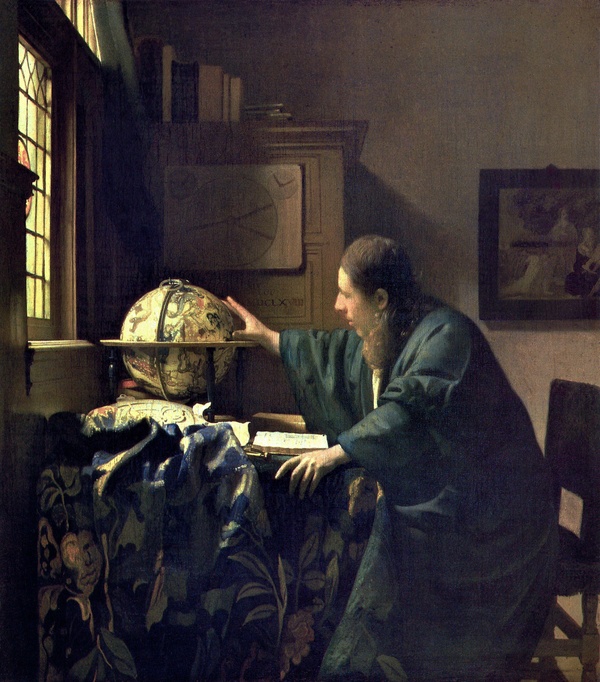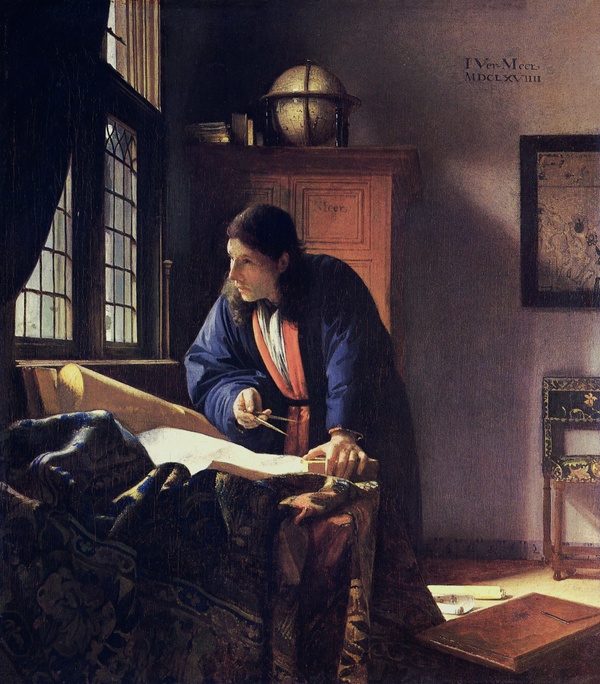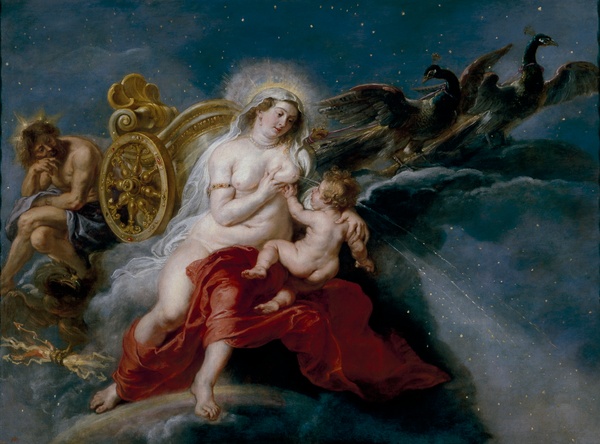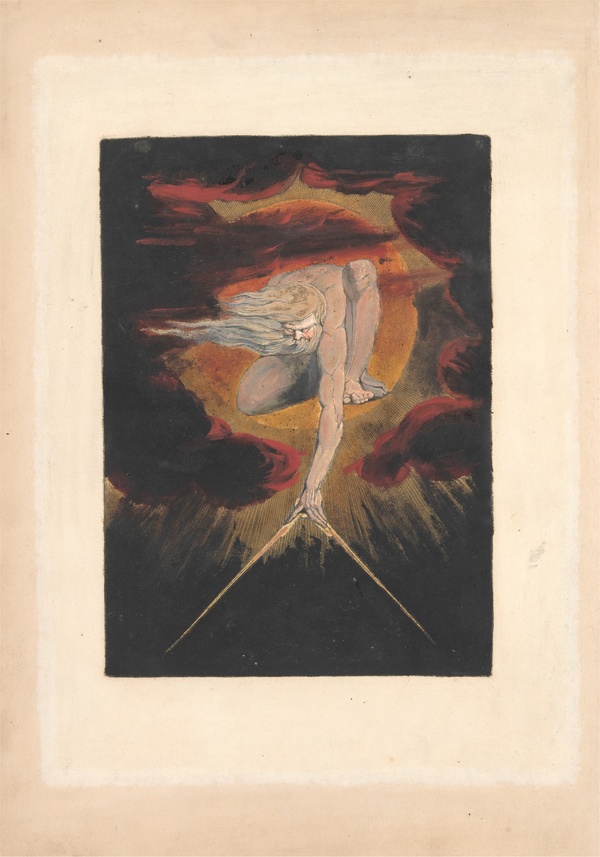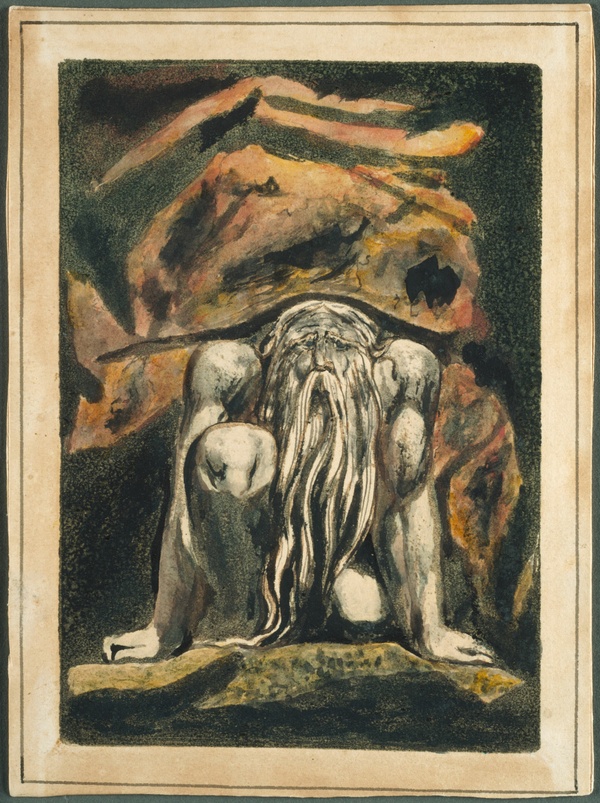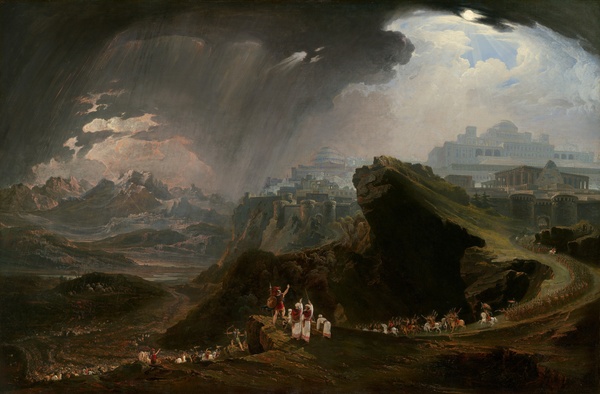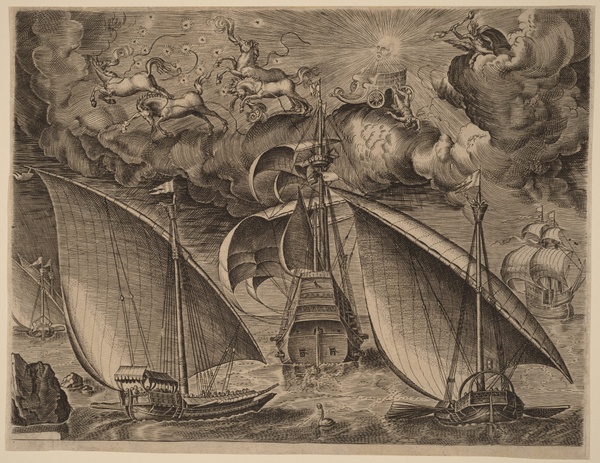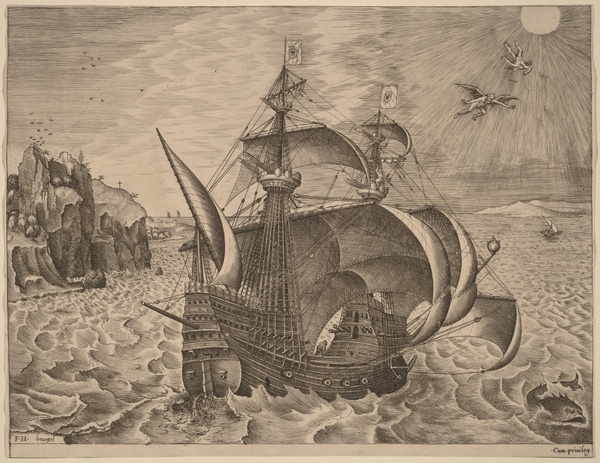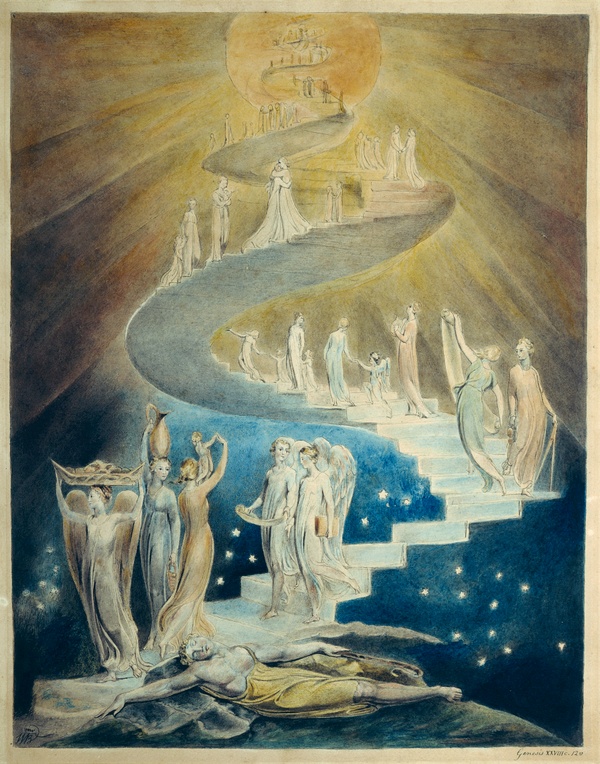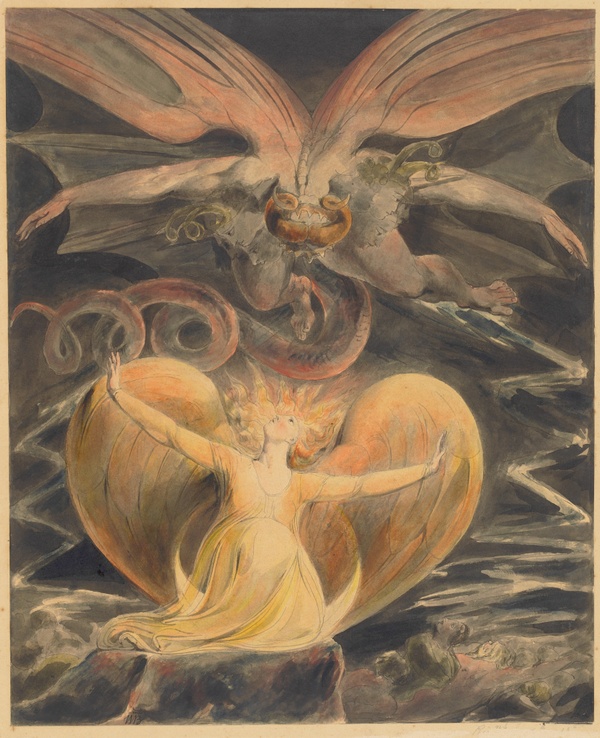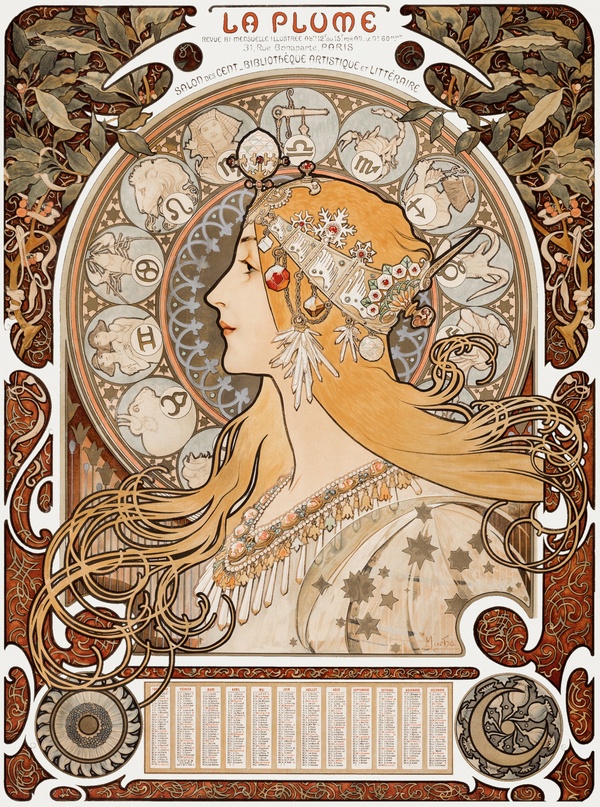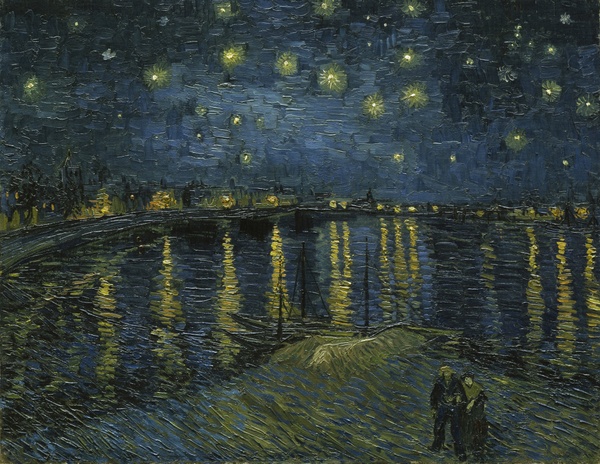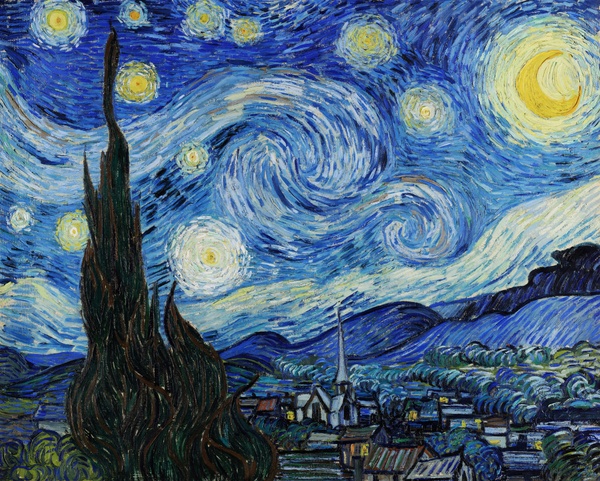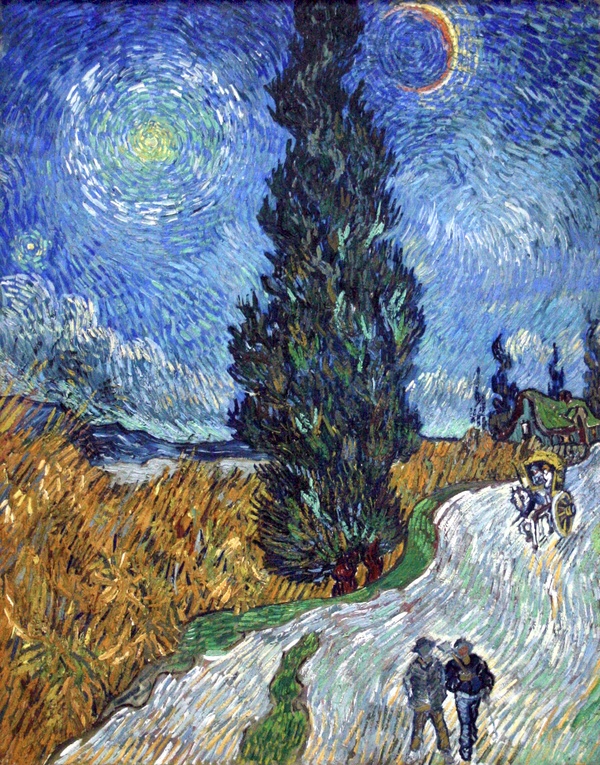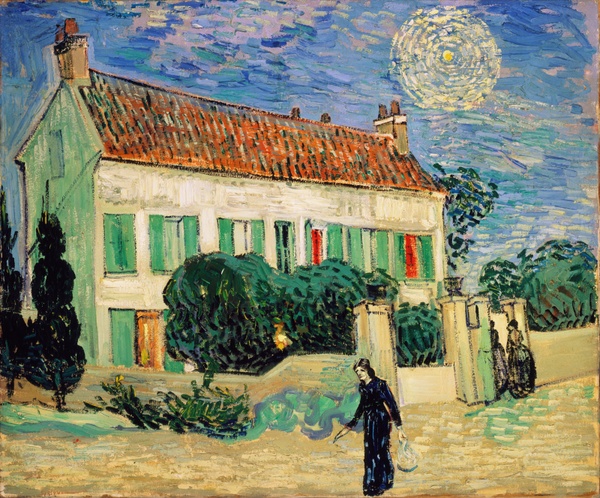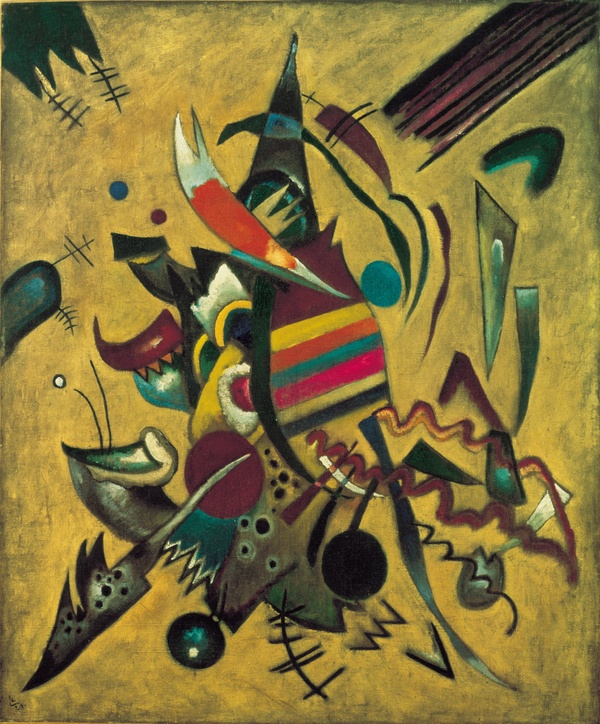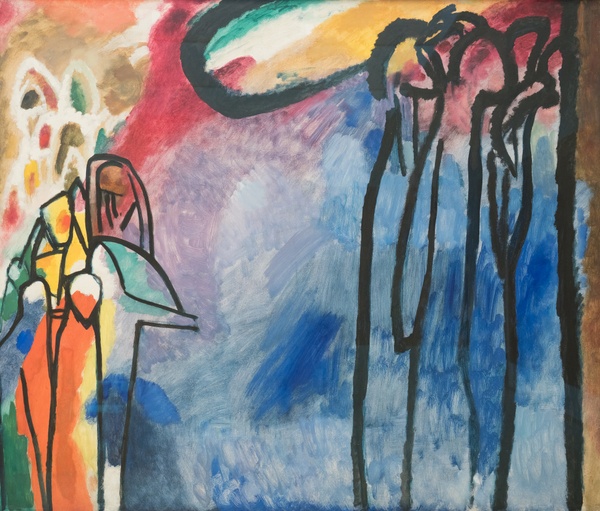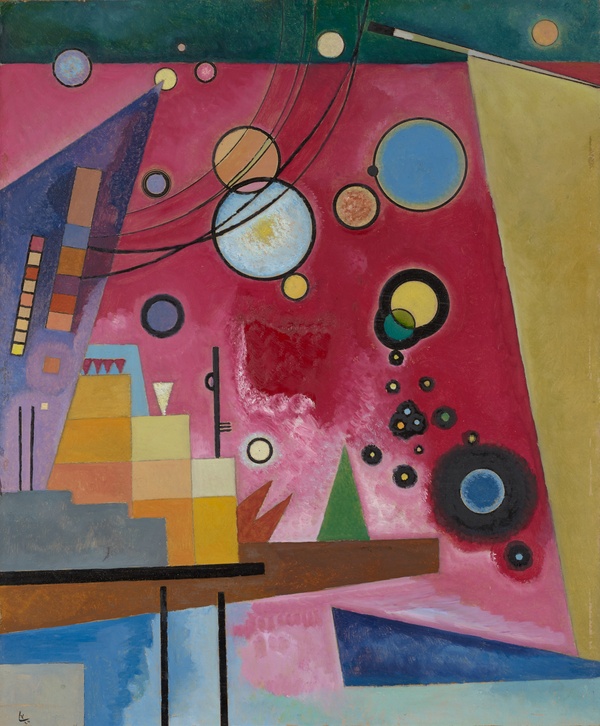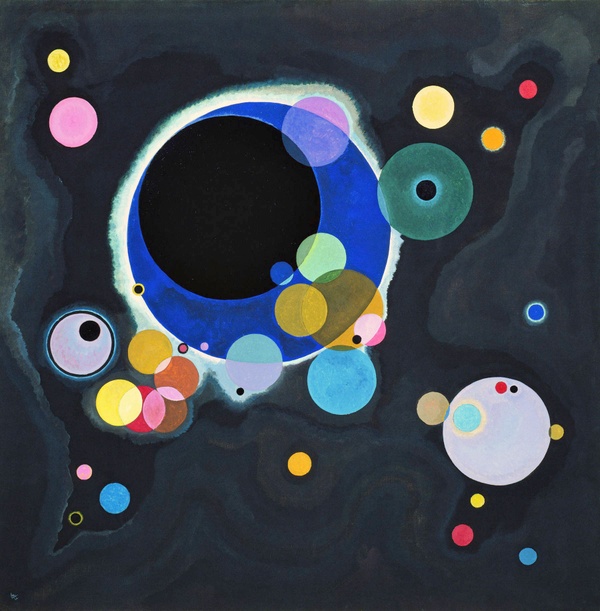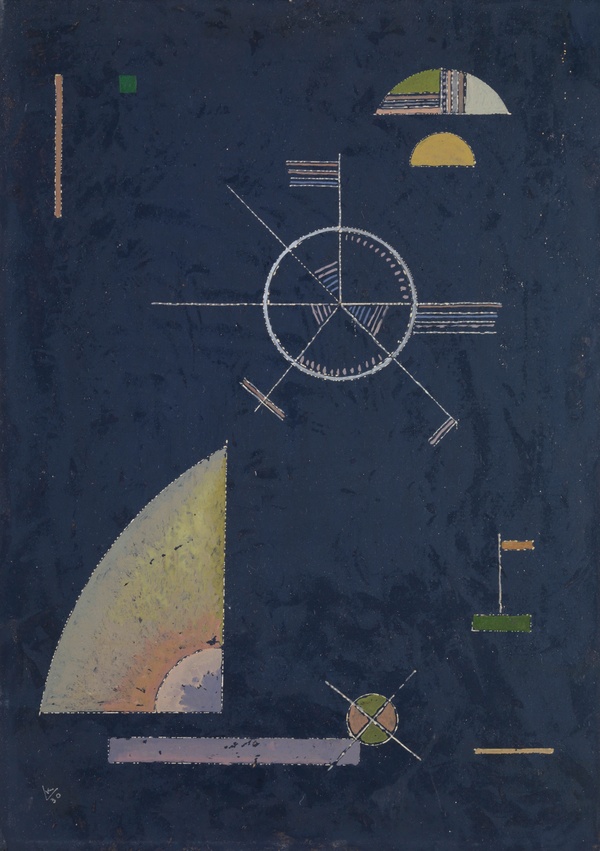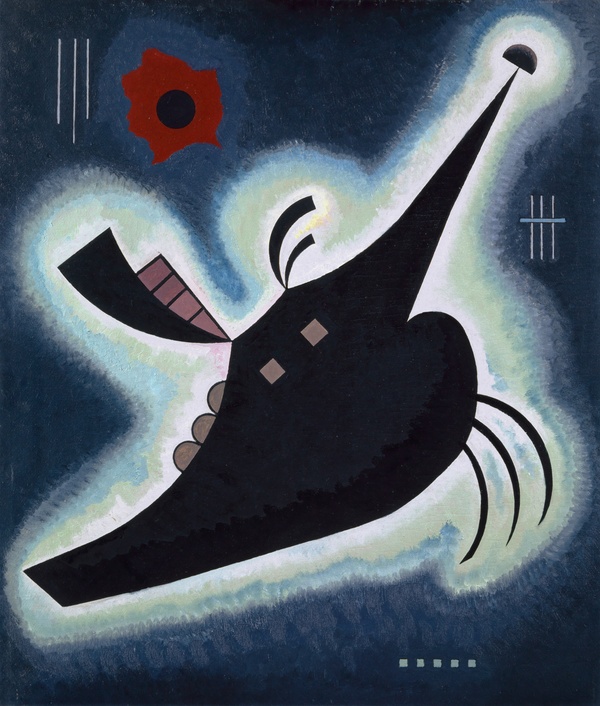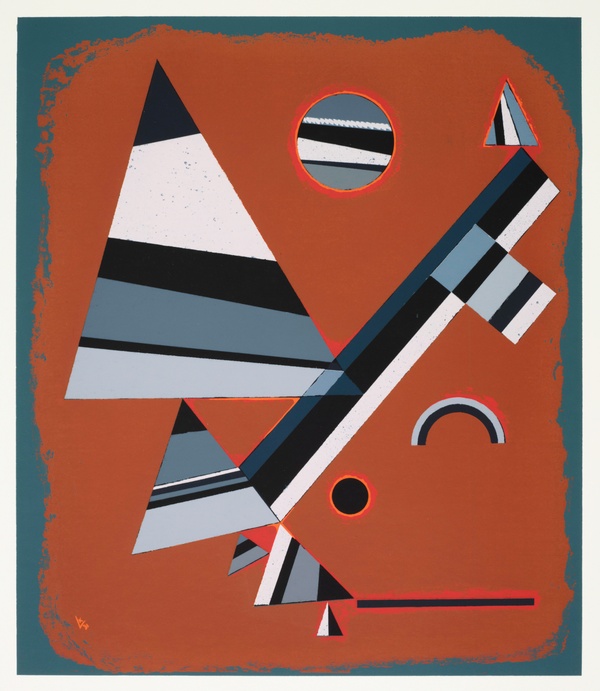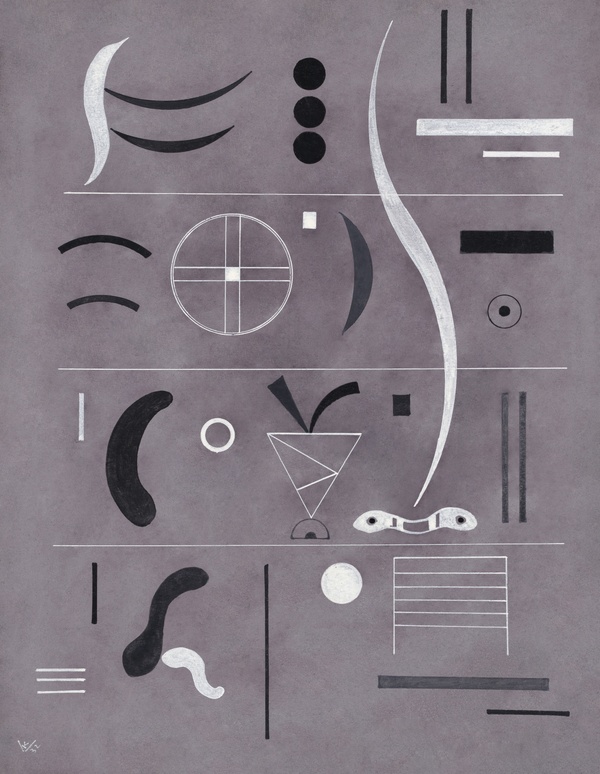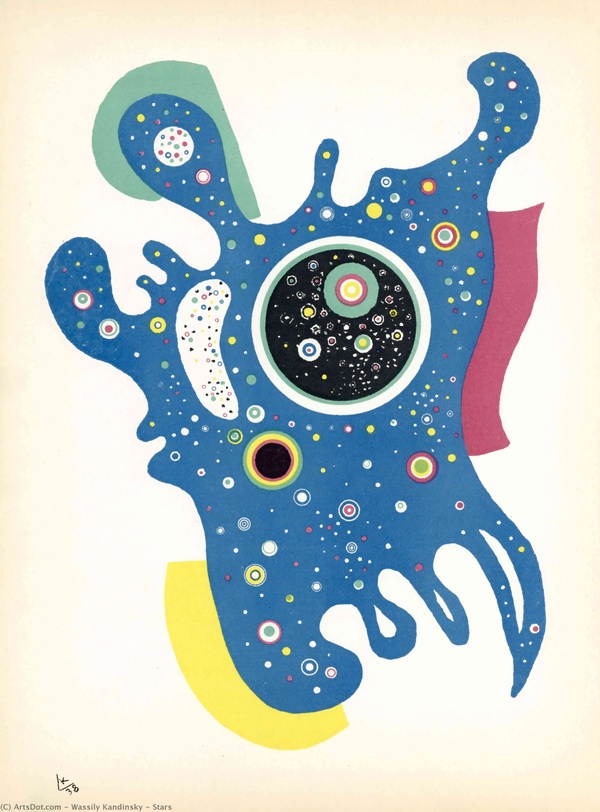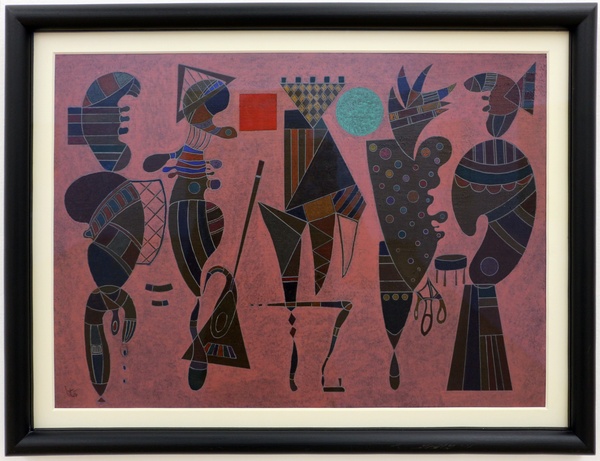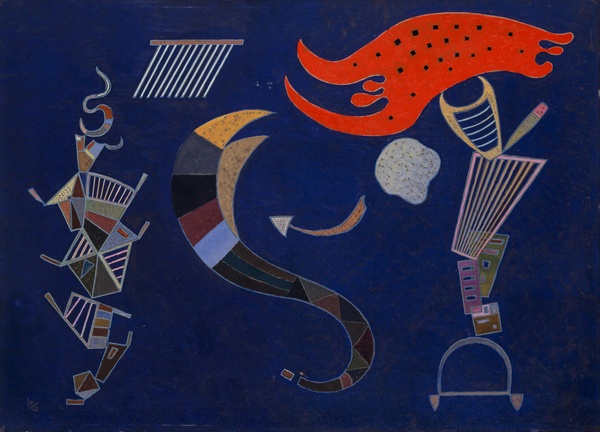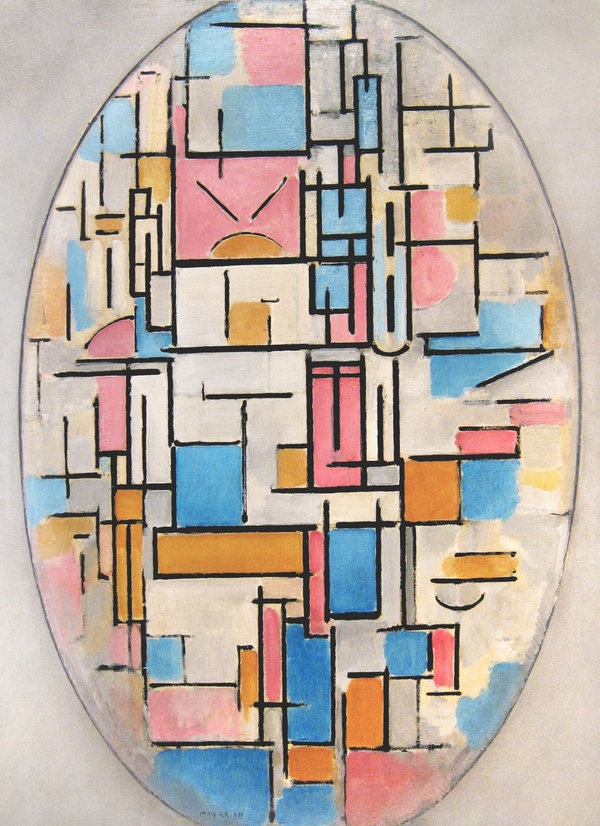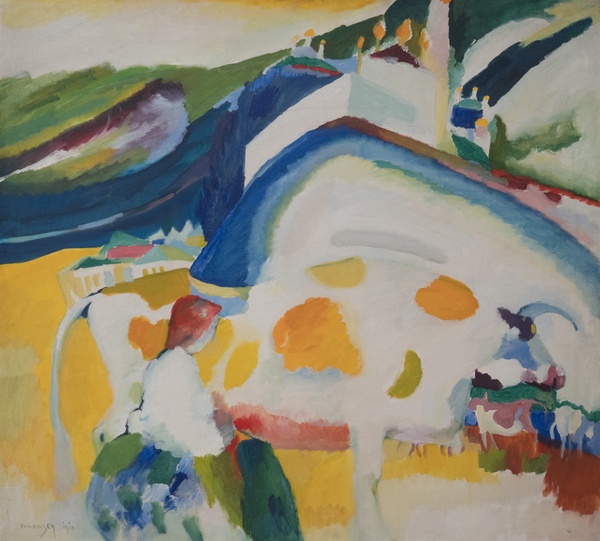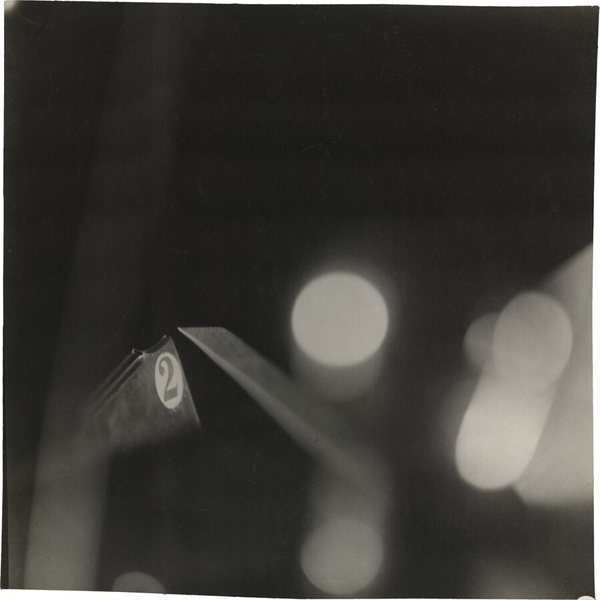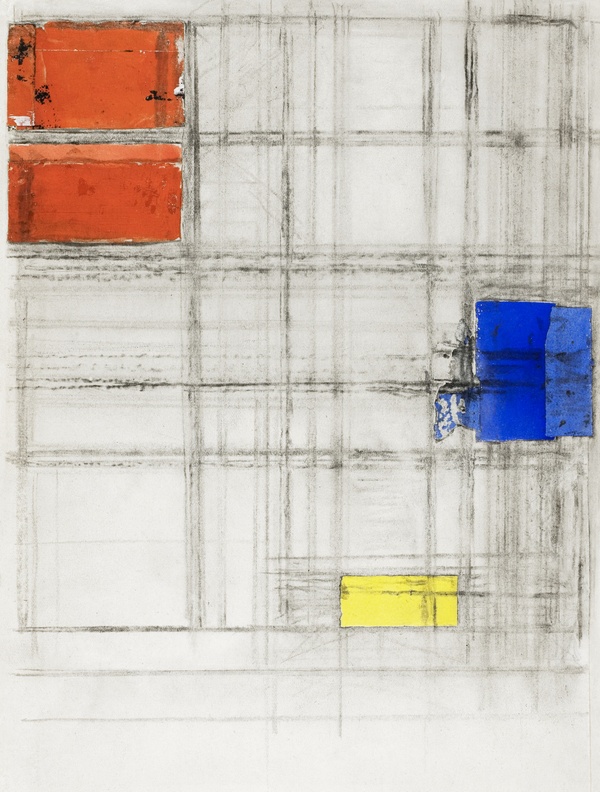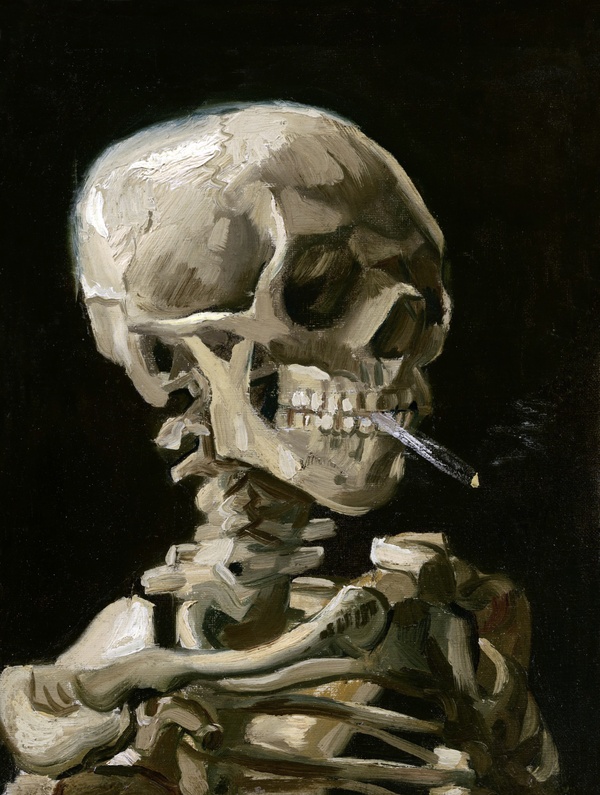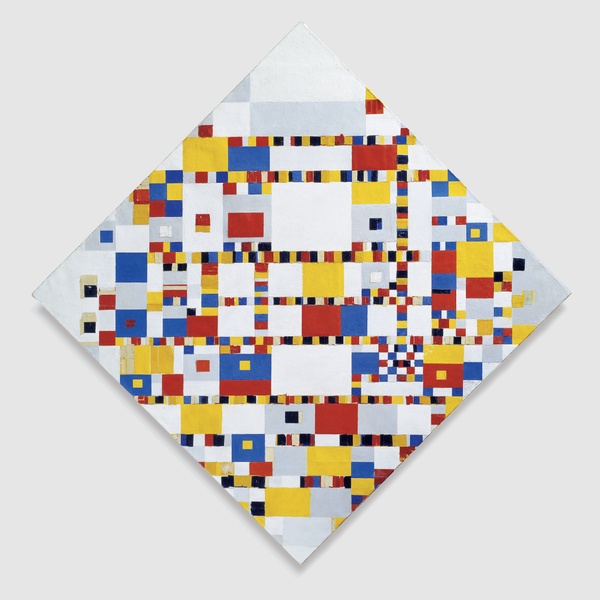
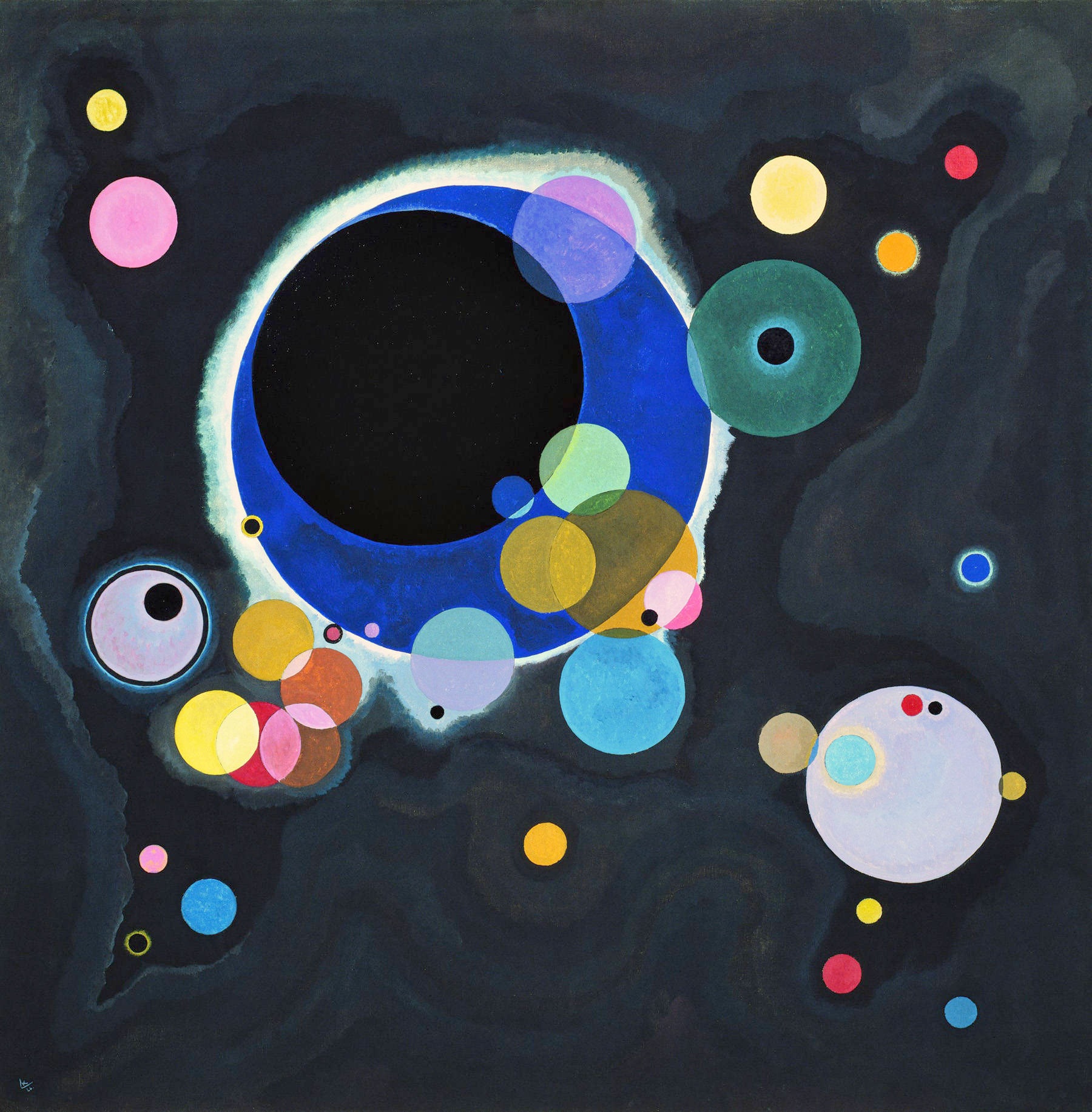
In the quietude of a 17th-century study, we find The Astronomer peering into the infinite, his hands measuring the unknown. Beside him, The Geographer maps the tangible world, yet both are anchored by the same curiosity. This search for order begins with the divine, as seen in the violent grace of The Birth of the Milky Way. We witness the architect of reason in Europe. A Prophecy, Plate 1, Frontispiece ("The Ancient of Days"), where Blake’s Urizen imposes his compass upon the abyss. Human history and myth collide beneath these skies. We see Joshua Commanding the Sun to Stand Still upon Gibeon, a moment of impossible stillness. Above the sea, Bruegel captures the hubris of the ancients in Two Galleys Sailing Behind an Armed Three-Master with Phaeton and Jupiter in the Sky and Armed Three-Master with Daedalus and Icarus in the Sky. Our ascent continues through the spiritual rungs of Jacob's Ladder (Jacob's Dream), while the apocalyptic terror of The Great Red Dragon and the Woman Clothed with the Sun reminds us of the cosmos's darker mysteries. The stars become a rhythm in Mucha’s Zodiaque, a cycle of time and beauty. This rhythm finds a pulse in the works of Van Gogh. From the shimmering reflections of Starry Night Over the Rhône to the turbulent energy of The Starry Night, the sky is no longer a map but an emotion. We walk the Road with Cypress and Star and pass by The White House at Night, feeling the weight of the cosmic void. As we move into the 20th century, the light shatters into Points. Kandinsky leads us through a spiritual awakening in Improvisation 19 and the tectonic weight of Heavy Red (Schweres Rot). The heavens are reduced to their essence in Several Circles (Einige Kreise). We navigate through the muted tones of Dull Gray and the sharp clarity of Pointed Black and Gris (Gray). The universe is divided into Four Parts, where we find new Stars and a Complexité simple (Simple Complexity) that defies easy explanation. Like La flèche (The Arrow), our gaze is directed forward. Finally, we reach the purity of line. Mondrian offers a Composition in Oval with Color Planes 1, a distillation of the horizon. Van Doesburg transforms the organic into the geometric in Composition VIII (The Cow), much as Rössler finds light in the Untitled (Composition with Magic Two). We end our journey with Study Composition (1940–1941), a final testament to the human effort to map the light that has traveled eons to reach us.