In the quiet galleries where time itself seems suspended, we encounter the eternal dialogue between life and death, beauty and decay, hope and melancholy. Here, flowers bloom not merely as symbols of life's ephemeral beauty, but as offerings to mortality itself—delicate petals that speak of remembrance, loss, and the profound tenderness with which we honor those who have passed beyond the veil.
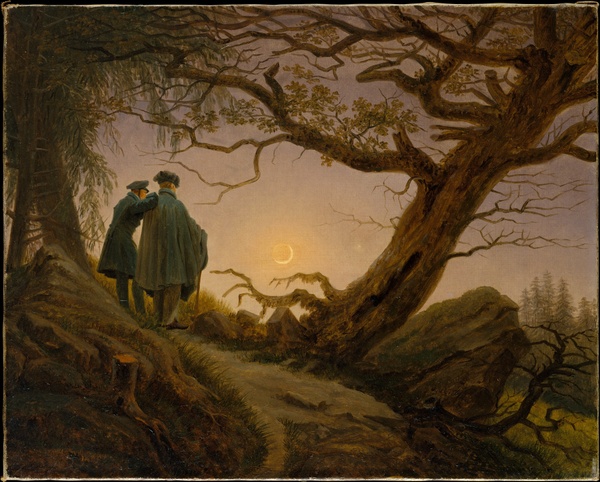
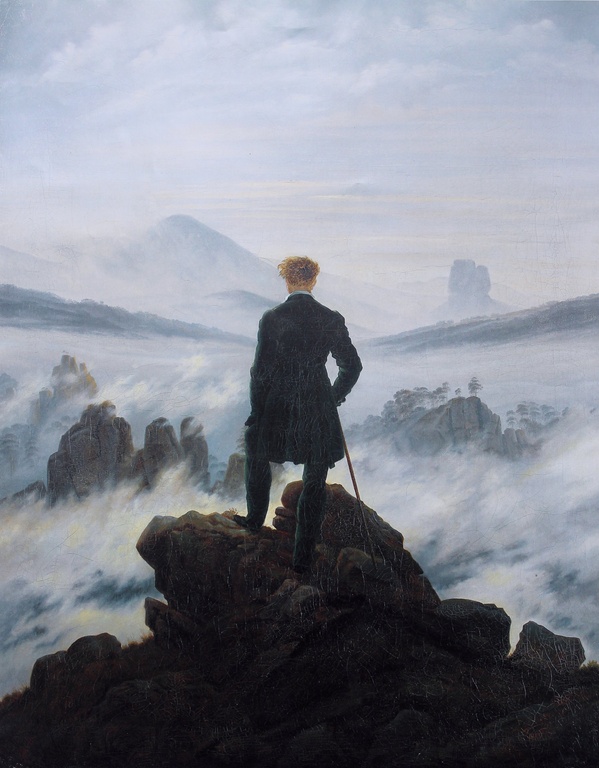
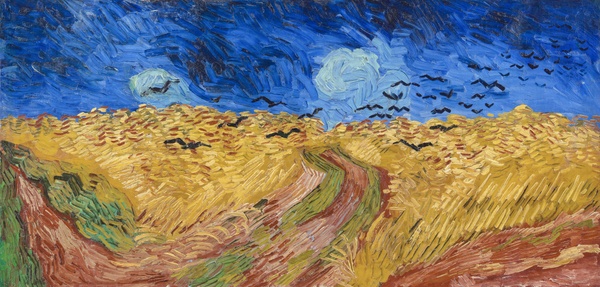
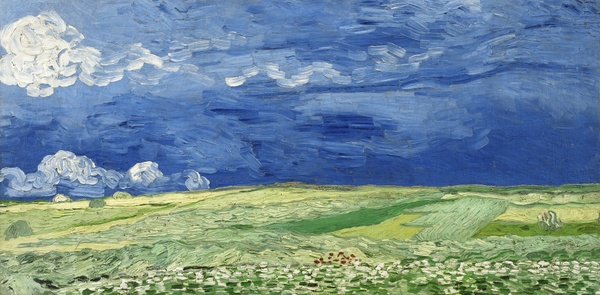
Our journey begins in the shadowed realm of contemplation, where Caspar David Friedrich's solitary figures stand sentinel against the infinite. In "Two Men Contemplating the Moon" and "Wanderer above the Sea of Fog," we witness humanity's eternal confrontation with the sublime mystery of existence. These watchers at the threshold understand what Vincent van Gogh would later capture in his final wheat fields—those turbulent skies in "Wheatfield with Crows" and "Wheatfield under Thunderclouds" that seem to press down upon the earth with prophetic weight.
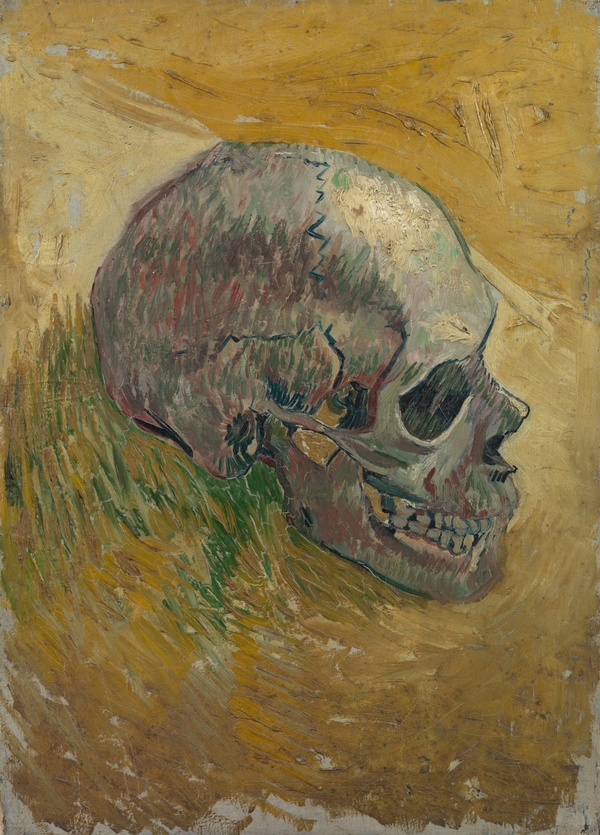
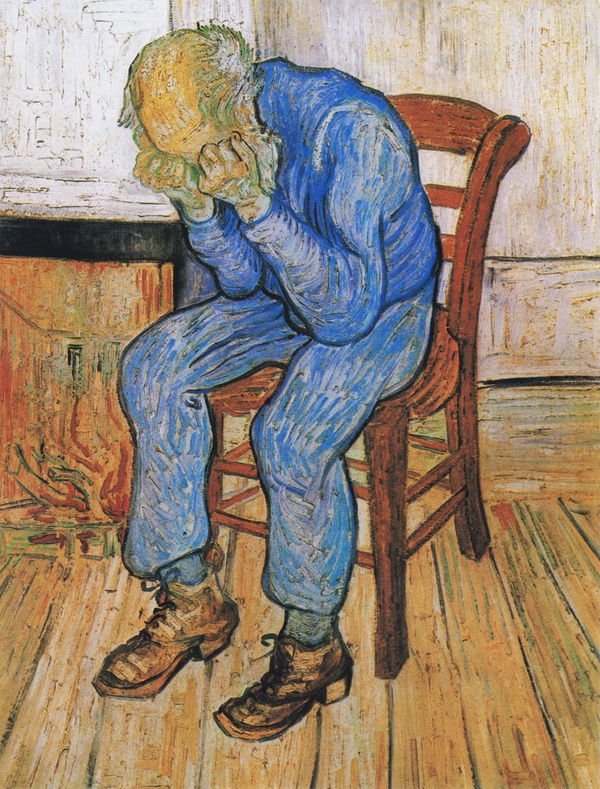
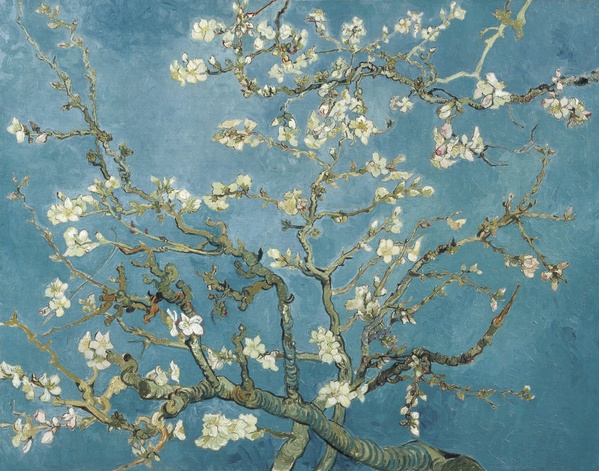
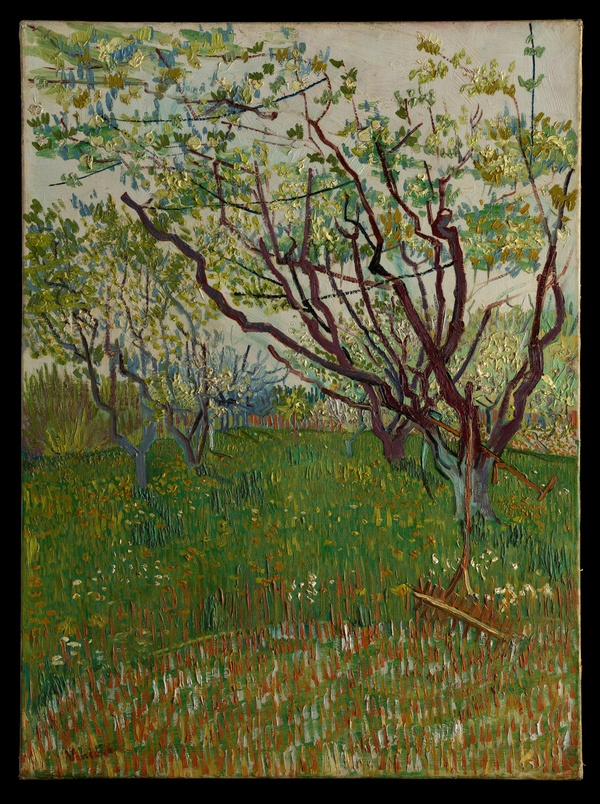
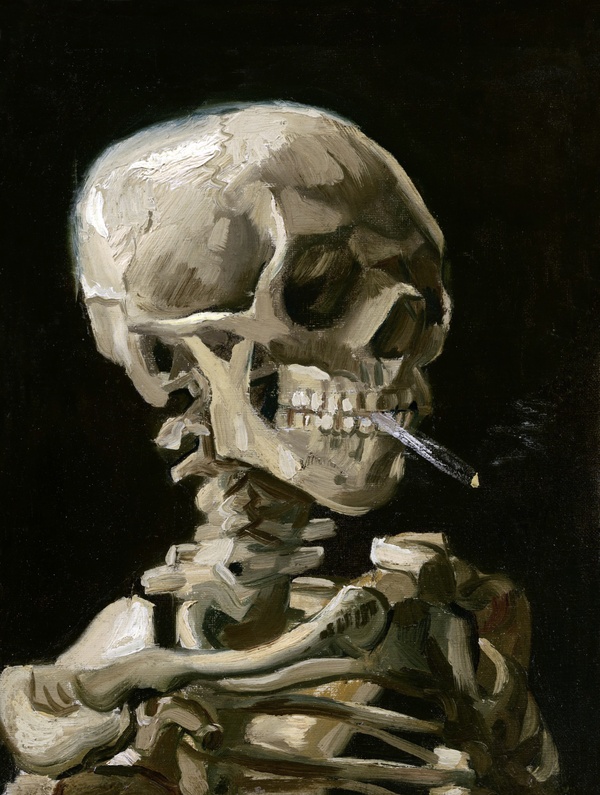
Van Gogh's own reckoning with mortality manifests not only in his stark "Skull" study but in the poignant vulnerability of "Sorrowing Old Man (At Eternity's Gate)," where despair becomes a form of prayer. Yet even in his darkest moments, the artist could not resist the call of blooming life, as evidenced in "Almond Blossom" and "The Flowering Orchard"—works that transform botanical subjects into hymns of resurrection and renewal.
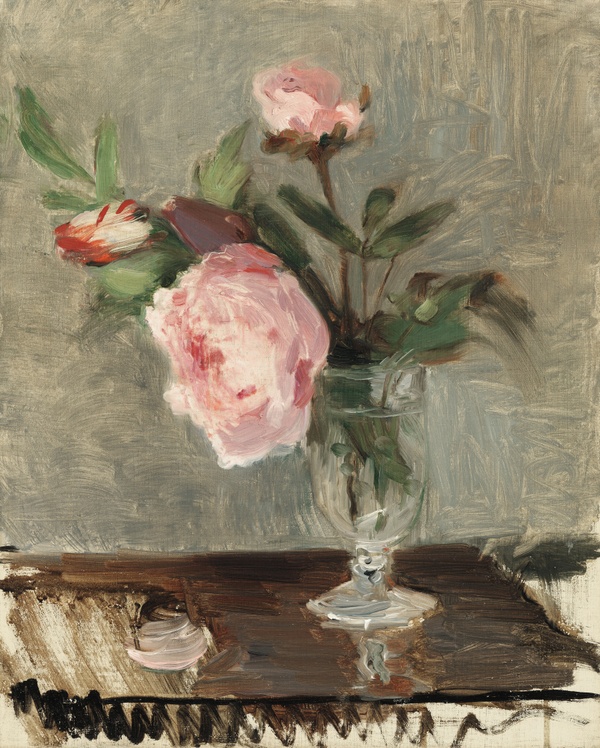
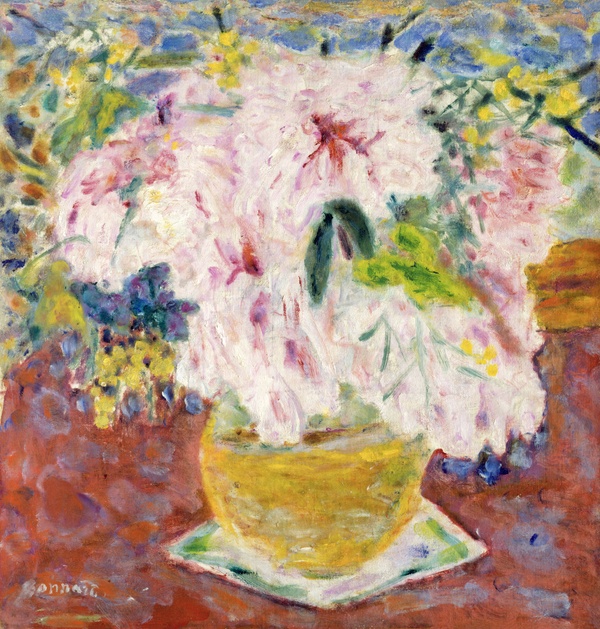
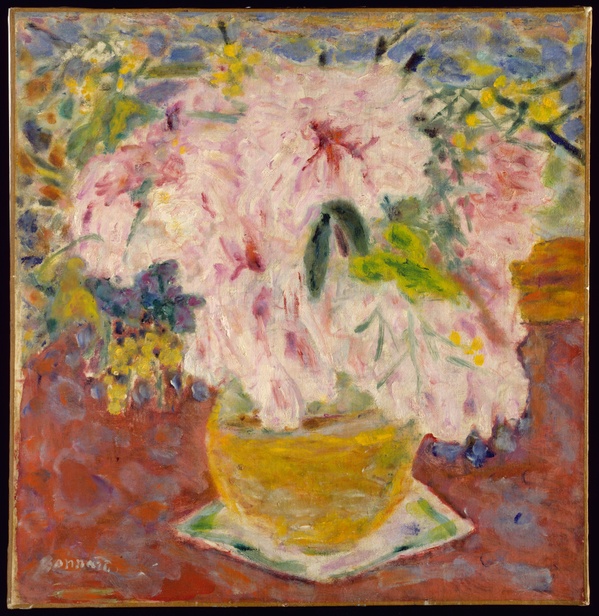
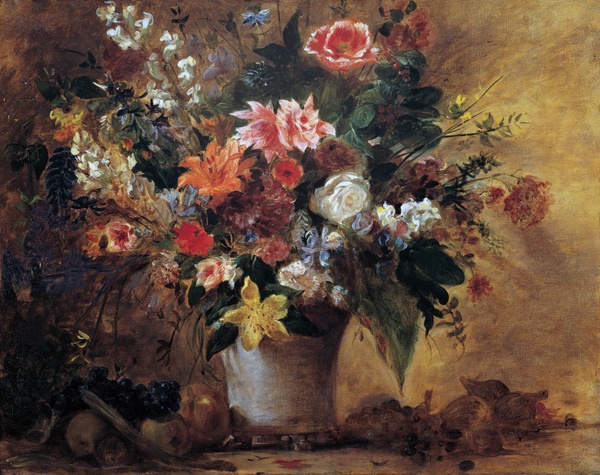
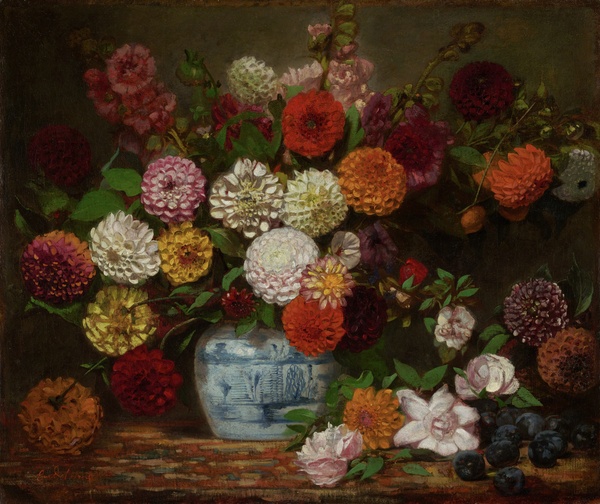
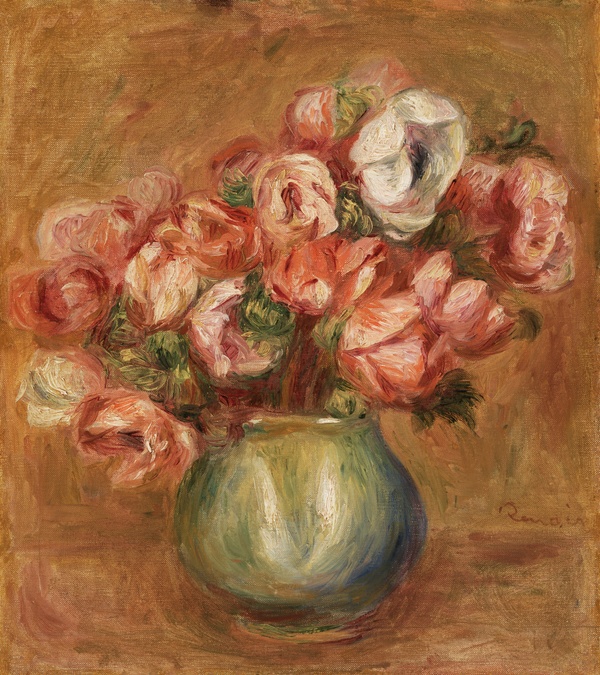
The tradition of offering flowers to commemorate the dead finds its most eloquent expression in the still life masters. Berthe Morisot's "Peonies" glow with Impressionist light, while Pierre Bonnard's "Pink Bouquet" paintings radiate warmth against the darkness of forgetting. Eugène Delacroix's exuberant floral arrangements—his "Still Life of Flowers" and "Large Bouquet of Flowers"—burn with Romantic intensity, as if each petal were a flame lit in memory of the departed.
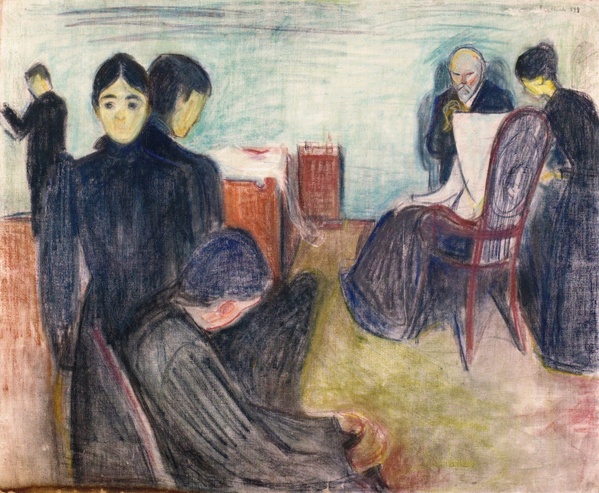
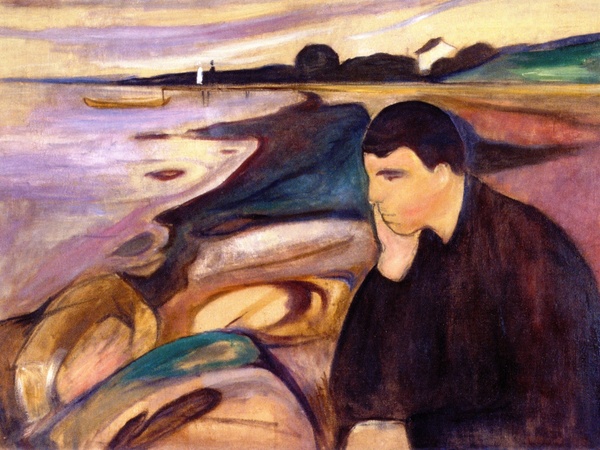
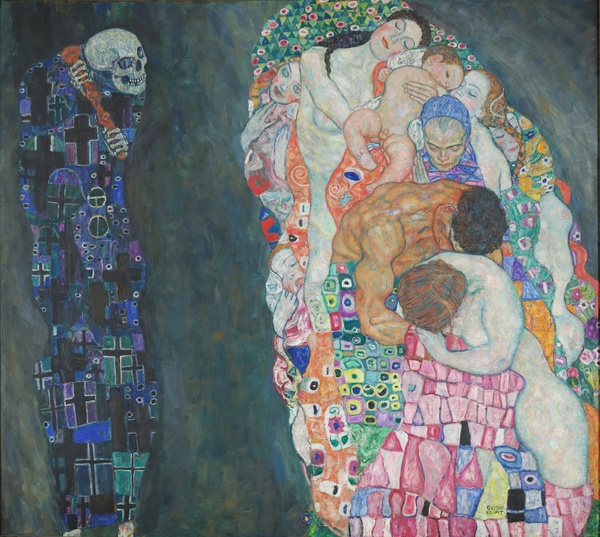
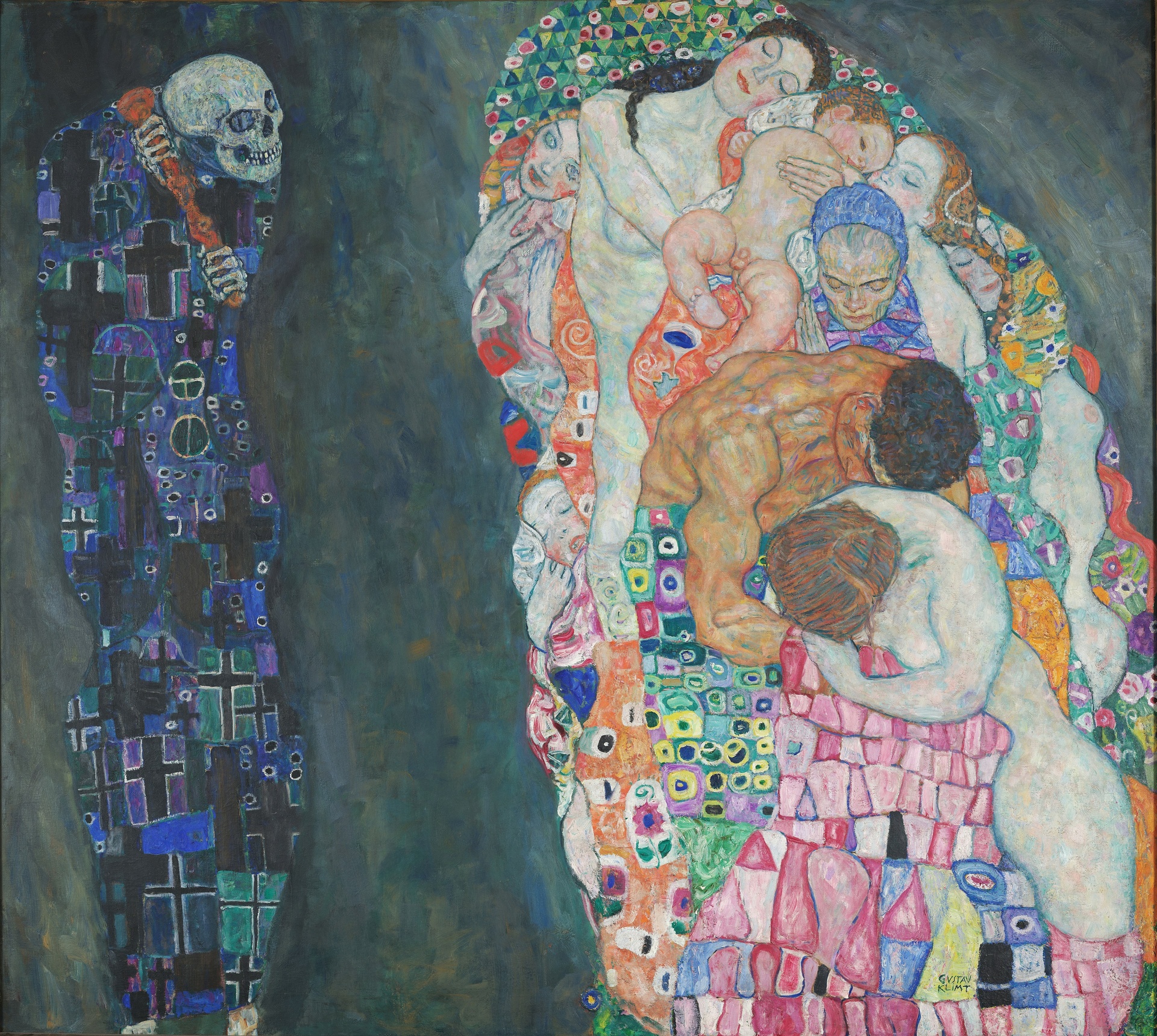
Edvard Munch's psychological landscapes of loss—"Death in the Sickroom" and "Melancholy"—reveal how grief transforms both the mourner and the space around them. The room becomes a chapel, the beach a meditation on absence. In contrast, Gustav Klimt's "Death and Life" presents mortality not as ending but as counterpoint, where death's dark robes enfold the golden abundance of human experience like earth embracing seed.
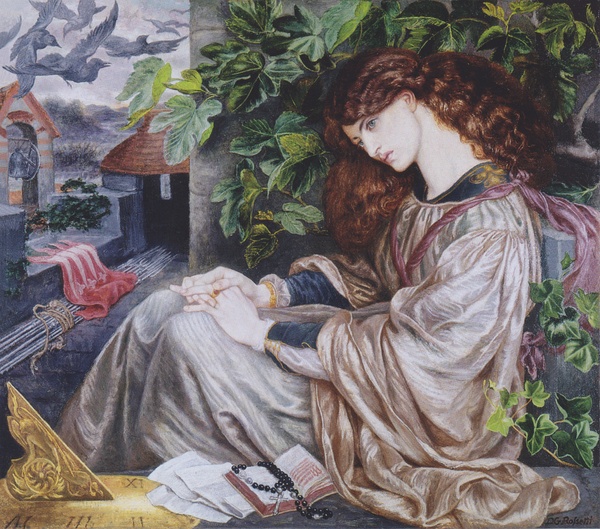
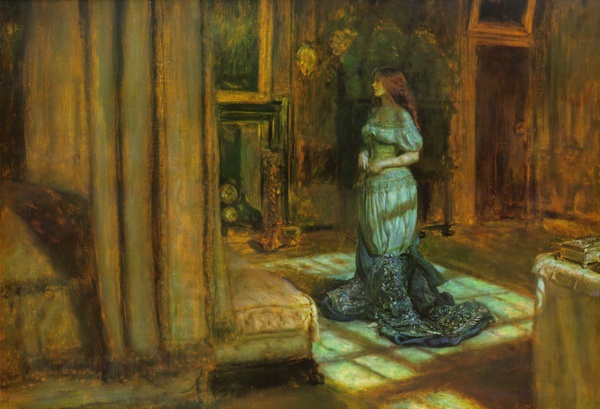
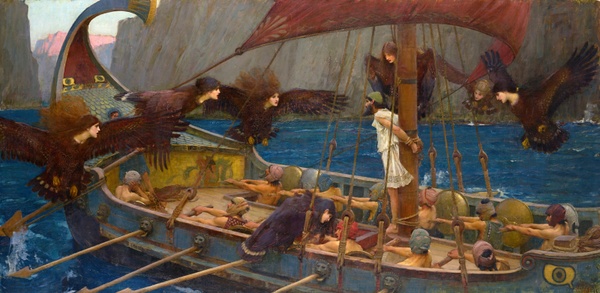
The Pre-Raphaelites understood this sacred relationship between beauty and mortality with particular acuity. Dante Gabriel Rossetti's "La Pia de' Tolomei" and John Everett Millais's "The Eve of St Agnes" present women caught between worlds—earthly beauty touched by otherworldly light. John William Waterhouse's "Ulysses and the Sirens" reminds us that sometimes the most beautiful songs are those that call us toward our fate.
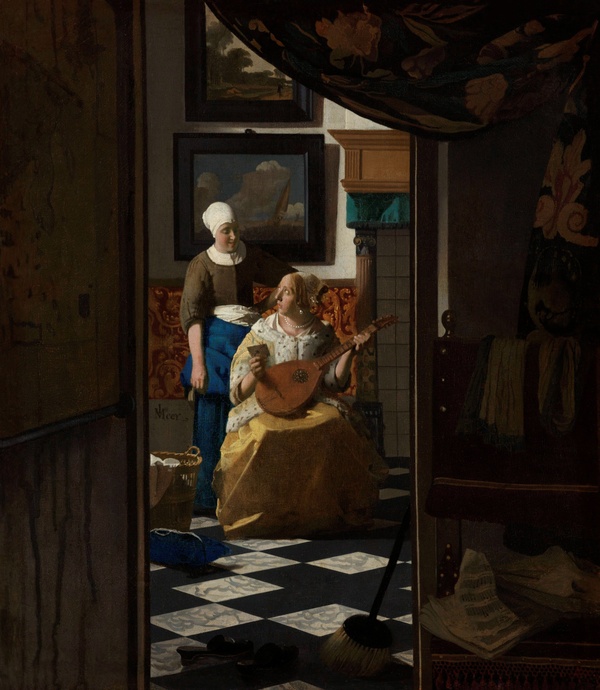
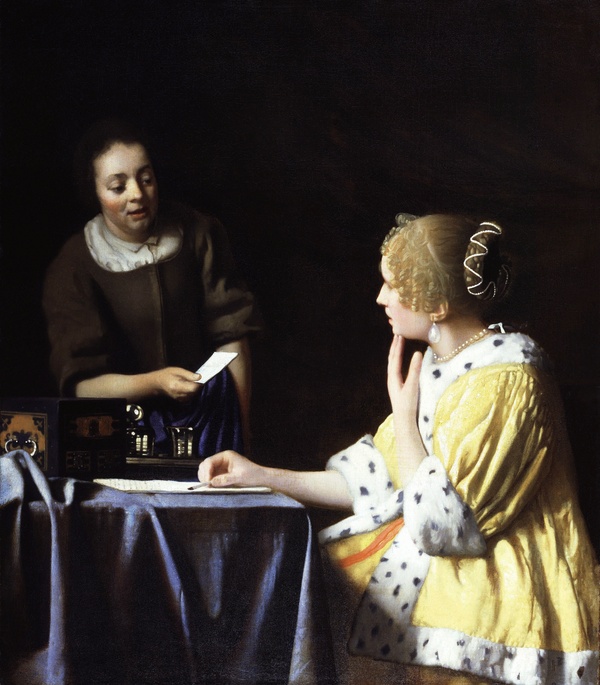
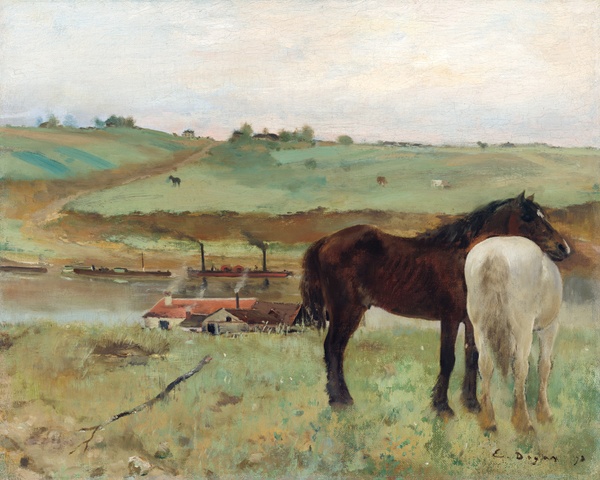
Even in works where death seems absent, its presence hovers like incense. Johannes Vermeer's domestic scenes—"The Love Letter" and "Mistress and Maid"—capture moments of such crystalline perfection that they seem preserved against time's erosion. Edgar Degas's "Horses in a Meadow" presents pastoral tranquility that gains poignancy from our knowledge of its fragility.
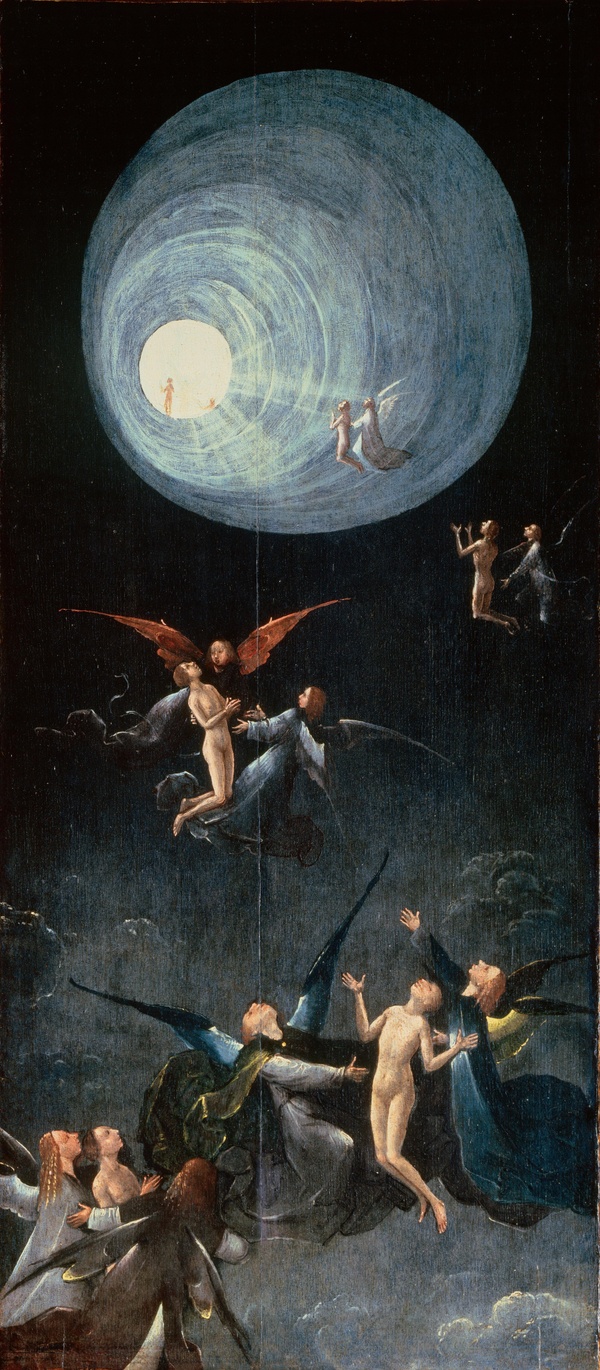
The exhibition's visual crescendo arrives with Hieronymus Bosch's "Ascent of the Blessed," where souls rise toward divine light like flowers turning toward the sun. This medieval master understood that death is not darkness but transformation—not the withering of the flower, but its return to the infinite garden from which it came.
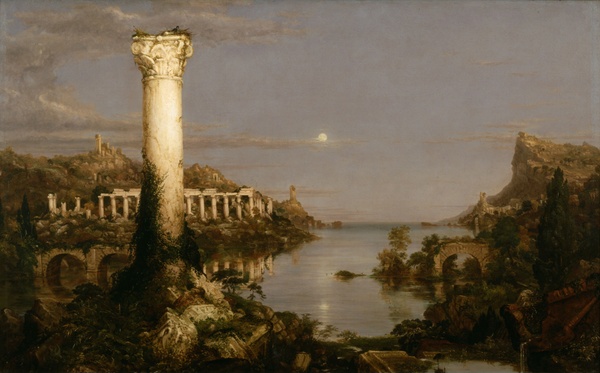
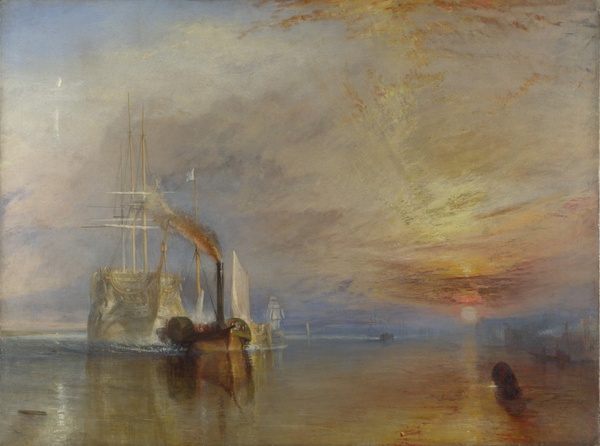
Finally, we witness civilization itself as a form of mortal beauty in Thomas Cole's "The Course of Empire: Desolation" and Turner's "The Fighting Temeraire." These works remind us that even our greatest achievements are flowers offered to time's altar, beautiful precisely because they cannot last.
In this gallery of memory, every artwork becomes a floral tribute to the mystery of existence—each canvas a petal in an eternal bouquet laid at the feet of time itself.