In the cathedral of human creativity, gold has always been more than mere metal—it is the language of the divine, the currency of transcendence, the medium through which earthly beauty touches the eternal. This luminous treasury reveals how master painters across centuries have wielded golden light as both pigment and metaphor, transforming canvas into windows of celestial radiance.
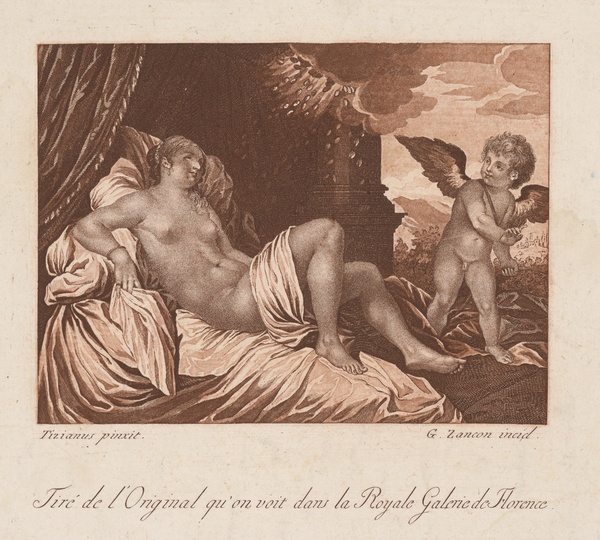
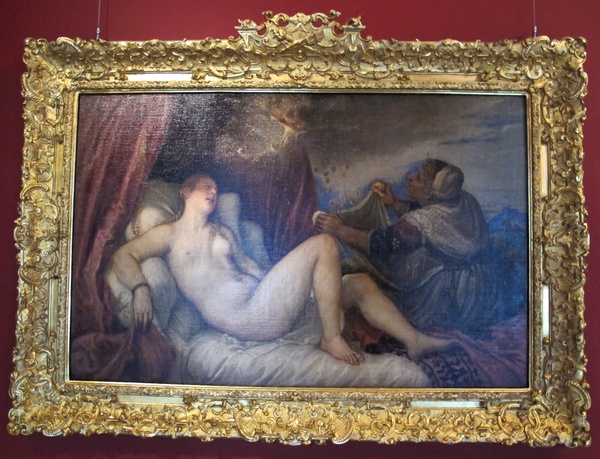
Our journey begins in the mythic realm where Titian's 'Danaë' (1544–1546) presents the most literal manifestation of our theme. Here, Zeus descends as a shower of gold upon the reclining princess, each gleaming droplet painted with such sensuous precision that we witness not merely a mythological seduction, but the very moment when divine light penetrates mortal flesh. The golden cascade becomes a metaphor for artistic inspiration itself—the moment when ethereal beauty materializes into tangible form.
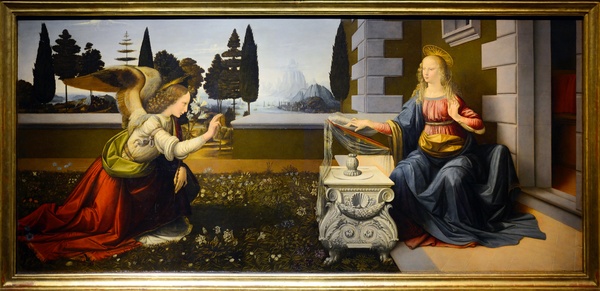
From this classical foundation, we move to the sacred intimacy of Leonardo's 'Annunciation' (1472), where divine light suffuses a Tuscan garden with otherworldly luminescence. The young master understood that gold need not be literal to be transformative; his golden atmospheric glow suggests the presence of the sacred in the everyday world, anticipating the spiritual radiance that would define Renaissance painting.
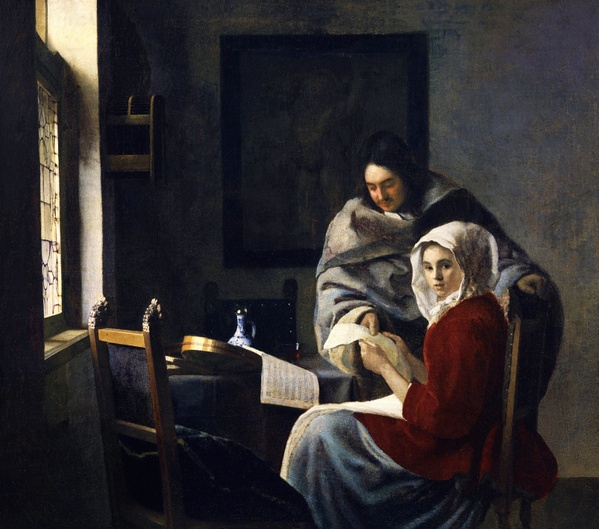
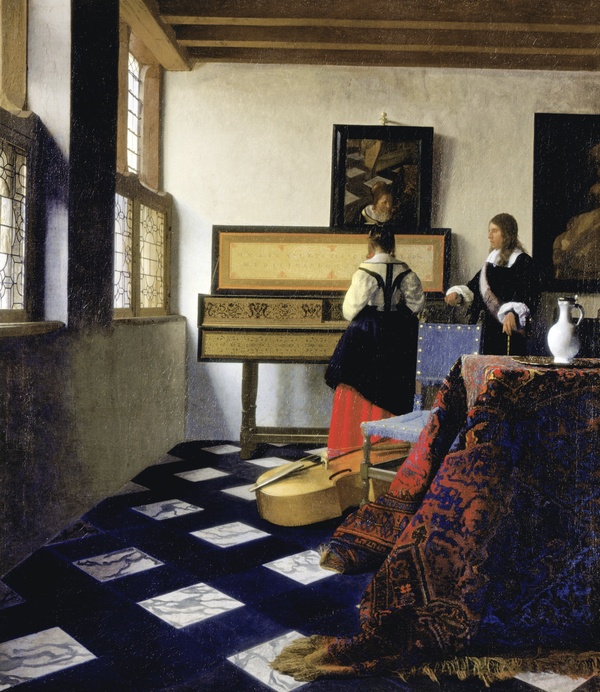
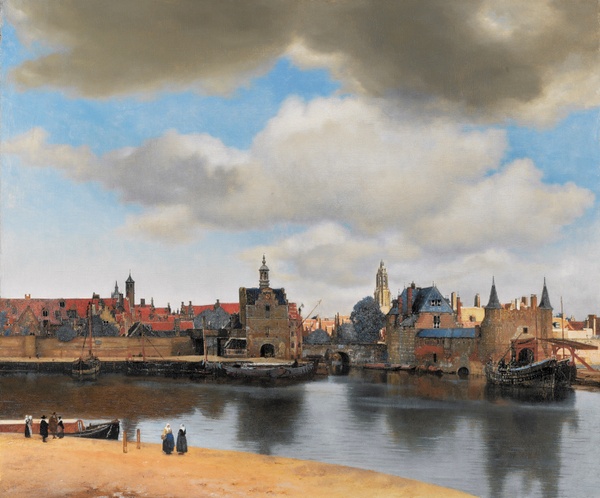
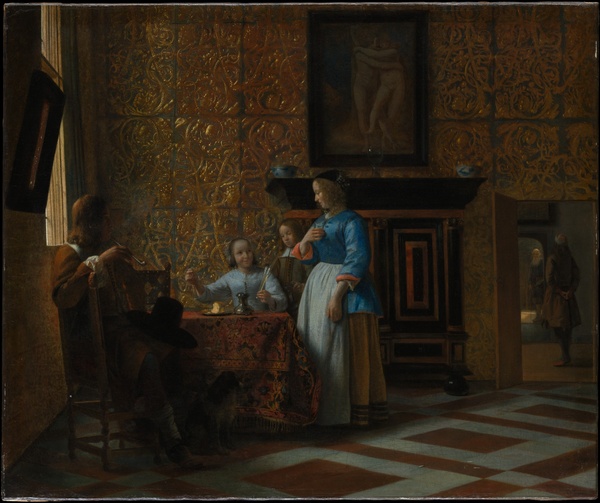
But it is in the hands of Johannes Vermeer that golden light achieves its most profound domestic poetry. In 'Girl Interrupted at Her Music' (c. 1658–1659) and 'The Music Lesson' (c. 1662–1665), we witness the Dutch master's revolutionary understanding of how natural light can be transformed into liquid gold through the alchemy of oil paint. These intimate interiors glow with a warmth that seems to emanate from within the pigment itself, as if Vermeer had discovered how to trap sunlight on canvas. His 'View of Delft' (1660) extends this mastery to the urban landscape, where the golden light of a clearing storm transforms his hometown into a vision of the New Jerusalem.
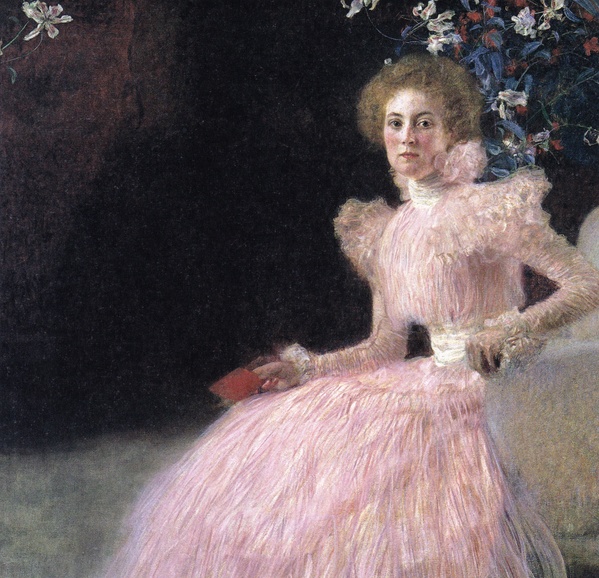
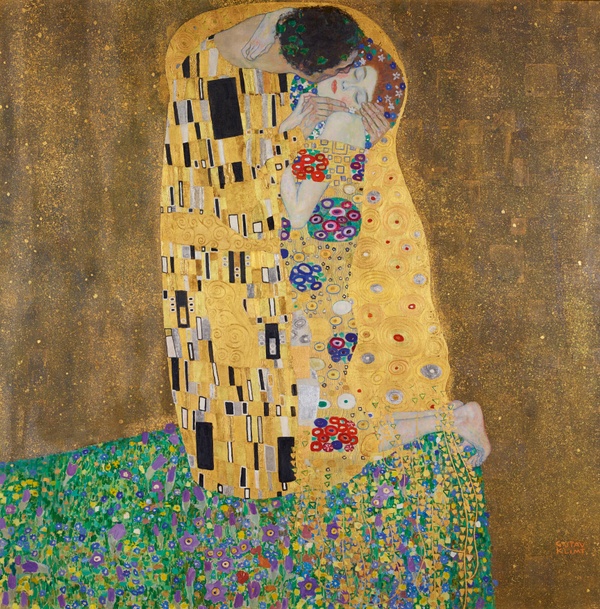
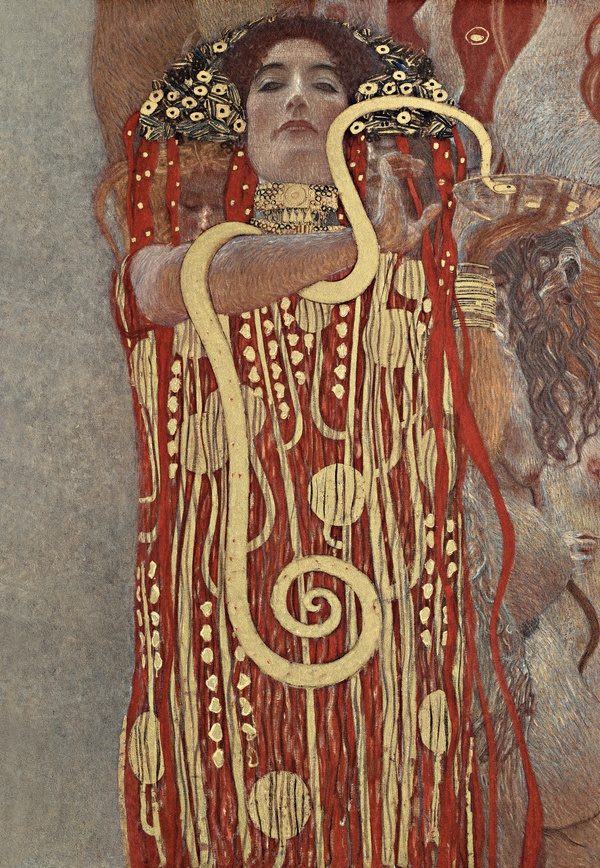
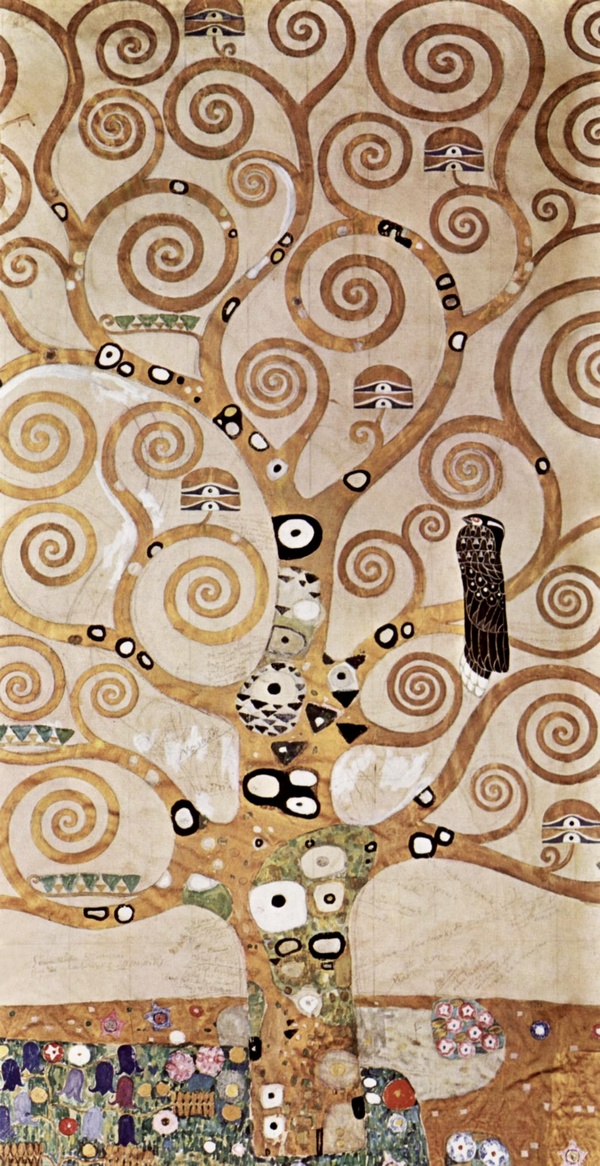
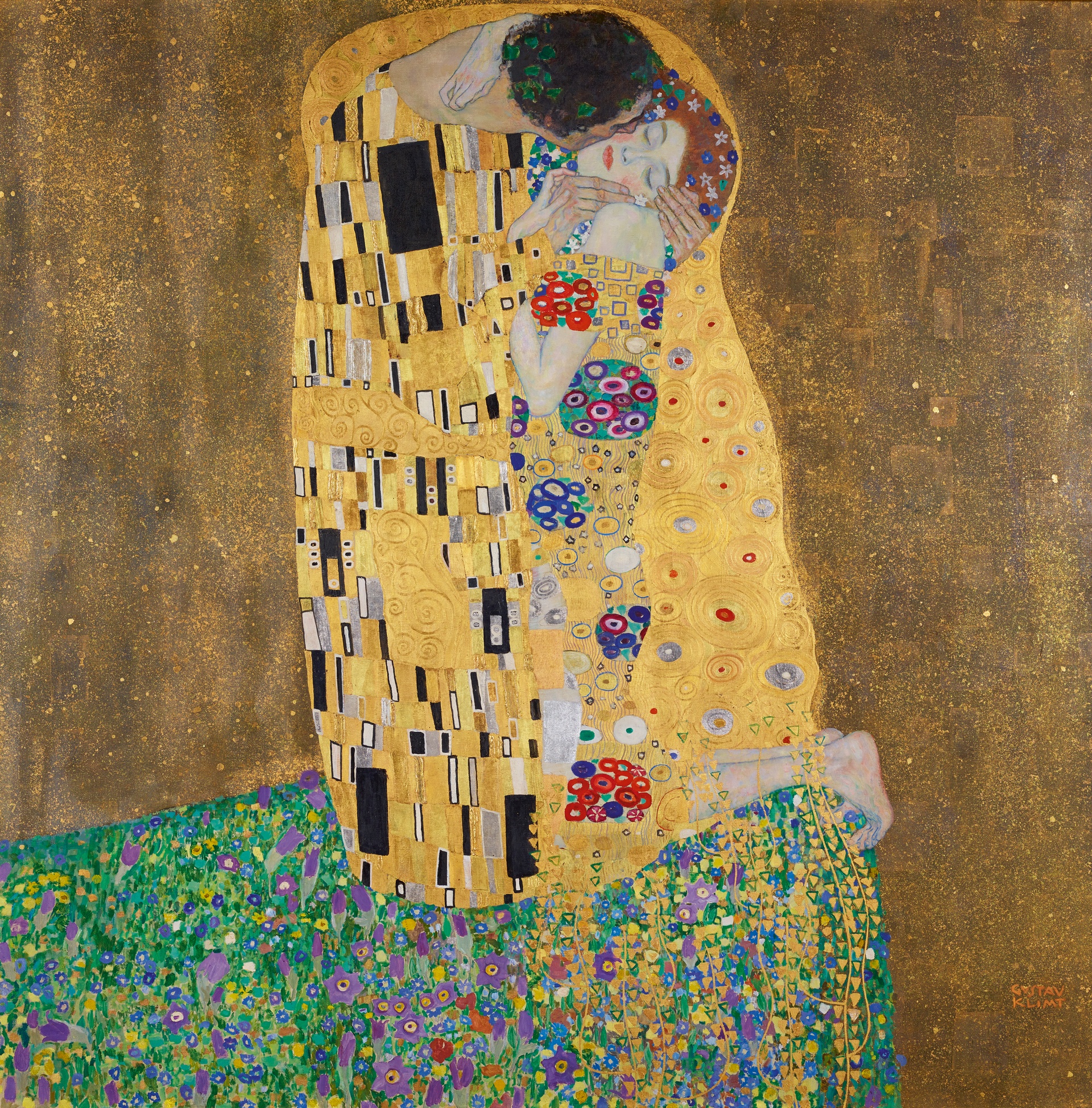
Centuries later, Gustav Klimt would literalize this metaphorical gold in works like 'The Kiss' (1908) and 'The Tree of Life' (1905–1909). Here, actual gold leaf creates surfaces that seem to breathe with their own inner fire. In 'Bildnis Sonja Knips' (1898), Klimt demonstrates how golden backgrounds can isolate and sanctify the human figure, while his 'Hygieia' (1900–1907) presents the goddess of health wreathed in Byzantine splendor that recalls medieval illuminated manuscripts.
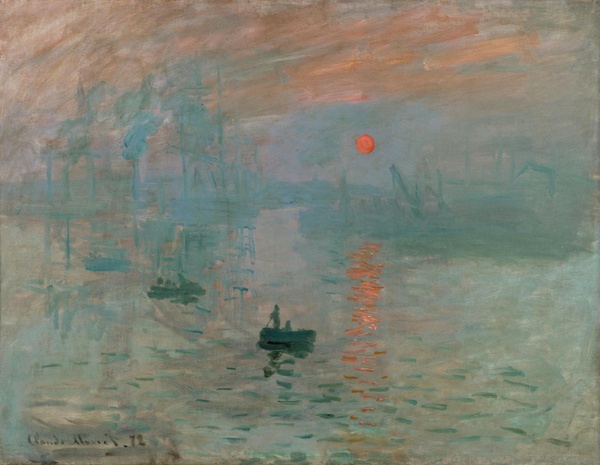
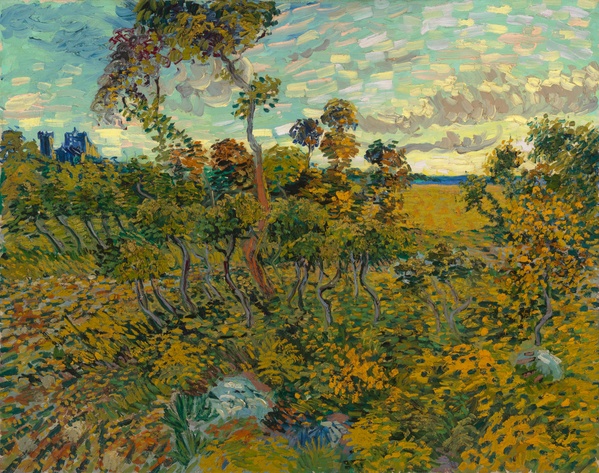
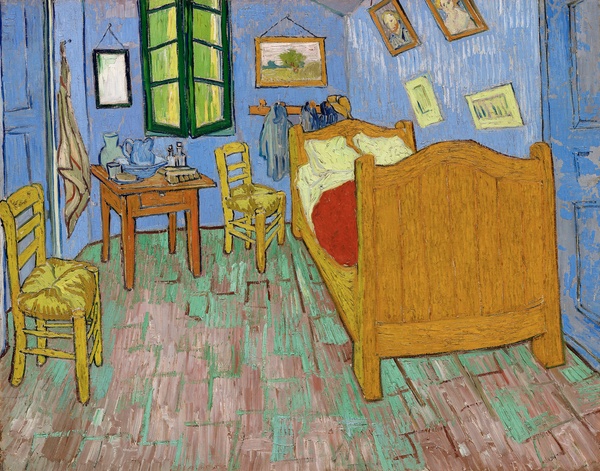
The Impressionists reimagined golden light as pure optical sensation. Monet's revolutionary 'Impression, Sunrise' (1872) captures the precise moment when dawn's golden orb emerges from harbor mist, while Van Gogh's 'Sunset at Montmajour' (1888) transforms the Provençal landscape into a symphony of golden brushstrokes. In 'The Bedroom in Arles' (1888), Van Gogh proves that even humble yellow walls can radiate with spiritual intensity when touched by an artist's transformative vision.
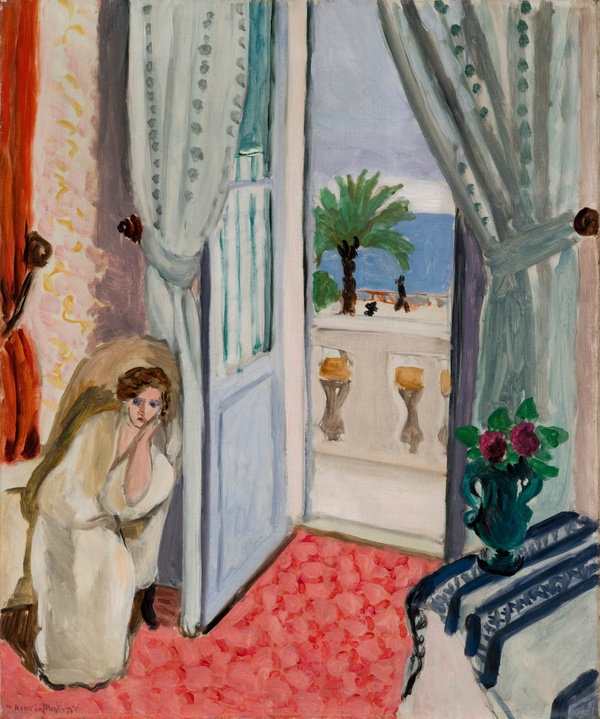
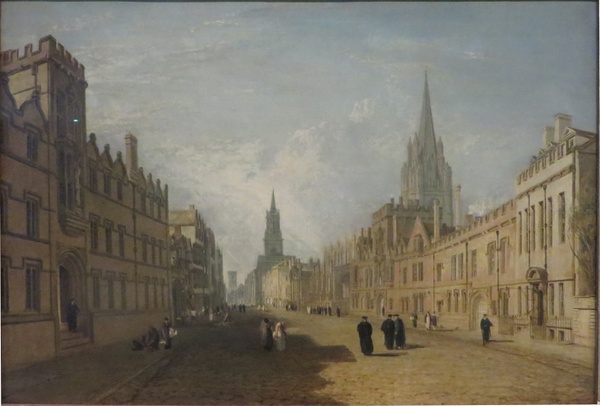
Matisse's 'Interior at Nice' (ca. 1919–1920) offers a modernist meditation on how Mediterranean light can flood domestic spaces with golden warmth, while Turner's 'High Street, Oxford' (1810) demonstrates the Romantic fascination with light as both atmospheric phenomenon and spiritual metaphor.
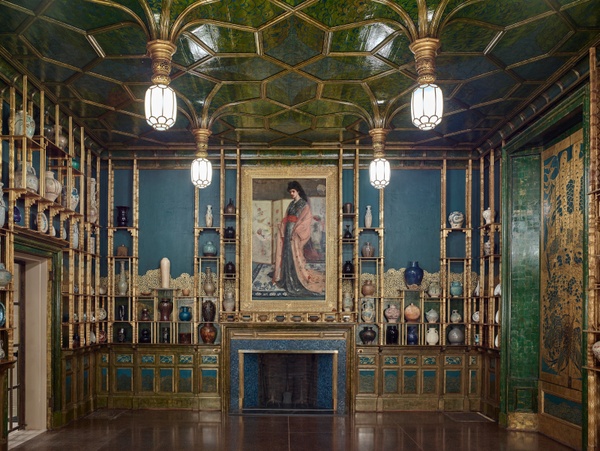
Our journey culminates in the decorative arts with Whistler's 'Harmony in Blue and Gold: The Peacock Room' (1876–1877), where gold leaf transforms an entire interior into a gesamtkunstwerk—a total work of art that envelops the viewer in aureate splendor.
Through these masterworks, we witness gold and light's eternal dialogue with the human soul. Whether literal or metaphorical, divine or domestic, these golden emanations remind us that art's highest calling has always been to make visible the invisible light that illuminates our deepest longings for beauty, meaning, and transcendence.