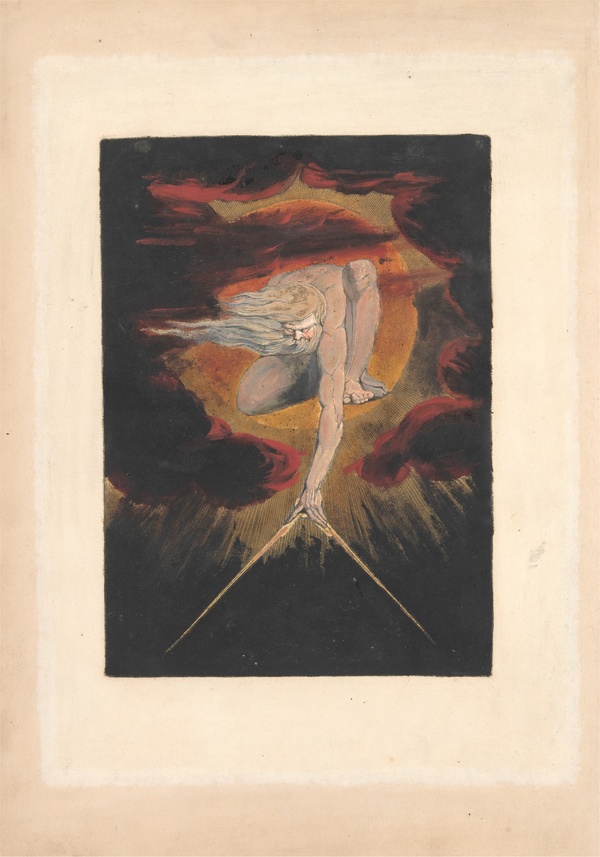
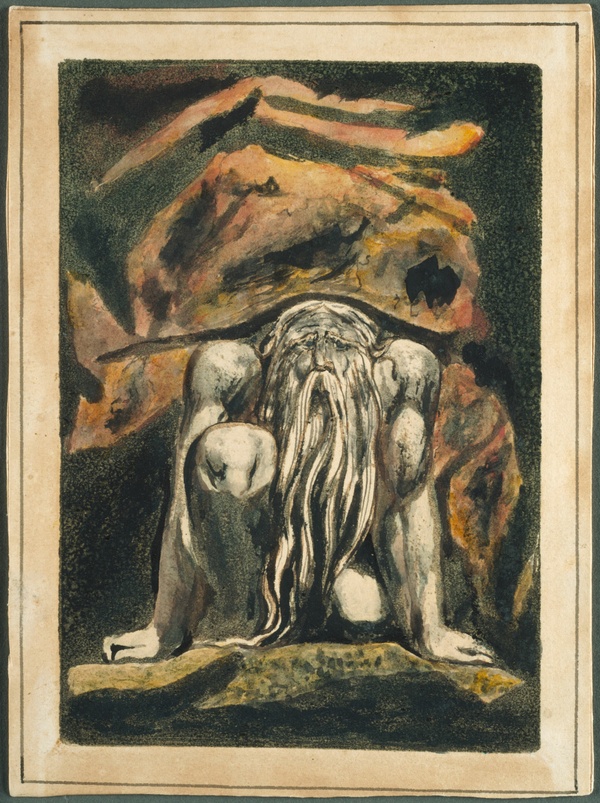
Our journey through "Monumental Whispers" begins not with stone, but with the very act of cosmic genesis. William Blake's Europe. A Prophecy, Plate 1, Frontispiece ("The Ancient of Days") unfurls a universe born of divine measurement, a celestial architect – Blake’s Urizen – imposing order upon the void. This primal act of creation sets the stage for monuments both natural and man-made, and the relentless march of time that inevitably claims them.
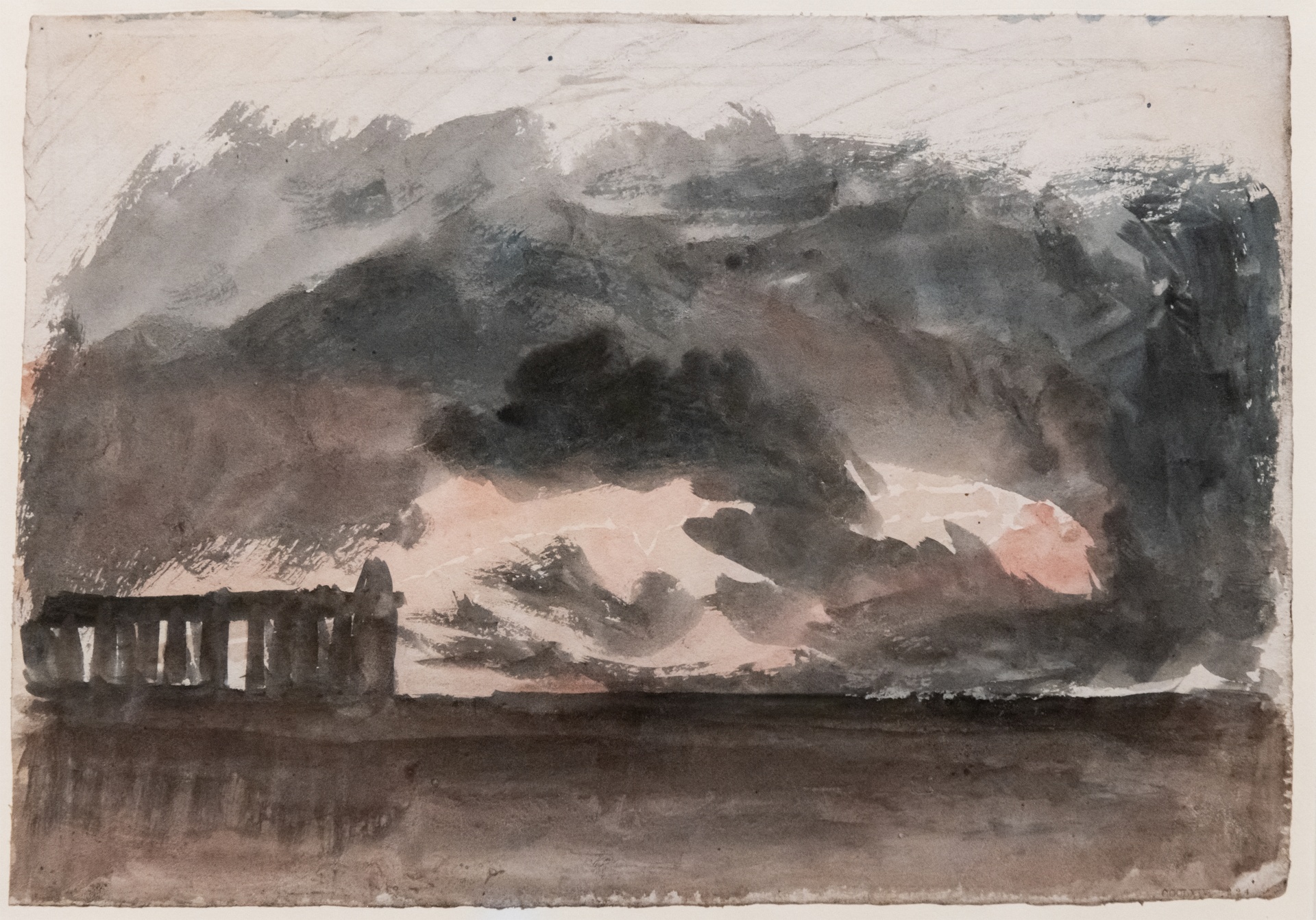
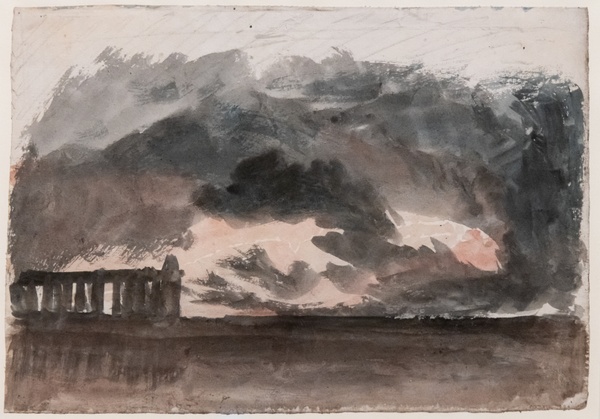
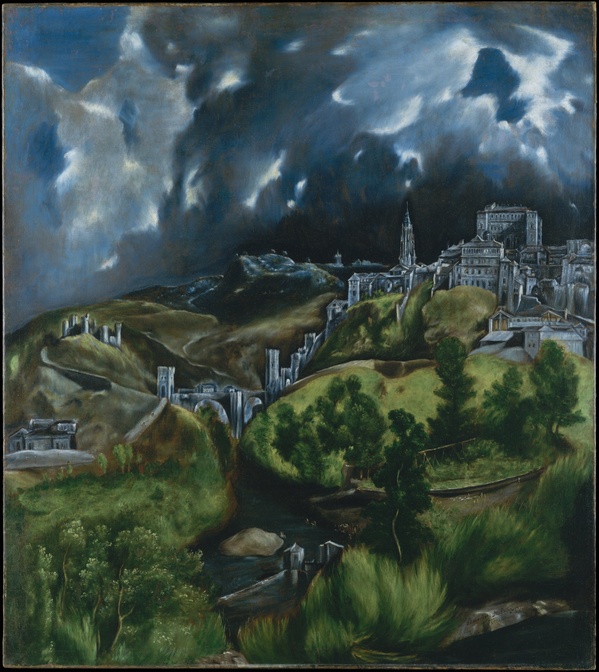
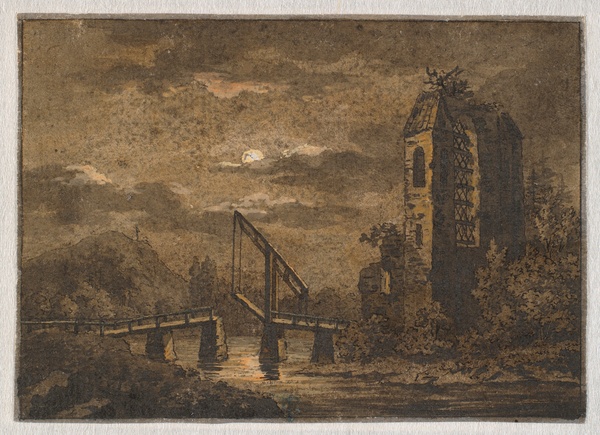
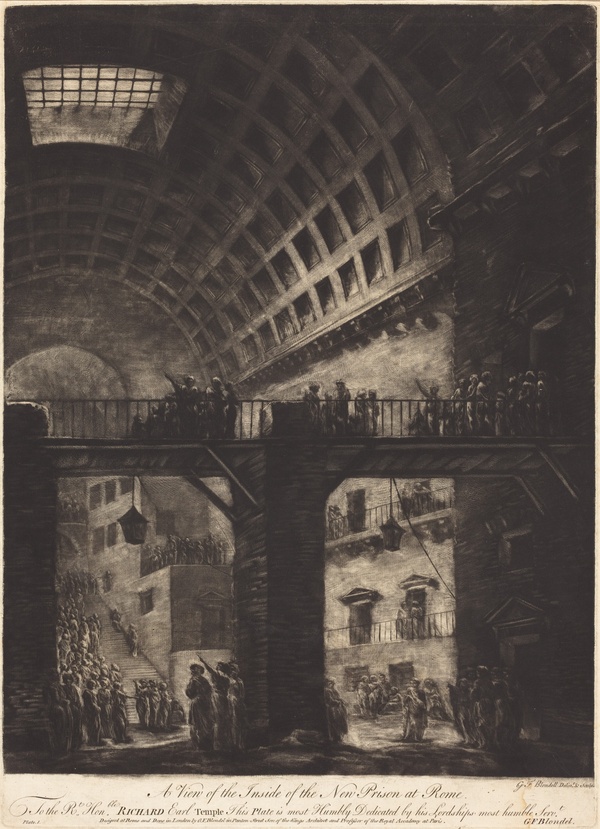
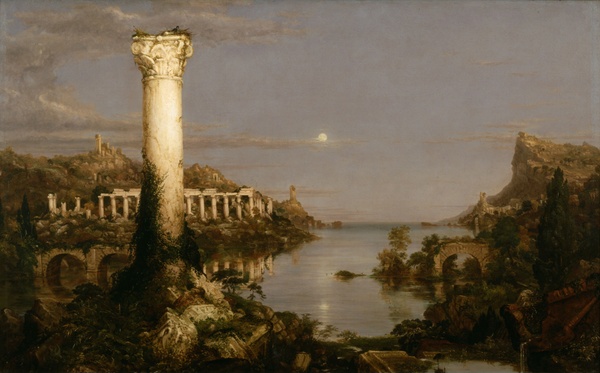
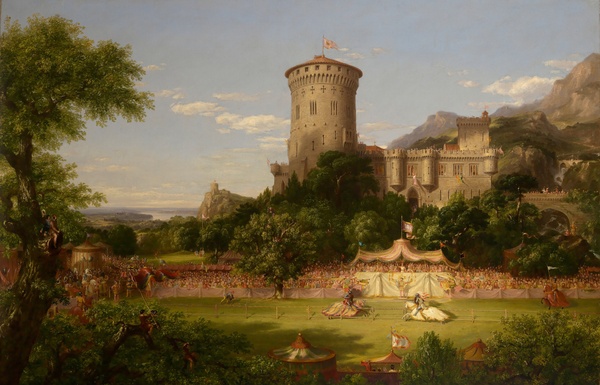
We descend to Earth, where ancient civilizations left their colossal marks. J.M.W. Turner's Paestum - J.M.W. Turner (c.1823-6) engulfs Greek temples in a dramatic storm, a breathtaking tableau of enduring architecture pitted against sublime natural forces. El Greco’s View of Toledo captures a city’s monumental presence under a tempestuous, brooding sky, hinting at historical gravitas. The melancholic beauty of ruins is further explored in Caspar David Friedrich’s Landscape with Drawbridge and Ruin in Moonlight, where moonlight bathes the remnants of human endeavor, whispering tales of forgotten eras. Georges François Blondel's A View of the Inside of the New Prison at Rome reveals the monumental scale of Roman engineering from within, its shadows echoing the weight of history and power. Eventually, even the grandest empires succumb, as vividly depicted in Thomas Cole’s haunting The Course of Empire: Desolation, where nature reclaims shattered monuments, a stark reminder of transient glory. Yet, before this decay, there was a vibrant past, as Cole also shows in The Past, a lively scene before a grand castle, full of human spirit and colorful pageantry.
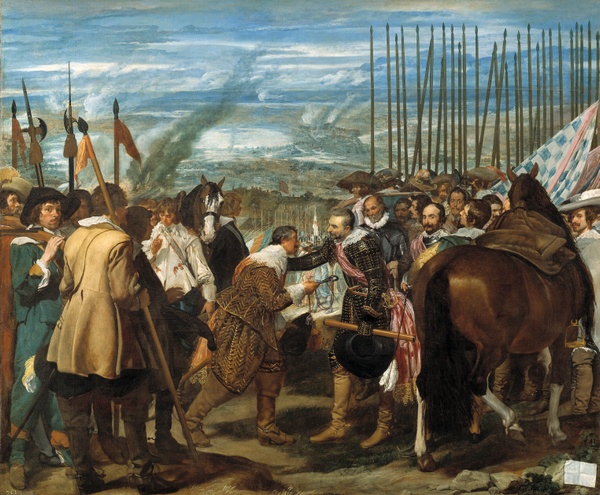
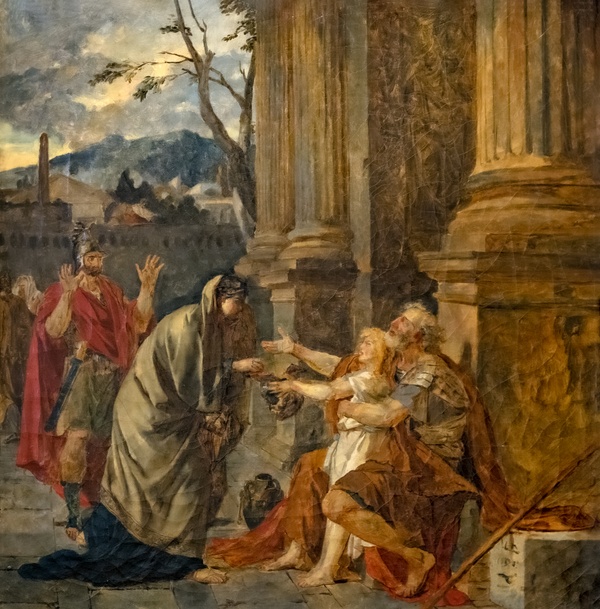
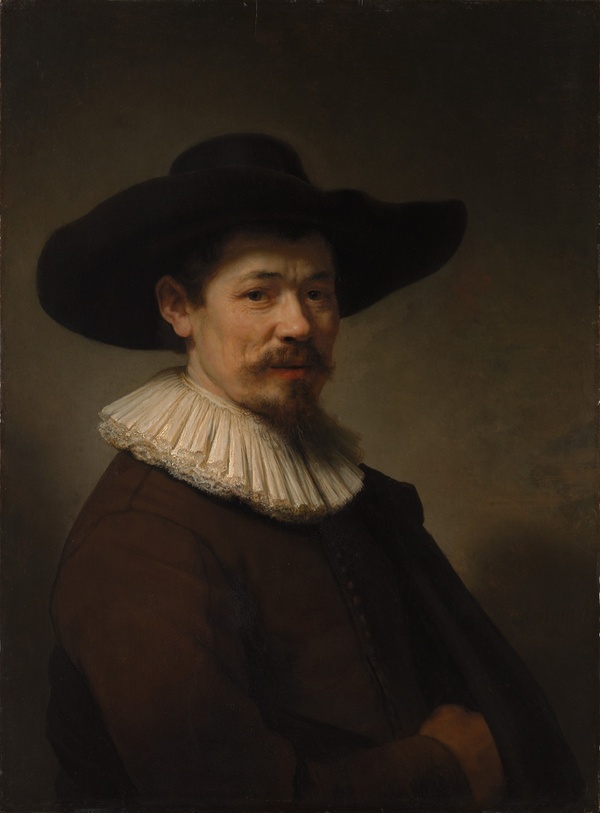
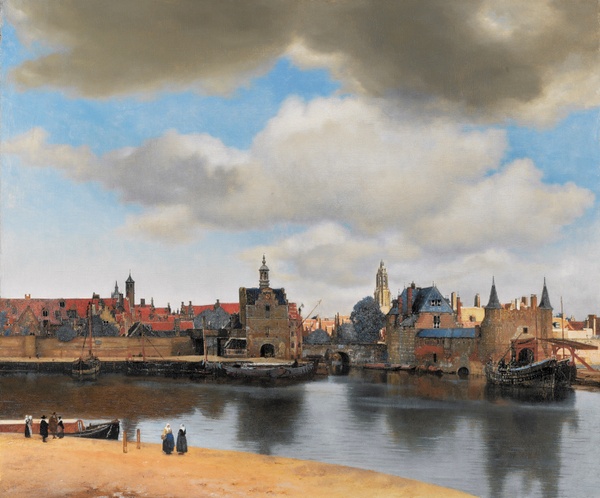
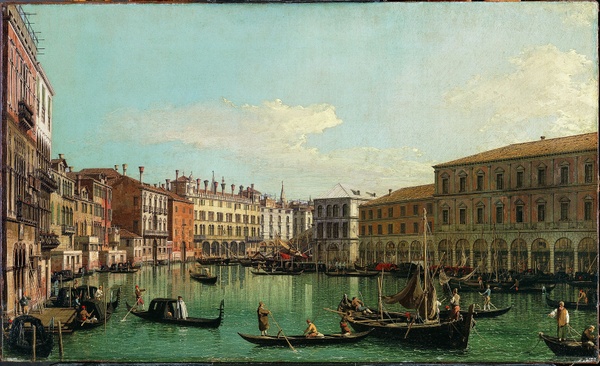
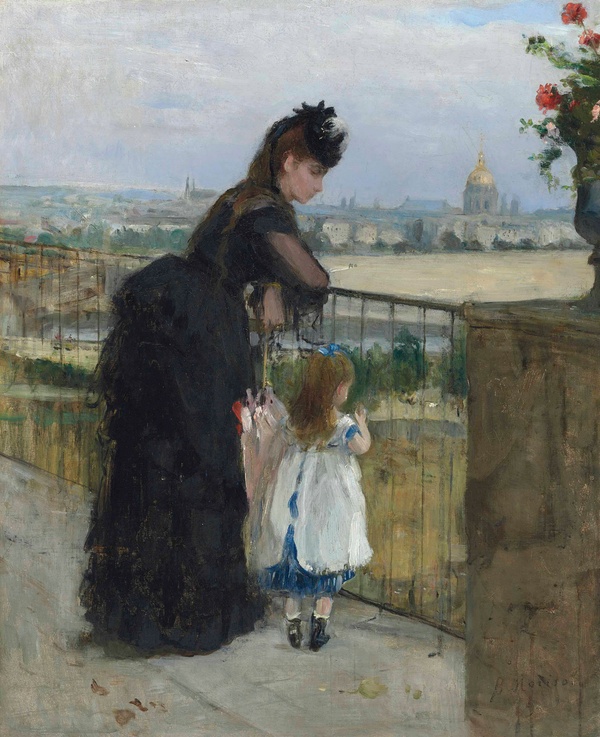
Humanity, however, is not merely a transient force. Its spirit endures in monumental historical moments and individual lives. Diego Velázquez's The Surrender of Breda (Las Lanzas) captures a moment of solemn dignity amidst conflict, a testament to human narrative. Jacques-Louis David's Bélisaire reconnu par un soldat (Belisarius Recognized by a Soldier) portrays a poignant personal recognition, a fallen hero enduring. Rembrandt van Rijn’s Portrait of Herman Doomer offers a profound study of an individual, his presence etched with timeless gravitas. Johannes Vermeer’s View of Delft presents an enduring cityscape, a calm, monumental testament to a community’s quiet existence. Canaletto's Grand Canal, Venice, Looking South toward the Rialto Bridge captures the monumental beauty and enduring life of Venice, a city built against the tides. Berthe Morisot’s Woman and Child on a Balcony offers an intimate moment, a human whisper overlooking the vast, enduring urban sprawl.
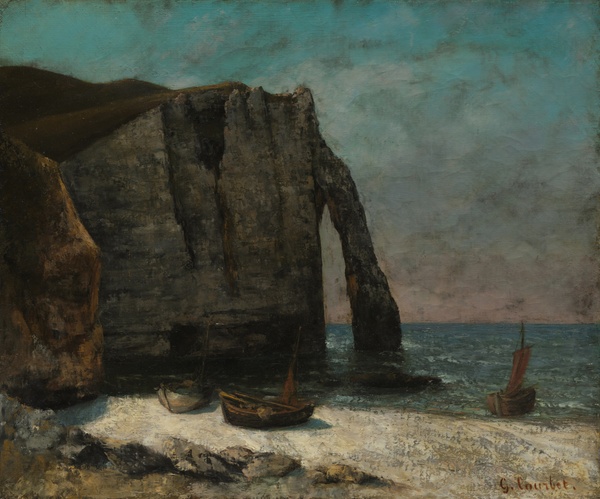
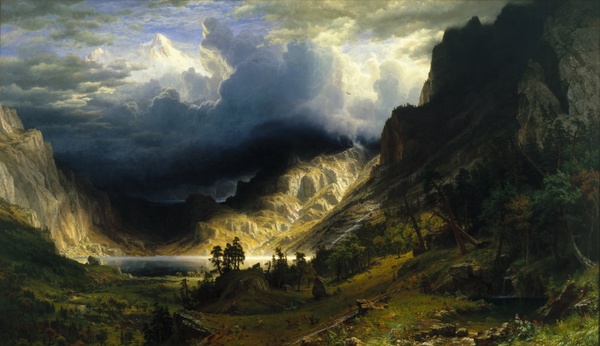
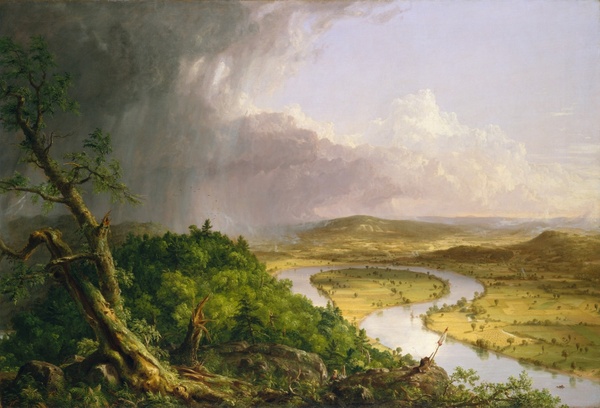
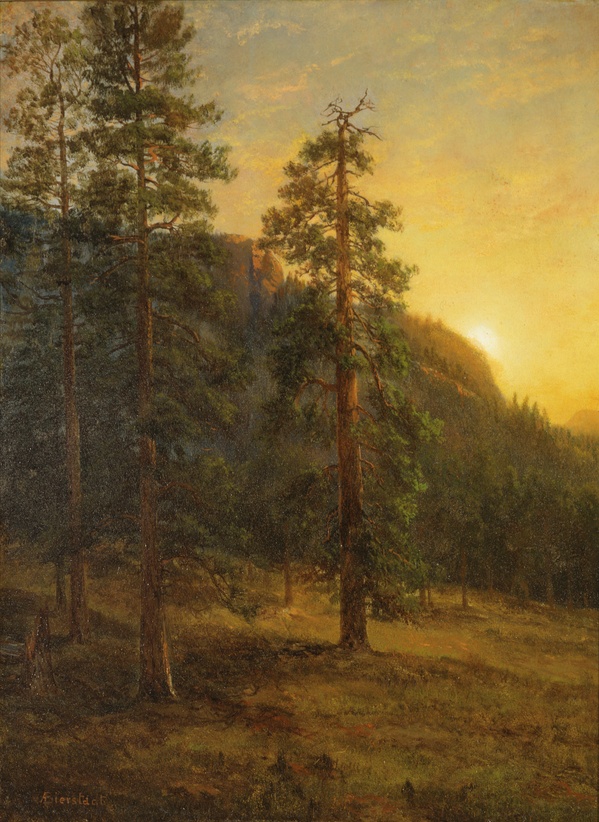
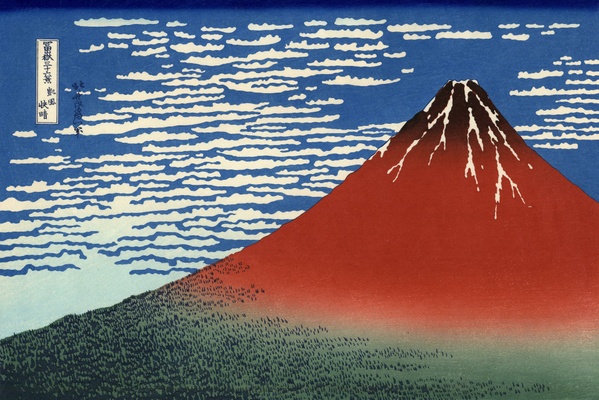
From human constructs, we turn to nature's own colossal forms, raw and eternal. Gustave Courbet's The Cliffs at Étretat captures the brute, monumental power of geological formations sculpted by the relentless sea. Albert Bierstadt’s A Storm in the Rocky Mountains, Mt. Rosalie presents an overwhelming vista of untamed wilderness, where cosmic drama unfolds across jagged peaks. Thomas Cole’s The Oxbow (View from Mount Holyoke, Northampton, Massachusetts, after a Thunderstorm) balances wild nature with human cultivation, exploring the monumental American landscape. Bierstadt’s California Redwoods celebrates nature's ancient living monuments, trees that defy centuries. Katsushika Hokusai’s South Wind, Clear Sky (Red Fuji) offers an iconic, serene, yet powerfully monumental image of Japan’s sacred peak.
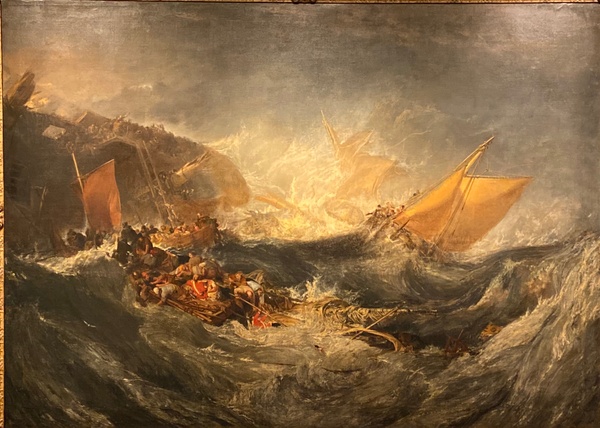
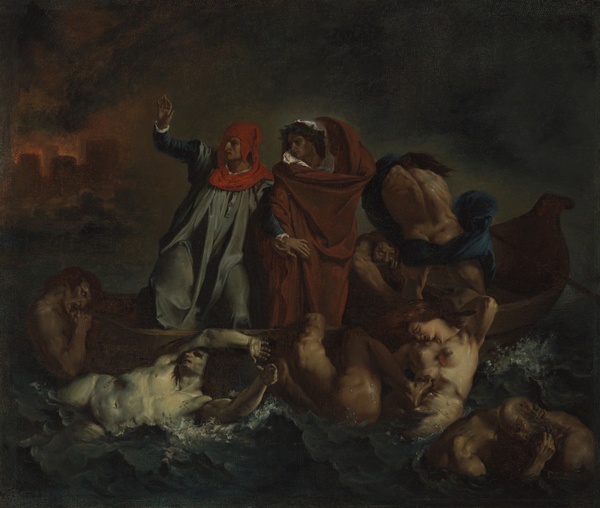
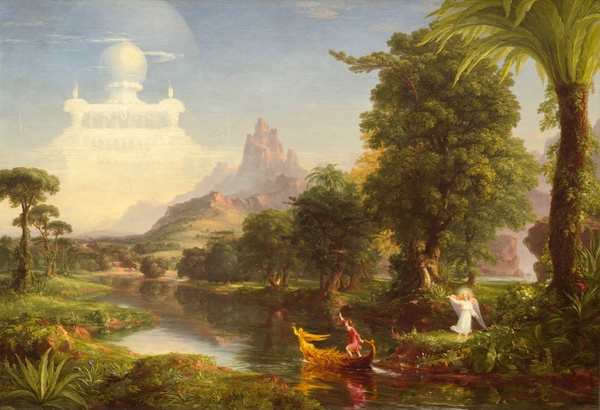
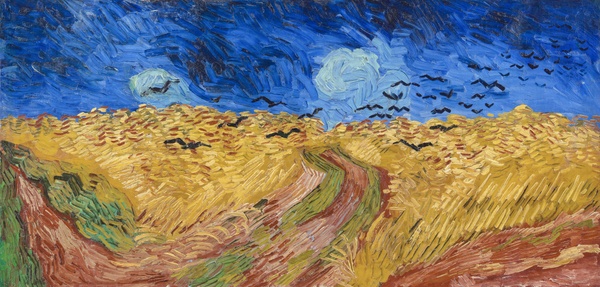
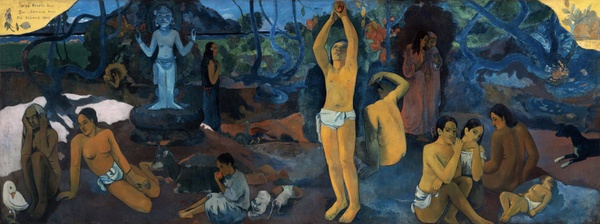
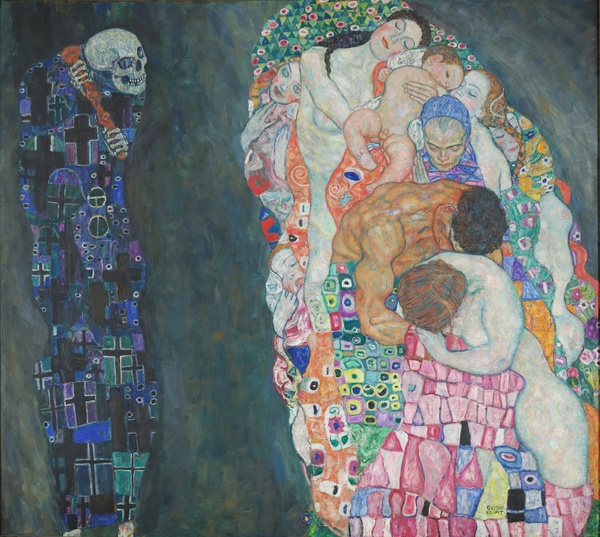
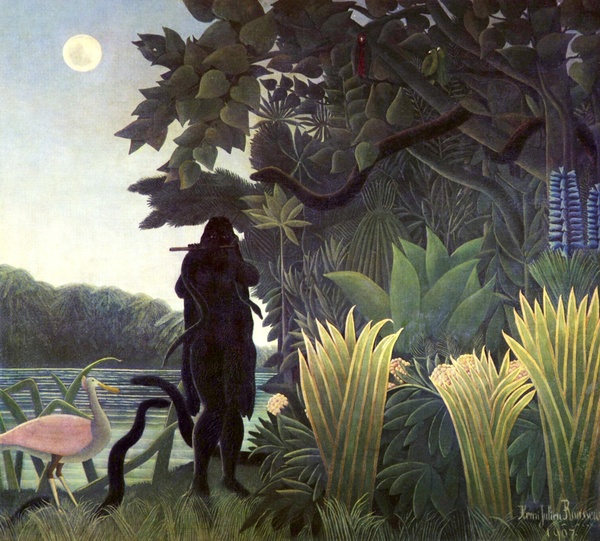
Finally, we confront the deepest existential inquiries, the cycles of life, death, and human destiny. J.M.W. Turner’s The Wreck of a Transport Ship starkly illustrates humanity's fragility against nature’s monumental fury, a prelude to the elegiac journey through allegorical suffering in Eugène Delacroix's The Barque of Dante, a monumental struggle for survival. Thomas Cole's The Voyage of Life (Ages of Life) unfolds the monumental allegory of human existence itself, a journey from innocence to old age. Vincent van Gogh’s Wheatfield with Crows confronts the viewer with the vast, turbulent expanse of life and a path leading to an unknown monumental destiny. Paul Gauguin's monumental Where Do We Come From? What Are We? Where Are We Going? poses humanity's most profound questions against a vibrant, primal backdrop. Gustav Klimt’s Death and Life encapsulates the eternal dance of these monumental forces, tender and stark. Henri Rousseau’s The Snake Charmer concludes our journey, a mystical, primal connection to nature, an enduring whisper from deep time, reaffirming the cyclical, monumental, and mysterious fabric of existence.