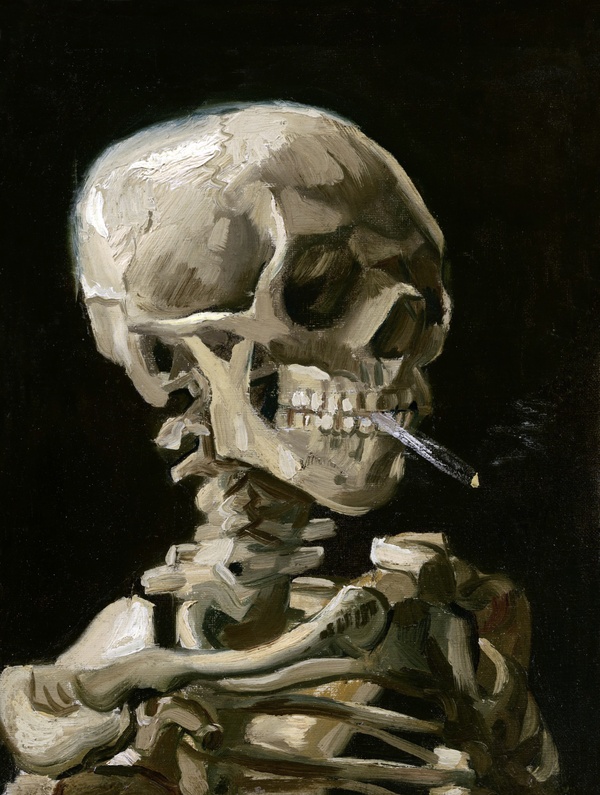
In the vast lexicon of human experience, there exists a profound space where despair and hope, absence and illumination, dance in an eternal pas de deux. It is this liminal realm, "Radiant Dark," that we explore, tracing how artists have given form to the interplay of shadow and light, revealing symbiosis, not merely contrast.
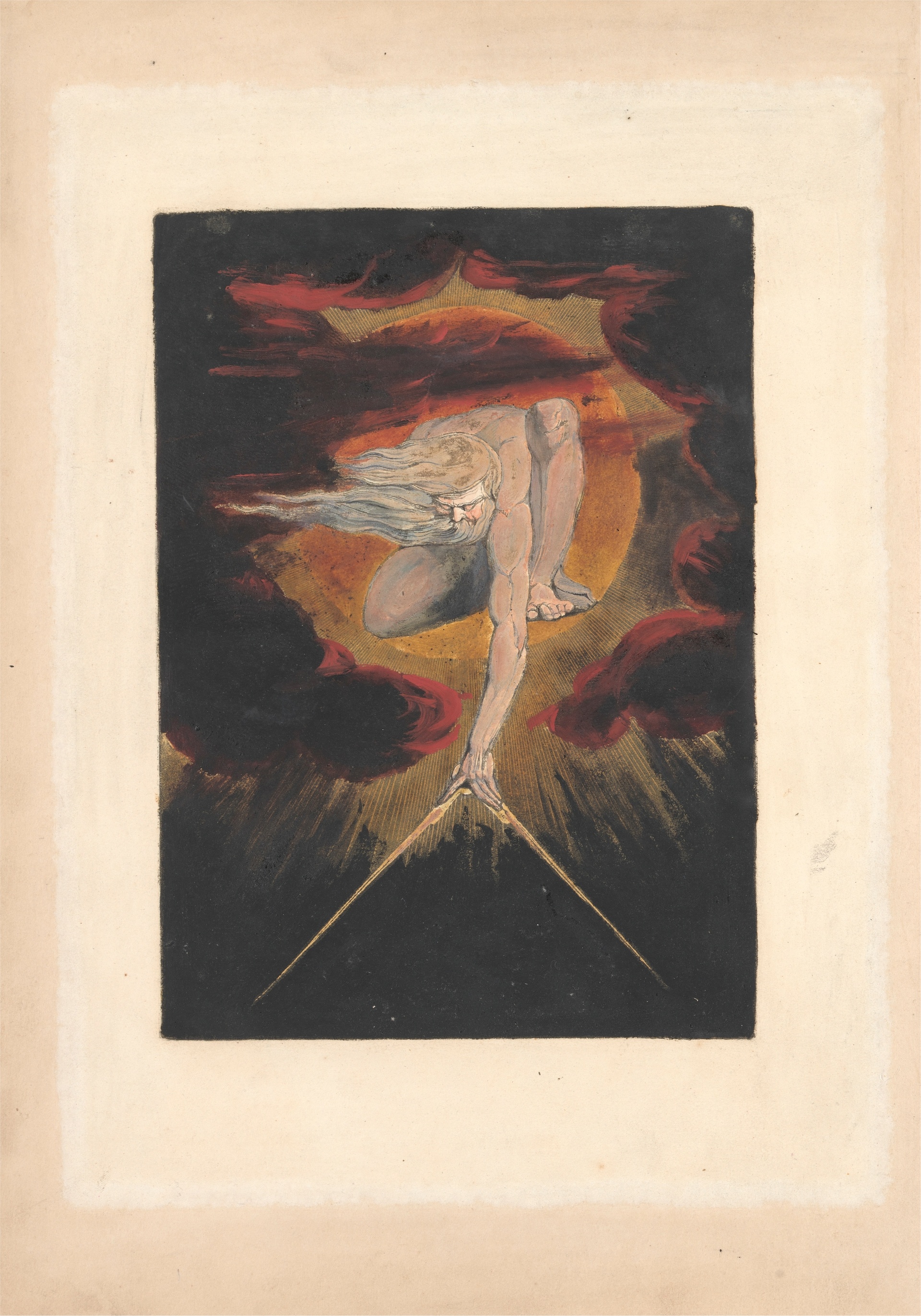
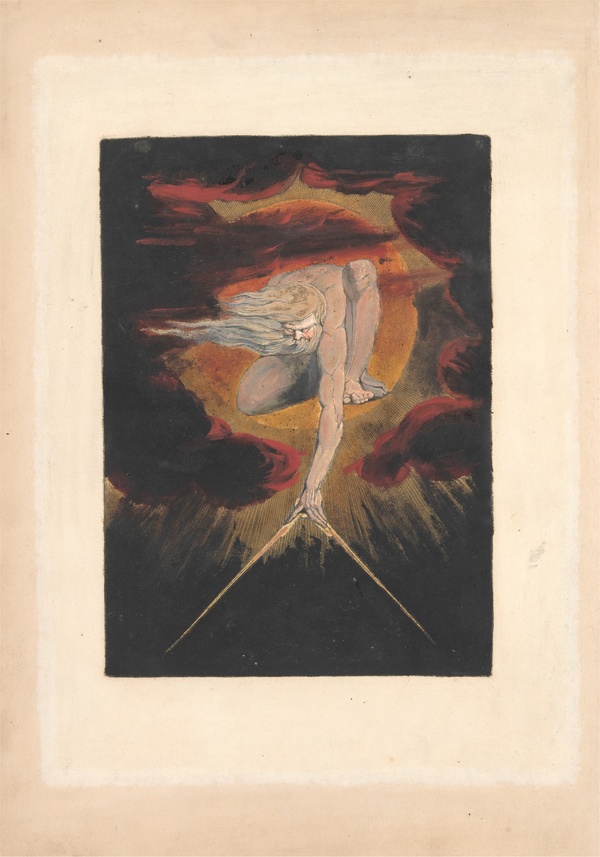
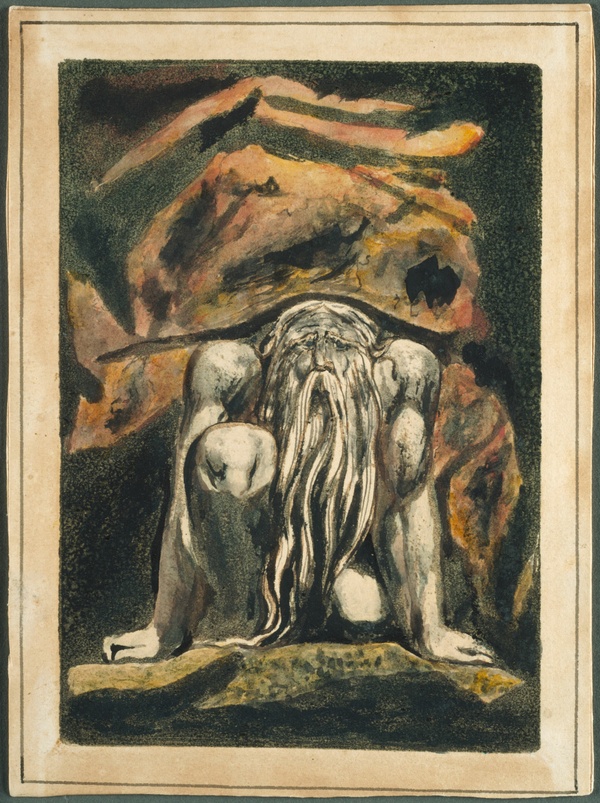
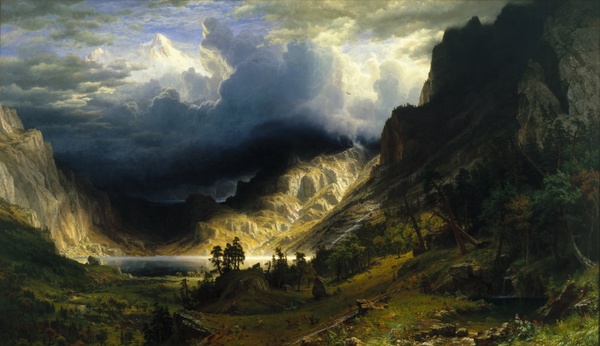
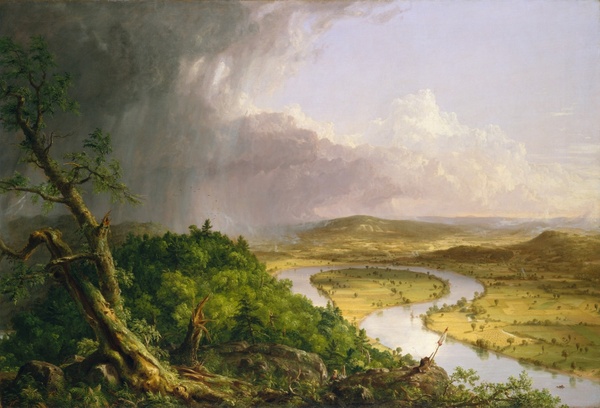
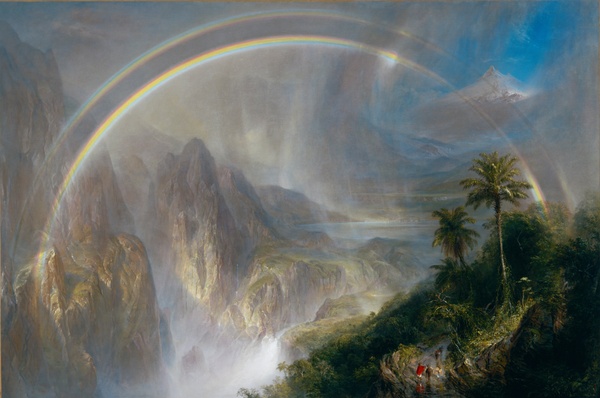
Our journey begins in cosmic gloom with William Blake’s visionary Europe. A Prophecy, Plate 1, Frontispiece ("The Ancient of Days"), where Urizen casts defining light into the void. This act of creation, emerging from dark, is echoed in Blake's Urizen. The world thus formed possesses elemental power, as seen in Albert Bierstadt’s monumental A Storm in the Rocky Mountains, Mt. Rosalie. Jagged peaks pierce churning clouds, a testament to nature's formidable grandeur, pierced by dramatic sunlight. This oscillation is articulated in Thomas Cole’s The Oxbow (View from Mount Holyoke, Northampton, Massachusetts, after a Thunderstorm), where tempestuous wilderness gives way to a sun-drenched pastoral. After the storm, Frederic Edwin Church’s breathtaking Rainy Season in the Tropics offers a sublime vision of nature’s renewed splendor, a double rainbow testifying to light’s triumph.
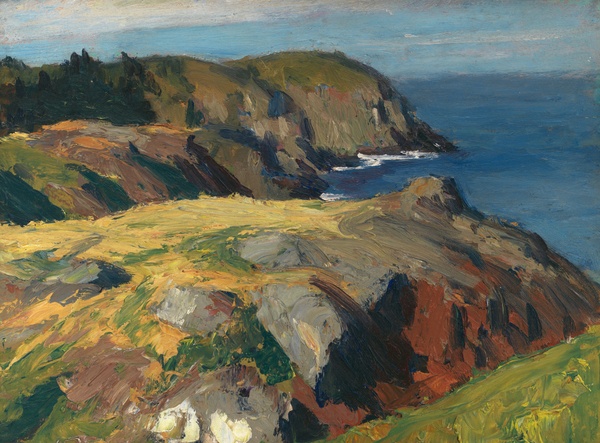
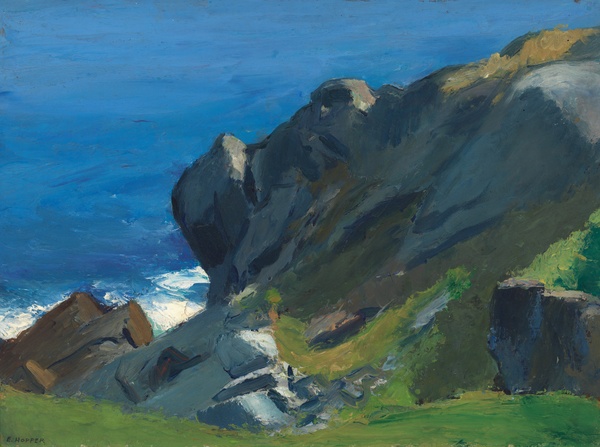
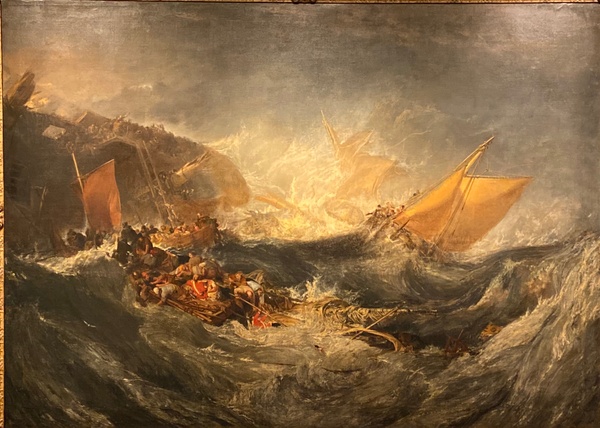
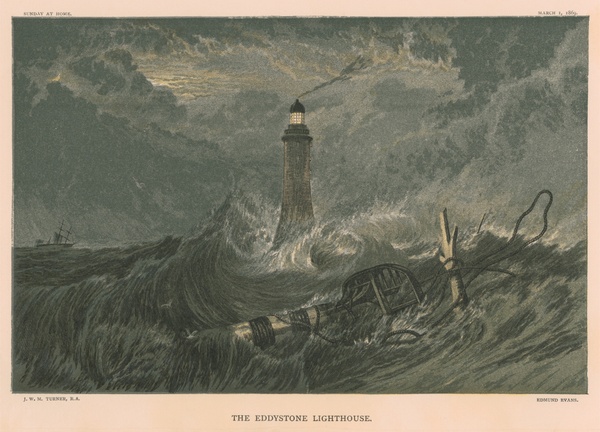
Nature's dark beauty also speaks of relentless endurance. Edward Hopper’s Blackhead, Monhegan and Rocky Shore and Sea capture the stark meeting of land and ocean, ancient rock facing crashing waves—a testament to resilience. J.M.W. Turner’s The Wreck of a Transport Ship plunges us into maritime catastrophe, ephemeral struggle against overwhelming darkness. In such turmoil, Isaac Sailmaker’s Eddystone Lighthouse emerges as a potent symbol: a solitary beacon against the encroaching night.
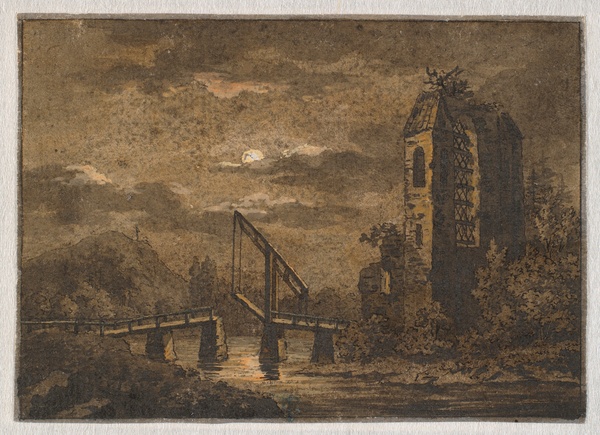
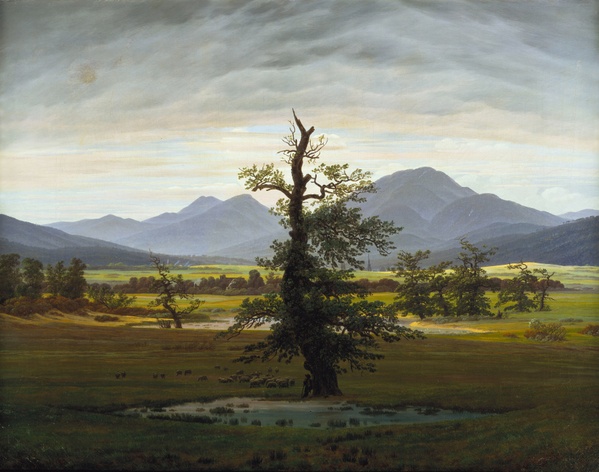
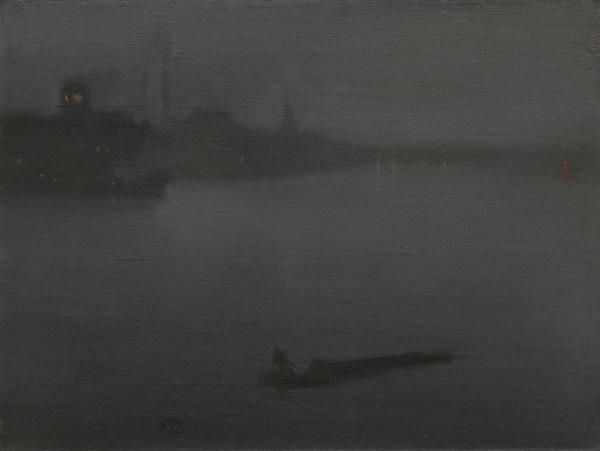
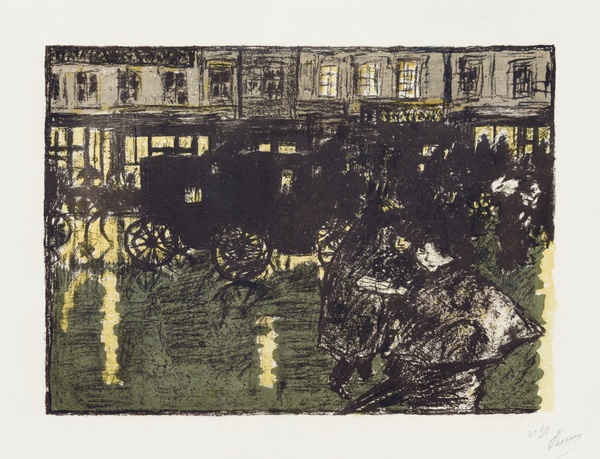
As elemental dark yields to reflective nocturnal realms, Caspar David Friedrich’s Landscape with Drawbridge and Ruin in Moonlight evokes romantic melancholy, ghostly moonlight illuminating relics. His The Lonely Tree (Der einsame Baum) speaks to enduring solitude, a gnarled oak against a dawning sky. James McNeill Whistler’s Nocturne in Blue and Silver translates night’s hush into a symphony of muted tones, where fireworks offer brief, radiant bursts. Pierre Bonnard’s Some Aspects of Life in Paris, 11: A Street on a Rainy Evening (Rue le soir sous la pluie) captures the diffused glimmer of city lights on wet streets, shimmering beauty from gloom.
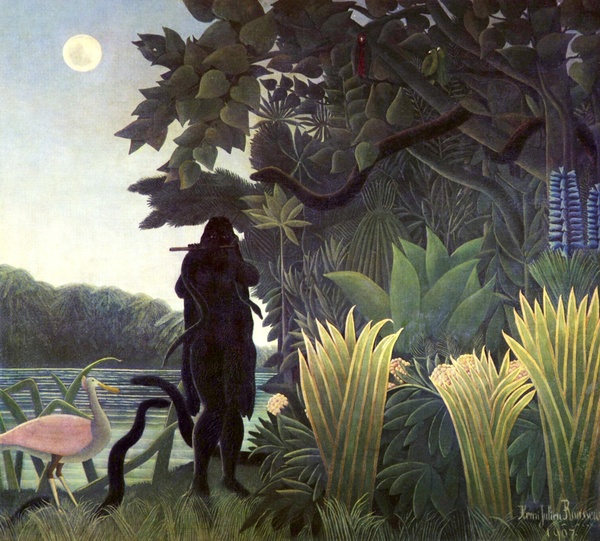
The mystery of "Radiant Dark" extends to primal and psychological depths. Henri Rousseau’s The Snake Charmer draws us into a moonlit jungle, an enigmatic figure calling forth serpents, where enchantment and danger coalesce under a dark, luminous sky. Vincent van Gogh’s Wheatfield under Thunderclouds and Wheatfield with Crows resonate with impending storm, personal anguish made universal, yet the vibrant gold of wheat fields refuses to be extinguished, speaking of life's relentless push.
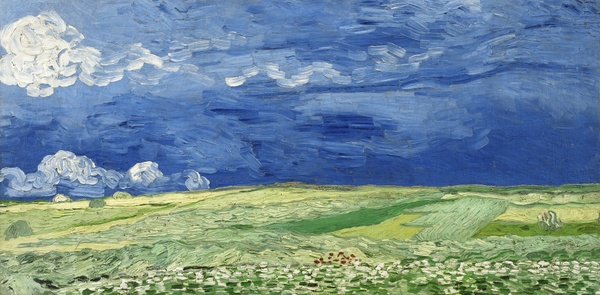
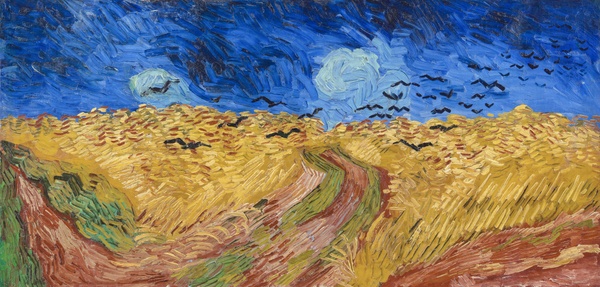
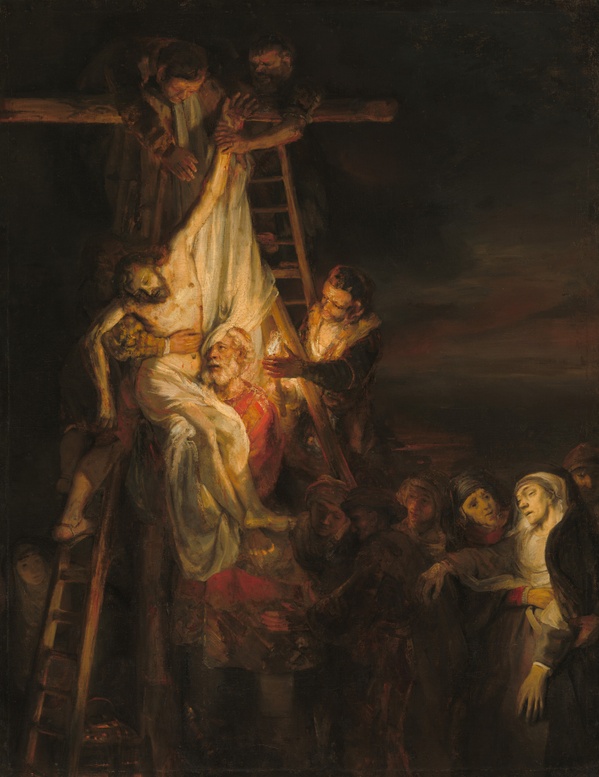
Our journey then delves into the profound darkness of the human spirit and its capacity for enduring light. Eugène Delacroix’s The Barque of Dante drags us through infernal depths, tormented souls desperate for elusive light. El Greco’s The Agony in the Garden of Gethsemane depicts Christ’s spiritual anguish, a solitary moment illuminated by divine solace. The solemn tenderness of The Descent from the Cross by Rembrandt’s workshop reveals human compassion, torchlight illuminating grief.
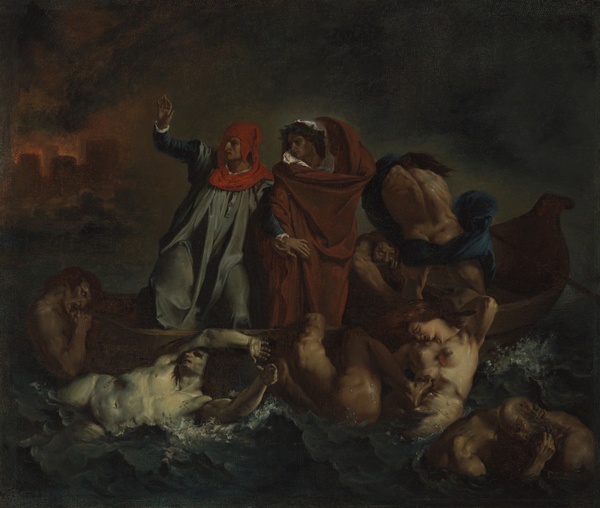
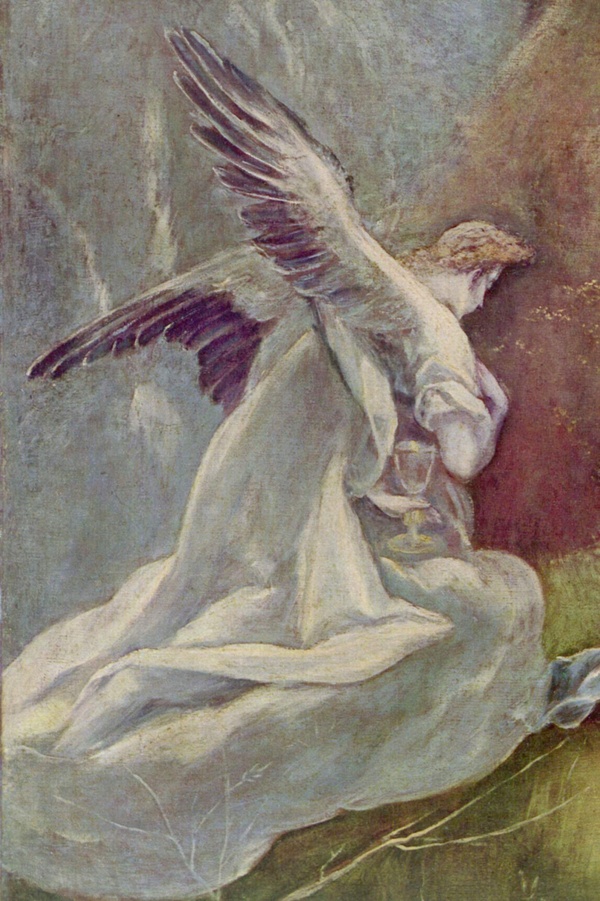
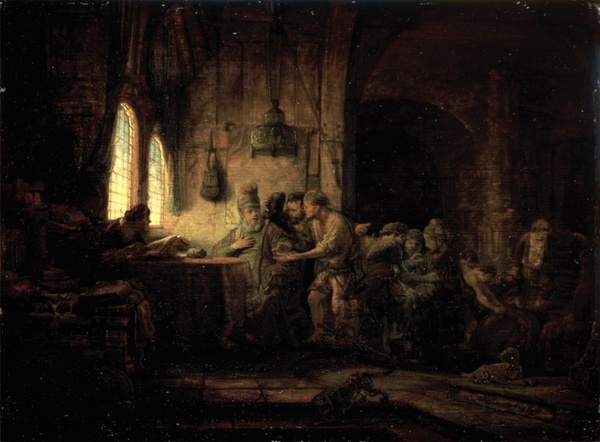
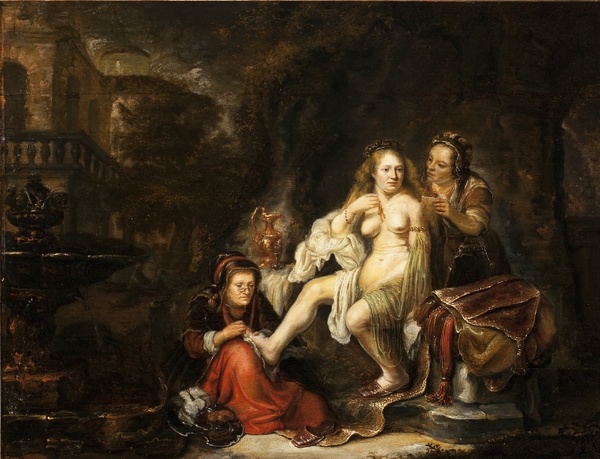
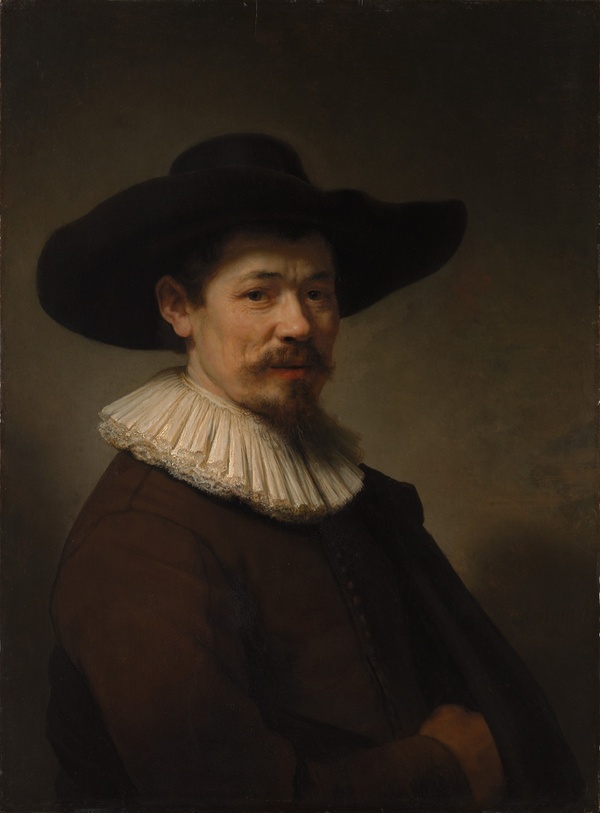
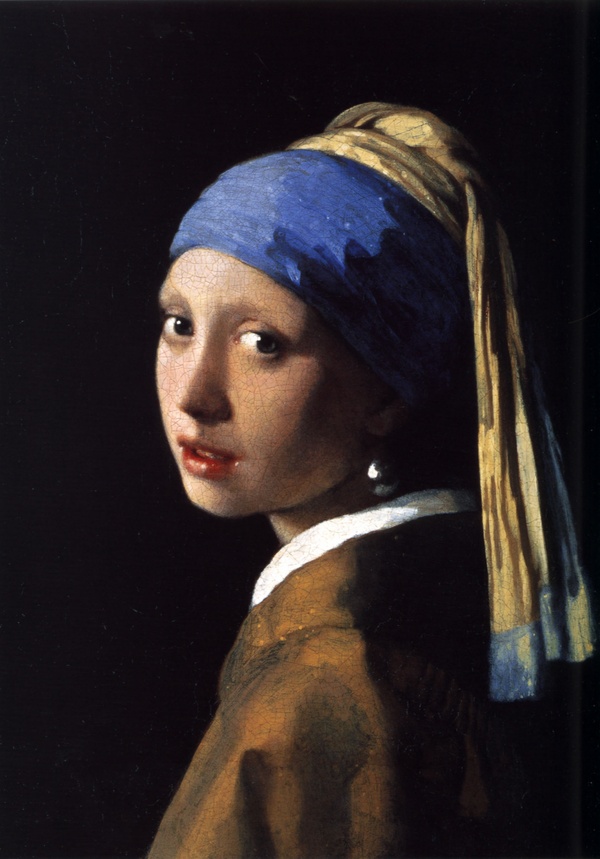
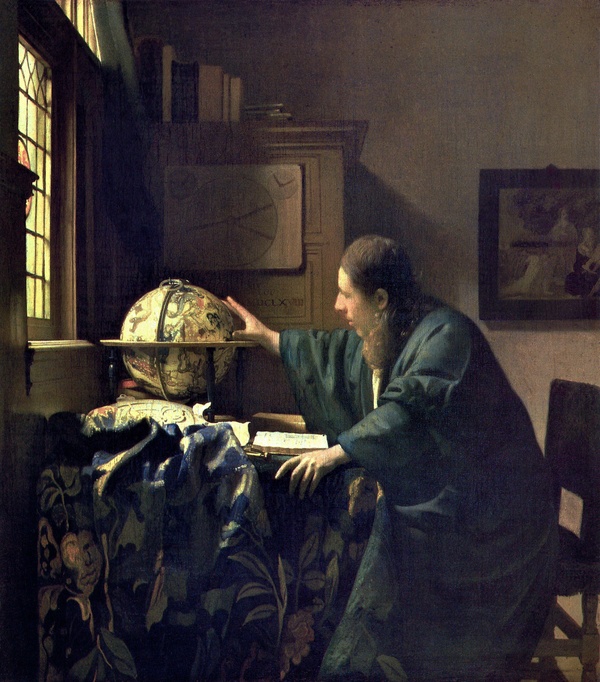
Rembrandt himself, a master of chiaroscuro, understood this theme. In his Parable of the Laborers in the Vineyard, harsh light illuminates human avarice and divine grace. Bathsheba Receiving David's Letter captures deep moral introspection, inner turmoil reflected in subtle light. His Portrait of Herman Doomer defines character emerging from a near-black background. Johannes Vermeer, too, understood radiant inner life; Girl with a Pearl Earring captivates with her luminous gaze, while The Astronomer embodies the light of inquiry.
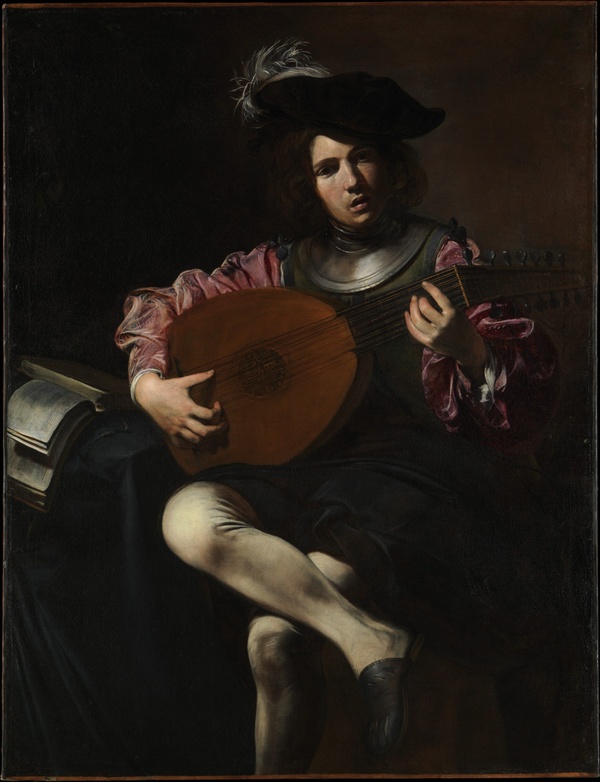
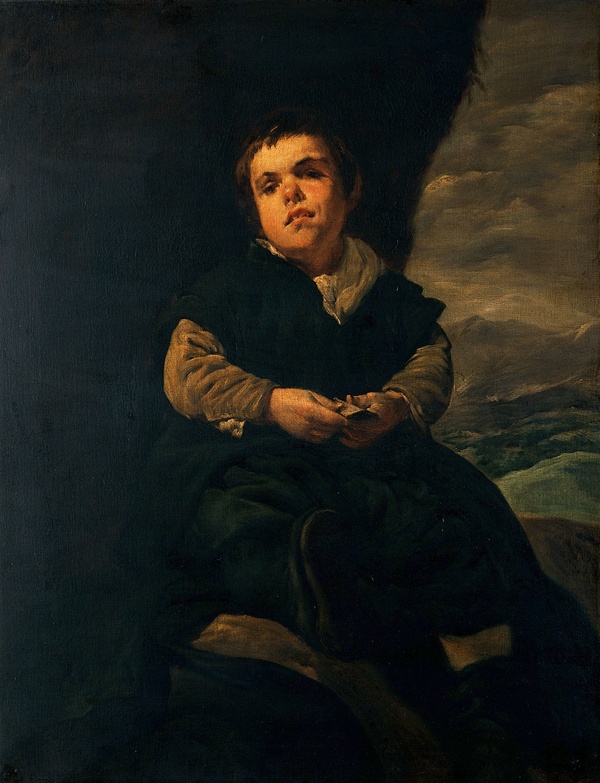
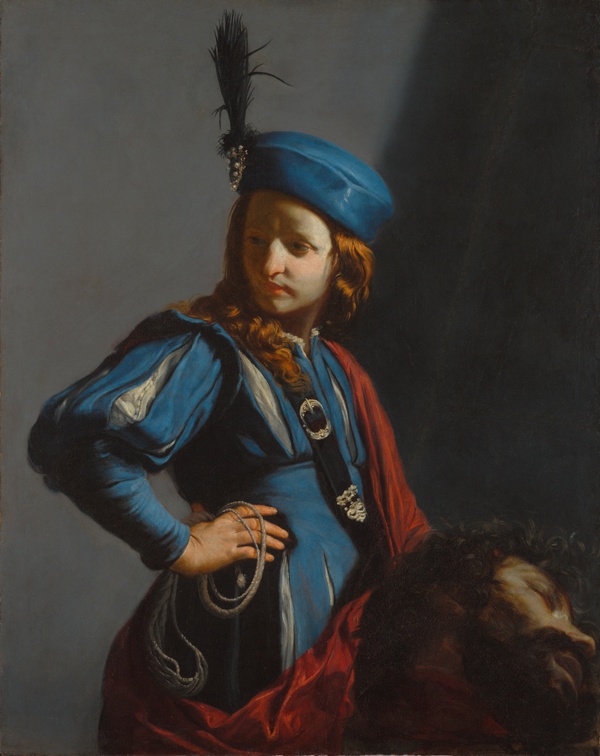
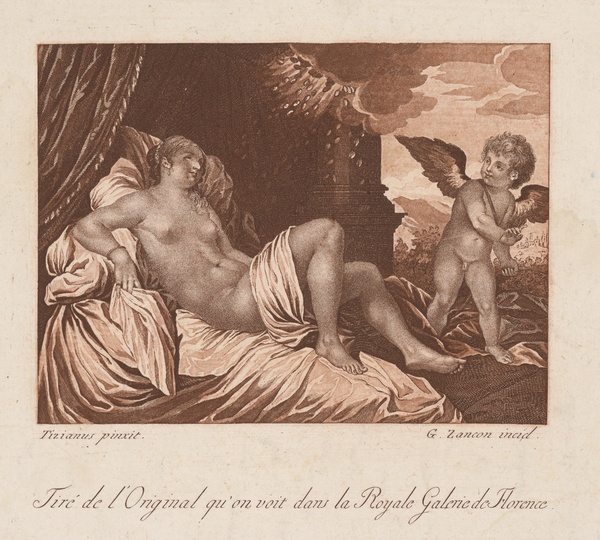
Other masters illuminate the individual's journey. Valentin de Boulogne’s Lute Player evokes passion and artistry emerging from shadows. Diego Velázquez's The Dwarf Francisco Lezcano, "El Niño de Vallecas" offers poignant illumination of human dignity. Guido Cagnacci’s David with the Head of Goliath portrays triumph over literal darkness, the hero bathed in victory's stark light. Titian's Danaë, with its shower of golden light, speaks to divine desire and earthly yearning.
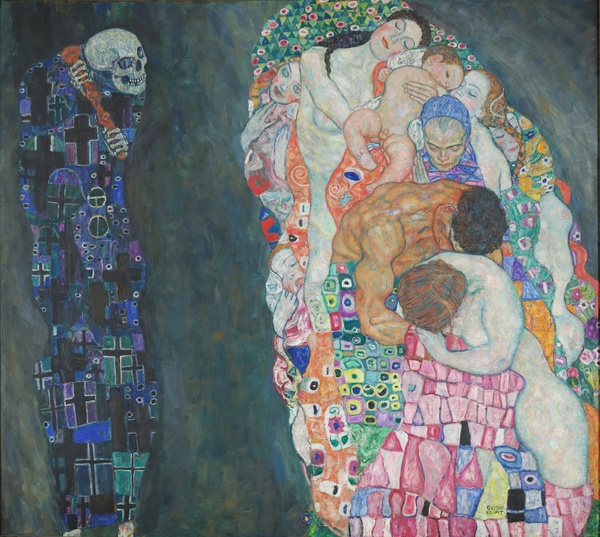
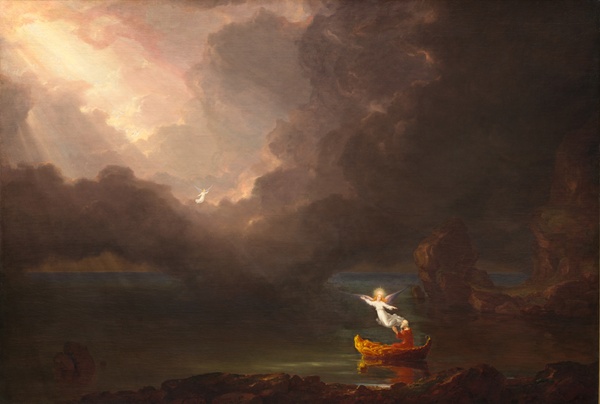
Finally, we arrive at allegories encompassing the journey. Gustav Klimt’s Death and Life confronts mortality, yet the vibrant cluster of humanity pulses with unyielding vitality. Thomas Cole’s The Voyage of Life: Old Age finds its protagonist at journey's end, tumultuous waters calmed, celestial light beckoning.
"Radiant Dark" is not merely contrast, but a celebration of enduring light that defines, emerges from, and transcends shadows. These masterpieces, each a whisper from the dark, affirm that even in deepest gloom, light—divine, human, or elemental—always finds a way to endure, to shine, and to remind us of the profound beauty born of their eternal dialogue.