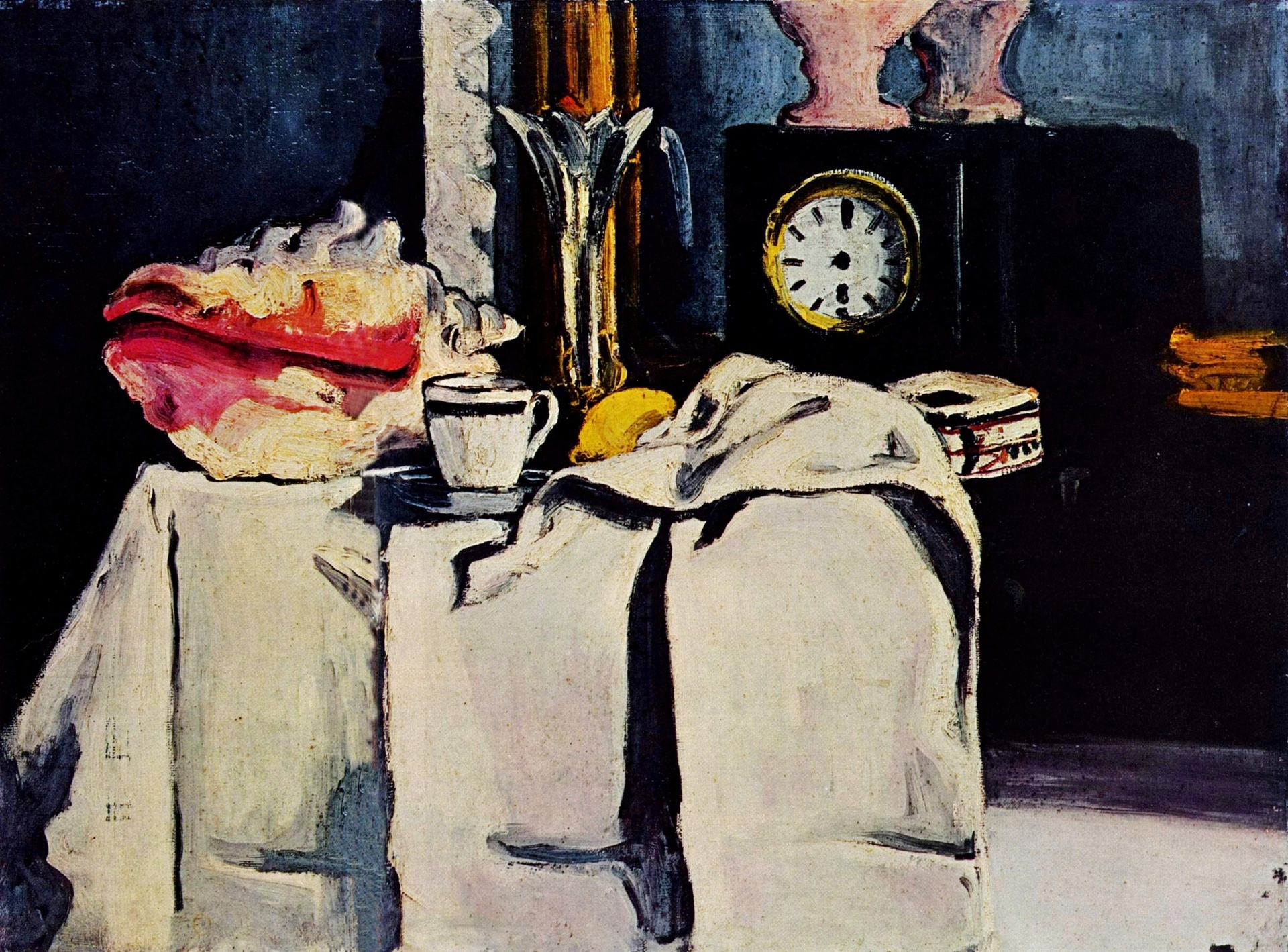
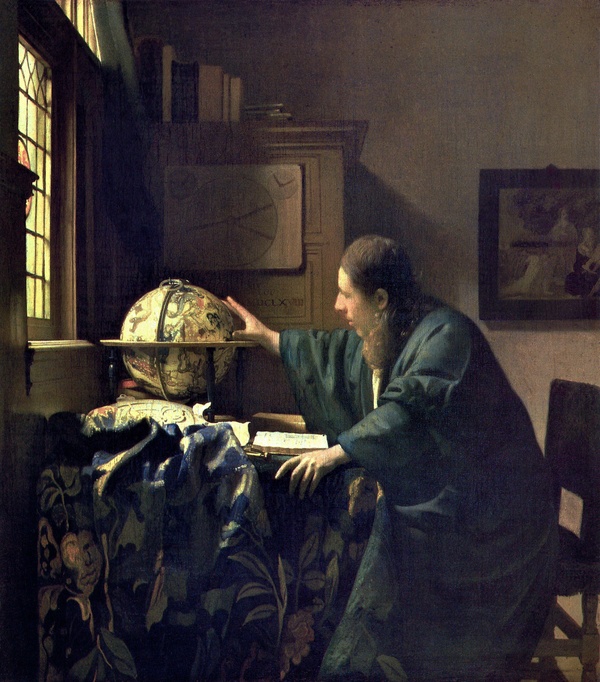
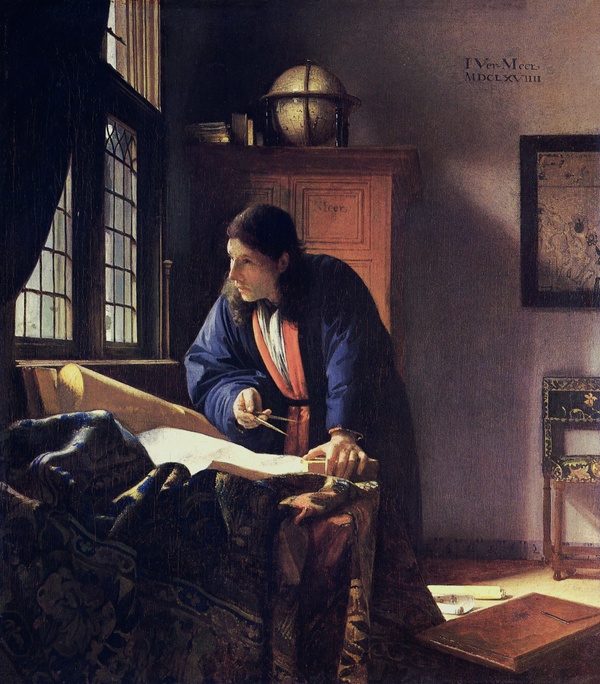
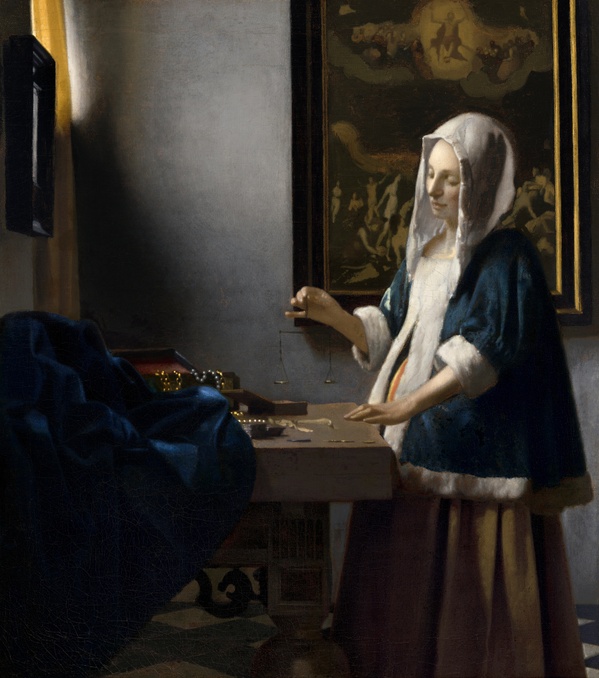
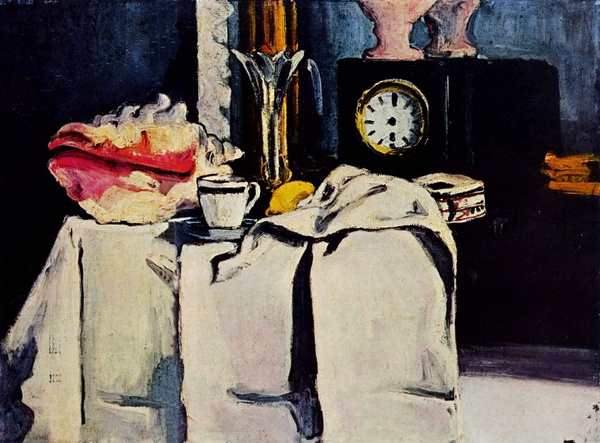
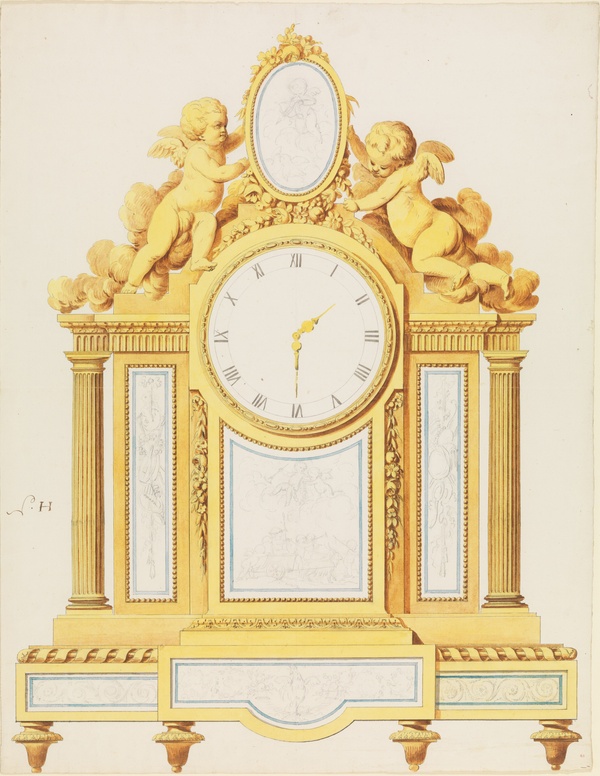
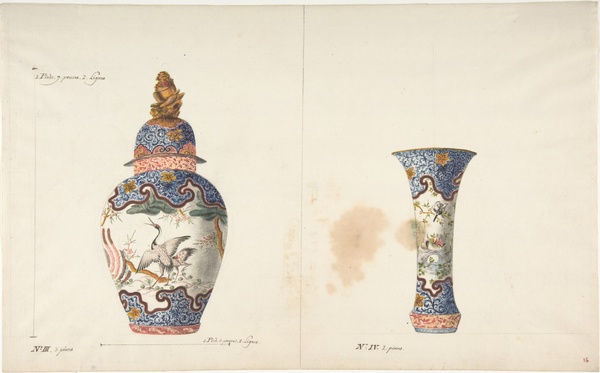
In the silent study of a Dutch master, time begins as a measurement of light. We observe The Astronomer reaching for the celestial globe, while nearby, The Geographer pauses over his charts, both seeking to map the infinite. They are anchored by a Woman Holding a Balance, who weighs the invisible weight of the soul against the ticking world. On the mantle, the heavy presence of The Black Marble Clock (La Pendule noire) serves as a memento mori, a physical anchor for the 'silent architecture' of the home. This domestic rhythm is reflected in the delicate Design for a Clock and the ornate Design for Two Vases, which echo the classical rigor found in the pages of Fabbriche e Disegni (volume I).
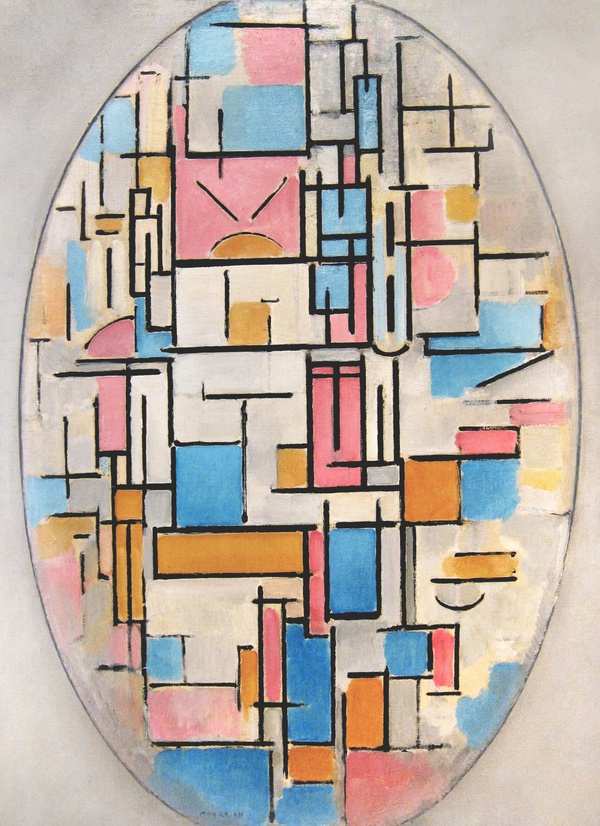
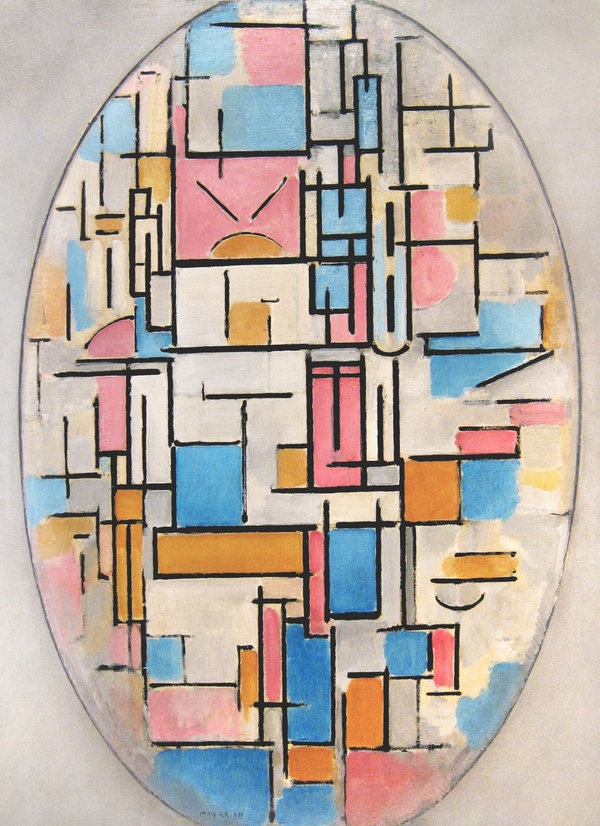
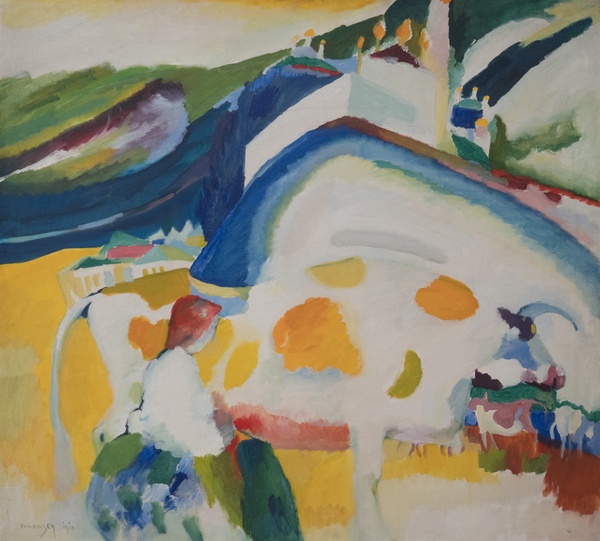
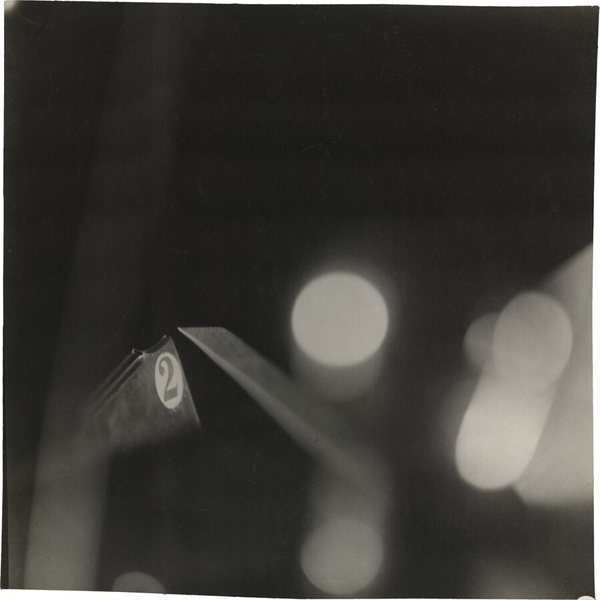
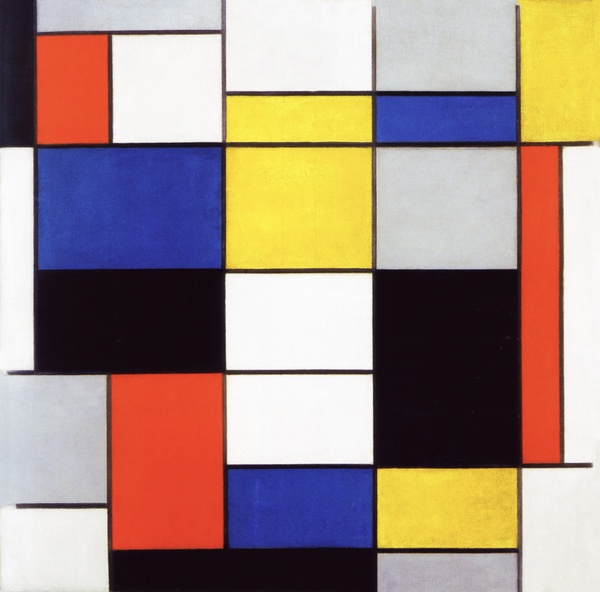
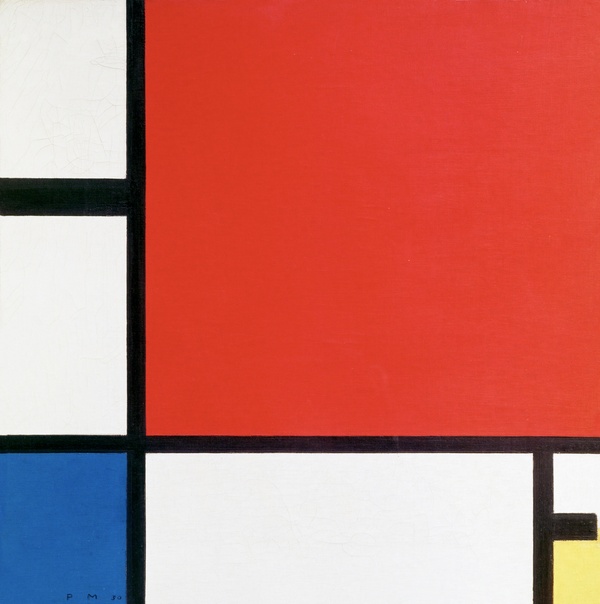
As the clockmaker enters a deeper reverie, the physical world dissolves. We move from the curves of Tableau No. 3: Composition in Oval to the analytical fractures of Composition in Oval with Color Planes 1. The familiar becomes strange; even the organic is distilled into the geometric in Composition VIII (The Cow) and the photographic mystery of Untitled (Composition with Magic Two). Here, time is no longer a ticking hand, but a structural grid. We witness the birth of Neoplasticism in Composition C and Tableau I, where balance is found in primary tensions.
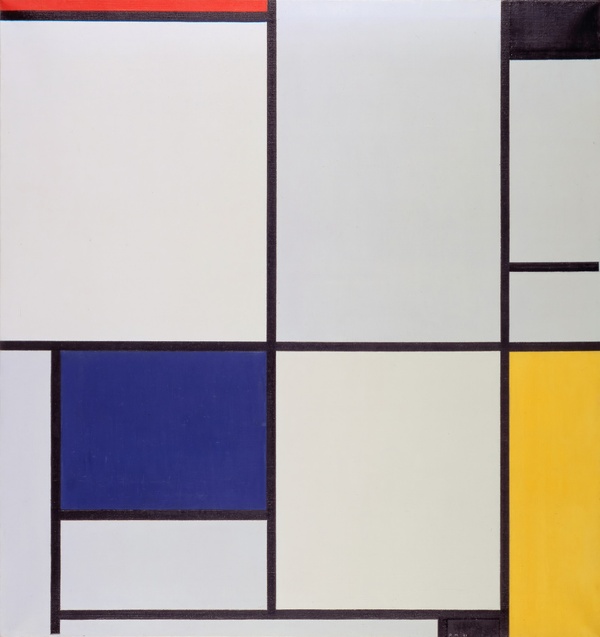
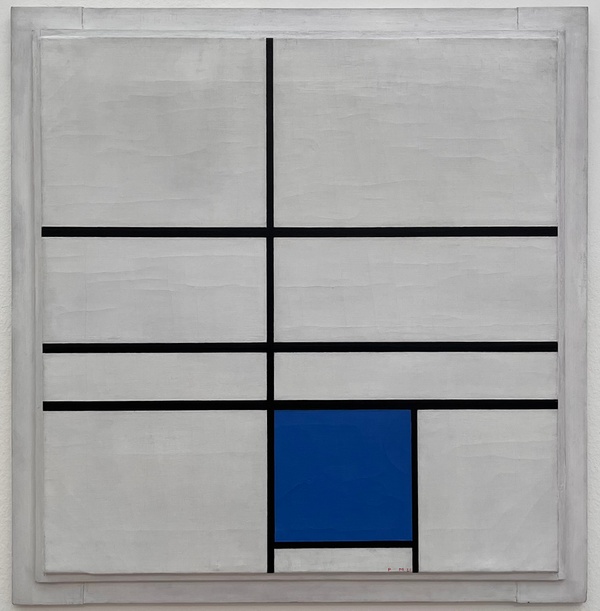
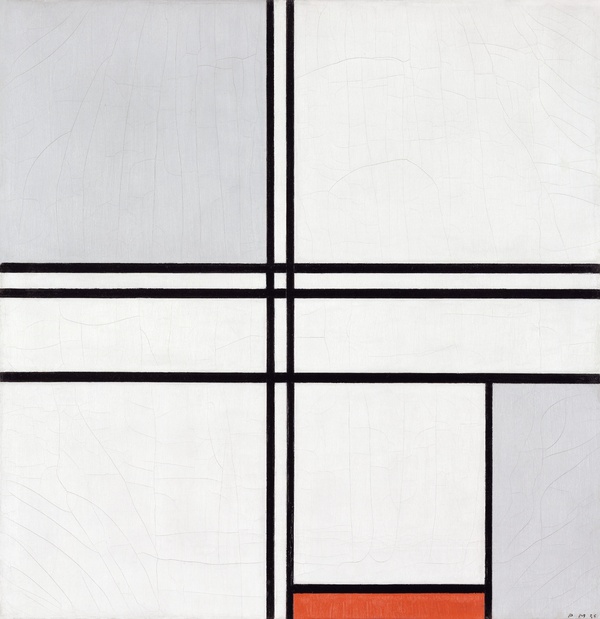
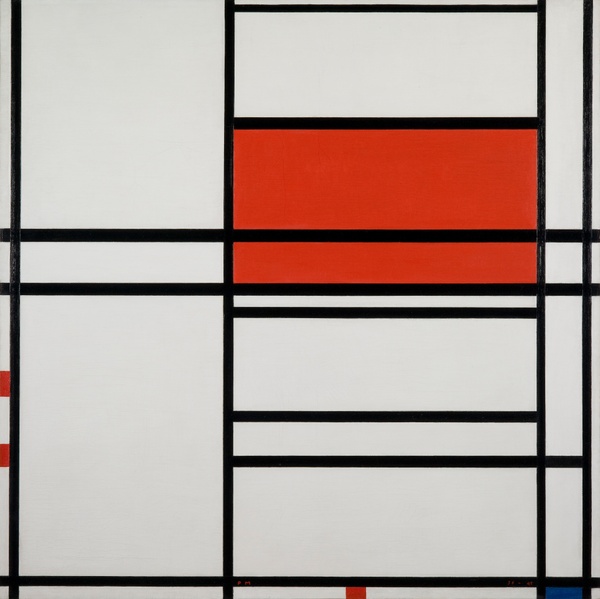
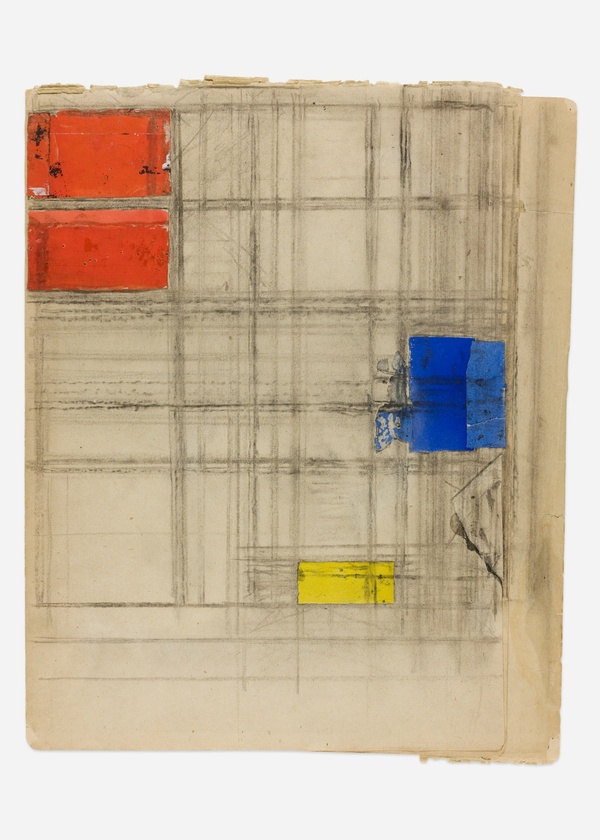
The vision expands through Composition Blue, Red, Yellow, Black and Composition with Large Blue Plane, Red, Black, Yellow, and Gray. Every line is a second, every plane a heartbeat. The clockmaker’s meditation grows more precise in Composition with Double Lines and White and Blue and the subtle Composition (No. 1) Gray-Red. This evolution continues through the complex layers of Composition No. 1 with Grey and Red 1938 / Composition with Red 1939 and Composition of Red and White: Nom 1 / Composition No. 4 with Red and Blue. Each Study for a Composition - Piet Mondrian (c. 1935–1941) and Study Composition (1940–1941) reveals the labor of finding stillness within motion.
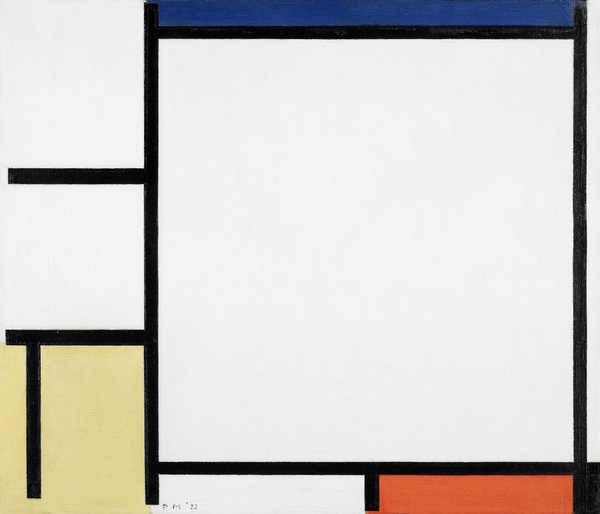
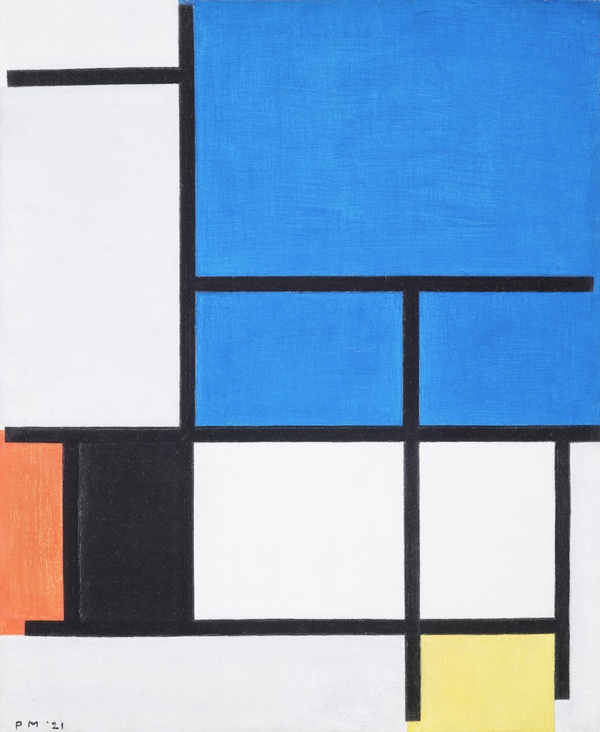
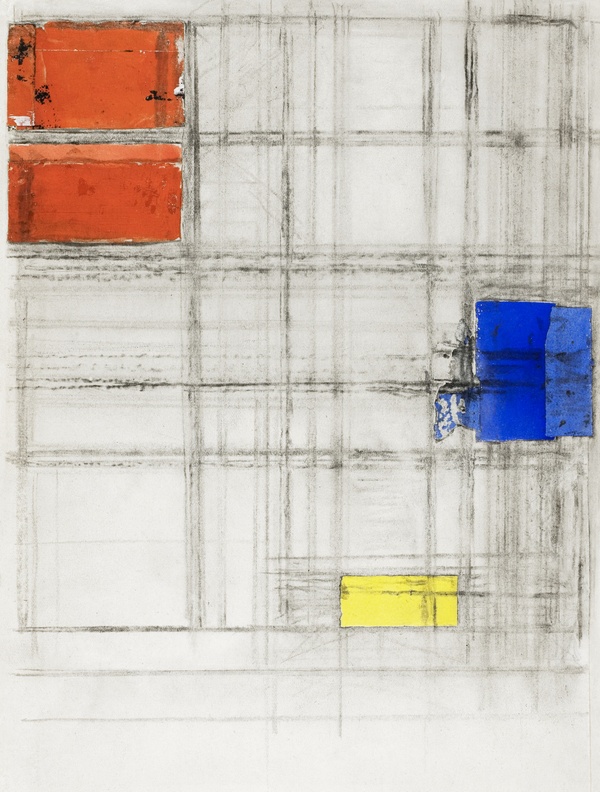
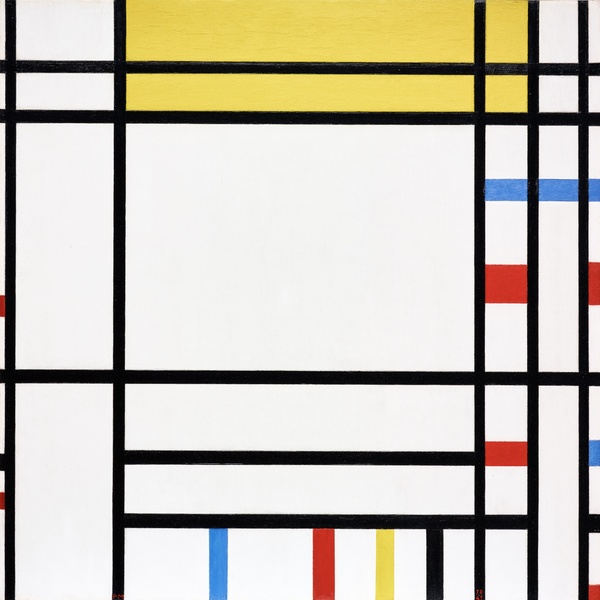
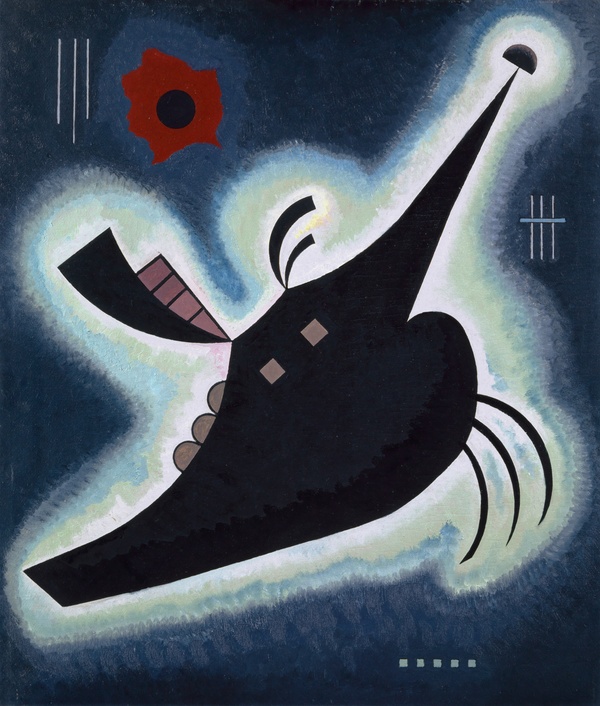
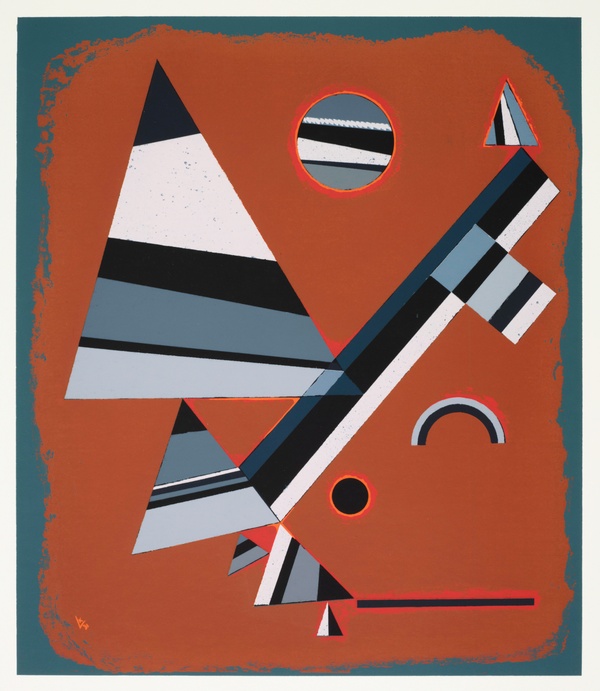
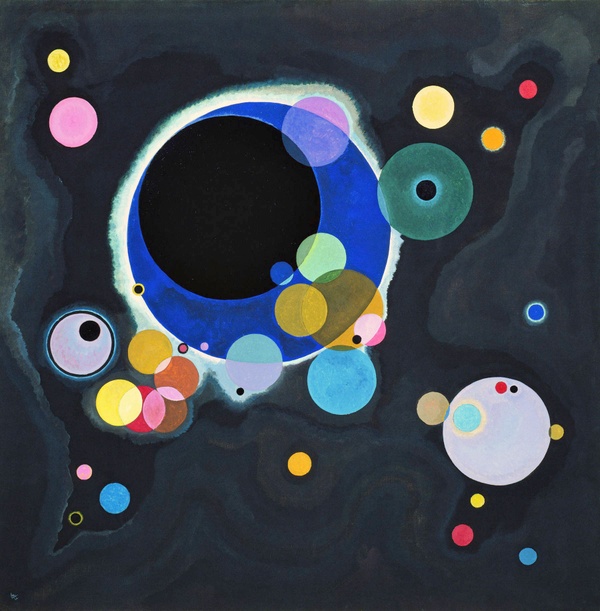
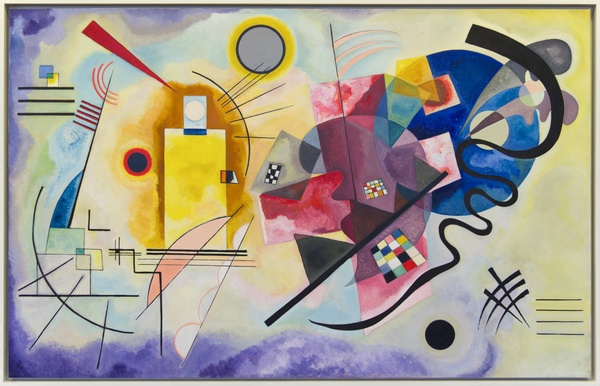
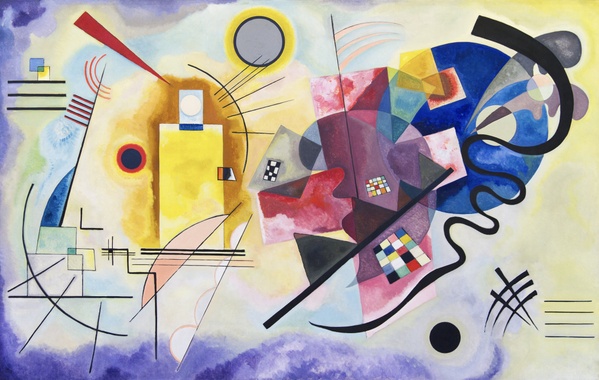
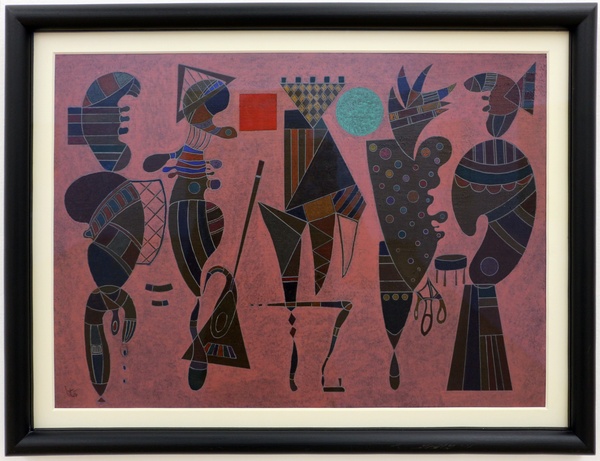
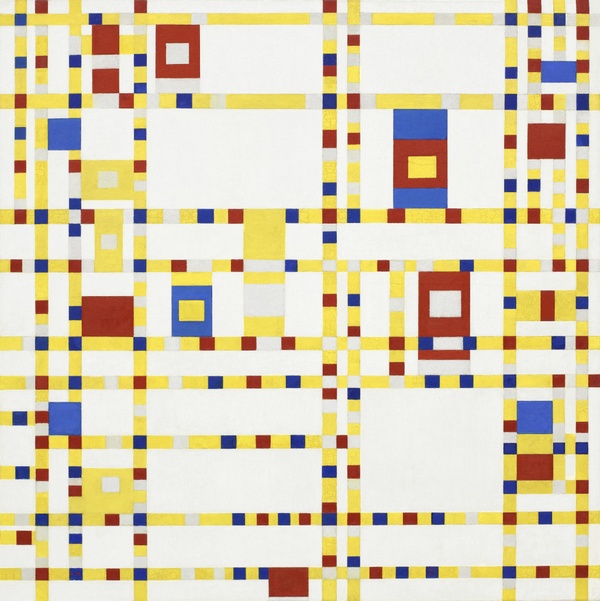
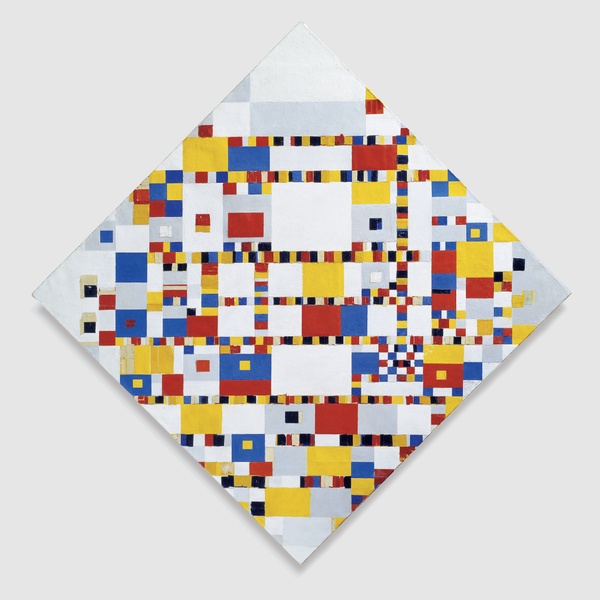
The grid eventually meets the city in Place de la Concorde, but the reverie shifts toward a cosmic abstraction. We encounter the sharp strike of Pointed Black and the atmospheric depth of Gris (Gray). In the vastness of Several Circles (Einige Kreise), time becomes planetary. The interplay of Jaune Rouge Bleu and Yellow-Red-Blue creates a visual symphony that defies literal time, reaching a Complexité simple (Simple Complexity). Finally, the rhythm reaches its zenith. The steady tick of the clock transforms into the urban vibration of Broadway Boogie Woogie, ending in the vibrant, unfinished hope of Victory Boogie Woogie. The second is no longer measured; it is lived.