In the liminal spaces between day and night, between consciousness and dream, between presence and absence, artists have long sought to capture what we might call the forgotten hour—that suspended moment when time seems to hold its breath and the ordinary world transforms into something ineffable.
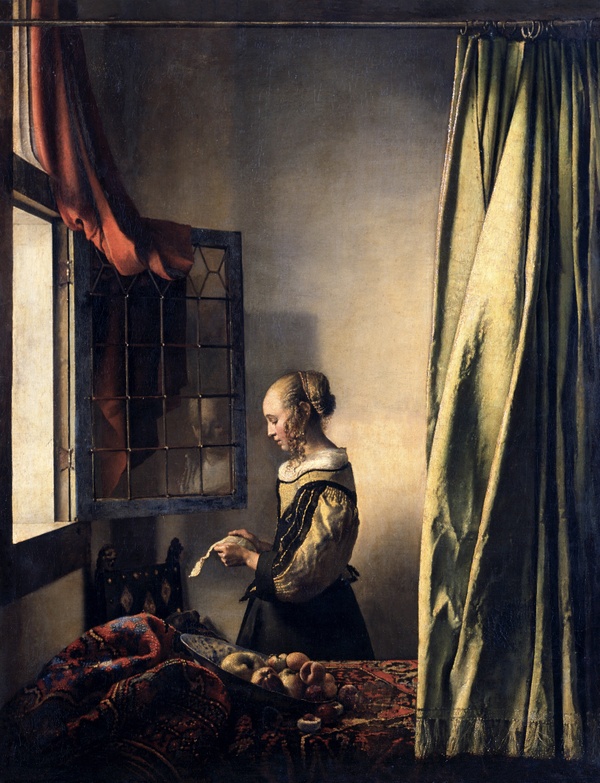
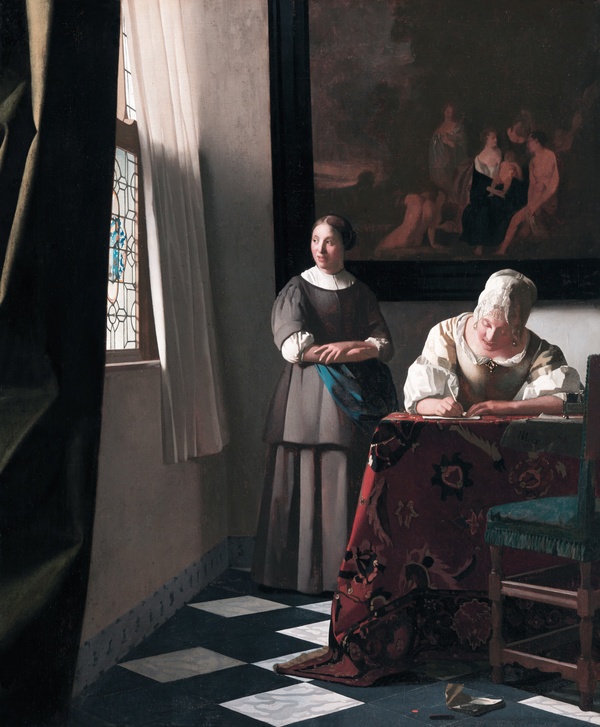
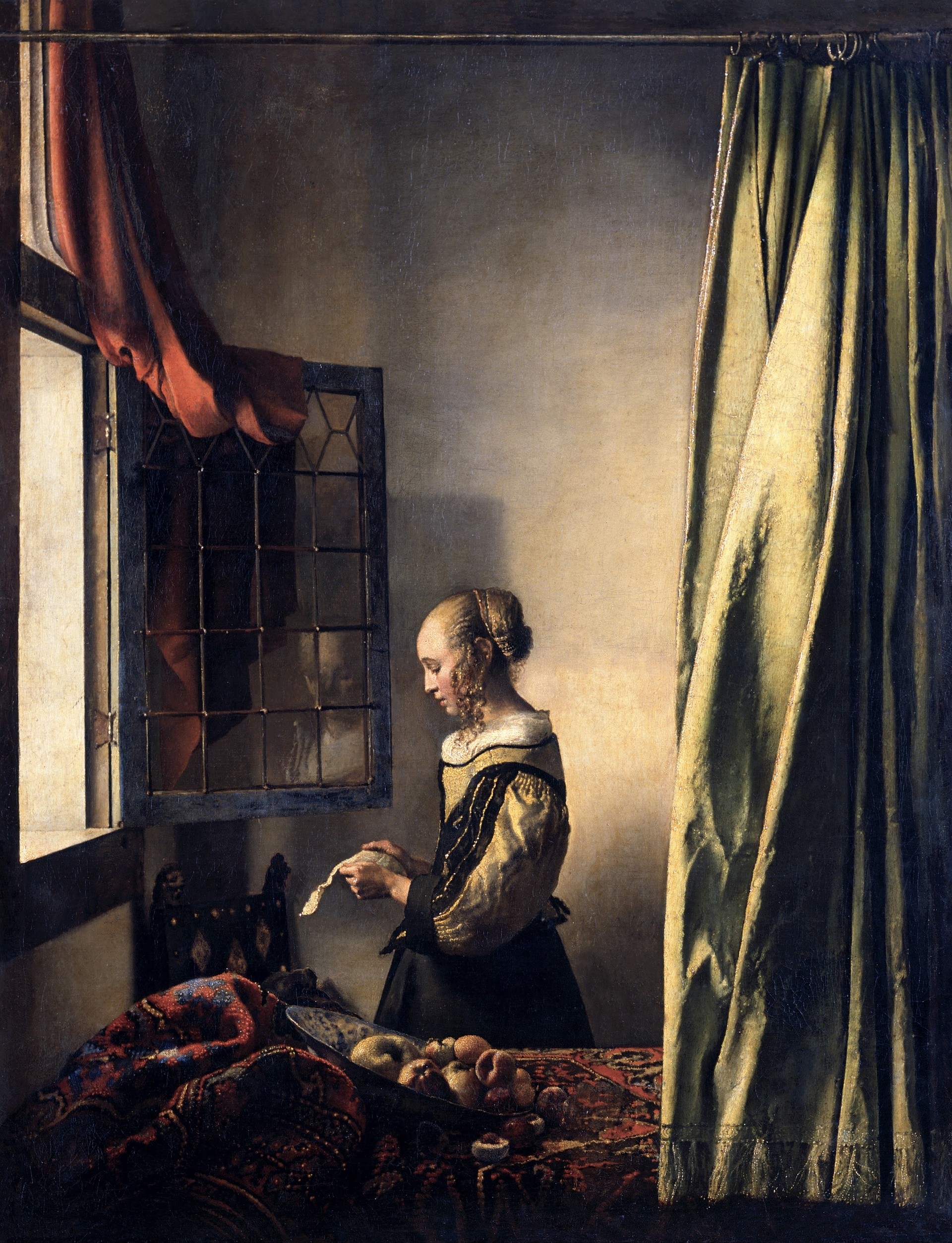
Johannes Vermeer understood this alchemy of light and silence perhaps better than any painter who ever lived. In his Girl Reading a Letter at an Open Window, we witness such a moment crystallized: a young woman absorbed in private correspondence, caught in that eternal pause between receiving news and responding to it. The light from the window creates a temporal bubble around her, separating her from the world beyond the frame. Similarly, in A Lady Writing, Vermeer captures the precise instant when thought becomes word, when the interior life spills onto paper through the conduit of a quill pen.
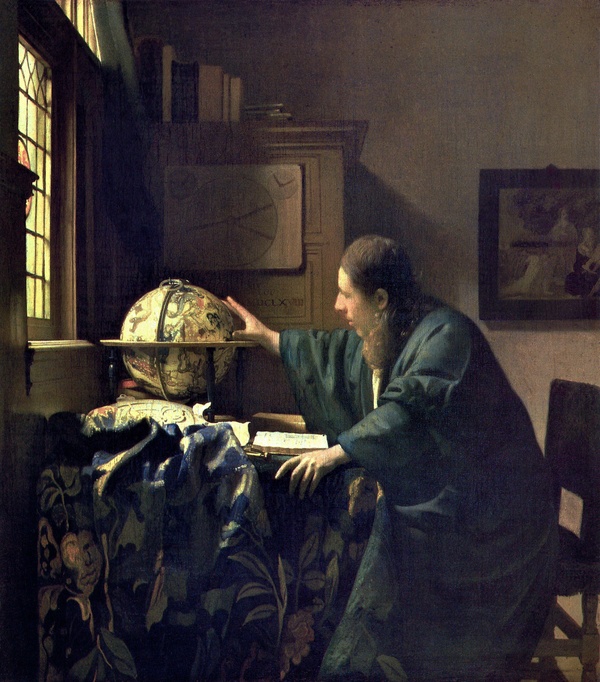
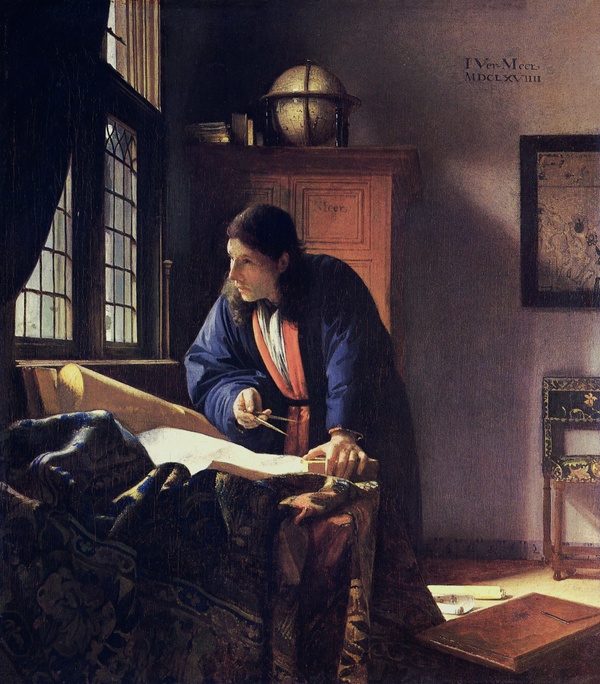
This forgotten hour is not merely about time's passage, but about the weight of solitude itself. In The Astronomer, Vermeer presents us with a scholar reaching toward his celestial globe, his gesture frozen in the act of touching the cosmos—a single movement that contains within it humanity's eternal quest to understand our place in the universe. The companion piece, The Geographer, shows us terrestrial contemplation, the same meditative quality applied to earthbound mysteries.
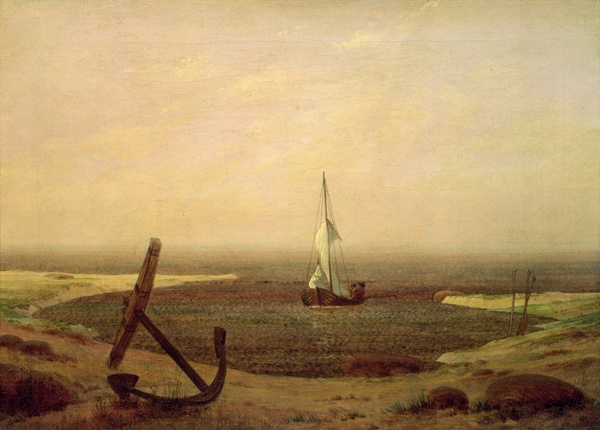
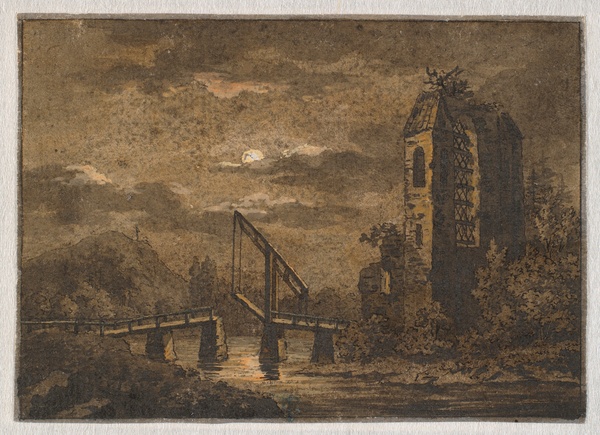
Caspar David Friedrich elevated this temporal suspension to spiritual heights. His Evening reduces the earth to a mere sliver beneath an infinite sky, suggesting that the forgotten hour occurs not in human time but in cosmic time. In Landscape with Drawbridge and Ruin in Moonlight, Friedrich presents us with architecture that exists between worlds—functional yet abandoned, substantial yet ghostly. The drawbridge itself becomes a metaphor for transition, for the moment between connection and isolation.
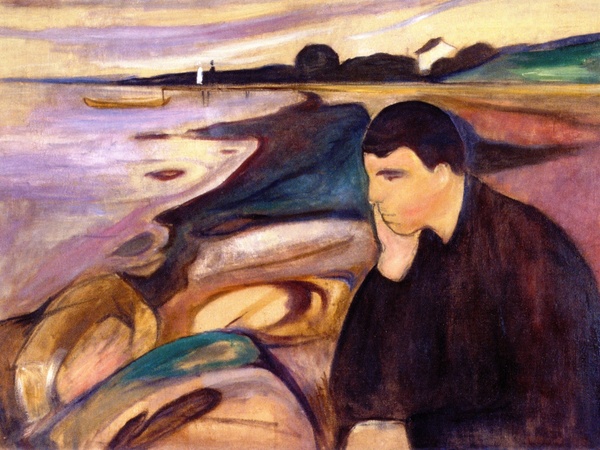
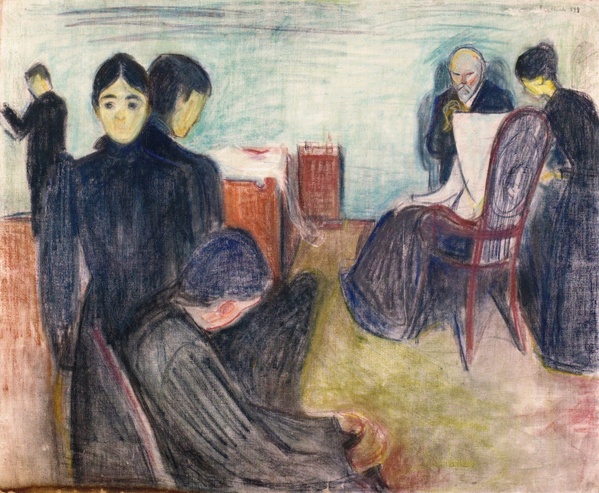
But perhaps no artist captured the psychological weight of these suspended moments like Edvard Munch. In Melancholy, a solitary figure contemplates the distance between himself and human connection, literally embodying the forgotten hour as a state of being rather than a moment in time. His Death in the Sickroom transforms the forgotten hour into something more profound—the eternal moment between life and death, where a family exists in collective suspension.
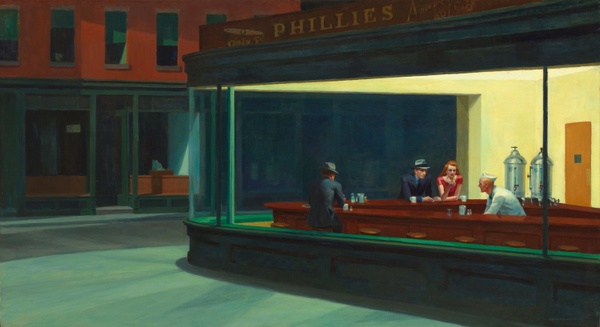
The forgotten hour can also manifest as collective solitude, as Edward Hopper demonstrated so masterfully in Nighthawks. Here, four figures inhabit the same fluorescent-lit space yet remain fundamentally alone, each lost in their own forgotten hour despite their physical proximity. The diner becomes a vessel containing multiple temporal bubbles, each person suspended in their own private eternity.
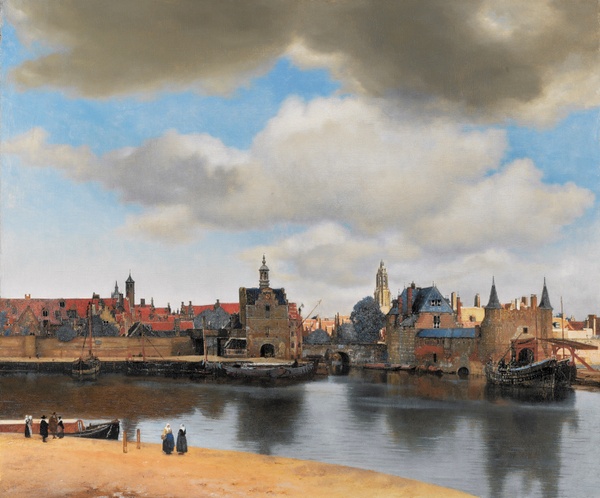
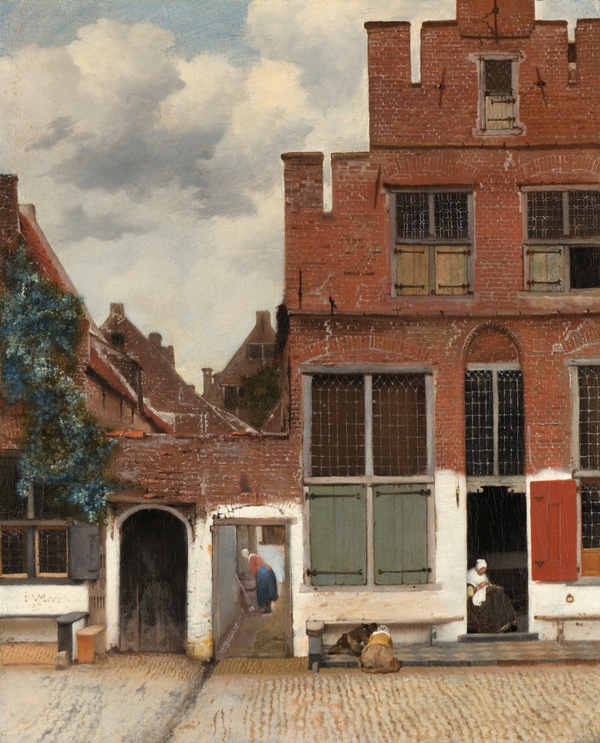
Even in daylight, this suspension of time persists. Vermeer's View of Delft captures an entire city in this temporal amber—the buildings reflected in still water creating a doubling effect that suggests the moment exists both in reality and in memory simultaneously. The Little Street offers us domesticity frozen in perpetual afternoon, where daily activities become eternal gestures.
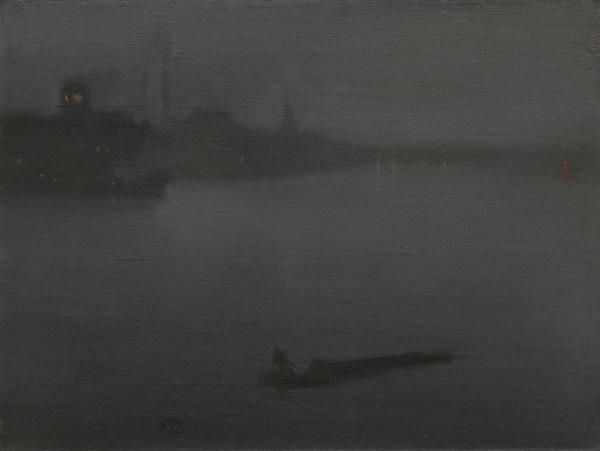
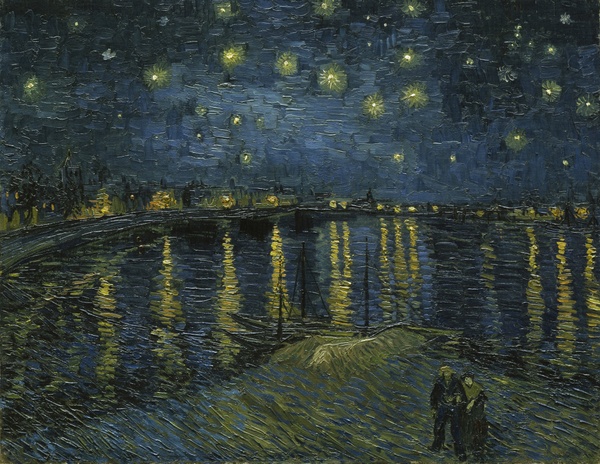
James McNeill Whistler's Nocturne in Blue and Silver dissolves the boundaries between water and sky, between reflection and reality, creating a visual poem about the forgotten hour when the Thames becomes not a river but a state of mind. Van Gogh's Starry Night Over the Rhône transforms darkness into something luminous and alive, where the forgotten hour becomes a celebration rather than a meditation.
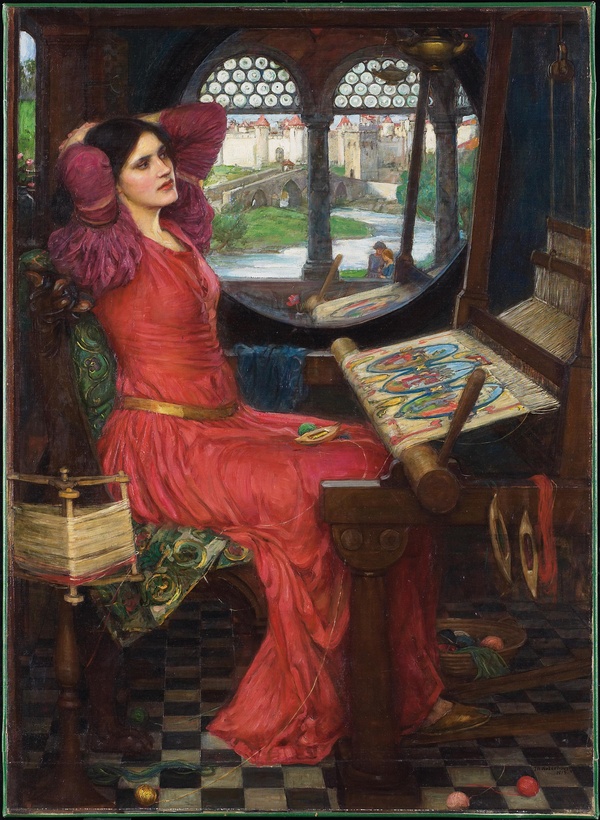
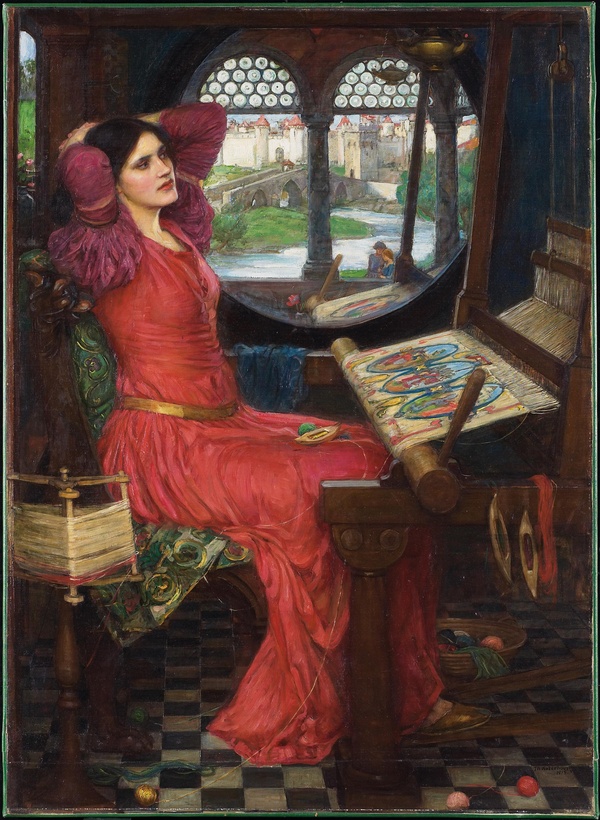
In John William Waterhouse's "I am half sick of shadows," said the Lady of Shalott, we encounter the forgotten hour as curse and blessing simultaneously. The Lady exists in permanent suspension, weaving reality from reflections, living always in the space between experience and art, between life and representation.
These forgotten hours accumulate into something larger than individual moments—they become the spaces where art itself is born, where the eternal emerges from the temporal, where light surrenders to shadow and a single moment becomes forever.