The air in the gallery hangs heavy, not with the scent of varnish, but with the imagined aroma of ages—a fine, impalpable dust that settles on canvas and frame, carrying with it the whispers of time, etched in neglect. Our exhibition, "The Language of Dust," invites us to attune our senses to the subtle narratives left by history, human presence, and nature's slow erosion.
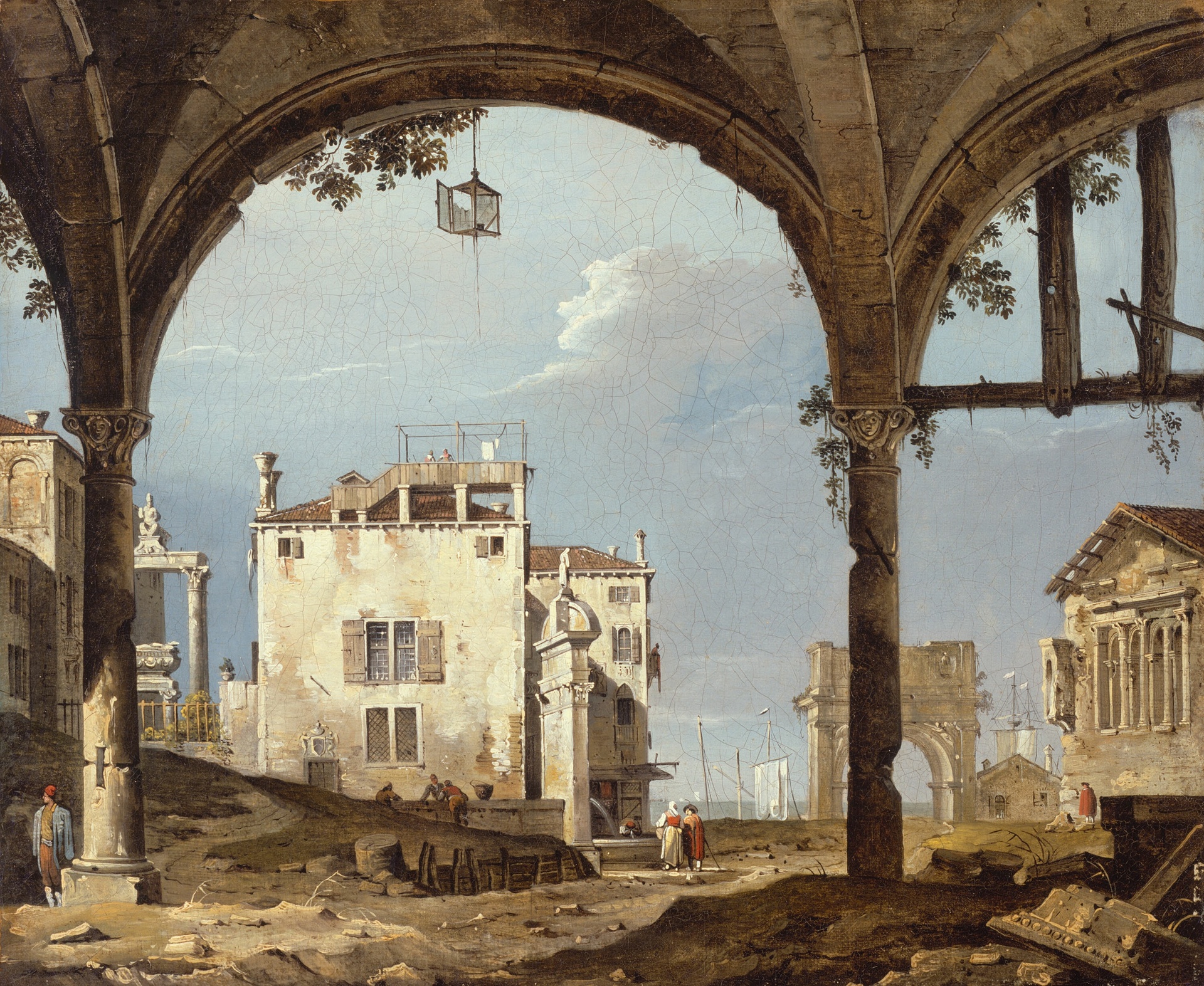
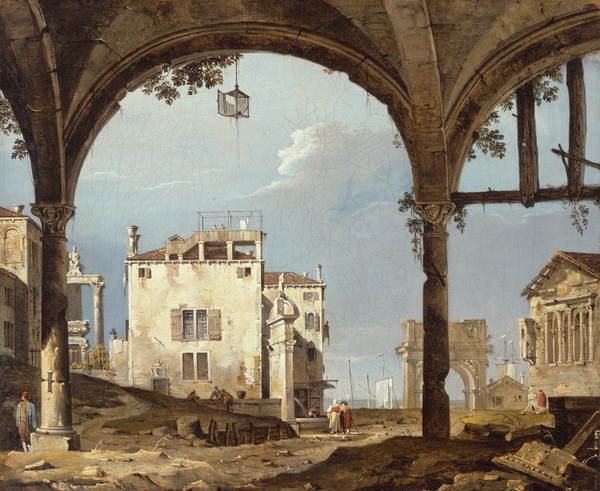
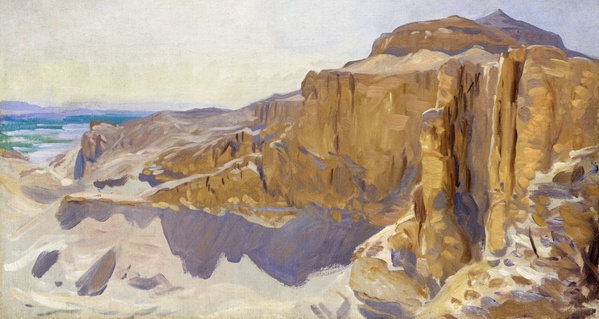
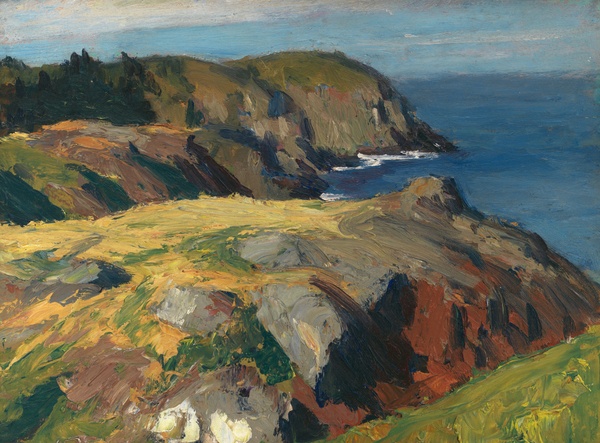
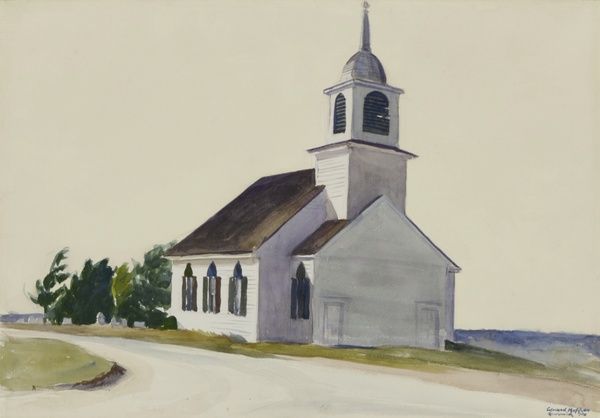
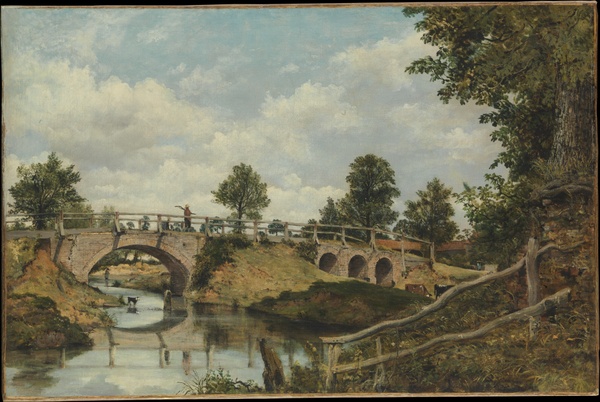
We begin with the monumental, where time's grand chisel has wrought its will. Portico with a Lantern (our cover piece) immediately ushers us into a scene of splendid decay, an invented architectural capriccio where a dilapidated house stands testament to past grandeur. This theme of enduring structures, both natural and man-made, is echoed in John Singer Sargent’s rendering of Cliffs at Deir el Bahri, Egypt, a landscape where ancient rock faces bear witness to millennia. Edward Hopper’s Blackhead, Monhegan captures the raw, elemental drama of a basaltic headland, its form shaped by crashing waves and ancient rhythms. In Spurwink Church, Hopper again finds beauty in the resilient, a historic edifice perched defiantly against a blustery Maine sky. The picturesque ruin is further explored in Frederick Waters Watts’s An Old Bridge at Hendon, Middlesex, a rustic stone arch spanning a quiet stream, its very age lending it a profound tranquility.
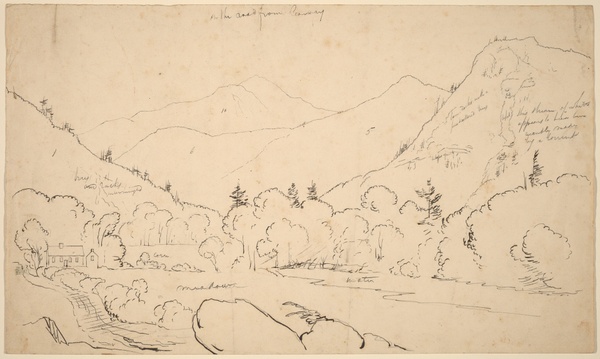
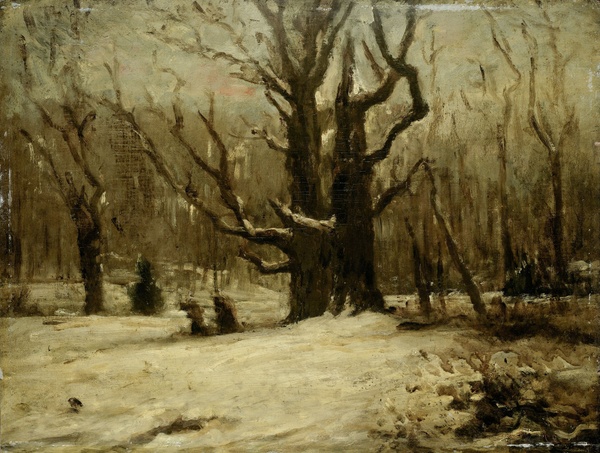
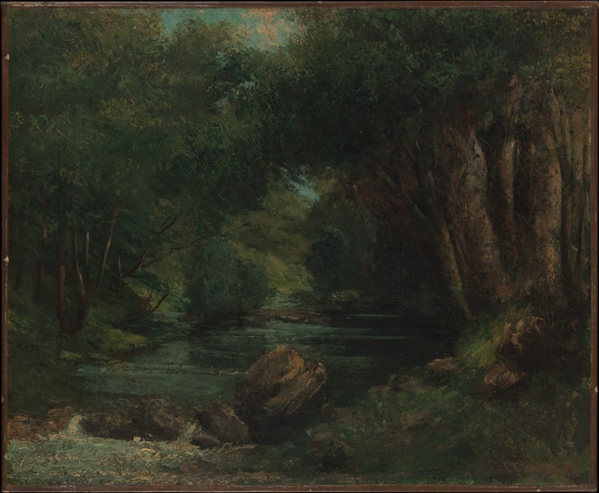
From these weathered monuments, we turn to nature's relentless, yet often gentle, progression. Thomas Cole’s Road in Conway traces a path through the rugged White Mountains, a testament to enduring wilderness. Gustave Courbet’s Winter Landscape (1850–1877) depicts a snow-covered forest, silent and still, where the passage of seasons leaves its powdery trace. His A Brook in the Forest delves into a more intimate woodland scene, the secluded stream a constant, murmuring thread through time.
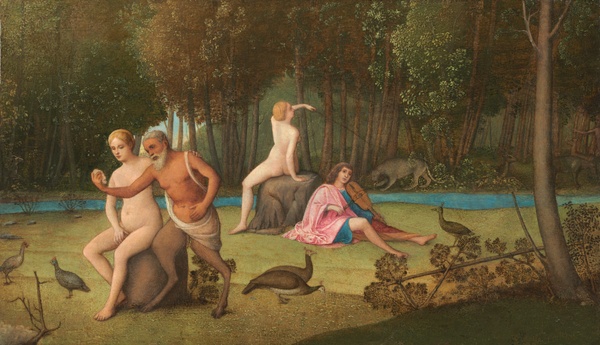
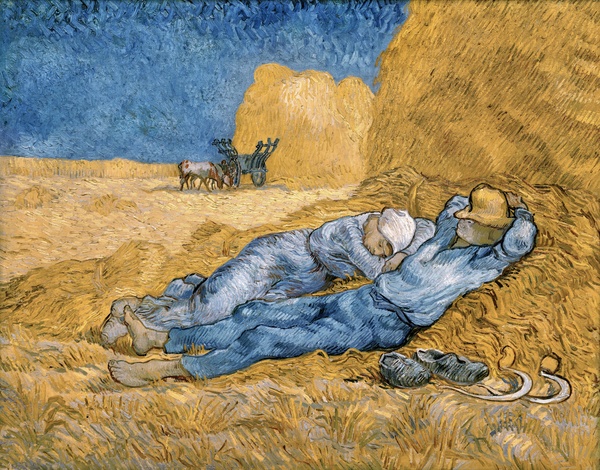
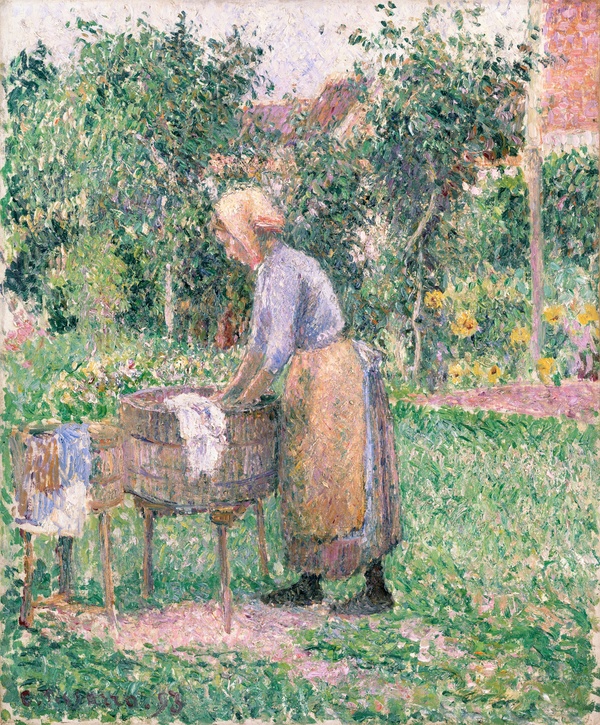
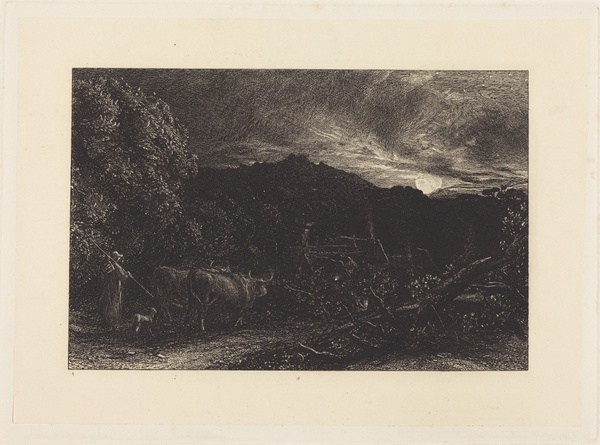
The human element, too, is inextricably woven into this fabric of dust and memory. The timelessness of pastoral life is beautifully captured in the Venetian 16th Century’s Orpheus, a mythological scene where nude figures and a satyr inhabit a lush, ancient landscape. Vincent van Gogh’s The Siesta (after Millet) offers a moment of peaceful slumber, two peasants resting beside a haystack, a tableau of simple, enduring labor. This theme of rustic toil reappears in Camille Pissarro’s A Washerwoman at Éragny, depicting a peasant woman diligently at work outdoors, her task a ritual repeated through generations. Samuel Palmer’s luminous etching, The Weary Ploughman, rounds out this segment, portraying the timeless journey home under a rising moon, a universal rhythm of human effort and rest.
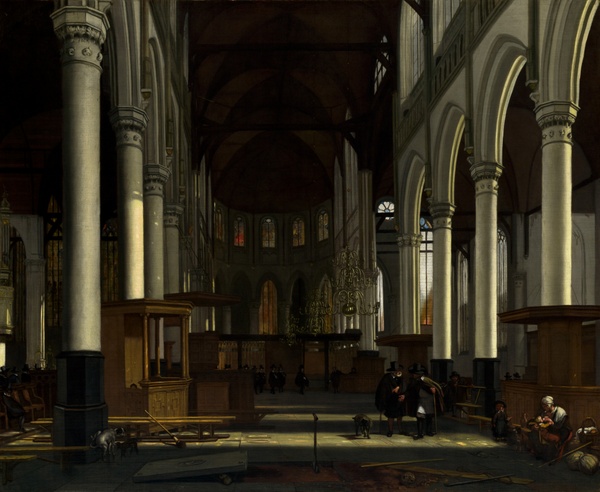
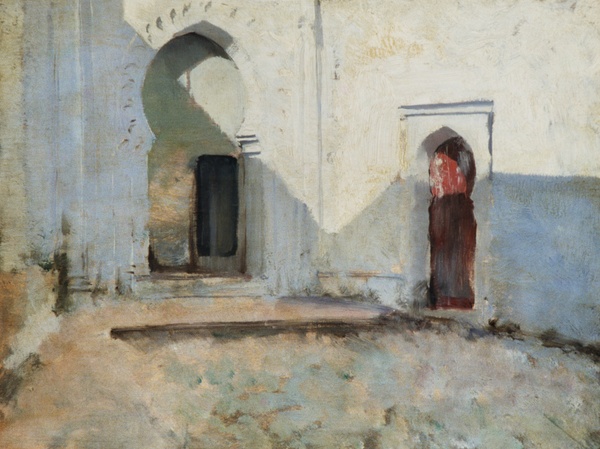
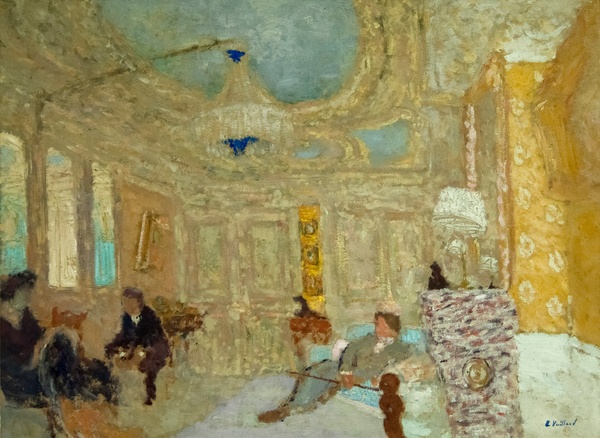
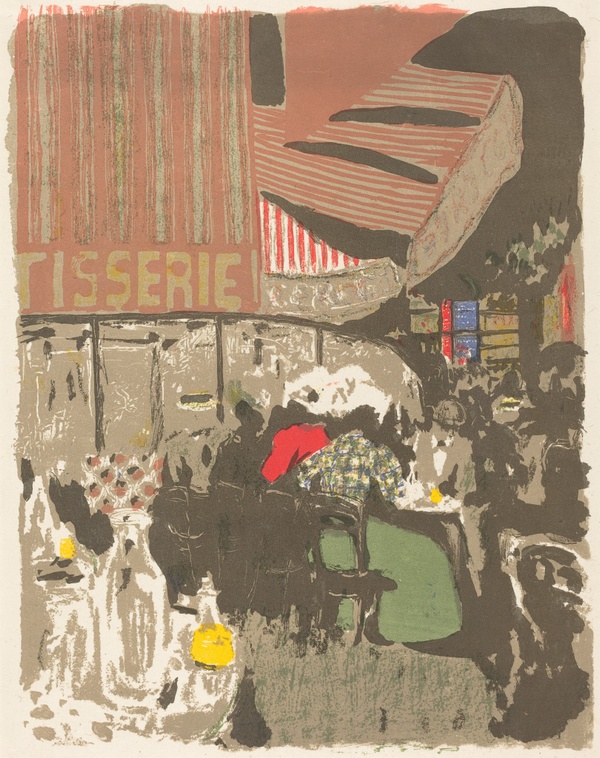
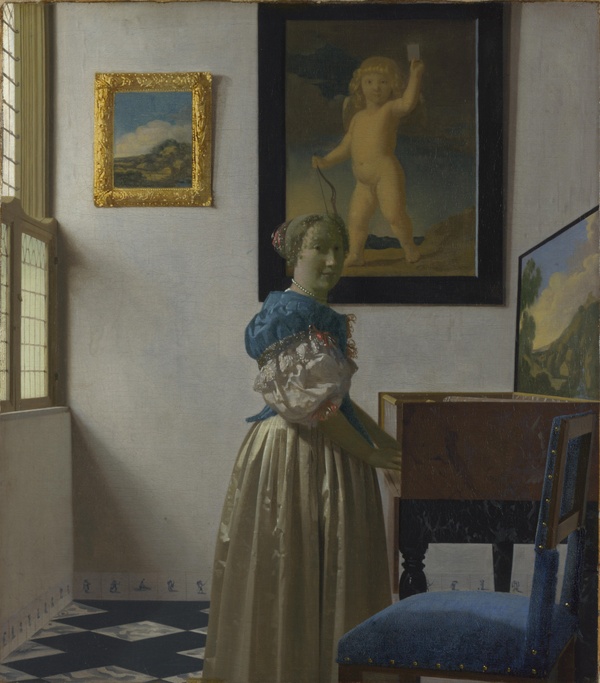
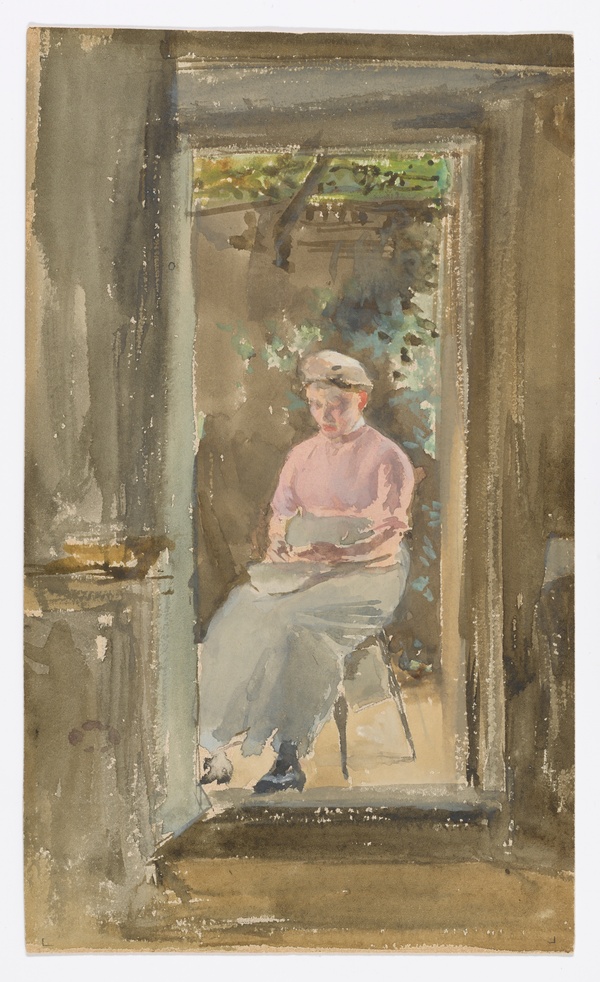
Stepping indoors, we encounter the quiet accumulation of moments. Emanuel de Witte’s The Interior of the Oude Kerk, Amsterdam invites us into a sacred space where dramatic light reveals the dust motes dancing in centuries-old air, illuminating history. John Singer Sargent’s Courtyard, Tétouan, Morocco presents an intimate, sun-drenched space, hinting at untold stories. Édouard Vuillard excels at such domestic observations; his In the Waiting Room captures figures absorbed in richly patterned interiors, a sense of lingering time, while The Bakery (La patiserie), a lithograph, depicts the quiet hum of everyday commerce. Johannes Vermeer’s exquisite A Young Woman Standing at a Virginal captures a moment of elegant stillness, her gaze a window into another century, while James McNeill Whistler’s delicate watercolor Pink Note–Shelling Peas reveals a woman engaged in a timeless domestic task, framed by an open kitchen door.
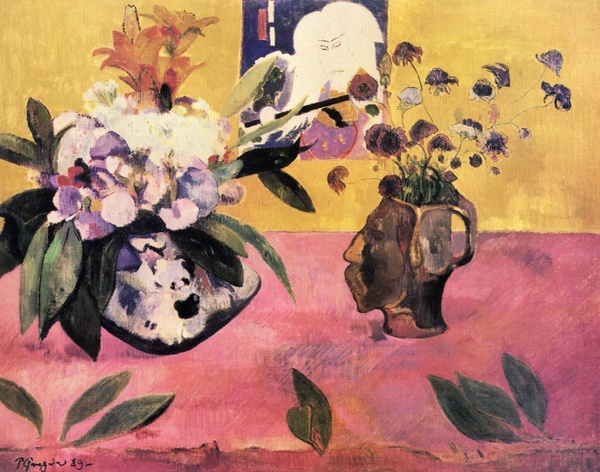
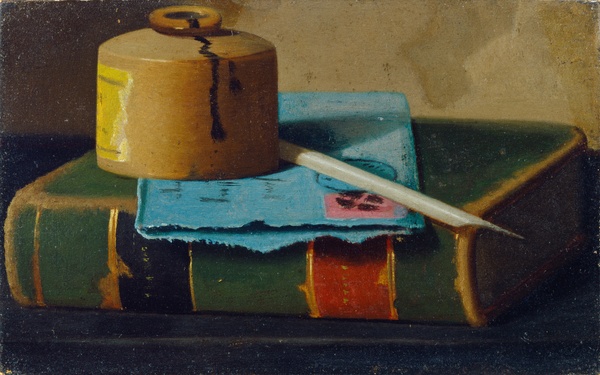
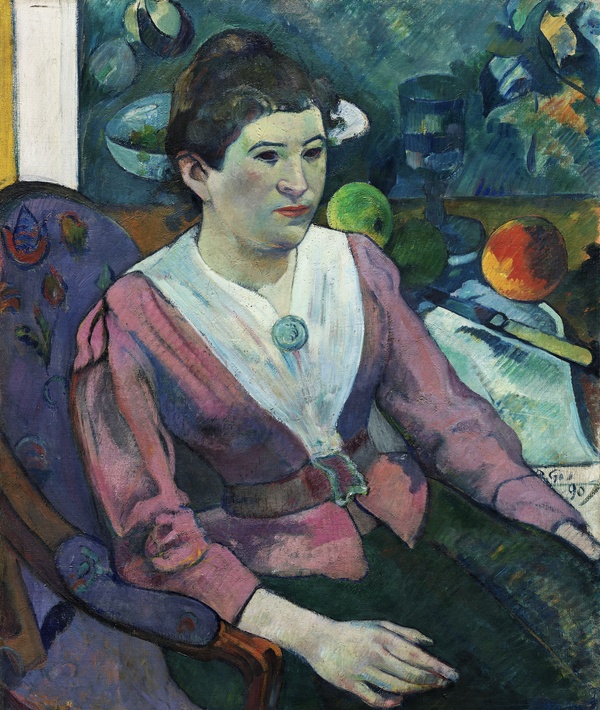
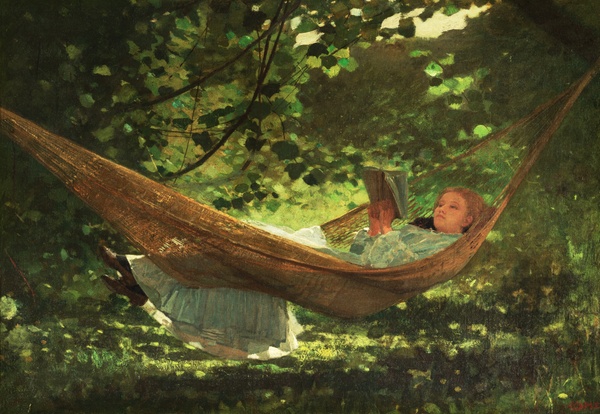
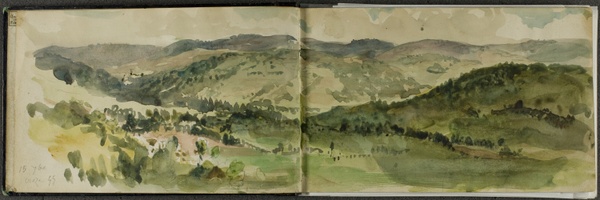
Objects themselves become repositories of time. Paul Gauguin’s Still Life - Paul Gauguin speaks to the permanence of everyday items, bold in color yet quietly monumental. John Frederick Peto’s The Blue Envelope is a trompe l’oeil marvel, an intimate object suggesting forgotten correspondence, a sealed secret. Paul Gauguin’s Woman in Front of a Still Life by Cézanne offers a meta-commentary, art contemplating art, layers of creative intention accumulating. Winslow Homer’s Sunlight and Shadow captures the transient play of light on a figure absorbed in reading, a fleeting moment preserved. Even the artist's process, in Eugène Delacroix’s Sketchbook from the Artist's Trip to Germany, reveals the ephemeral observations caught on paper, becoming fragments of memory.
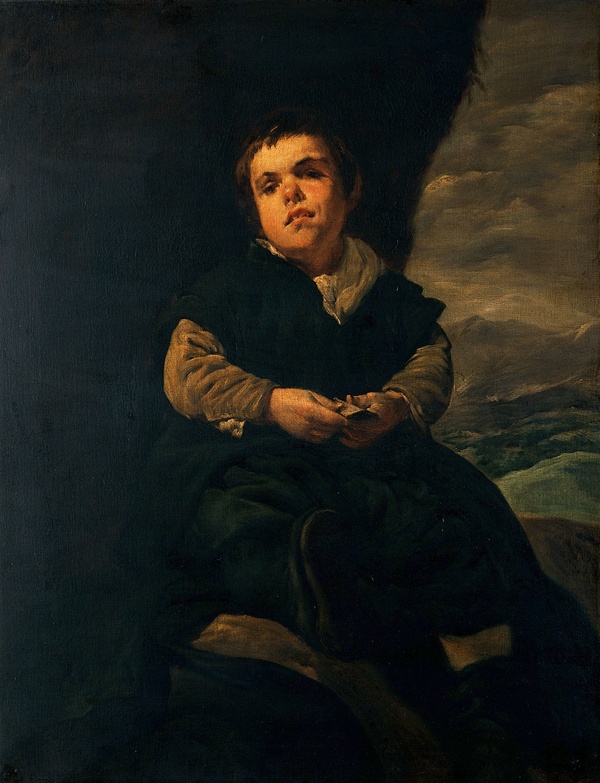
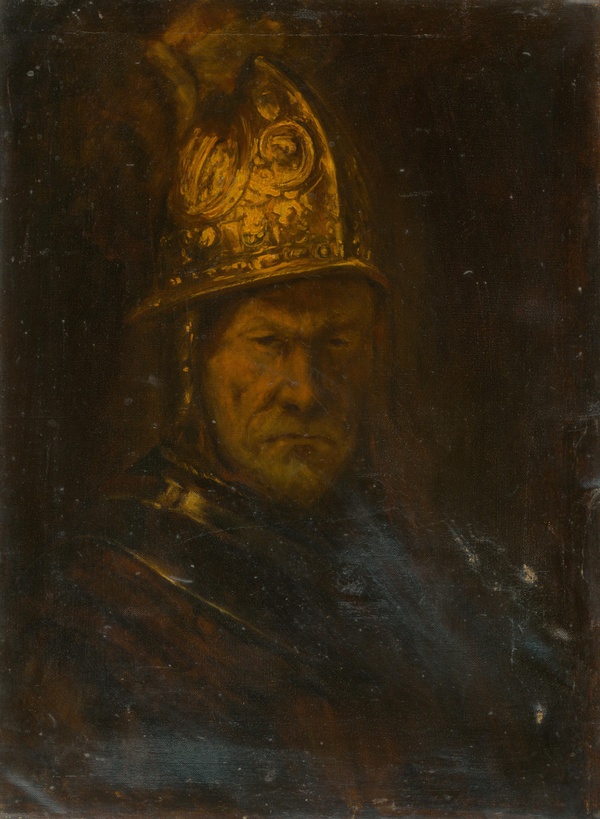
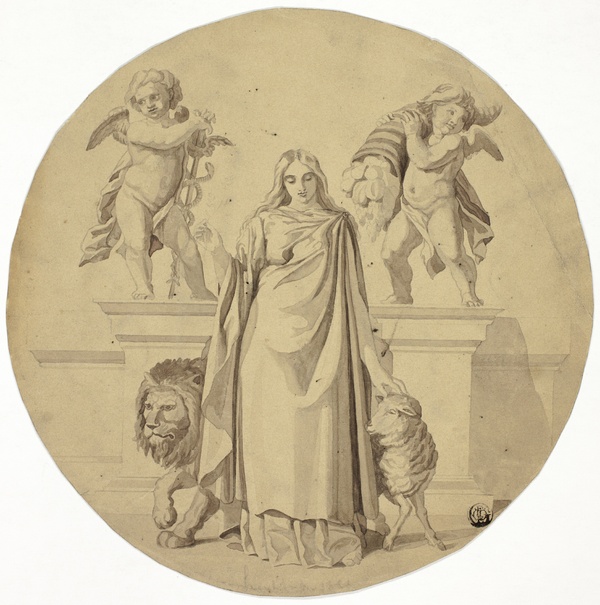
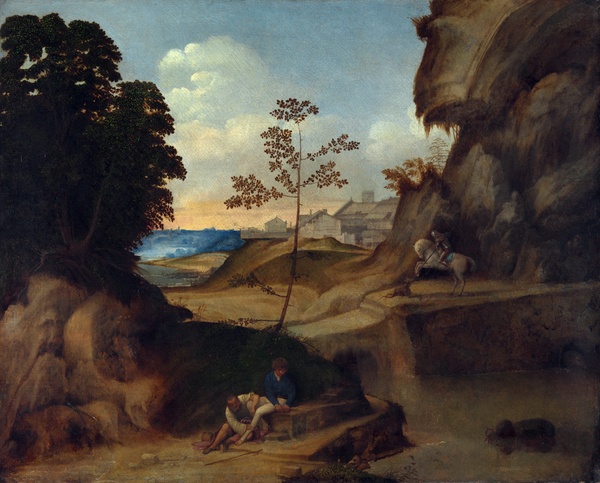
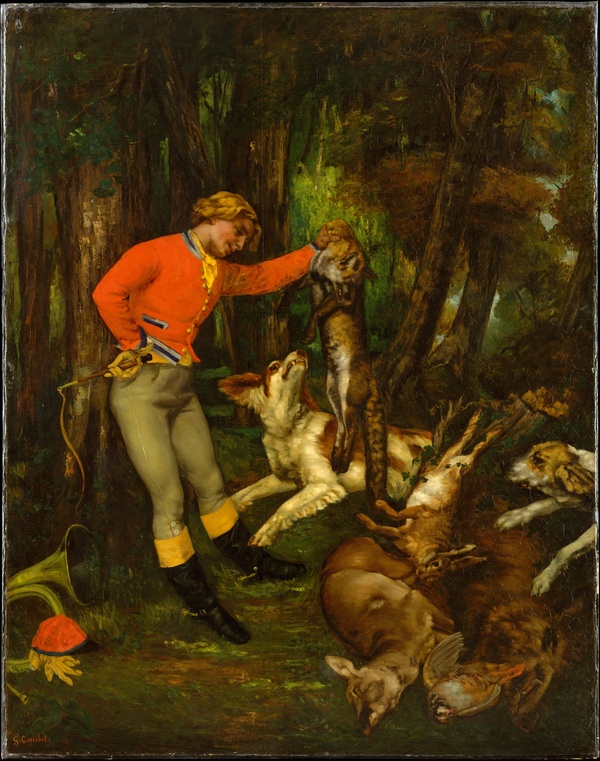
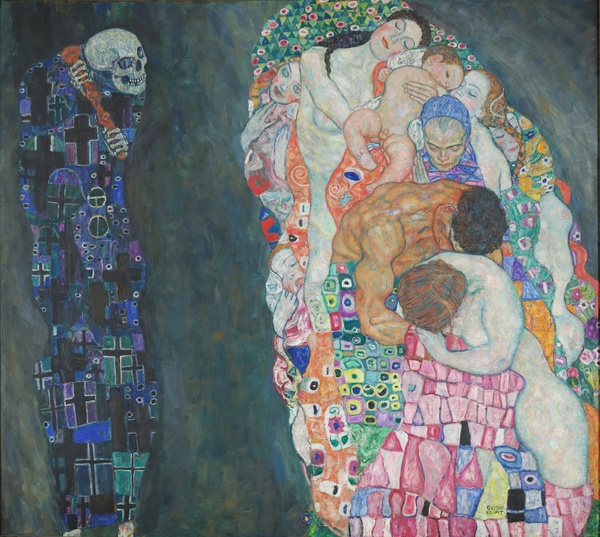
Finally, we confront the human face of time and the grand allegories of existence. Diego Velázquez’s The Dwarf Francisco Lezcano, "El Niño de Vallecas", offers a poignant, dignified portrait, an individual life etched into history. The anonymous subject of The Man with the Golden Helmet, attributed to the Circle of Rembrandt, gazes out with the gravitas of age, his ornate headwear hinting at forgotten glories. Frederic Leighton’s Allegorical Female Figure with Lion, Lamb, Two Putti evokes timeless themes of peace and harmony, a symbolic presence transcending individual dust. Giorgione’s haunting Il Tramonto (The Sunset) sets a melancholic scene at dusk, figures grappling with fate in a landscape saturated with the light of an ending day. Gustave Courbet’s After the Hunt depicts the stark aftermath, a moment of stillness and mortality, the dust settling on the fallen. And finally, Gustav Klimt’s profound Death and Life encapsulates the entire theme, a swirling composition of human existence poised against the skeletal figure of death, reworked over years, a testament to the persistent dance between presence and absence, creation and decay, all held within the silent language of dust.
This journey through "The Language of Dust" reveals that neglect is not merely absence, but a form of presence—the quiet assertion of time itself, continuously reshaping, re-etching, and whispering its enduring stories through art.
![Mountain Landscape [verso] - Thomas Cole (c. 1828)](/images/community/thumbnail/5e585ab1-527c-4fe7-a17c-e8990c929563.jpg)