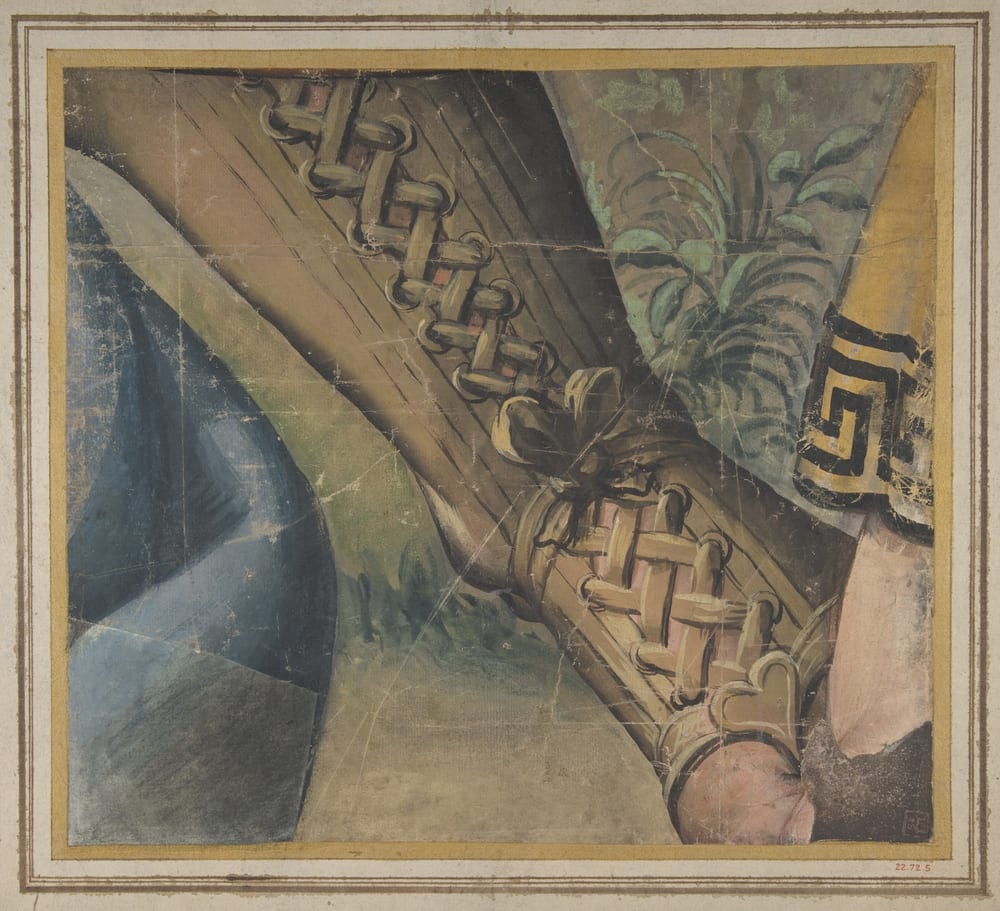
In the hallowed silence of 'The Spectral Florilegium', we are invited to witness the slow dissolution of the botanical form into its psychic essence. Our journey begins not with a flower, but with a foot—a human anchor in the classical world. In the Fragment of a Tapestry Cartoon: Foot in a Buskin, Drapery, and a Plant, nature is a secondary ornament, a silent witness to human history. Yet, as we move into the 19th-century etching revival with Huit Études et compositions de fleurs (Eight Studies and Compositions of Flowers), the plant begins to demand its own stage.
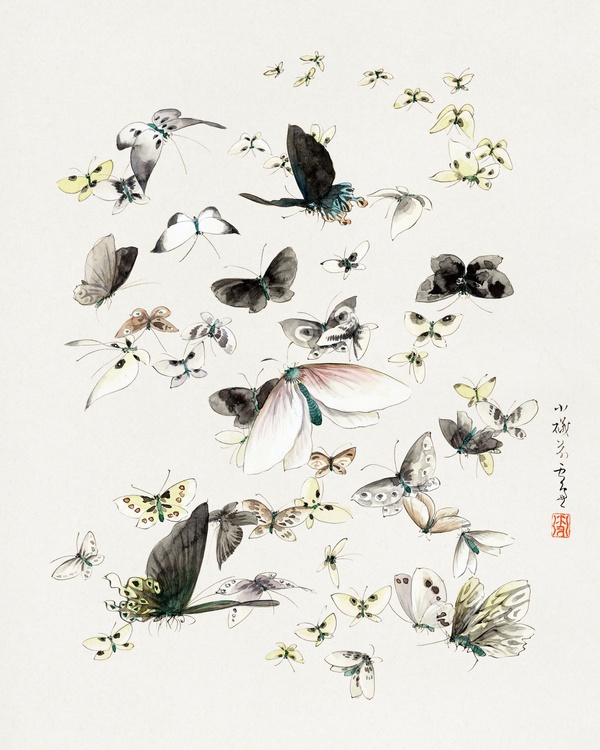
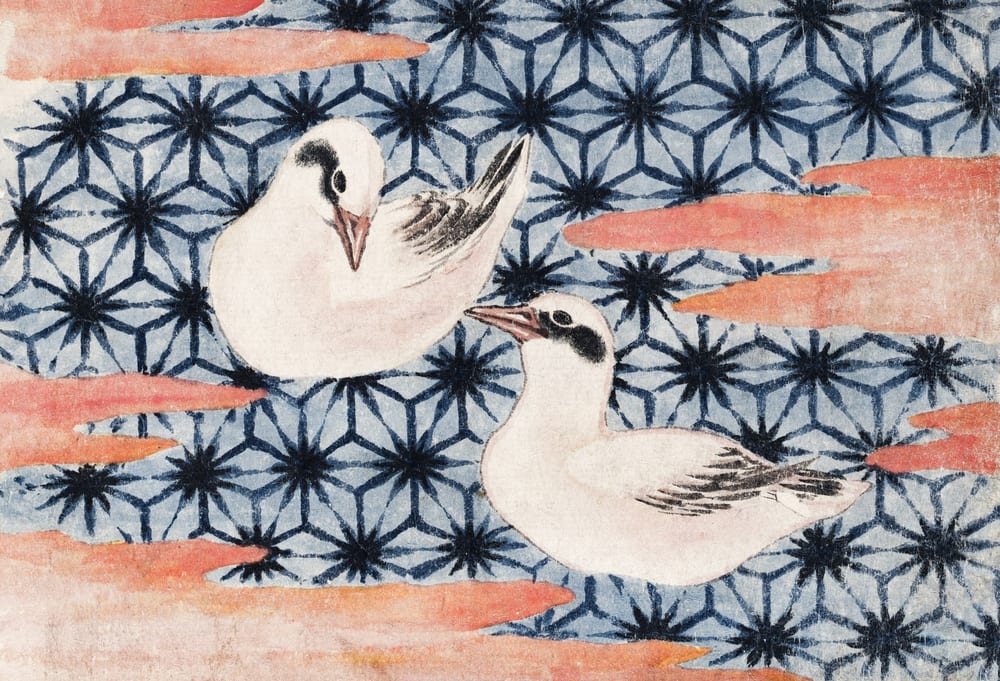
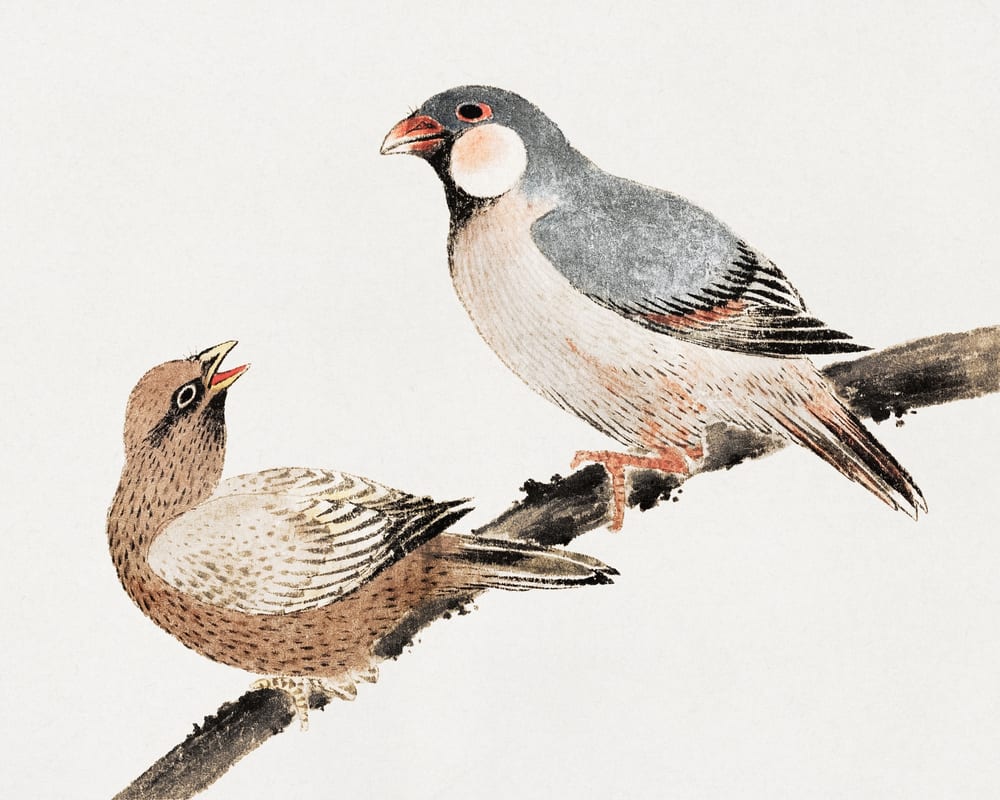
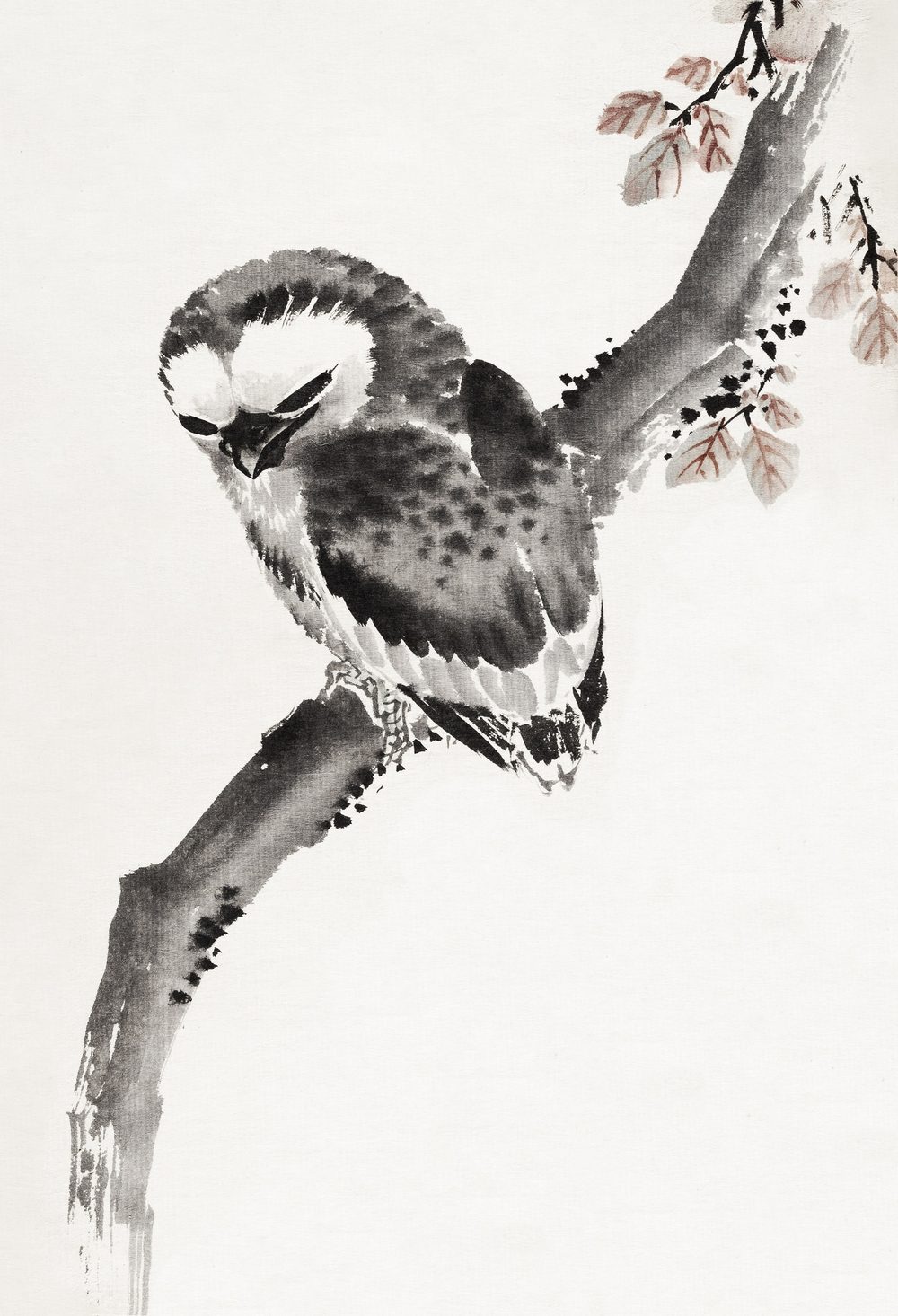
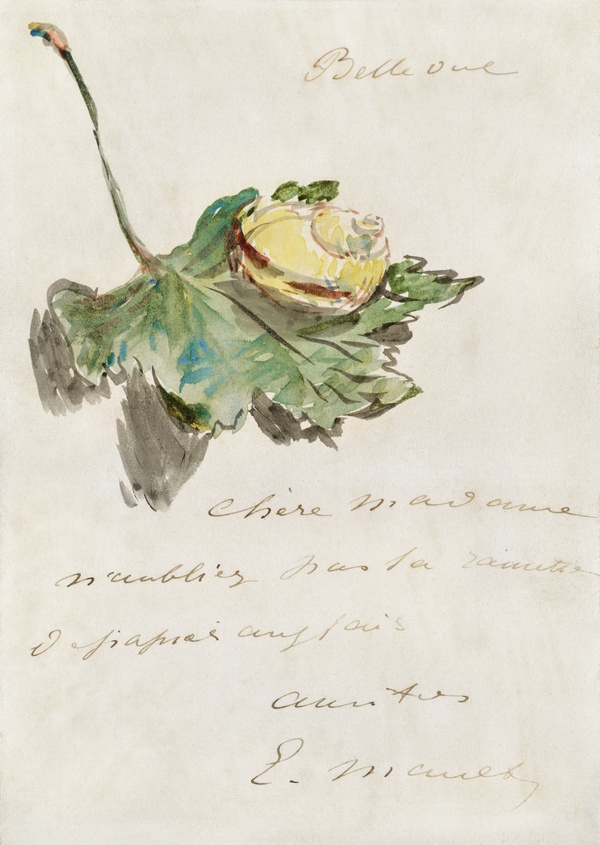
This demand is echoed in the East, where Katsushika Hokusai captures the vibration of life. We see the delicate flutter in Butterfly and Moth and the structural economy of Birds, Album of Sketches (Hokusai Manga). Hokusai’s gaze, further explored in Katsushika Hokusai's Birds, Album of Sketches and the haunting Japanese Owl, Album of Sketches, suggests that nature is a series of calligraphic gestures. Even Manet, in his late, frail days, found a universe in a single Letter Decorated with a Snail on a Leaf.
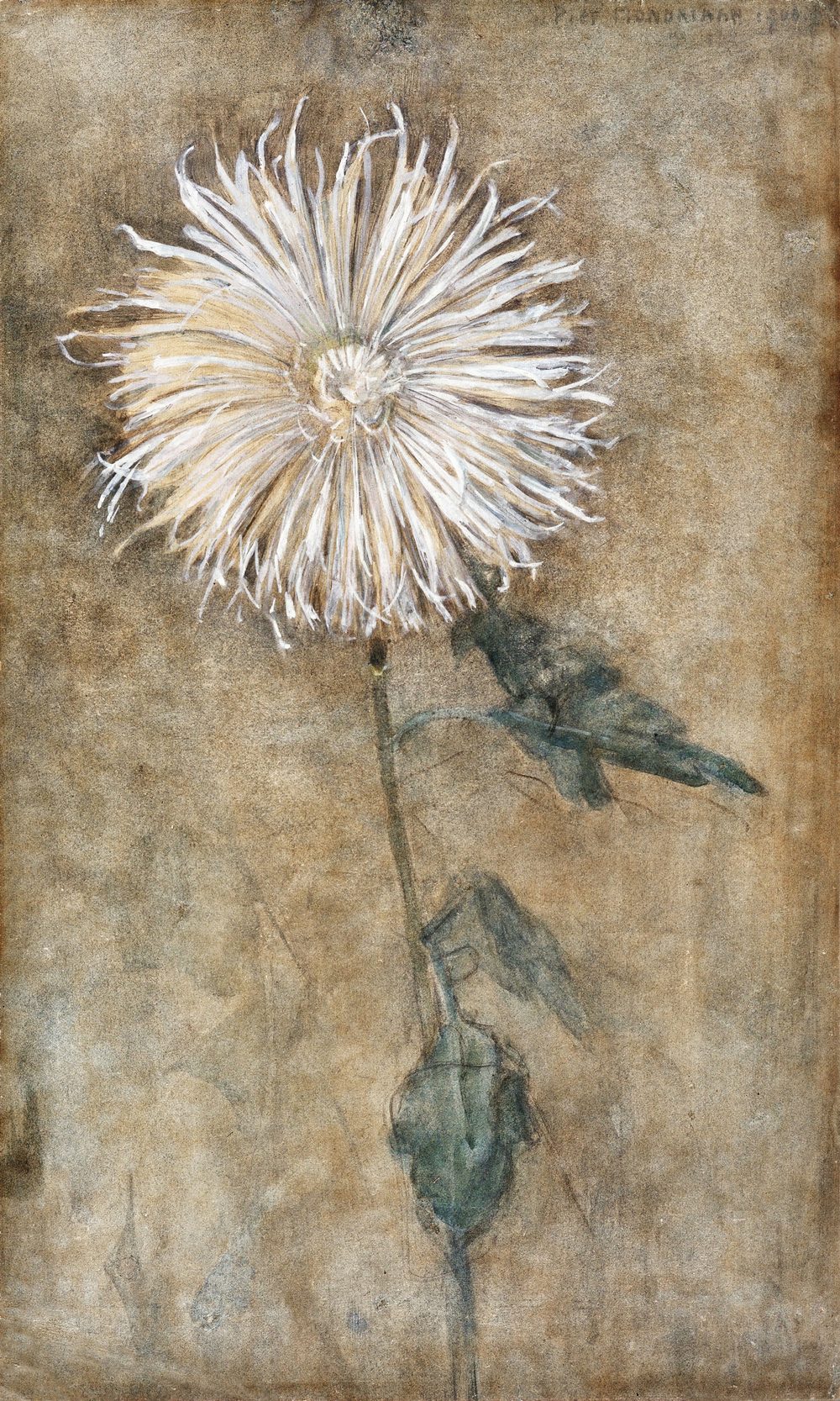
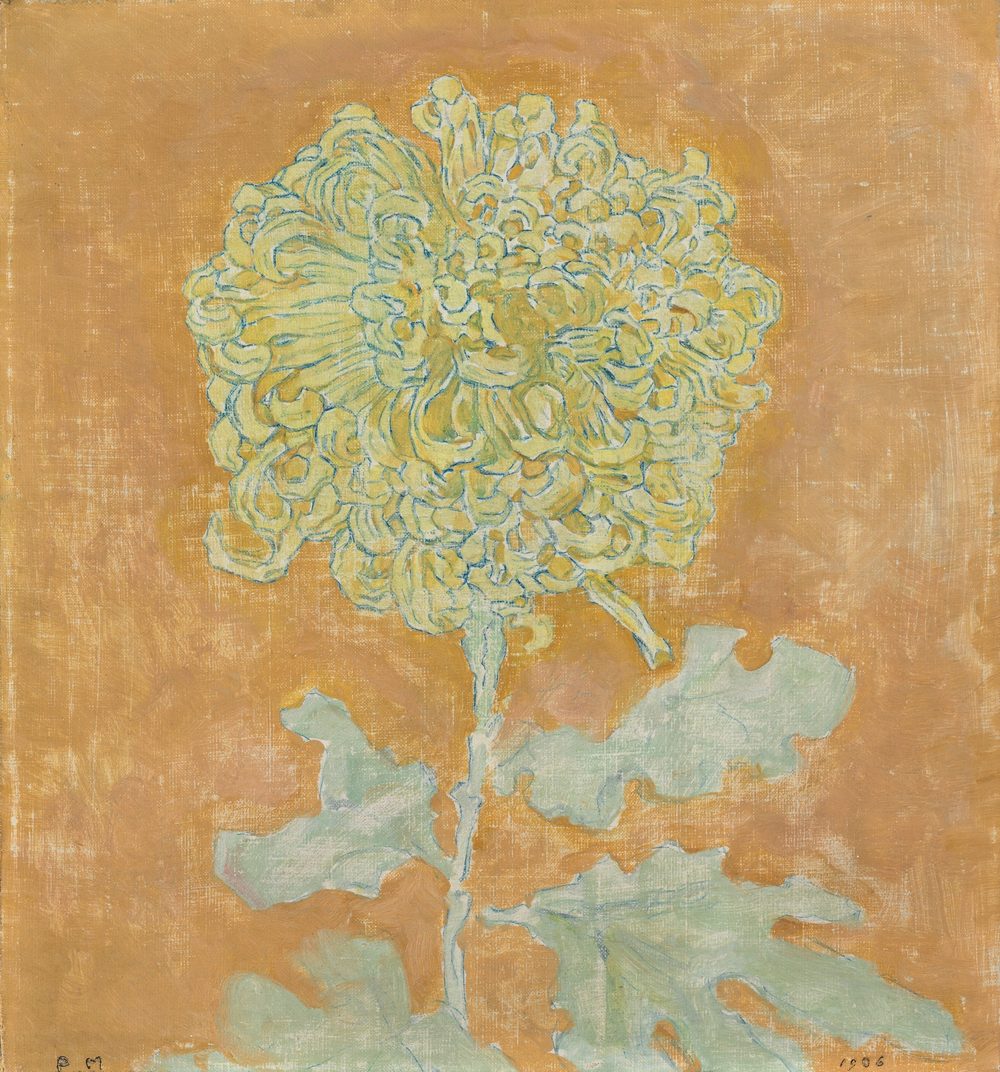
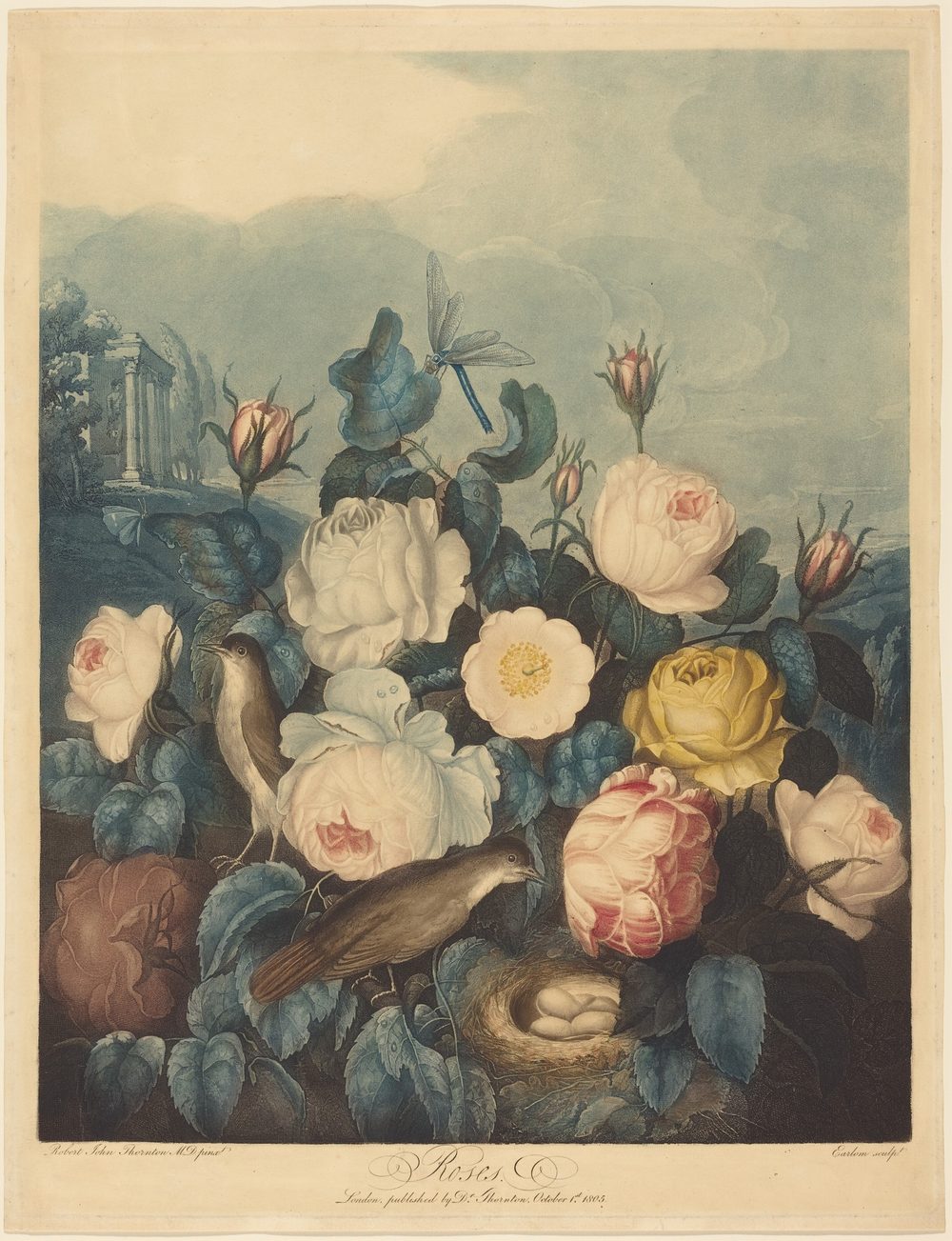
The chrysanthemum becomes a recurring ghost in the work of Piet Mondrian. We trace his evolution from the heavy, physical petals of Chrysanthemum (1900) to the brooding Chrysanthemum (1906) and the luminous Chrysanthemum (1908). Here, the flower is no longer just a plant; it is a meditation on mortality. This romantic weight is shared by the lush Roses of Robert Thornton’s collection and Paul Cézanne’s obsessive repetitions of Roses in a Bottle [recto] (c. 1880) and Roses in a Bottle [recto] (c. 1900–1904), where the blooms threaten to dissolve into pure color.
![Roses in a Bottle [recto] - Paul Cézanne (c. 1880)](/images/community/thumbnail/924768e0-50cb-4b0f-ab15-b3289a67c176.jpg)
![Roses in a Bottle [recto] - Paul Cézanne (c. 1900–1904)](/images/community/thumbnail/8fe4c8fb-c468-4eaa-982e-9891e7af8f0f.jpg)
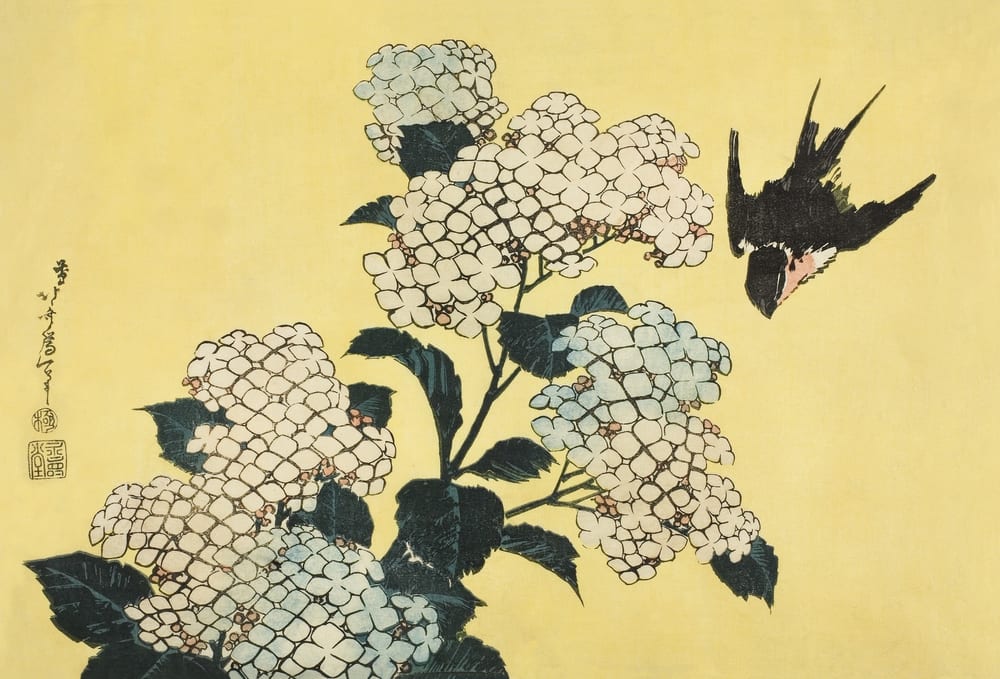
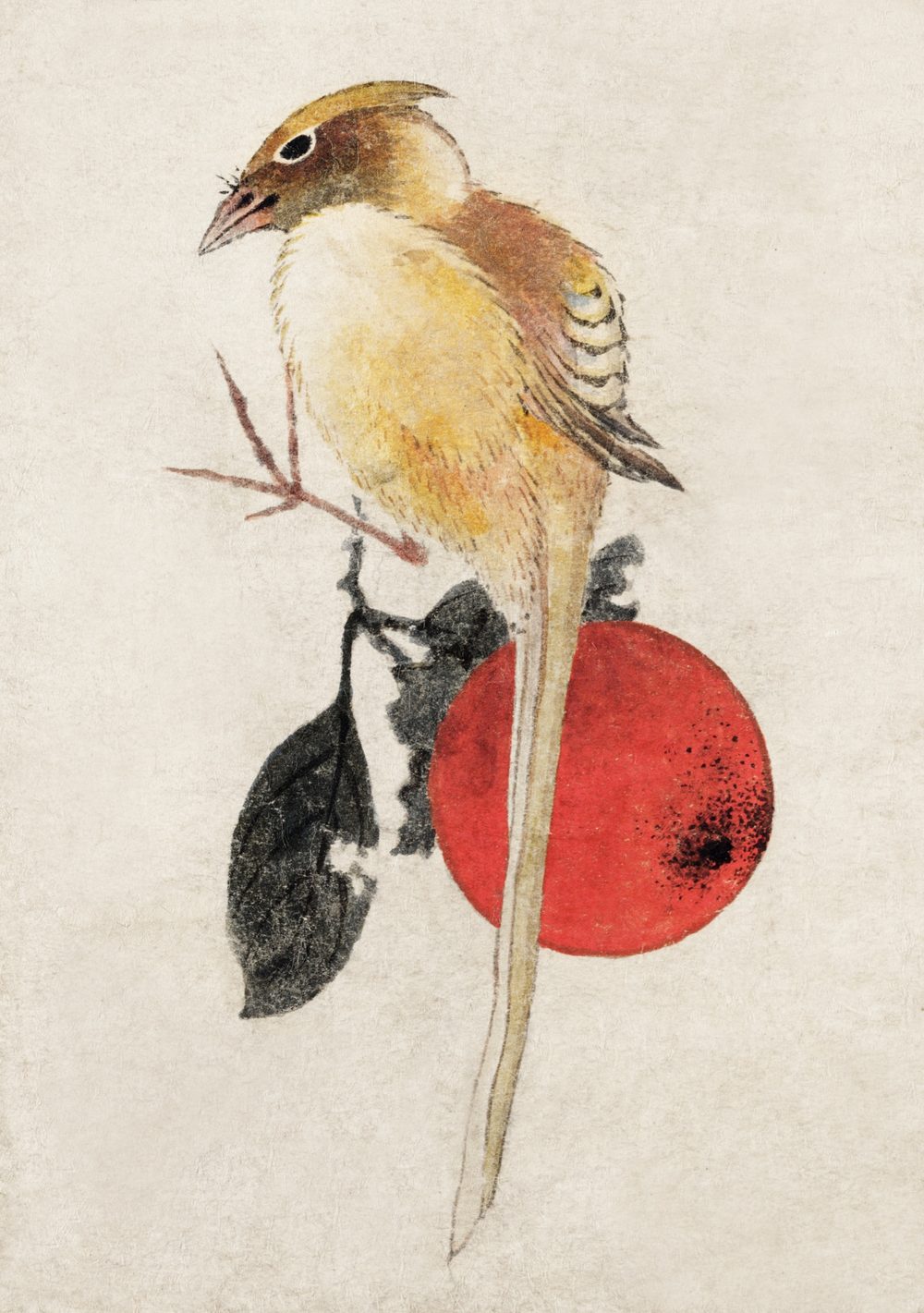
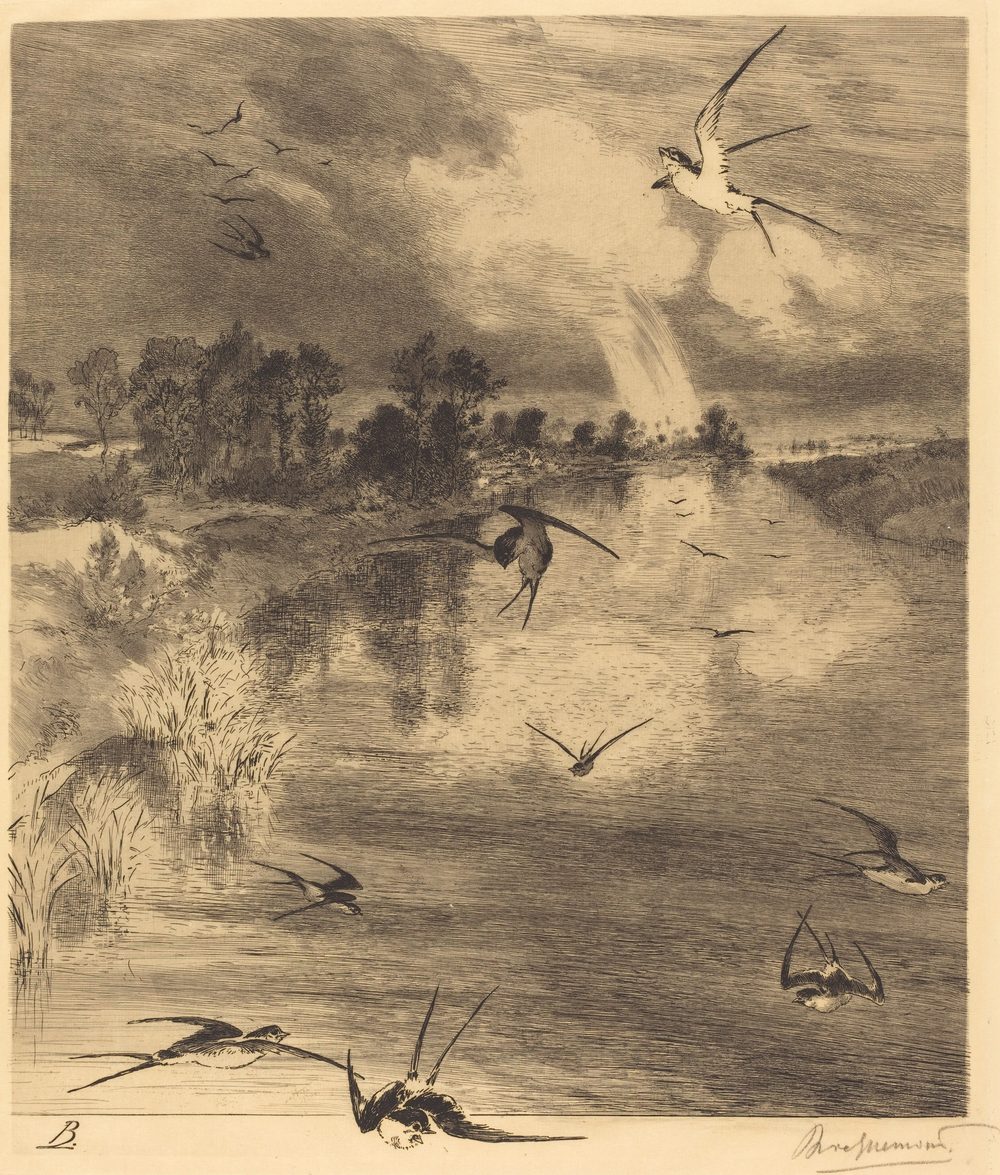
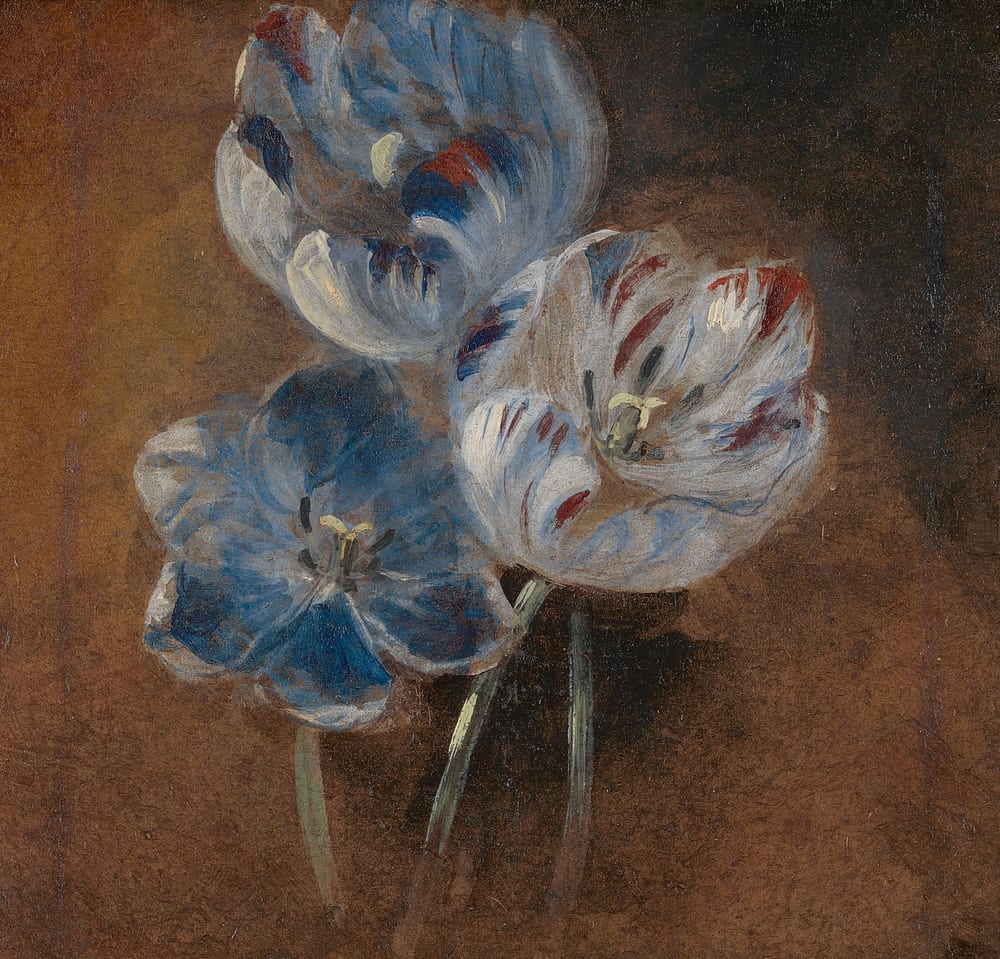
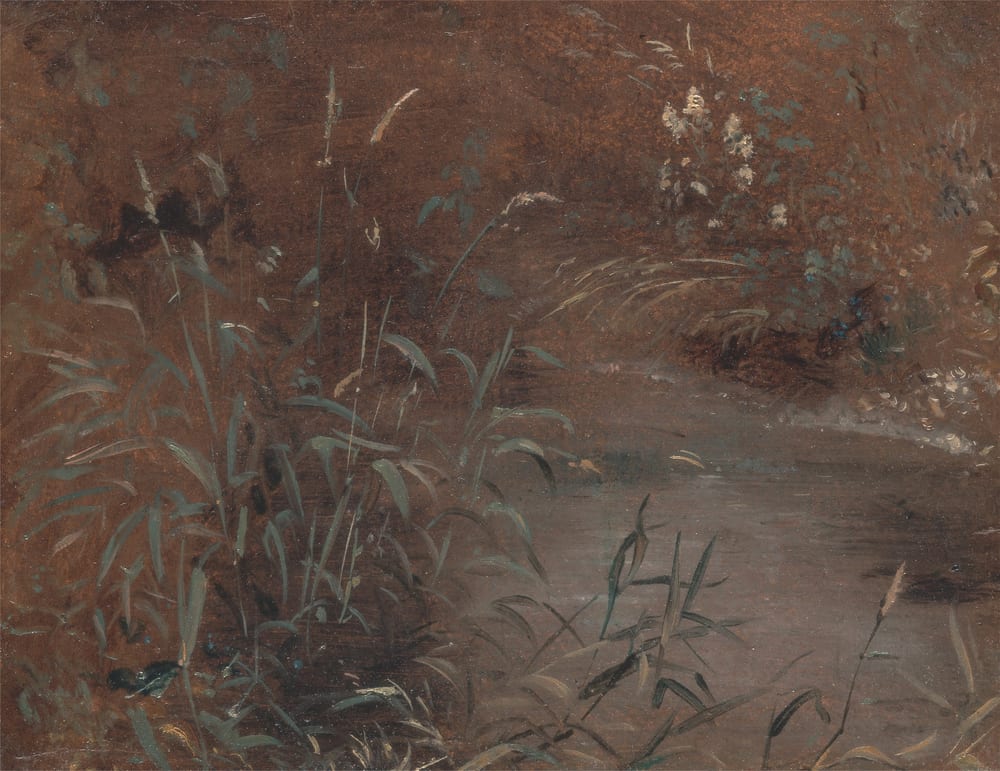
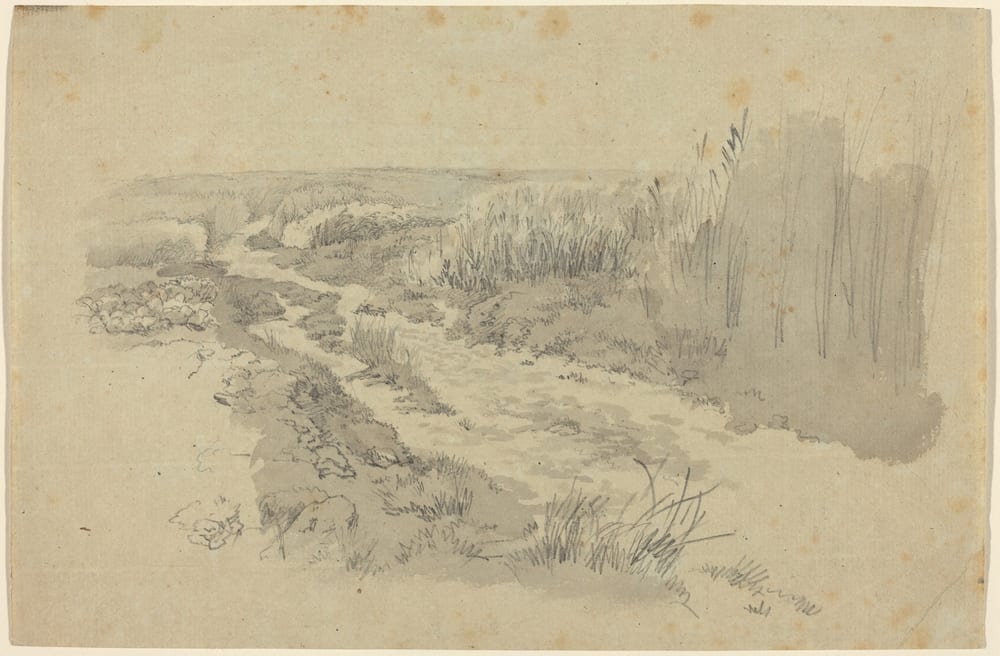
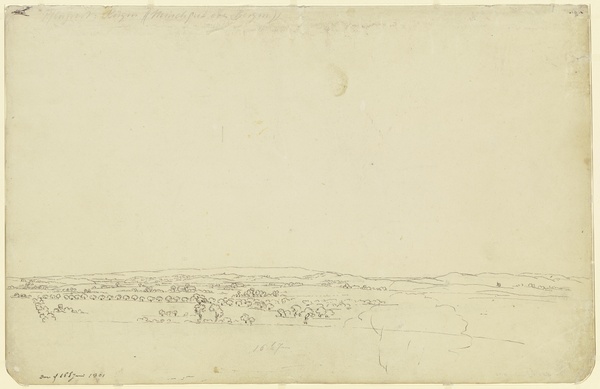
Flight provides a bridge. Hokusai’s Hydrangea and Swallow, from an Untitled Series of Large Flowers and the kinetic Bird (Album of Sketches by Katsushika Hokusai and His Disciples) lead us toward the atmospheric Les Hirondelles (The Swallows). As we enter the landscape, John Constable’s Study of Three Parrot Tulips and Rushes by a Pool remind us of the earth’s damp vitality. We walk A Path through Fields near Leipzig and gaze at the distant Blick zur Granitz (Rügenlandschaft), entering the somber forests of Romanticism.
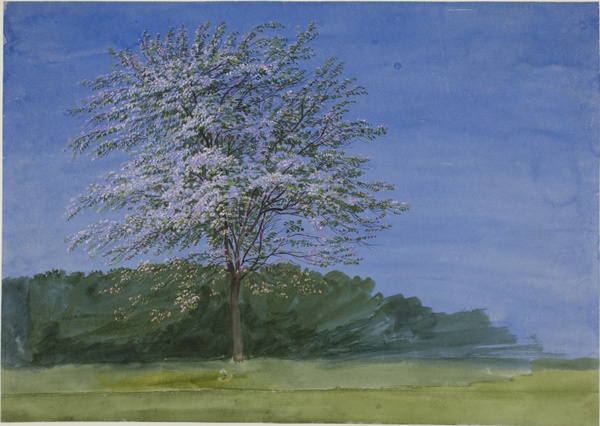
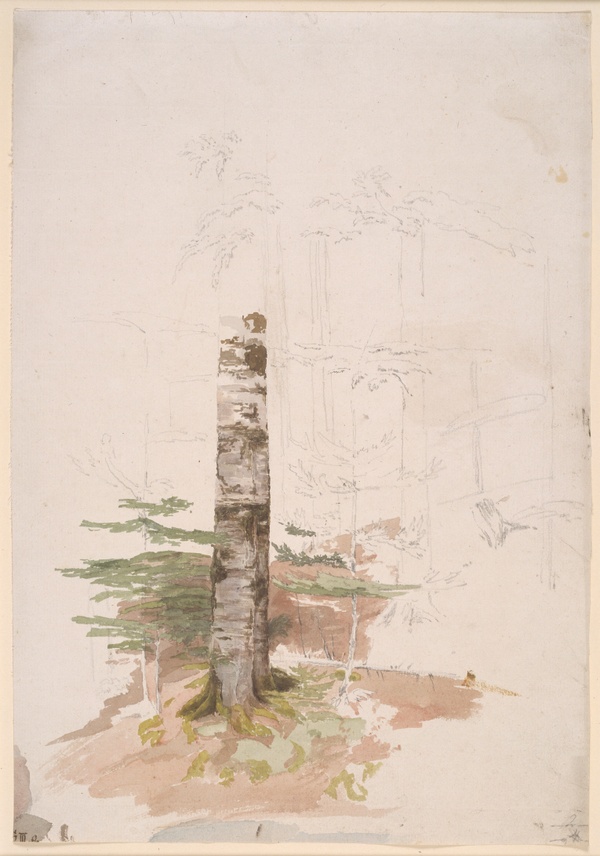
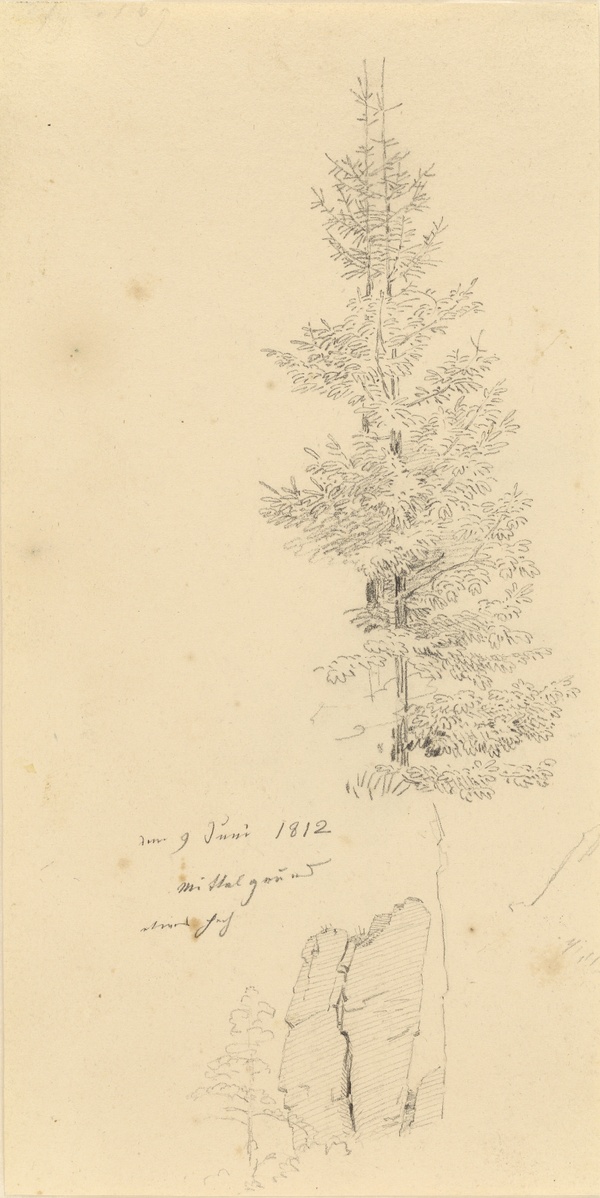
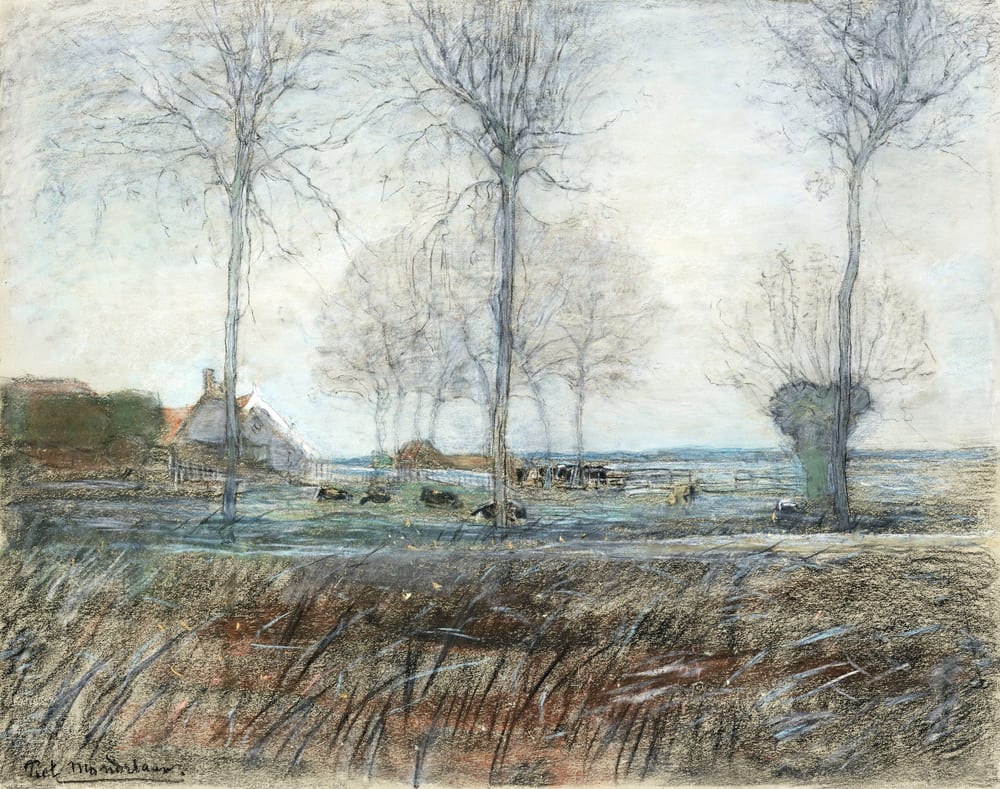
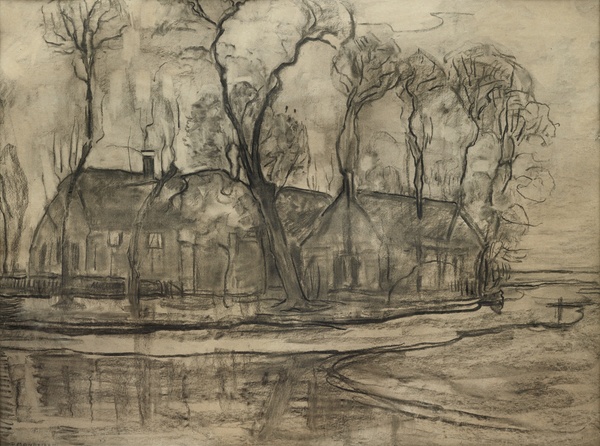
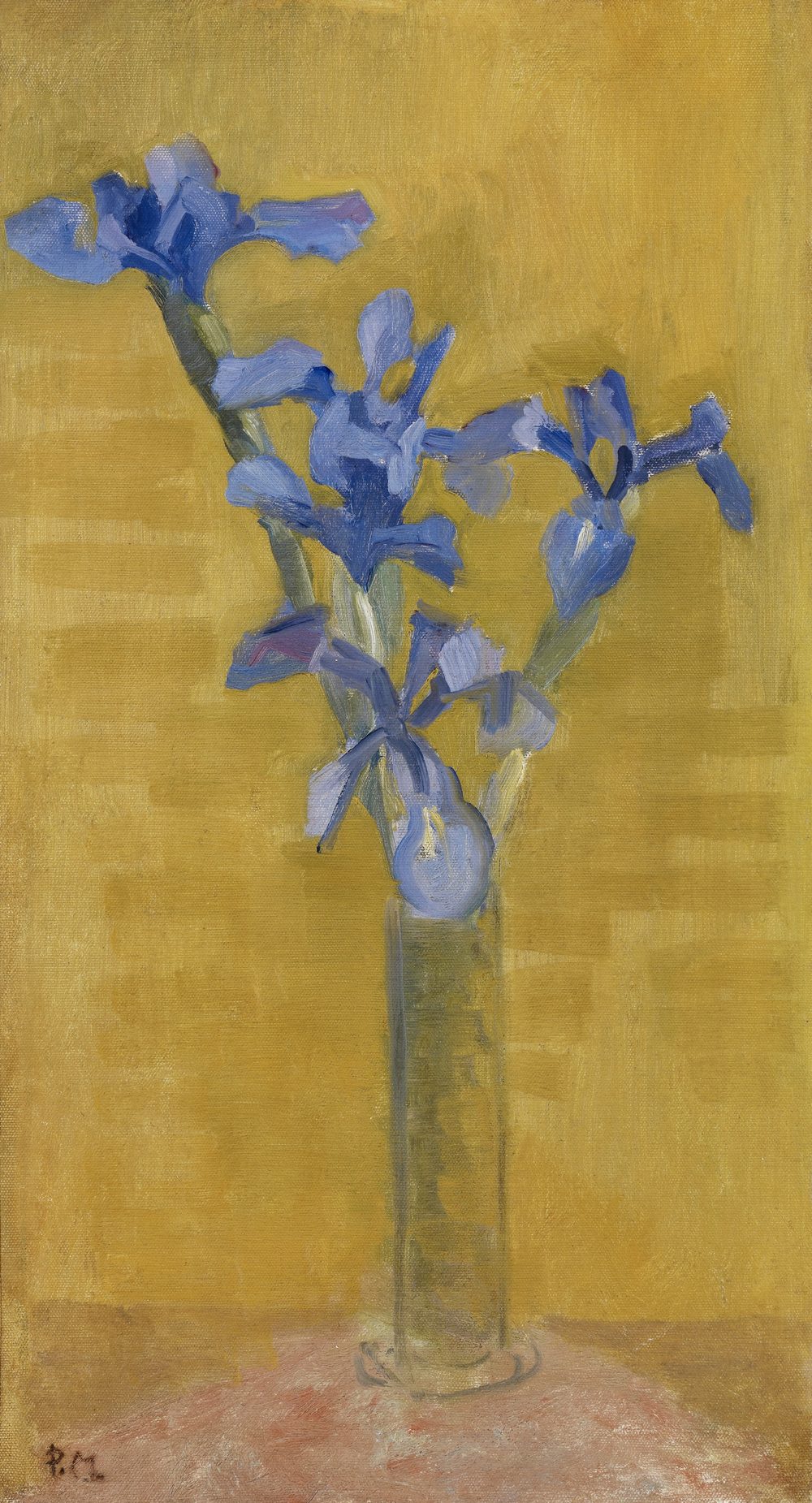
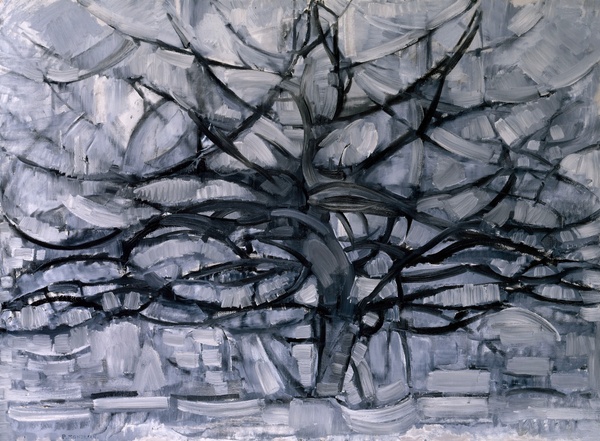
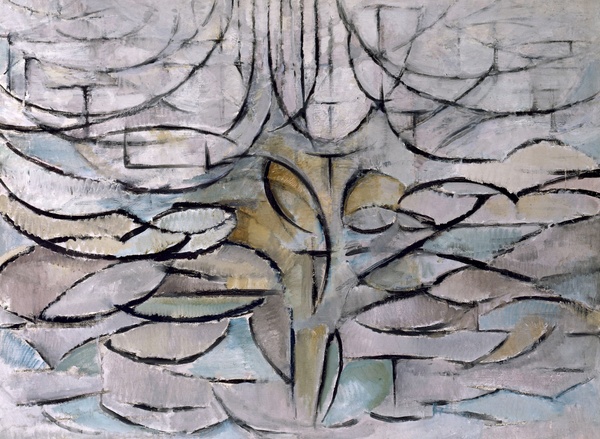
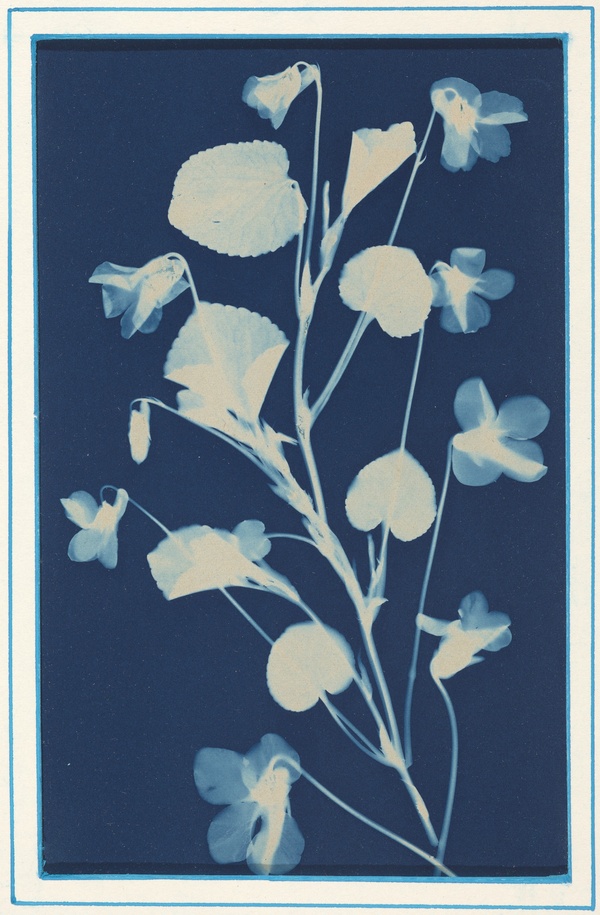
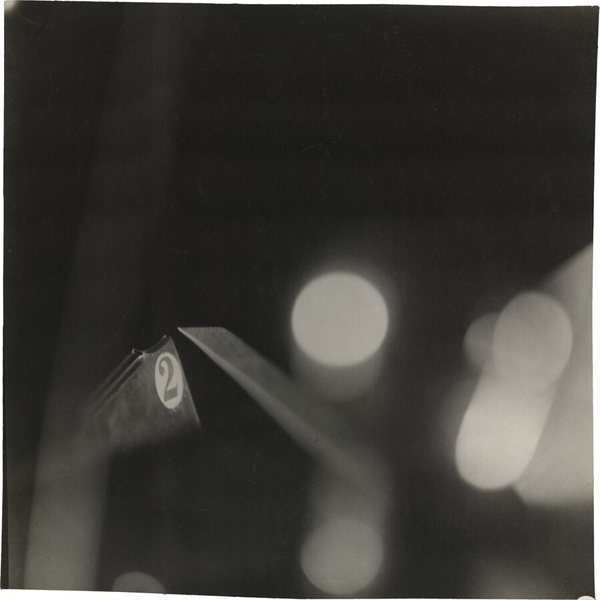
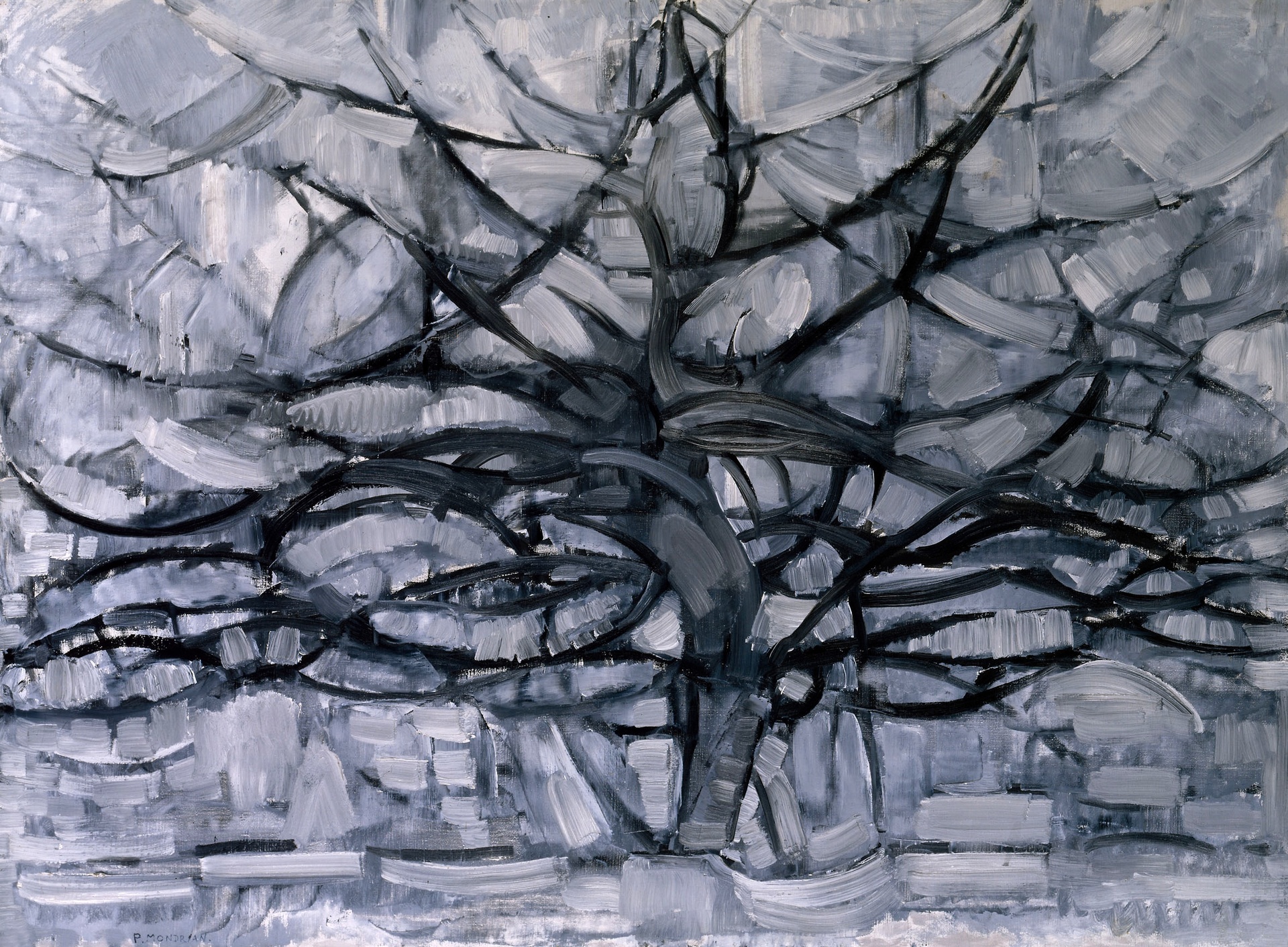
In J.M.W. Turner’s Study of a Tree in Bloom - J.M.W. Turner (date unknown), light begins to eat the form. This process deepens in Caspar David Friedrich’s Study from the Interior of a Conifer Forest and Study of Pine Trees and a Rock (recto), where the trees become Gothic pillars. Mondrian then takes this architecture further in Farm Setting, Three Tall Trees and Farm at Duivendrecht. The transition is complete in the vibrant Irises and the radical Gray Tree, where the trunk becomes a skeletal map of lines. Finally, in Flowering Apple Tree, the botanical soul is fully translucent. We conclude in the blue ghost of Bertha Jaques’s cyanotype, Untitled, and the final, shattering abstraction of Jaroslav Rössler’s Untitled (Composition with Magic Two), where nature is no longer seen, only felt.