In the twilight hours between civilization and wilderness, where human ambition meets nature's eternal persistence, lies a realm where flora refuses to be contained. This is the territory of the untamed garden—not the manicured paradise of human design, but the wild, insurgent landscape that reclaims its sovereignty with every brushstroke.
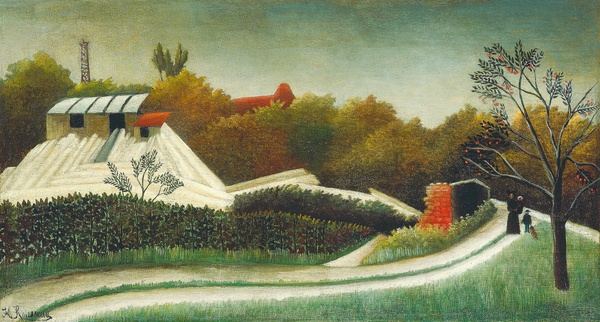
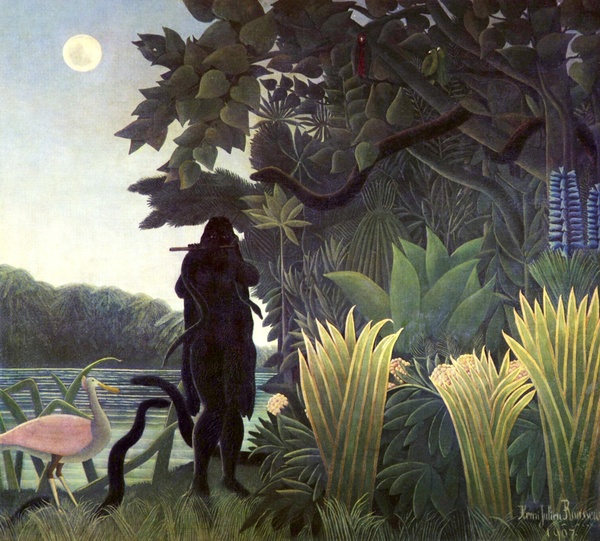
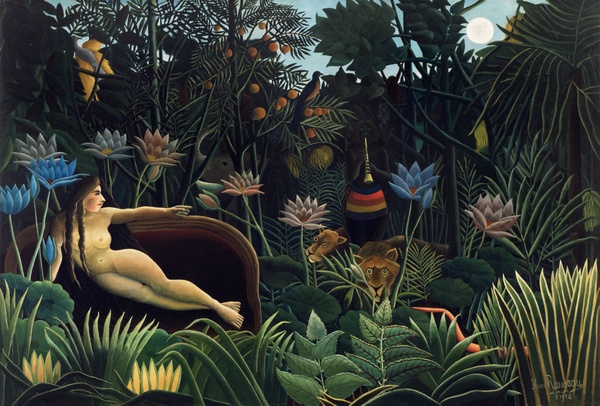
Our journey begins in the peripheral spaces, where Henri Rousseau's "Sawmill, Outskirts of Paris" reveals nature's quiet infiltration of industrial progress. Here, lush foliage presses against the mechanical world, a gentle but persistent reminder that wilderness is never truly banished. Rousseau understood this tension intimately, creating jungle fantasies from his suburban observations. In "The Snake Charmer," he conjures a moonlit realm where the boundaries between human and plant dissolve, where serpentine forms mirror the writhing vines that dominate the composition.
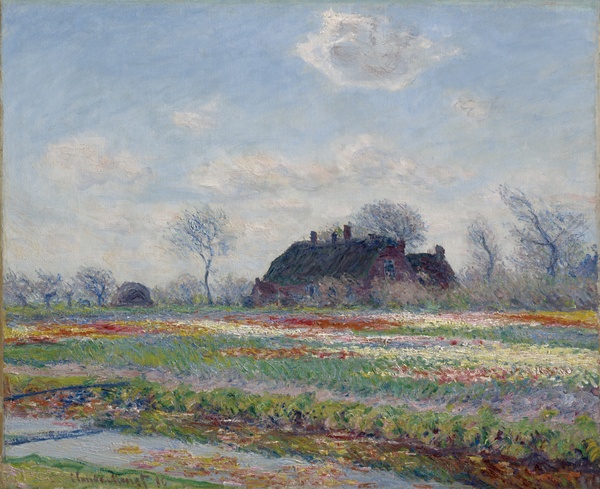
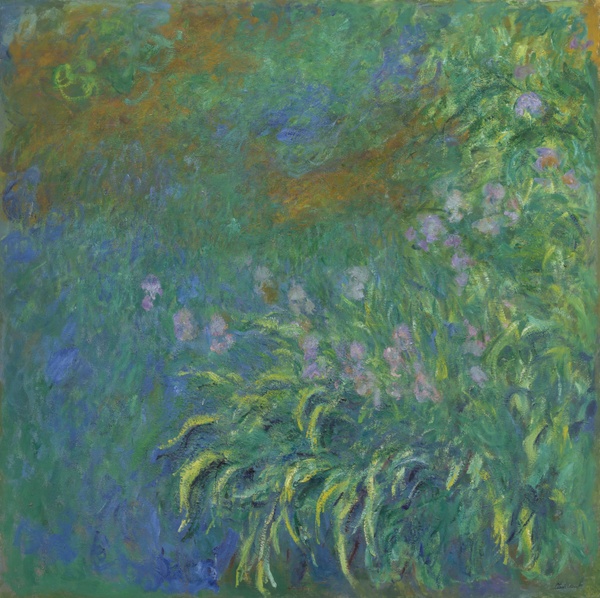
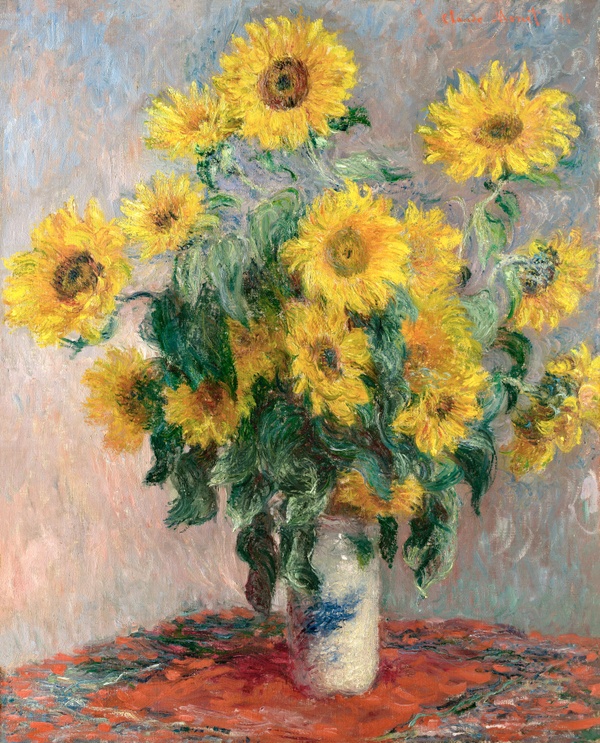
Yet rebellion takes many forms. Claude Monet's "Tulip Fields" transforms the ordered Dutch landscape into bands of pure color—nature organized, yet so intensely alive that it threatens to burst from its geometric constraints. His later "Irises" abandons all pretense of order, presenting blooms from an impossible bird's-eye view that makes us accomplices to nature's secret choreography. In the "Bouquet of Sunflowers," Monet brings the garden indoors, but these are not submissive domestic arrangements—they are ambassadors of the wild, golden revolutionaries plotting their return to soil and sky.
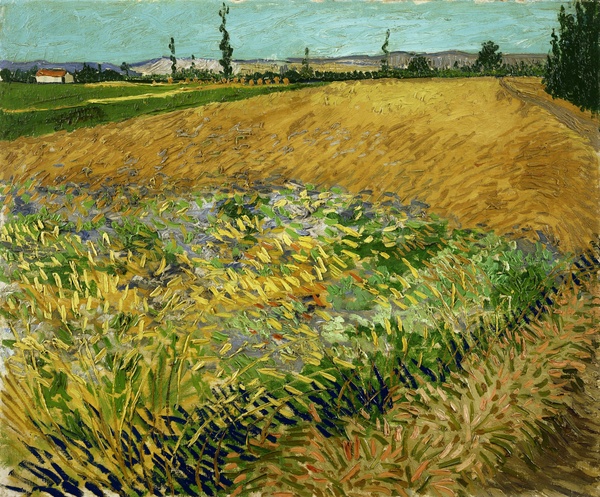
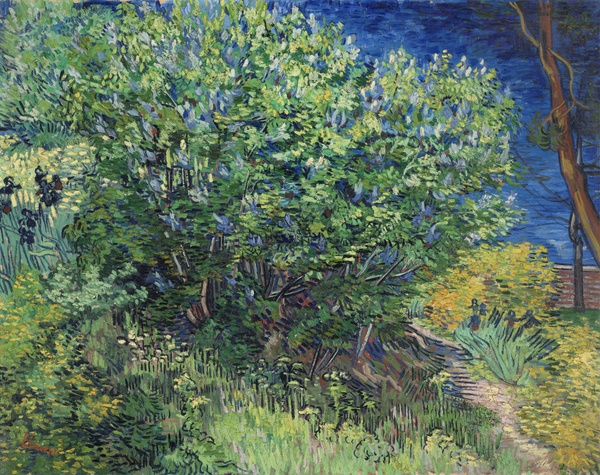
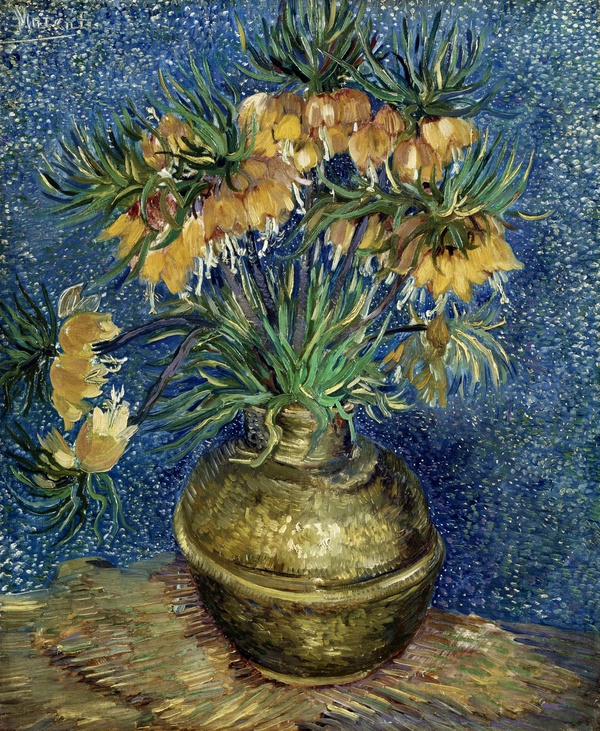
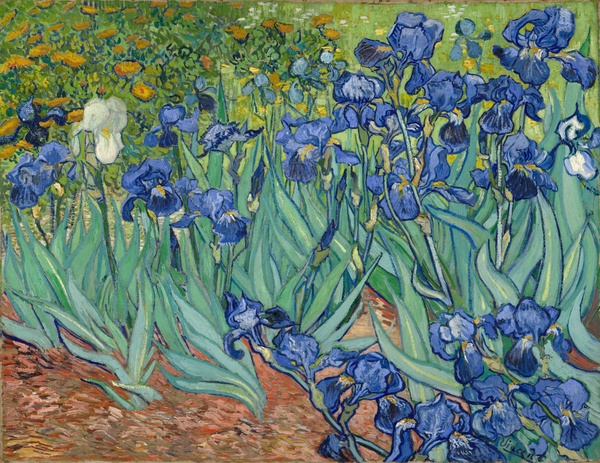
Vincent van Gogh understood this rebellion viscerally. His "Wheatfield" writhes with energy, the grain becoming liquid gold under a turbulent sky. The "Lilac Bush," painted during his confinement at Saint-Rémy, speaks to a deeper truth—that even within institutional walls, nature provides sanctuary and speaks in colors that heal the wounded spirit. His "Imperial Fritillaries in a Copper Vase" burns with exotic fire, each bloom a small sun refusing to be contained by mere ceramic.
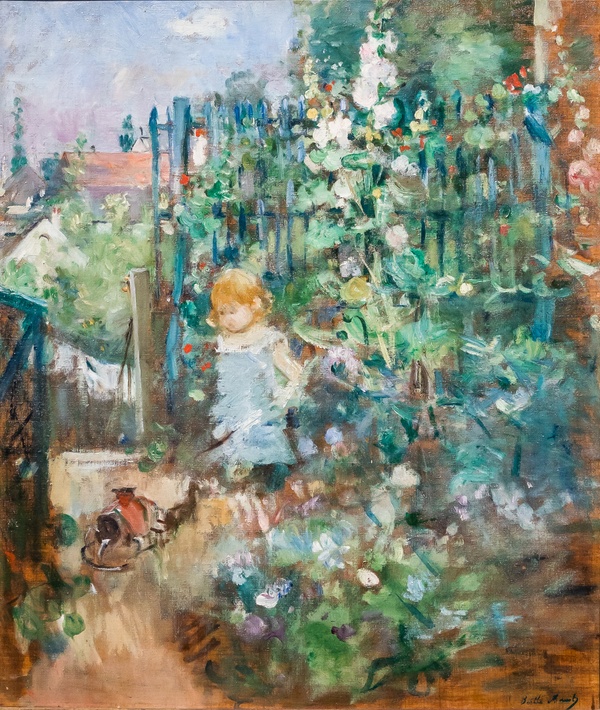
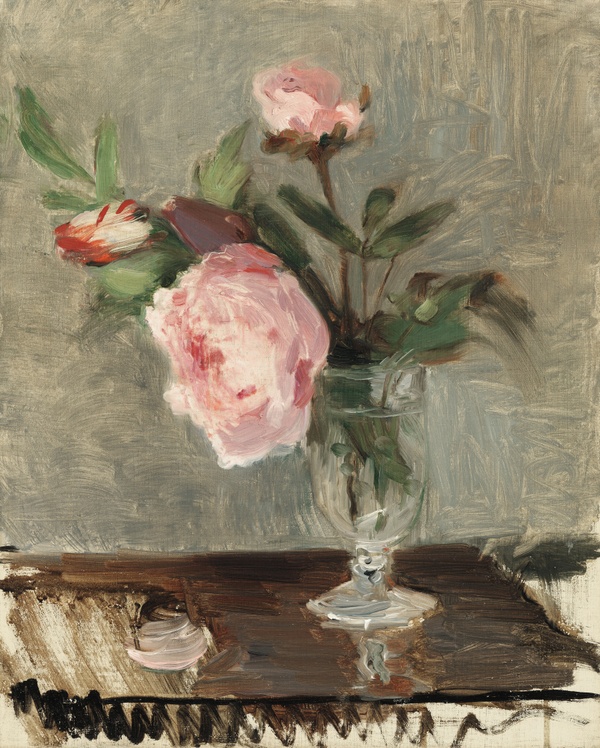
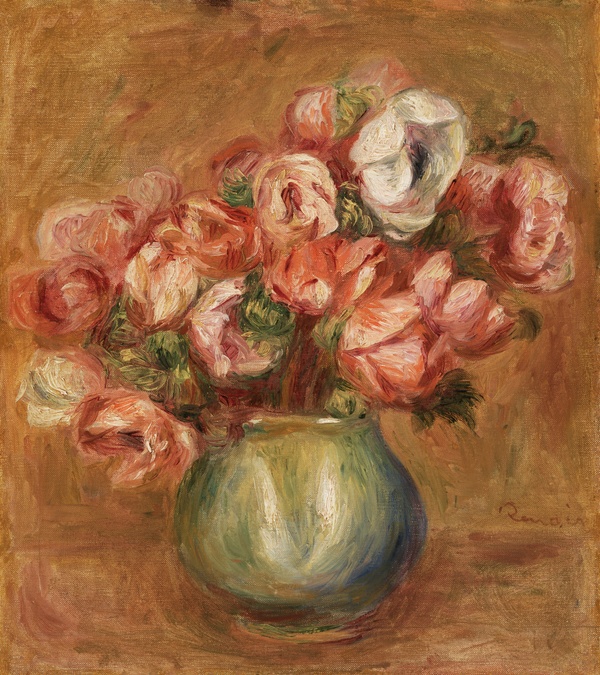
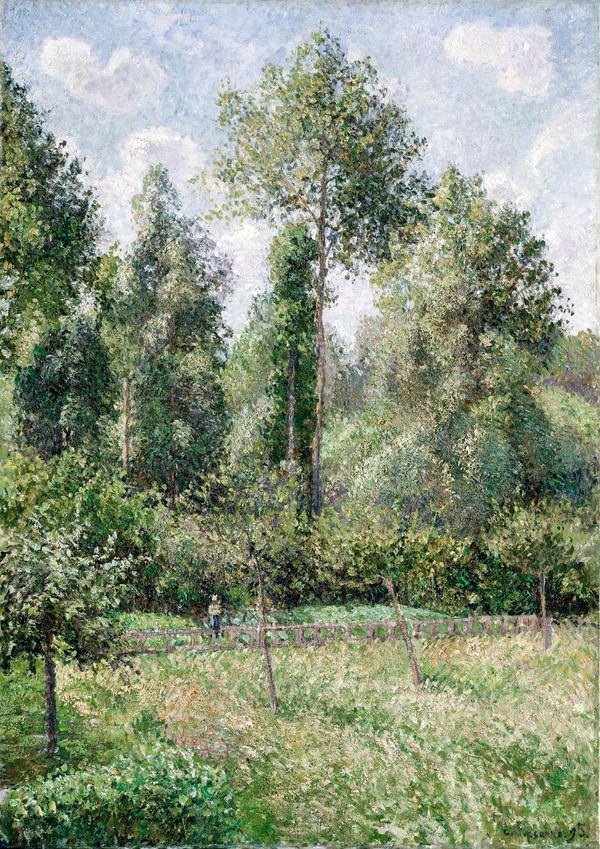
The Impressionists found their own language for this insurgency. Berthe Morisot's "Child among Hollyhocks" shows us nature as protector and conspirator, the tall flowers creating a secret bower where innocence and wildness commune. Her "Peonies" explode with feminine energy, while Pierre-Auguste Renoir's "Anemones" pulse with color that seems to breathe. Camille Pissarro's "Poplars, Éragny" captures the quiet revolution of trees that mark time and territory, standing sentinel over human seasons.
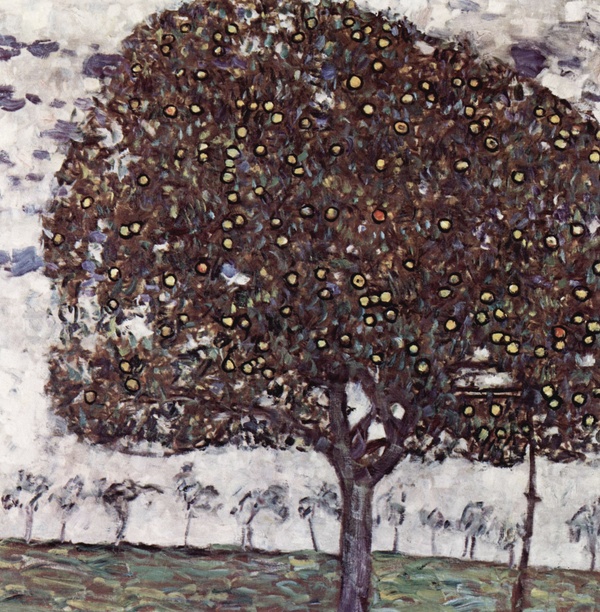
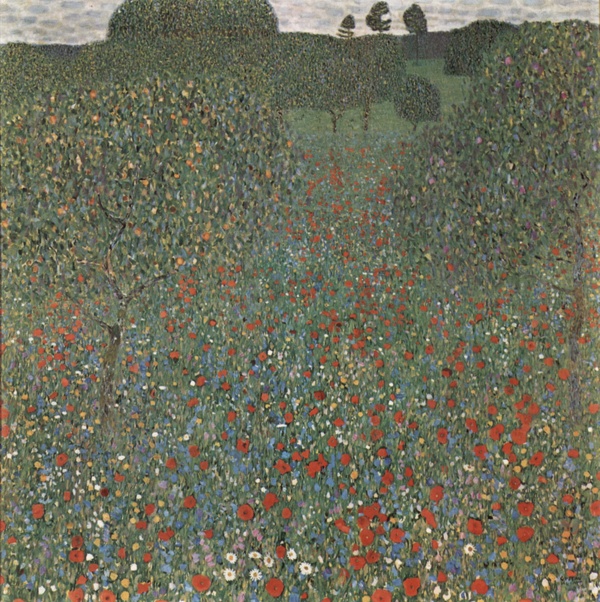
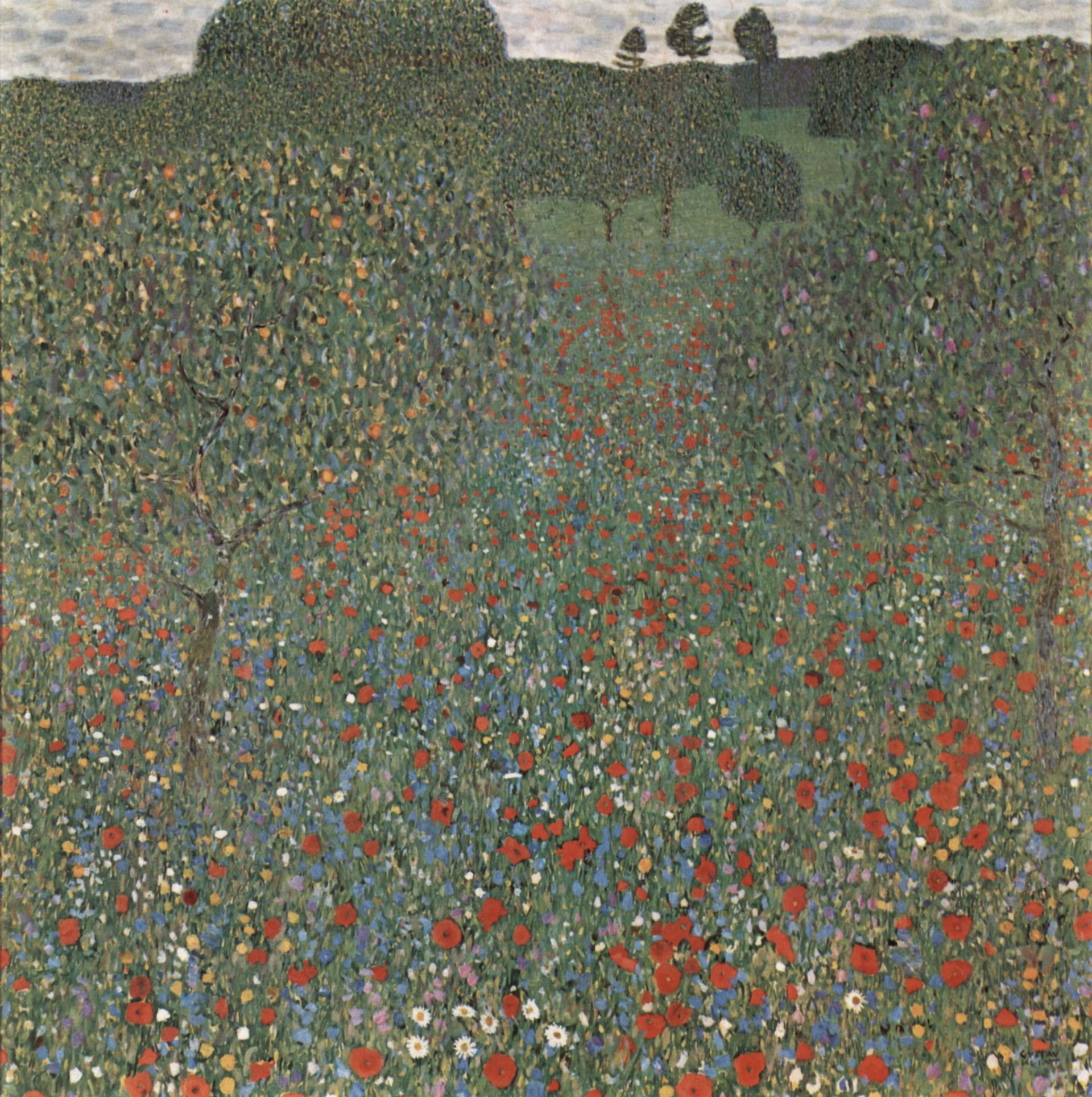
In Gustav Klimt's hands, nature becomes mystical insurgent. "Der Apfelbaum" transforms a simple fruit tree into a mosaic of possibility, each apple a jewel in wilderness's crown. His "Poppy Field" creates an ocean of scarlet rebellion, where individual blooms merge into a collective statement of untamed beauty.
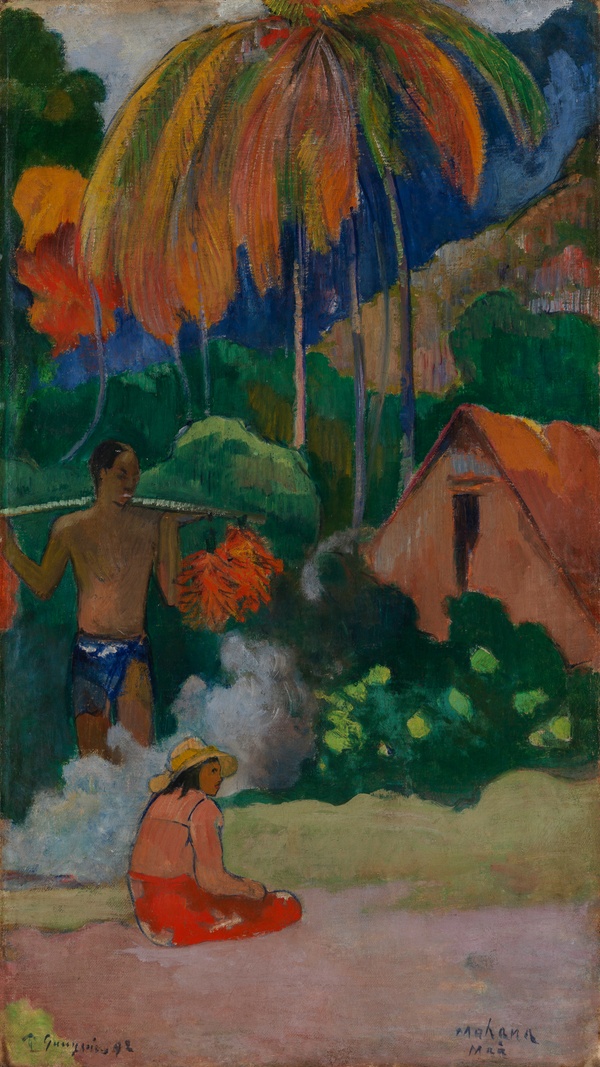
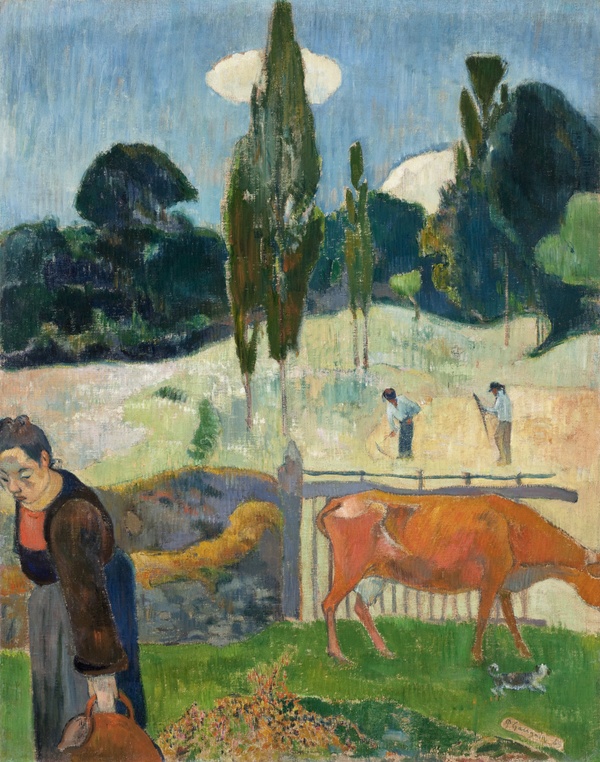
Paul Gauguin's "Landscape in Tahiti" shows us paradise unbound, where tropical abundance overwhelms colonial aspirations. His "Red Cow" places a creature of impossible color in a landscape that has shed naturalism for pure expression—nature's revolt against realistic representation.
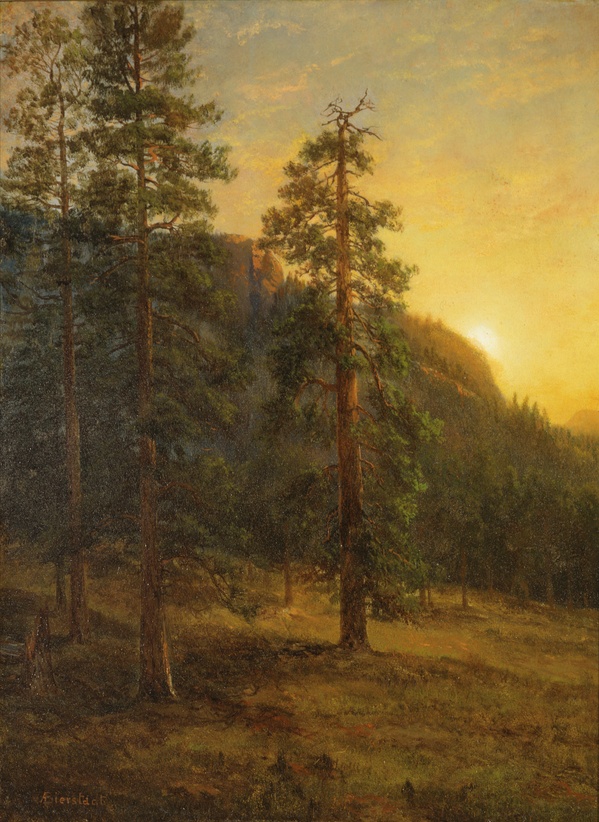
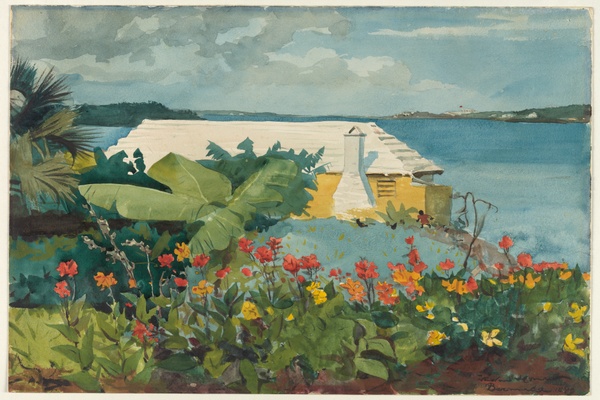
The Americans brought their own perspective to this botanical uprising. Albert Bierstadt's "California Redwoods" presents nature as cathedral and fortress, where ancient giants dwarf human pretensions. Winslow Homer's "Flower Garden and Bungalow, Bermuda" reveals the tropical conspiracy, where vibrant blooms lay siege to domestic architecture.
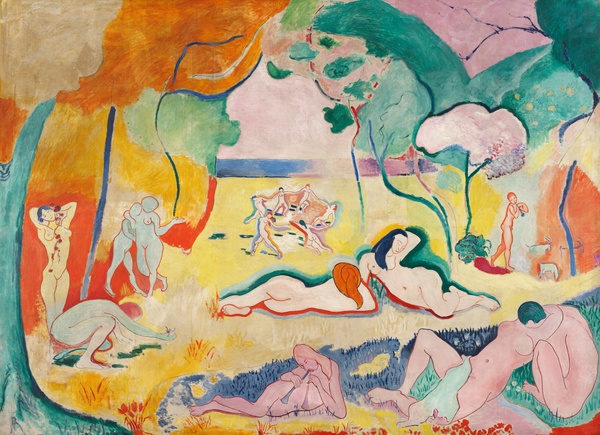
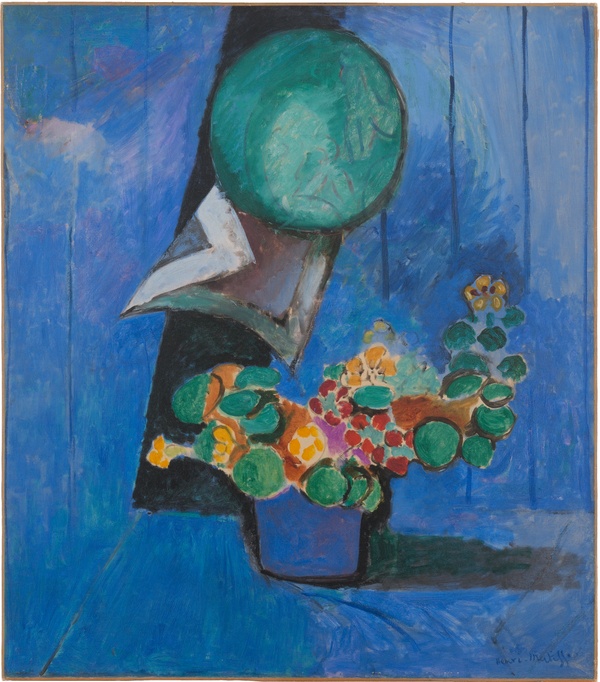
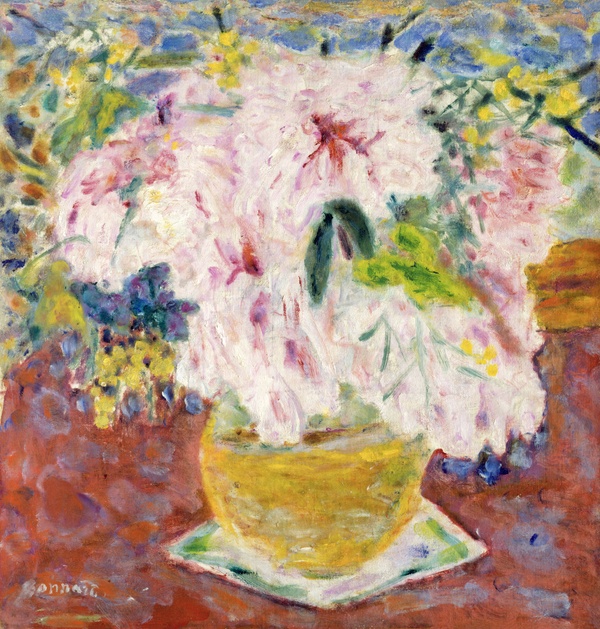
Even in the most refined settings, rebellion simmers. Henri Matisse's "Le Bonheur de Vivre" imagines Eden reclaimed, where human figures dissolve into landscape paradise. His "Flowers and China" proves that wildness persists in the most civilized arrangements, while Pierre Bonnard's "Pink Bouquet" demonstrates how domestic flowers retain their feral beauty.
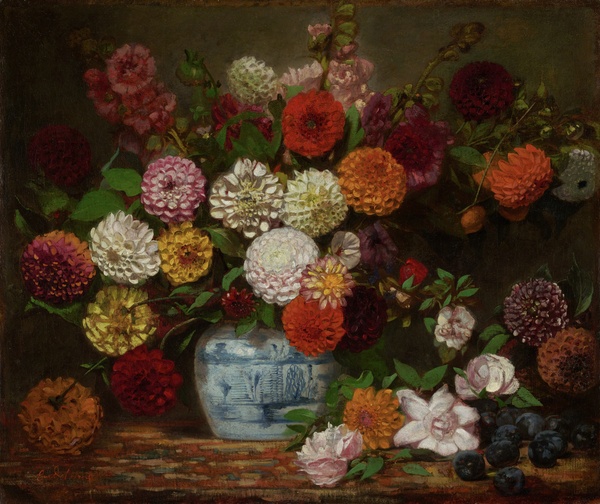
Eugène Delacroix's "Large Bouquet of Flowers" serves as manifesto—an explosion of dahlia energy that refuses containment, spilling beyond the boundaries of its blue and white prison. Here is nature's ultimate victory: not the conquest of space, but the conquest of perception itself.
These artists recognized what we too often forget—that every garden is an act of collaboration, not domination. In their canvases, we witness nature's eternal insurrection, where beauty becomes rebellion, and wildness writes its own rules across the territories of human imagination.