In the cathedral of nature's most sublime moments, artists have long sought to capture that pregnant pause—the breathless interval when the world holds its breath before transformation. "Before the Storm" reveals how masters across centuries have translated this universal tension into visual poetry, each canvas becoming a threshold between tranquility and tempest.
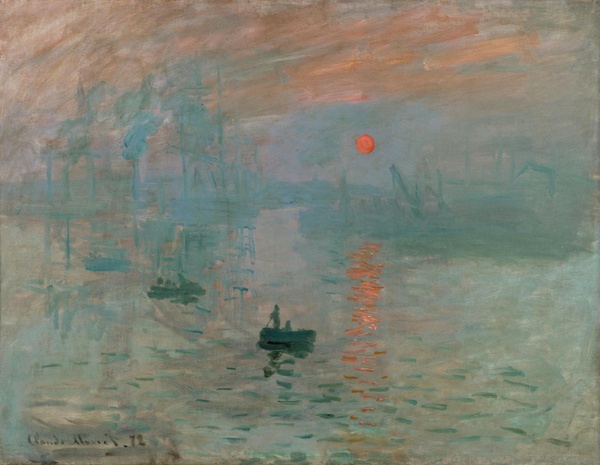
The journey begins with Claude Monet's "Impression, Sunrise," where dawn breaks over Le Havre's harbor in deceptive serenity. Yet even in this moment of birth—the very painting that named Impressionism—there lurks an atmospheric uncertainty, as if the mist itself whispers of changes to come. The small boats emerge from hazy waters like thoughts surfacing before consciousness, unaware of what the day might bring.
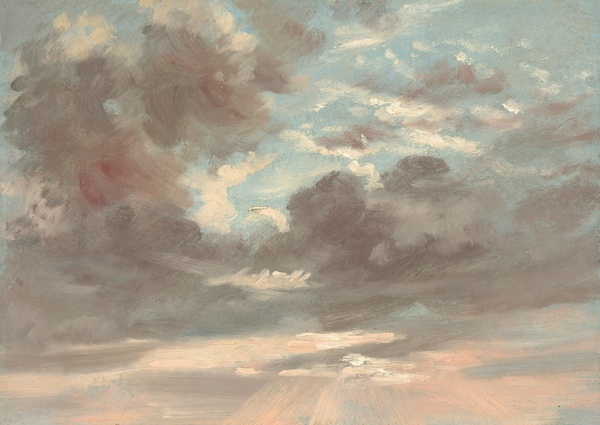
As we move deeper into anticipation's realm, John Constable's "Cloud Study: Stormy Sunset" demonstrates the Romantic era's fascination with meteorological drama. His meticulous observations of cloud formations reveal nature's architecture of anxiety—those towering cumulus castles that promise both beauty and destruction. Constable understood that clouds are nature's calligraphy, writing tomorrow's weather in today's sky.
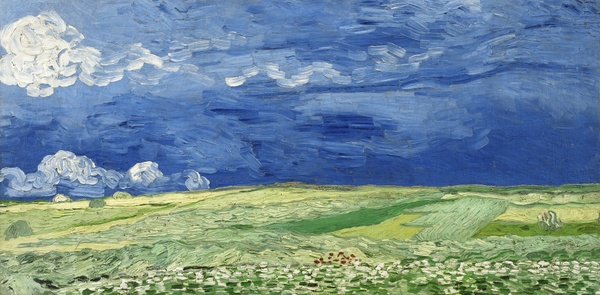
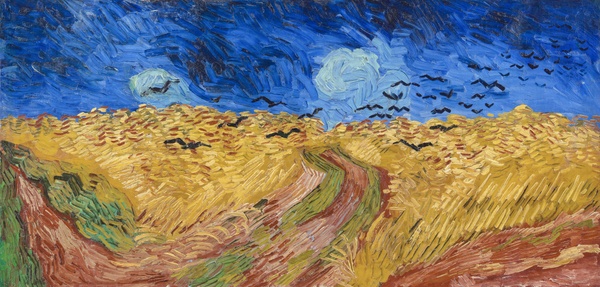
Vincent van Gogh's paired wheat field paintings—"Wheatfield under Thunderclouds" and "Wheatfield with Crows"—painted in his final weeks, transform landscape into psychological terrain. The golden grain beneath those ominous skies becomes a meditation on mortality itself. The crows, eternal harbingers, rise like dark thoughts against the turbulent blue, while the wheat stands ready for harvest—or destruction. These works epitomize the storm that raged within the artist's own troubled mind.
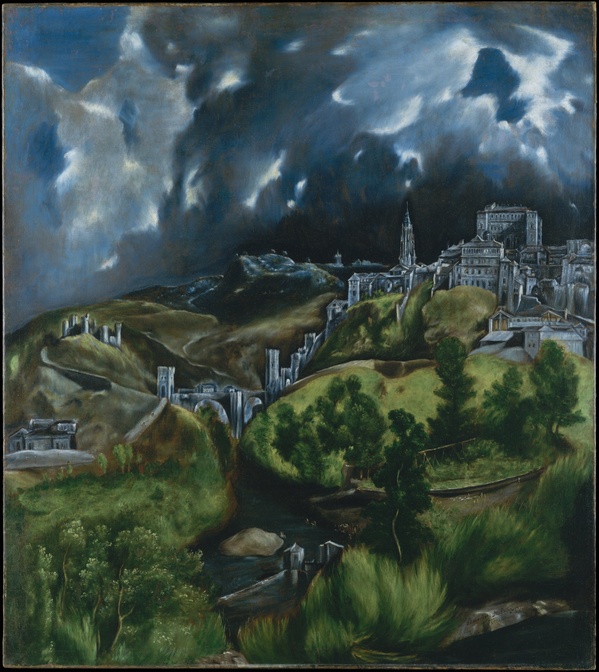
El Greco's "View of Toledo" presents perhaps the most mystical interpretation of pre-storm atmosphere. The Spanish city emerges from luminous green hills beneath churning clouds that seem to carry divine messages. Here, the approaching tempest becomes metaphysical, a visual prayer painted in the language of light and shadow.
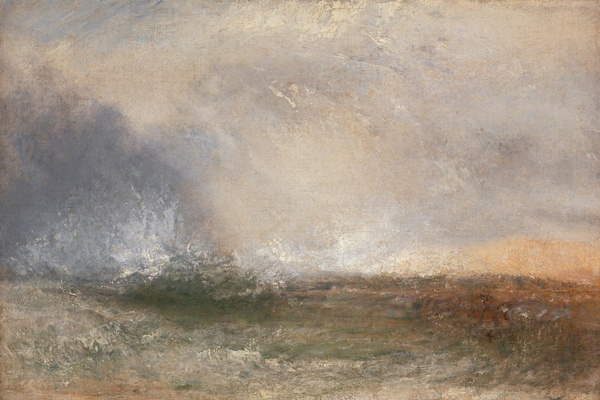
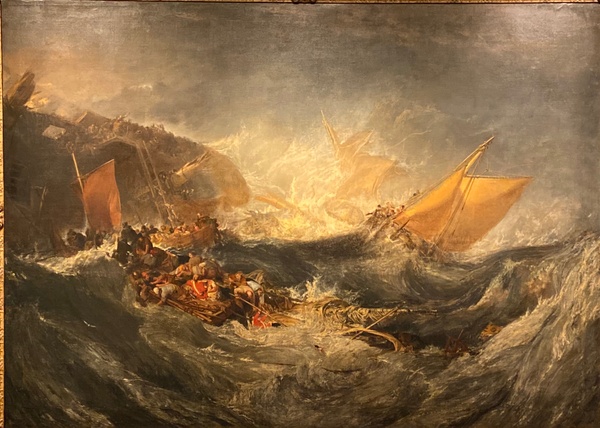
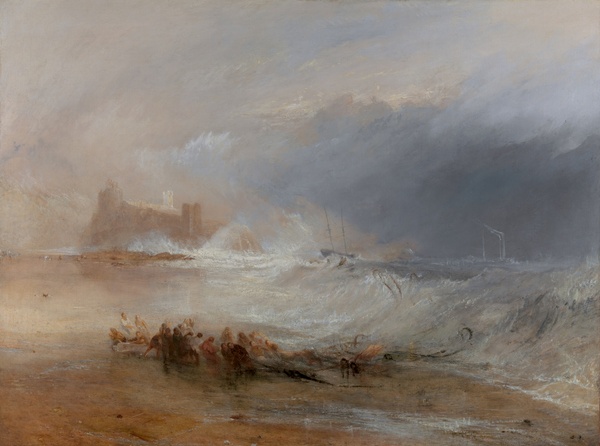
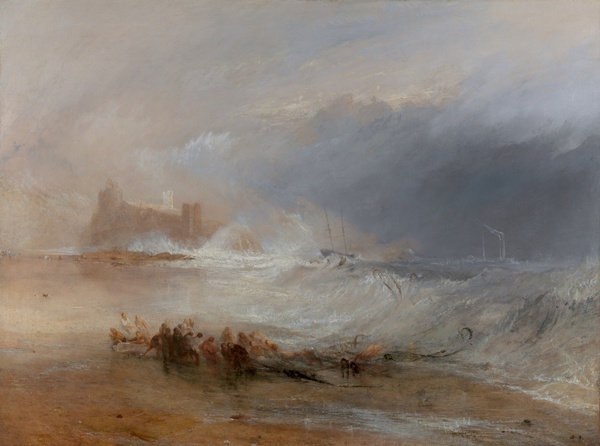
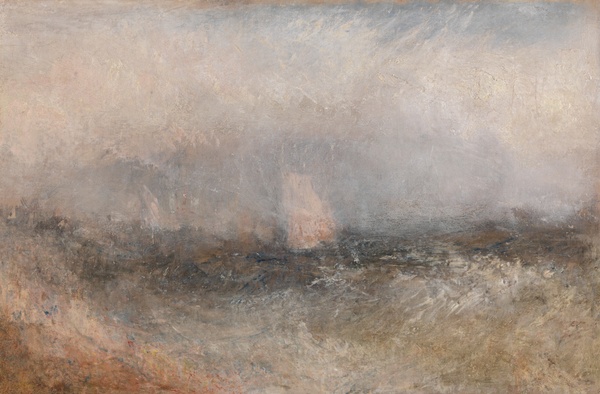
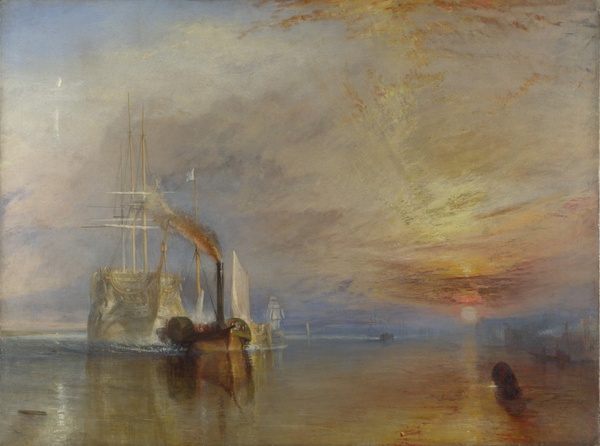
The maritime tradition reaches its apex in J.M.W. Turner's tempestuous seascapes. "The Wreck of a Transport Ship" shows us what lies beyond anticipation—the storm's full fury unleashed. Yet it's in works like "Stormy Sea Breaking on a Shore" where Turner captures the precise moment of atmospheric tension, when sea and sky collaborate in their ancient dance of preparation. His revolutionary brushwork dissolves the boundary between water and air, creating pure atmosphere charged with potential energy.
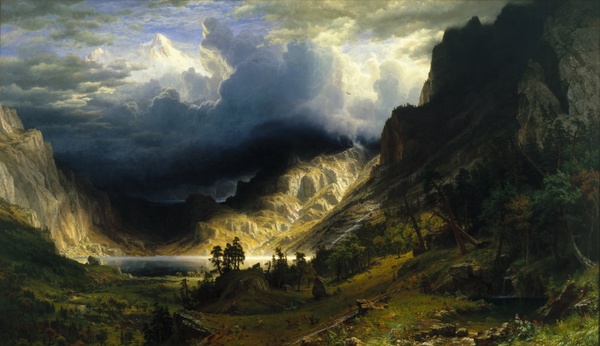
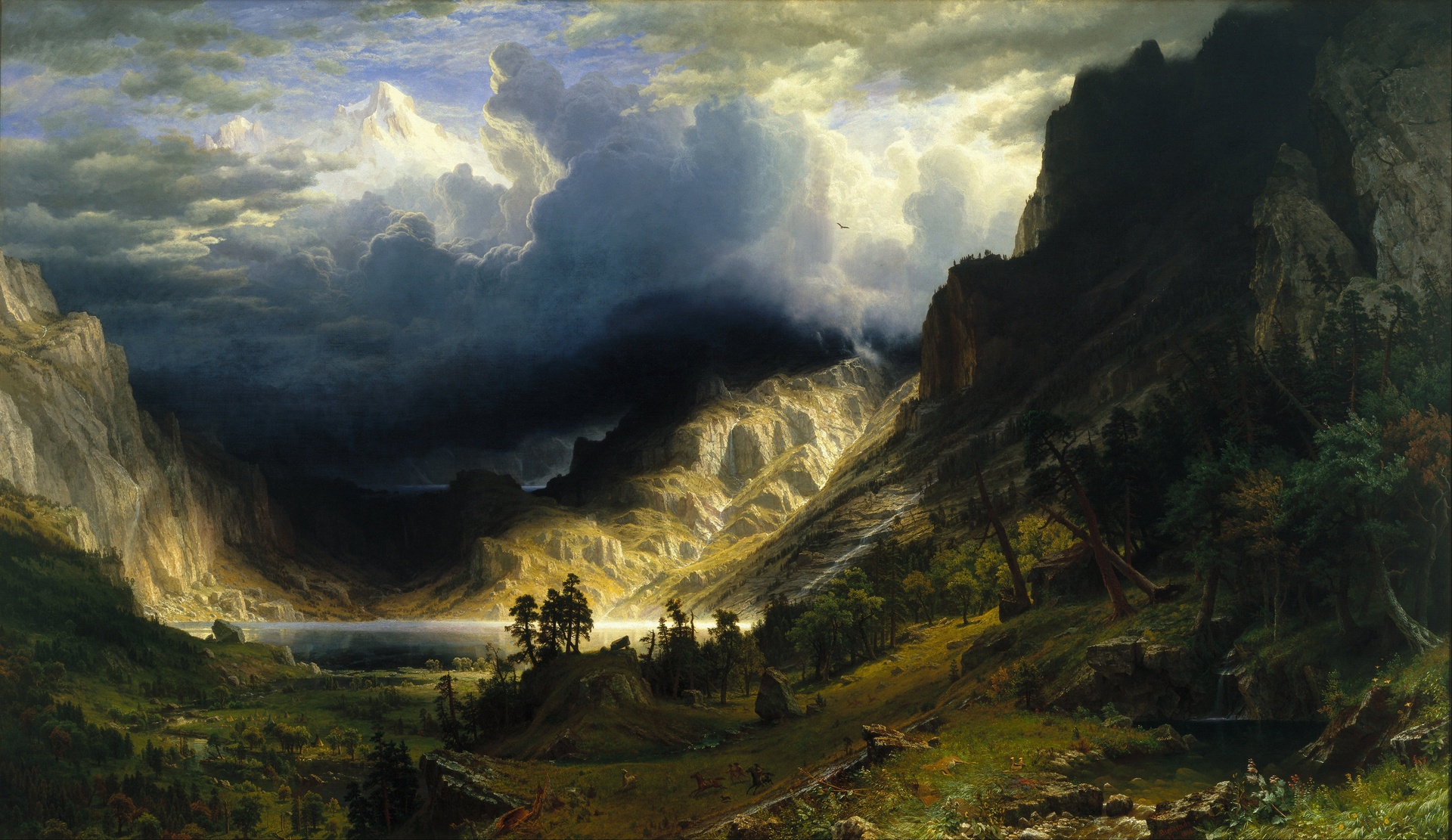
Albert Bierstadt's "A Storm in the Rocky Mountains, Mt. Rosalie" transforms the American wilderness into theater. The Native American figures in the foreground seem to read the mountain's mood, understanding nature's signals in ways that civilization has forgotten. The storm becomes both literal weather and metaphor for the cultural tempests reshaping the continent.
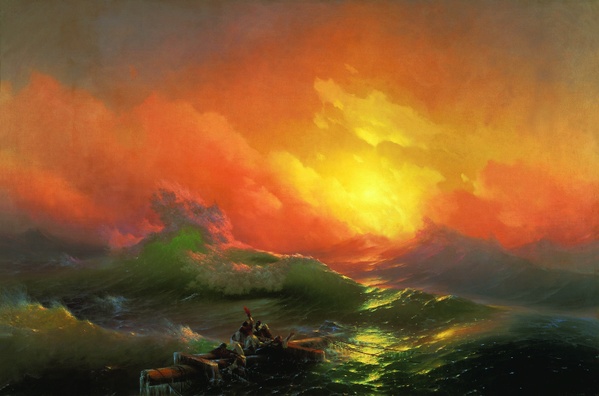
As our journey reaches its crescendo, Ivan Aivazovsky's "The Ninth Wave" reminds us that the storm's approach is merely prologue to its terrible beauty. The survivors clinging to their makeshift cross amid luminous waves represent humanity's eternal struggle against nature's sublime indifference.
These artists understood that the moment before the storm holds all possibilities—destruction and renewal, terror and transcendence. In capturing this liminal space, they've created not merely pictures of weather, but windows into the human condition itself. For in every approaching storm, we recognize our own mortality, our own capacity for both resilience and surrender. The darkening sky becomes mirror, reflecting our deepest fears and most profound hopes. Through their eyes, we learn to read the subtle semaphore of shifting light, to hear the whispered warnings in the wind's changing voice, and to find beauty in uncertainty itself.