Art, in its profoundest moments, often grapples with the fleeting nature of existence. It is a tireless pursuit to capture the uncapturable, to immortalize the momentary. This collection, “Ephemeral Gestures,” is a testament to this artistic impulse, guiding us through a contemplation of transient beauty, dramatic shifts, and the relentless march of time.
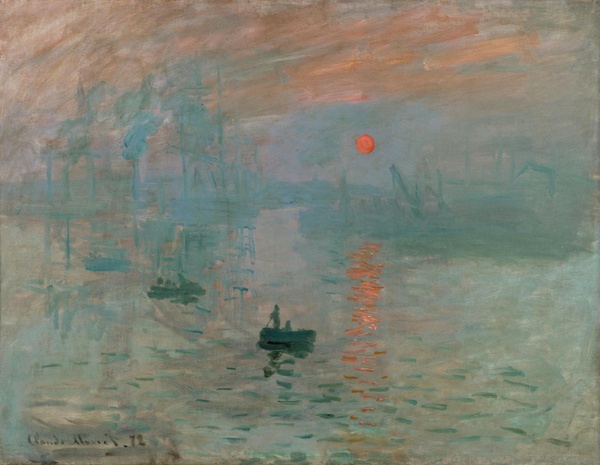
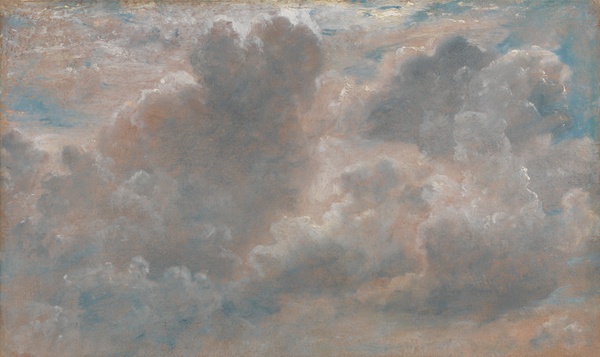
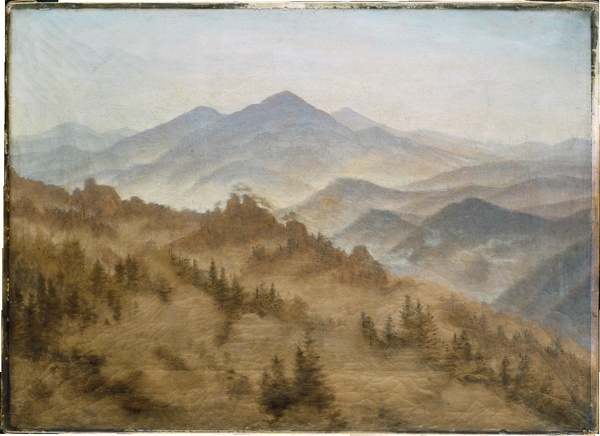
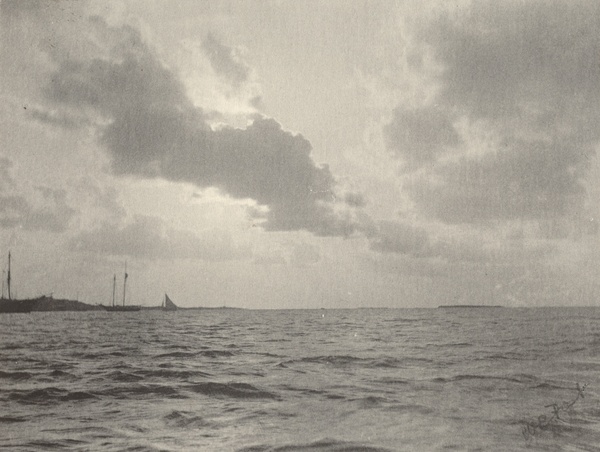
We begin with the very breath of a new day, as seen in Claude Monet’s Impression, Sunrise. Here, the port of Le Havre dissolves into a shimmering mist, a scene caught in the precise instant between night and dawn, a whisper of light just asserting itself. John Constable’s Cloud Study follows, an ode to the ever-changing sky, where monumental forms shift and dissipate with breathtaking speed, each brushstroke an attempt to pin down an ungraspable atmosphere. Caspar David Friedrich, in Mountains in the Rising Fog, further explores this atmospheric transience, veiling a sublime landscape in mystic haze, while William B. Post’s Sunset Over Water offers a quieter, golden farewell to the day, its reflections dissolving into soft focus.
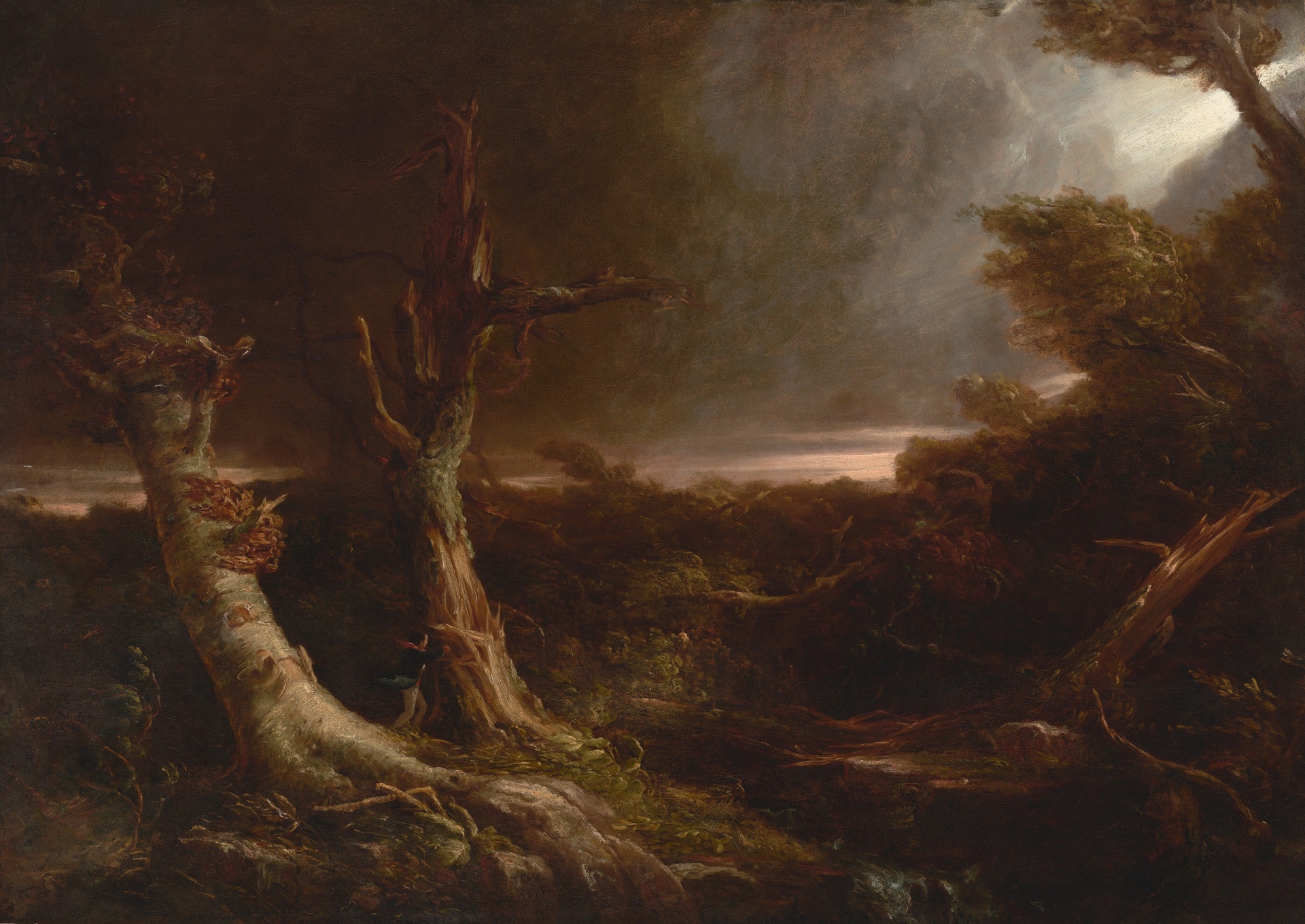
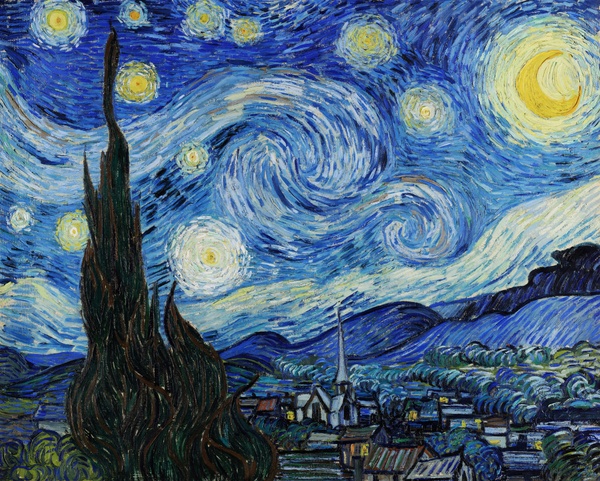
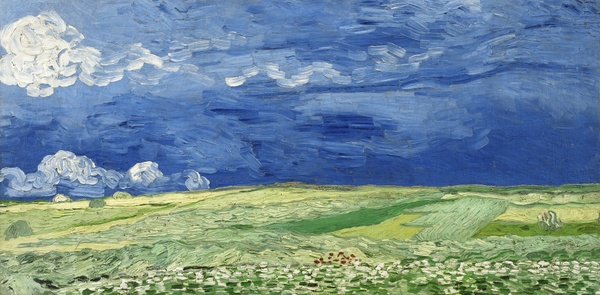
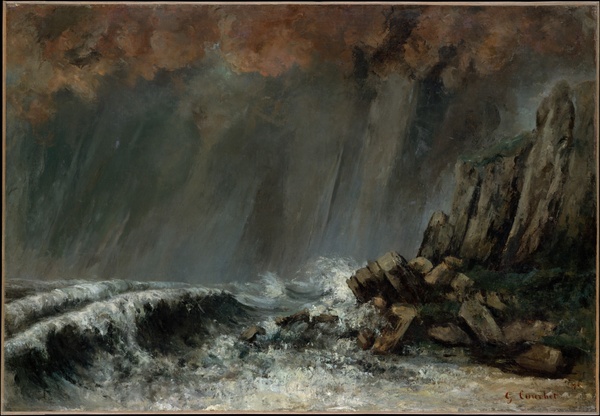
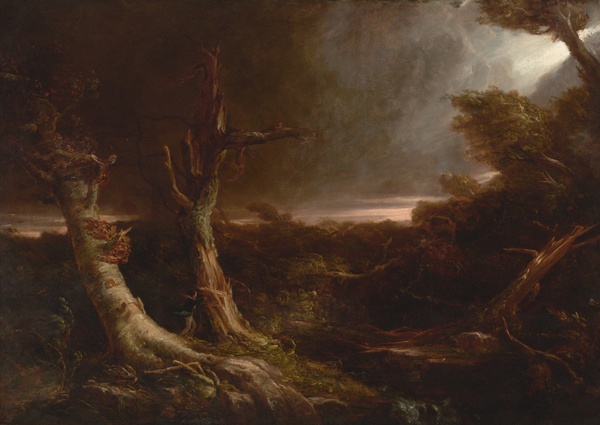
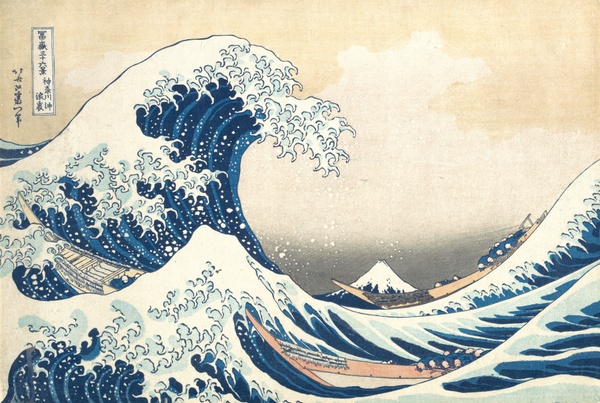
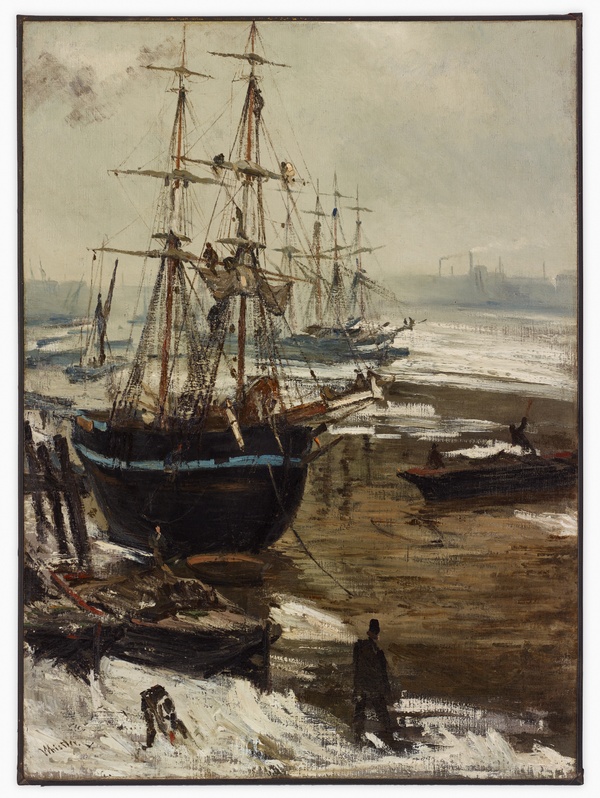
The celestial dance of Vincent van Gogh’s The Starry Night captures a personal, fervent vision of a cosmic moment, while his Wheatfield under Thunderclouds conjures the charged stillness before a storm breaks, a visceral sense of nature's imminent drama. The raw power of the elements finds further expression in Gustave Courbet’s Marine: The Waterspout, a terrifying pillar of water rising from the sea, and Thomas Cole’s Tornado in an American Forest, a scene of nature’s destructive, momentary fury. Katsushika Hokusai’s iconic The Great Wave off Kanagawa freezes a monumental crest of water, a clawing force poised to crash, forever capturing its terrifying, transient energy. James McNeill Whistler’s The Thames in Ice portrays a rare, ephemeral transformation of a familiar urban landscape, solidifying the transient.
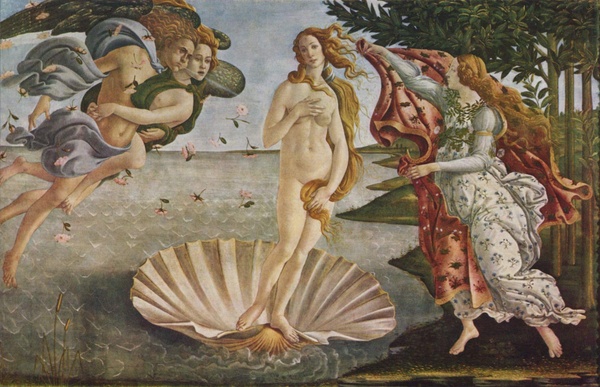
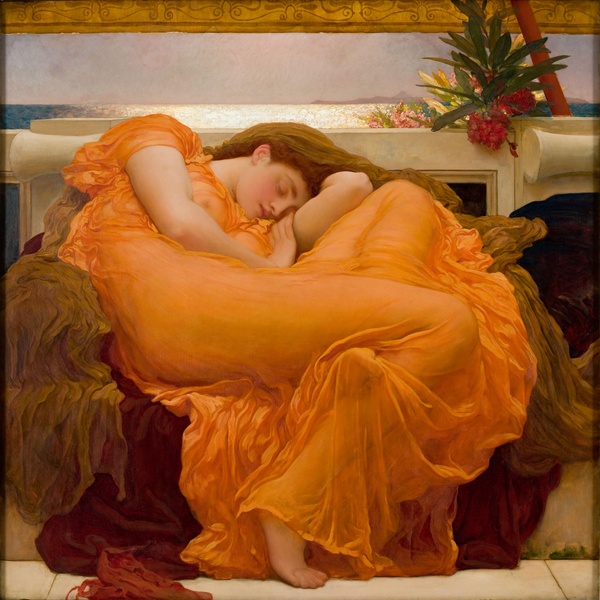
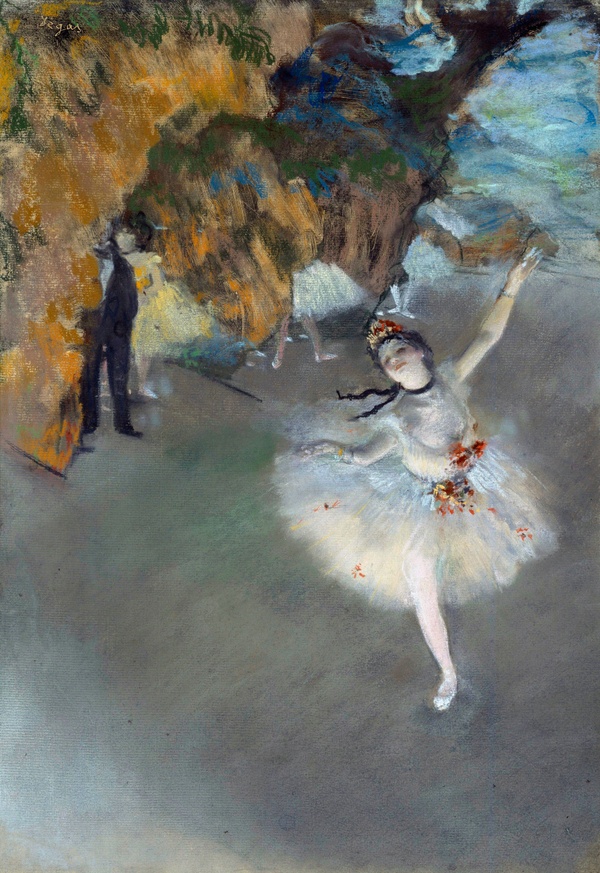
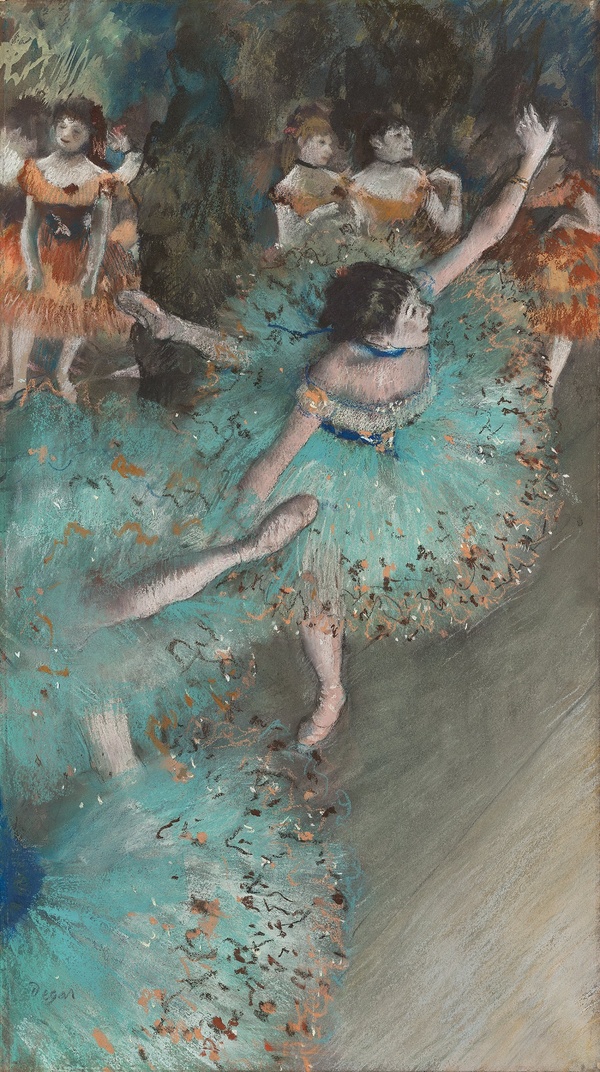
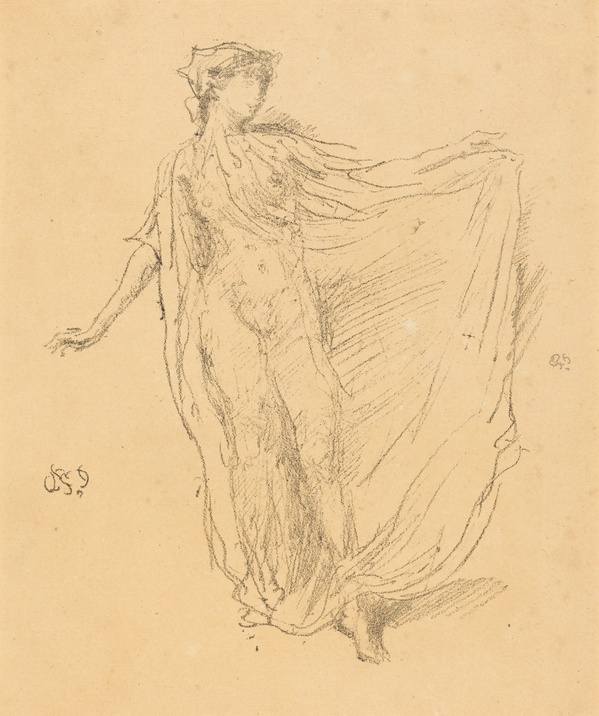
From nature's grandeur, we turn to human forms and their fleeting expressions. Sandro Botticelli’s The Birth of Venus depicts a goddess’s pristine arrival, a moment of ideal beauty manifesting from the sea foam, eternally suspended. Frederic Leighton’s Flaming June captures a woman in profound, sun-drenched repose, a moment of tranquil beauty so perfect it seems to defy time, yet we know it is but a fleeting afternoon. Edgar Degas, a master observer of movement, renders the ephemeral grace of the dance in Ballet (L'Étoile / The Star) and Green Dancer (Swaying Dancer), capturing the momentary arch of a back, the fleeting swirl of a costume. James McNeill Whistler’s The Dancing Girl continues this exploration of ethereal motion, an almost spectral figure caught mid-step.
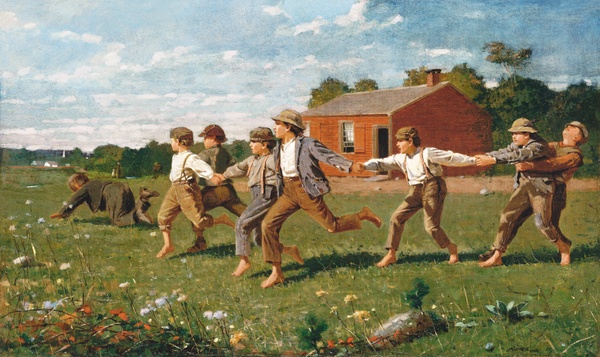
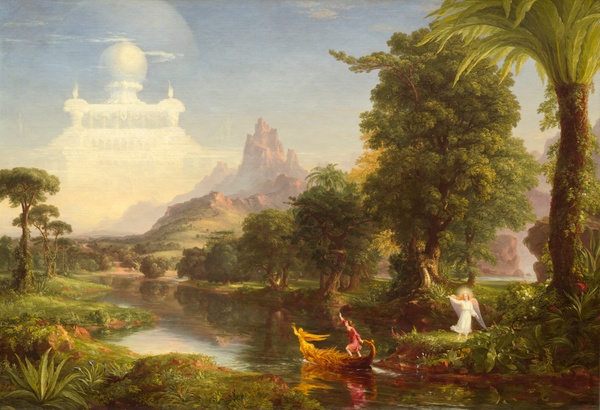
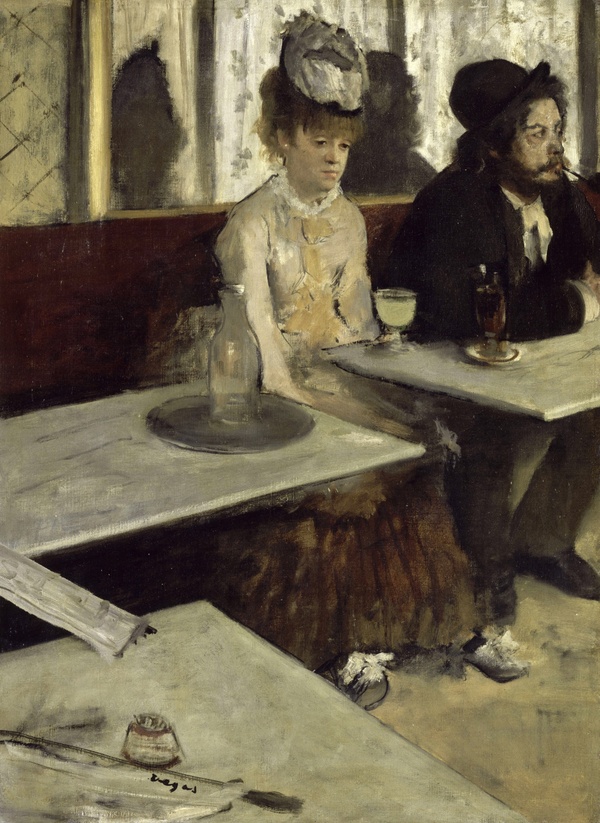
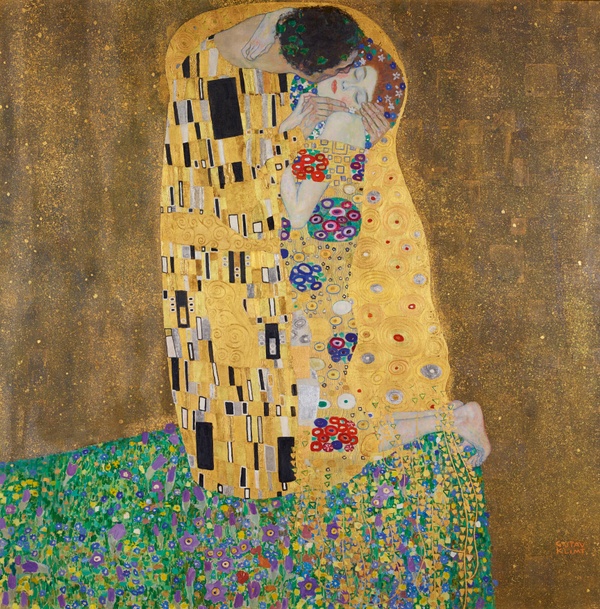
Childhood’s joyous, untamed energy bursts forth in Winslow Homer’s Snap the Whip, a game of fleeting exuberance, while Thomas Cole’s The Voyage of Life: Youth depicts a figure brimming with youthful ambition, sailing towards a castle in the sky—a poignant reminder that this optimism, this stage of life, is itself a brief journey. Edgar Degas' In a Café (L'Absinthe) offers a somber counterpoint, capturing two figures lost in their private worlds amidst the fleeting bustle of urban life, isolated even in proximity. Gustav Klimt’s The Kiss (Der Kuss), conversely, elevates an embrace to an almost divine, eternal moment, yet it remains a captured, finite gesture of intimacy.
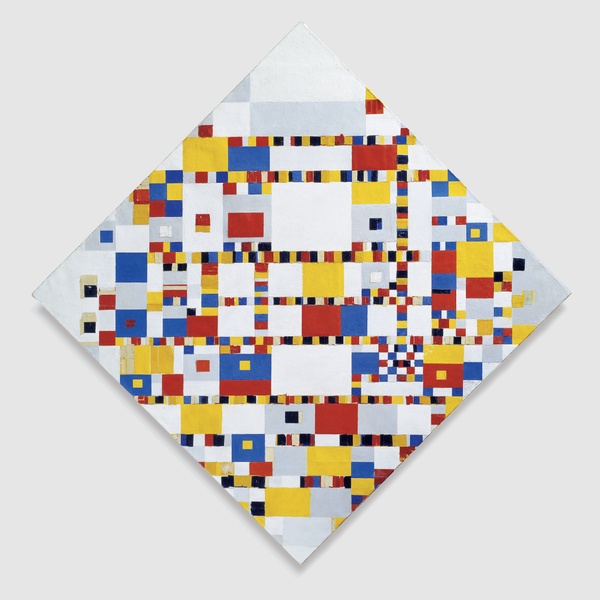
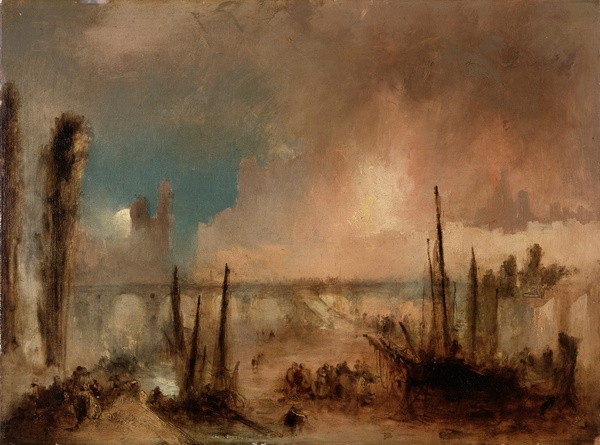
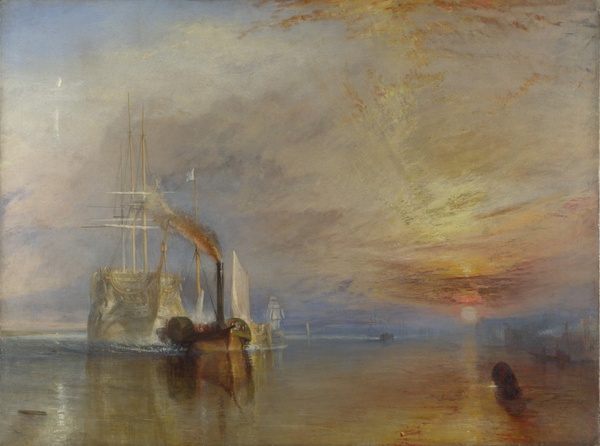
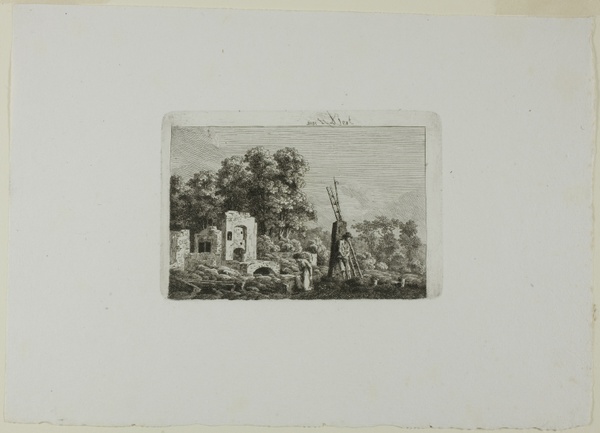
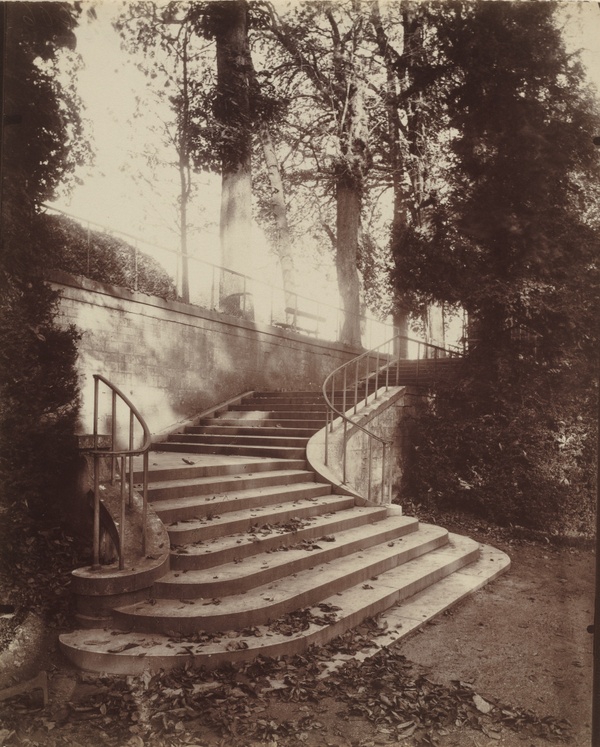
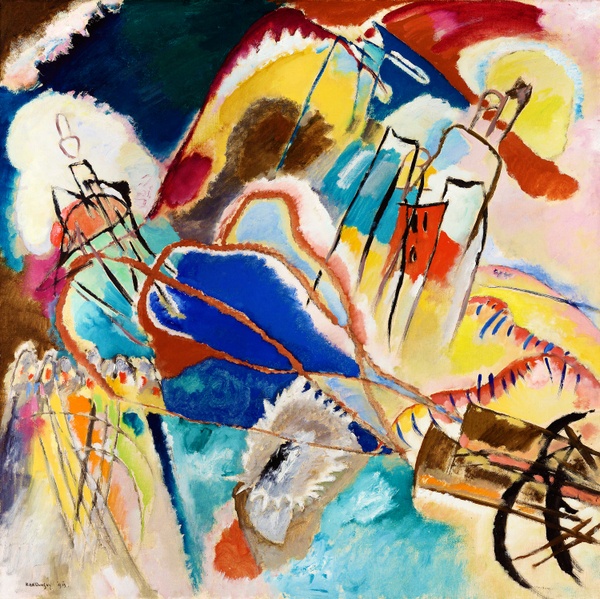
History, too, offers its own ephemeral dramas. J.M.W. Turner’s Burning of the Houses of Parliament (October 6, 1834) plunges us into the heart of a national catastrophe, the fleeting, terrifying beauty of destruction. His The Fighting Temeraire tugged to her last Berth to be broken up elegiacally depicts the passing of an era, a grand warship’s final journey, its glory dissolving into the past. Caspar David Friedrich's Neubrandenburg on Fire similarly captures a city illuminated by a mysterious, dramatic glow, suggesting profound change. Eugène Atget’s The Steps at Saint-Cloud, though capturing stone, hints at the transient human stories that have unfolded upon them, echoing in their silent ascent. Piet Mondrian’s Broadway Boogie-Woogie translates the pulsing, frenetic energy of modern city life into a dynamic grid, a static representation of continuous, ephemeral motion. Wassily Kandinsky’s Improvisation No. 30 (Cannons) abstracts impending turmoil into a swirl of forms, a visceral premonition of fleeting, destructive forces.

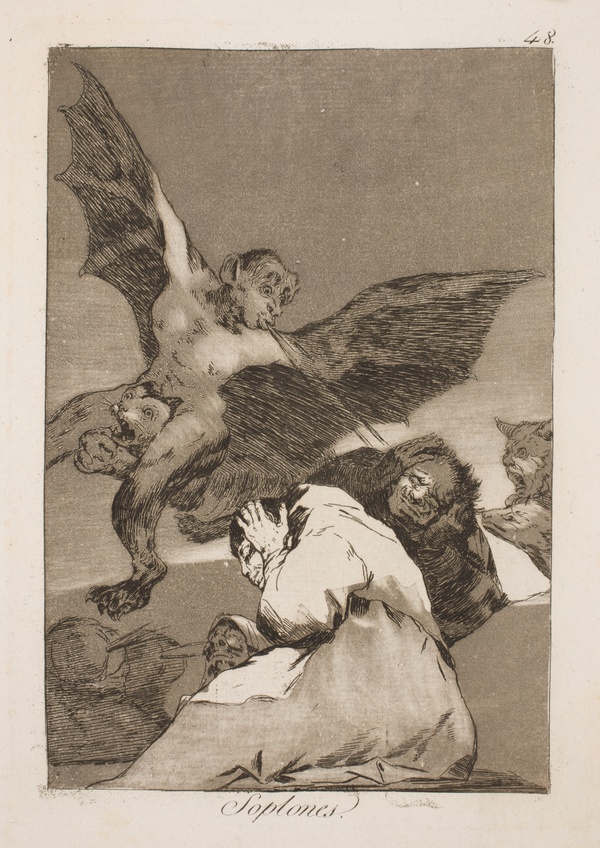
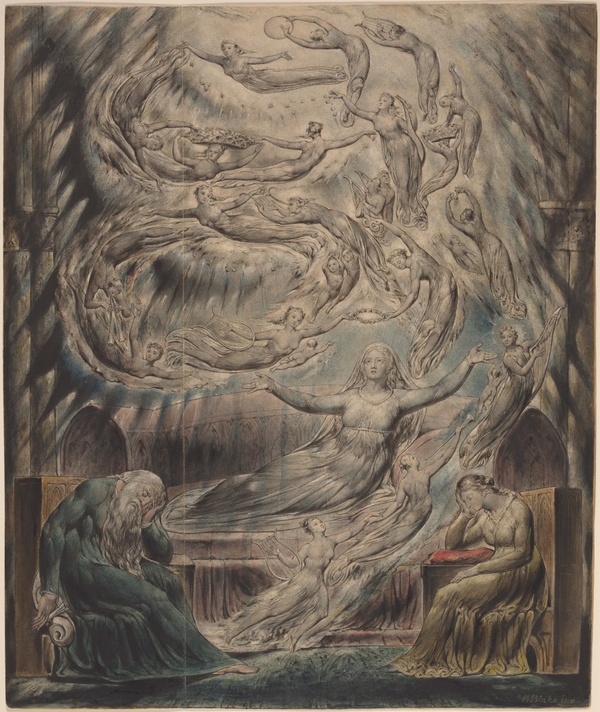
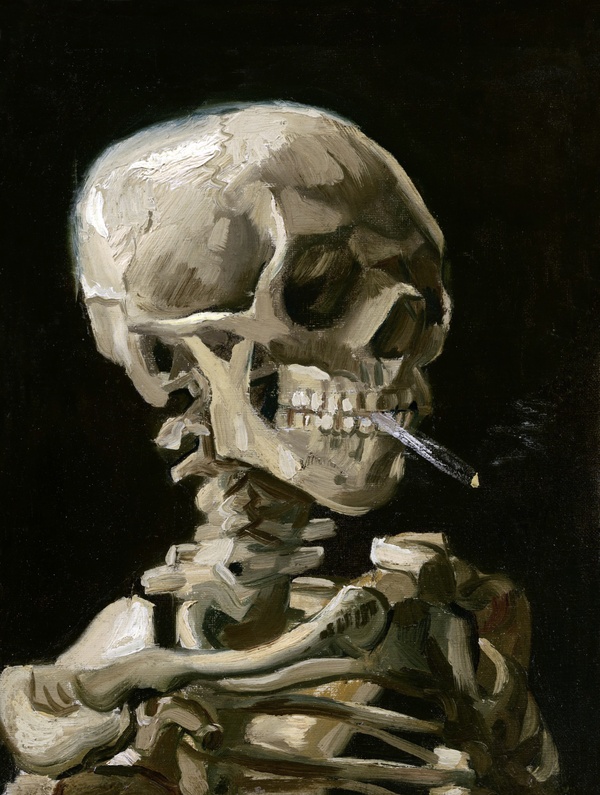
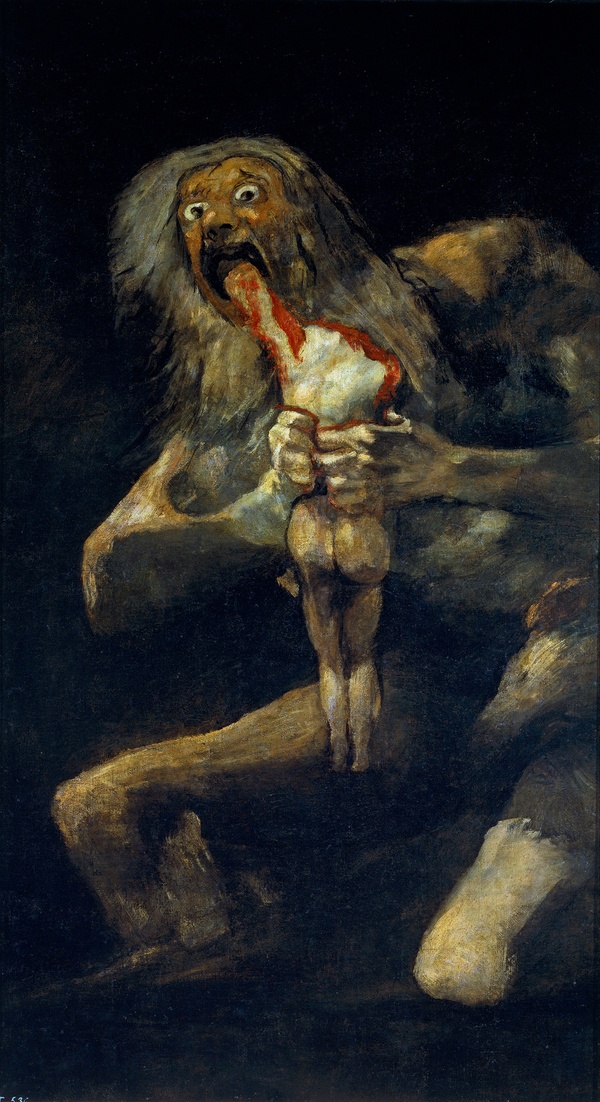
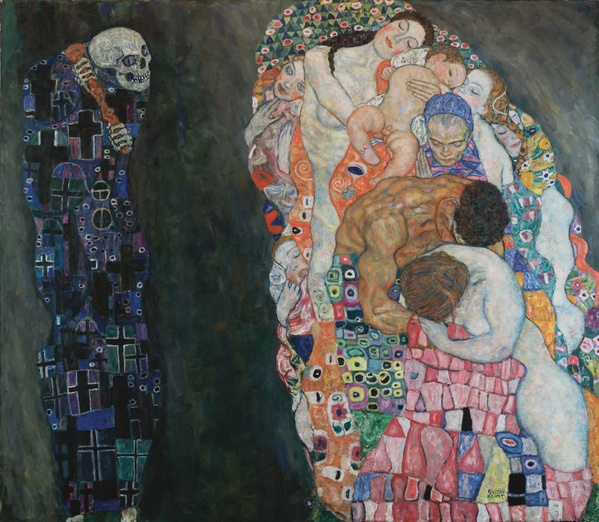
Finally, we confront the ultimate ephemerality: life itself. Francisco Goya's They Blow Into Their Ears portrays the insubstantiality of rumor and deceit, transient whispers shaping destinies. William Blake’s Queen Katherine's Dream invites us into the fragile, fleeting world of visions and subconscious narratives. Vincent van Gogh’s stark Head of a Skeleton with a Burning Cigarette offers a chilling memento mori, a fleeting spark of life against the backdrop of inevitable oblivion. Goya’s terrifying Saturn Devouring His Son presents a primal, destructive moment of consumption, life cannibalizing itself. And Gustav Klimt’s Death and Life provides a poignant summation, a vibrant cluster of humanity clinging to existence, oblivious or defiant, while Death looms, a somber, patient, eternal presence—the ultimate counterpoint to all that is fleeting.
Through these "Ephemeral Gestures," art reveals its profound ability to not just record, but to interpret and distill the transient essence of life, leaving us with echoes that resonate far beyond the fleeting moment.