In the hallowed halls of art, where light dances upon canvas and imagination takes flight, we embark on a profound journey through "Mirrored Worlds: Echoes and Visions: Art Across the Reflective Veil." This exhibition delves into art’s timeless fascination with reflection—not merely as a physical phenomenon, but as a metaphor for perception, identity, and the elusive nature of reality itself.
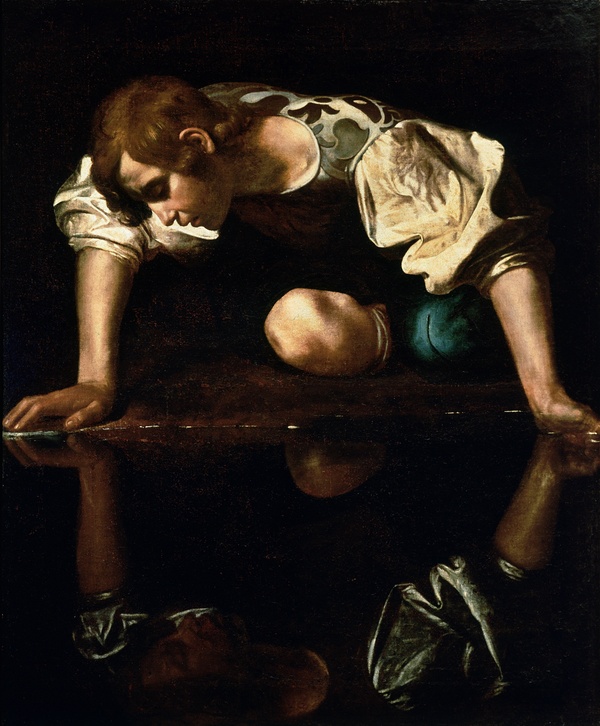
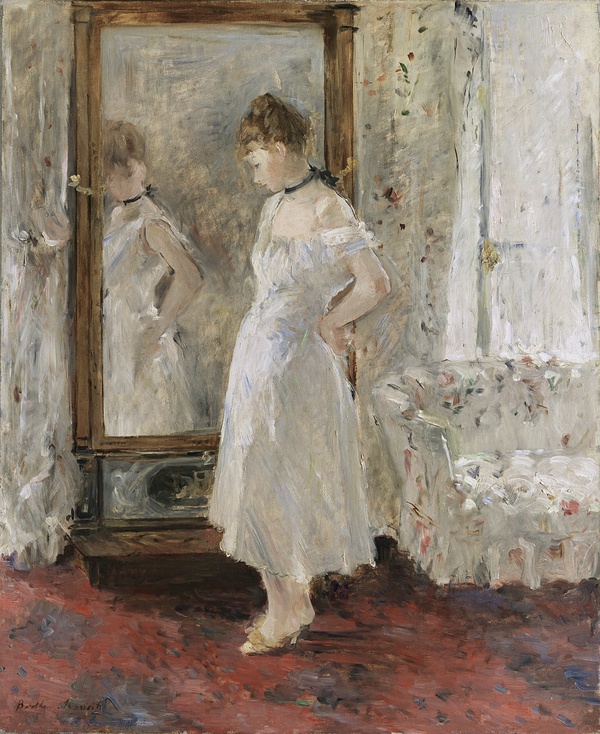
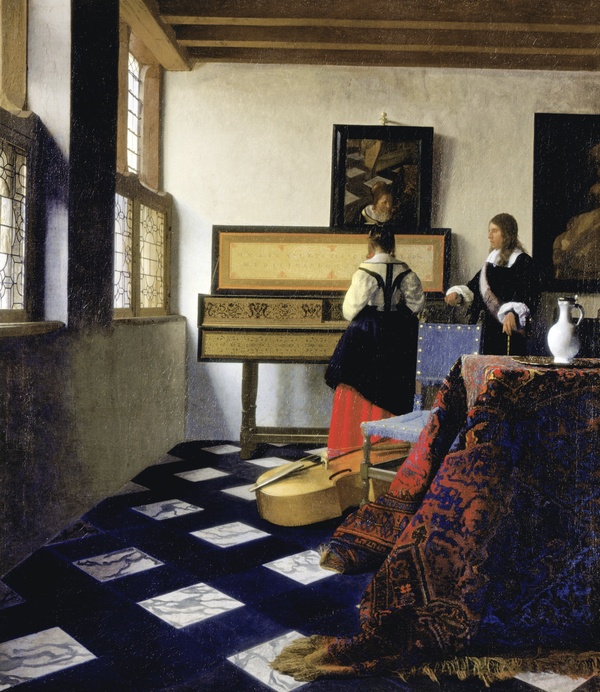
Our exploration begins at the fabled pool where *Caravaggio’s Narcissus** (ca. 1597–1599) gazes, forever entranced by his own image. Here, the mirror is primordial water, the reflection an inescapable self. From this mythic origin of self-absorption, we turn to the intimate, interior world of Berthe Morisot’s El espejo psiqué (The Psyche Mirror)** (1876), where a woman in partial undress confronts her own image, a private moment of introspection captured with impressionistic sensitivity. This delicate introspection leads us to the subtle domesticity of Johannes Vermeer’s The Music Lesson*** (c. 1662–1665), where a mirror discreetly reveals the artist’s own presence and the carefully constructed interior space, blurring the line between observer and observed.
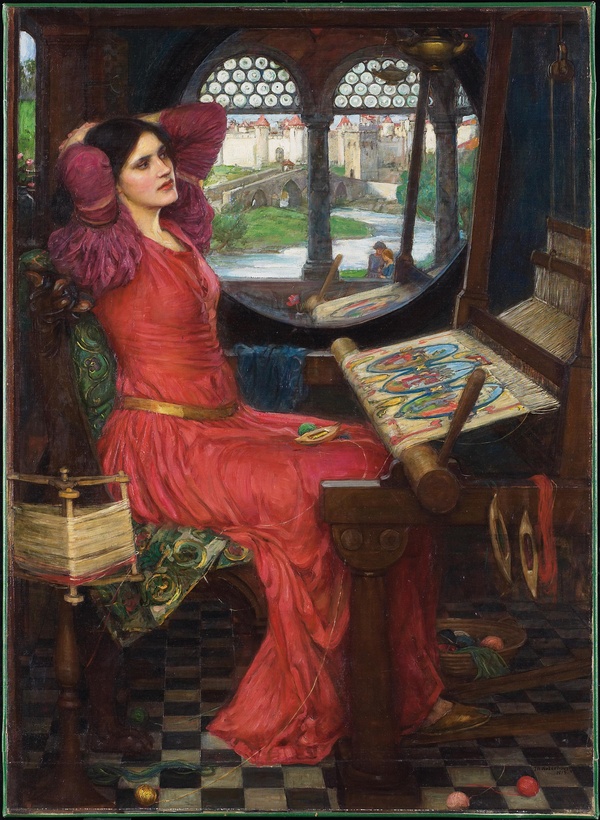
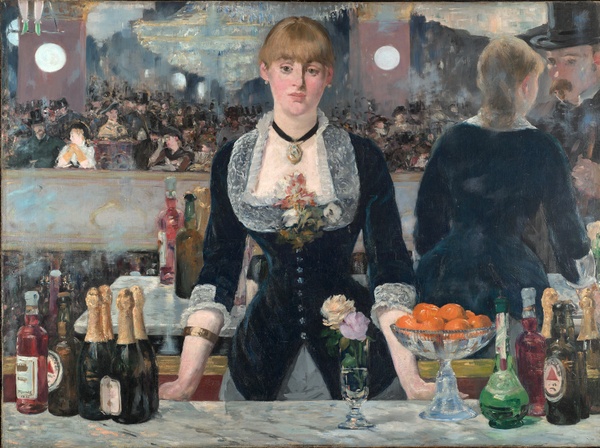
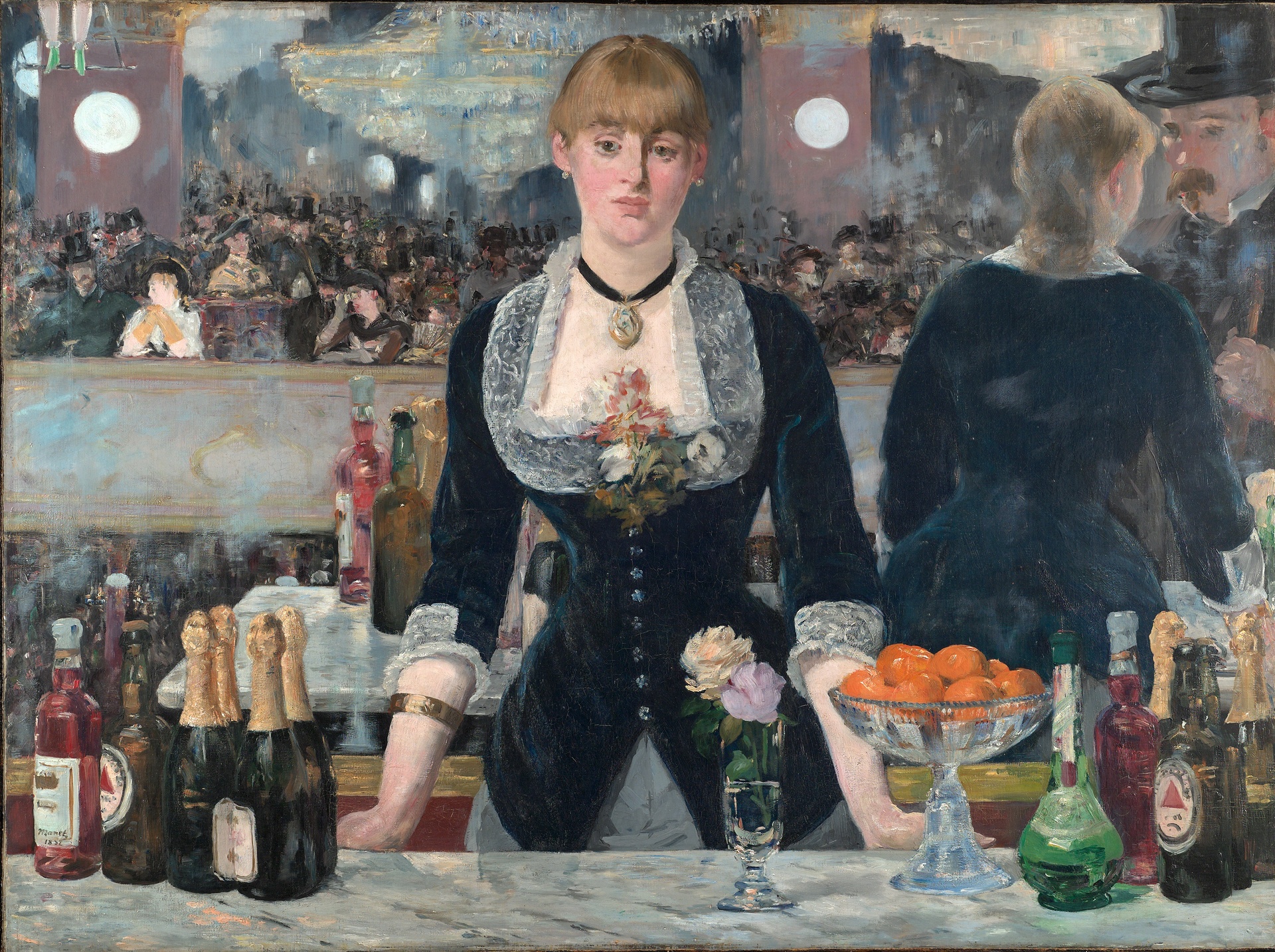
Yet, reflection can also be a curse, a mediated reality. We witness this poignantly in *John William Waterhouse’s "I am half sick of shadows," said the Lady of Shalott** (1915). Trapped by a magical loom, her only glimpse of the outside world comes through a mirror, reducing life to "shadows" and portending her tragic fate. This poignant narrative of mediated vision sets the stage for the dazzling complexity of Édouard Manet’s A Bar at the Folies-Bergère*** (1882), our cover artwork. Here, the opulent mirror behind the barmaid, Suzon, reflects a bustling, distorted world, challenging our perception of space and gaze. Is the reflection truly accurate, or does it reveal a psychological projection, a second, illusory world behind the surface of interaction? Manet’s masterwork forces us to question what is real and what is merely an echo.
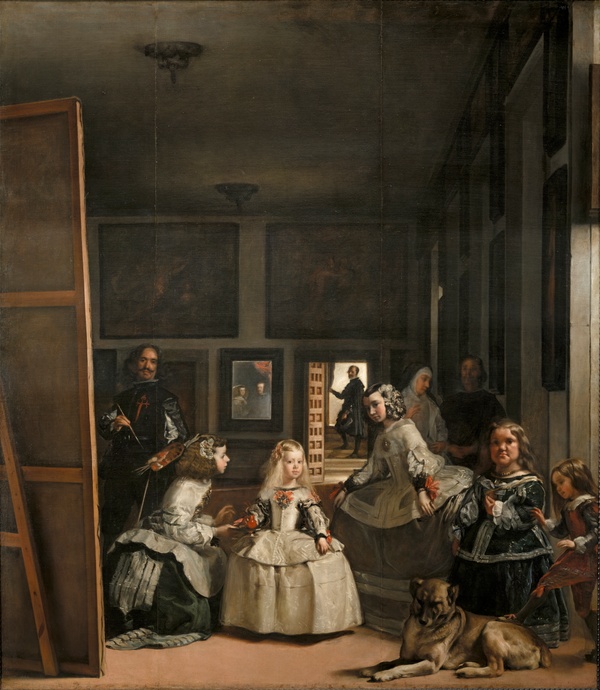
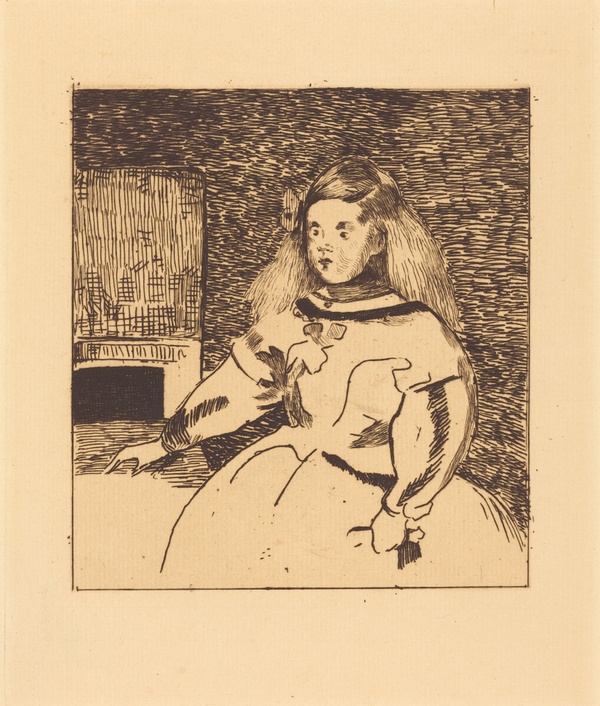
This interrogation of perception deepens with *Diego Velázquez’s Las Meninas** (1656), a painting that arguably contains the most sophisticated use of mirrors in art history. The reflection of the King and Queen in the background draws us into a recursive dialogue about representation, power, and the act of seeing. Its legacy is echoed in Édouard Manet’s The Infanta Marguerita (Infante Marguerite)*** (1861), a copy of Velázquez’s original, a reflection of an artistic lineage that extends across centuries, each artist mirroring and reinterpreting the past.
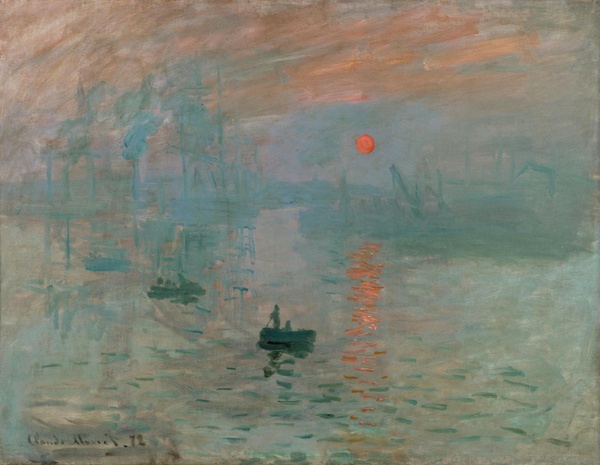
From constructed interiors, our gaze turns outward to the vast, mutable mirrors of nature. *Claude Monet’s Impression, Sunrise** (1872) captures the ephemeral dance of light on water, a hazy reflection that not only birthed a movement but revealed the world as a fleeting impression. This atmospheric quality resonates through James McNeill Whistler’s nocturnes, from the muted tones of *Grey and Silver: Old Battersea Reach* (1863) to the frozen stillness of *The Thames in Ice* (1860) and the poetic haze of *Nocturne: Blue and Gold—Southampton Water** (1872). Whistler transforms water into a reflective canvas for mood and emotion, where reality dissolves into abstract harmonies.
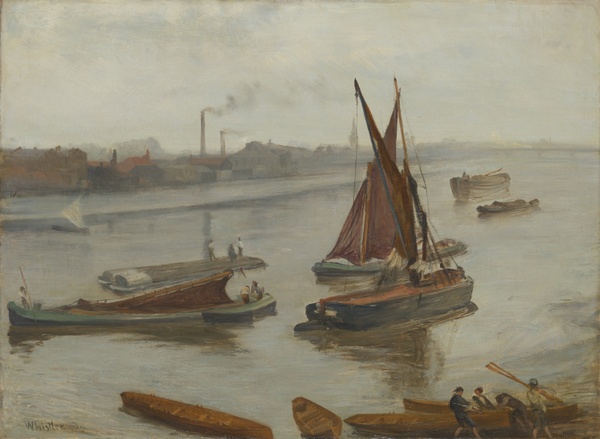
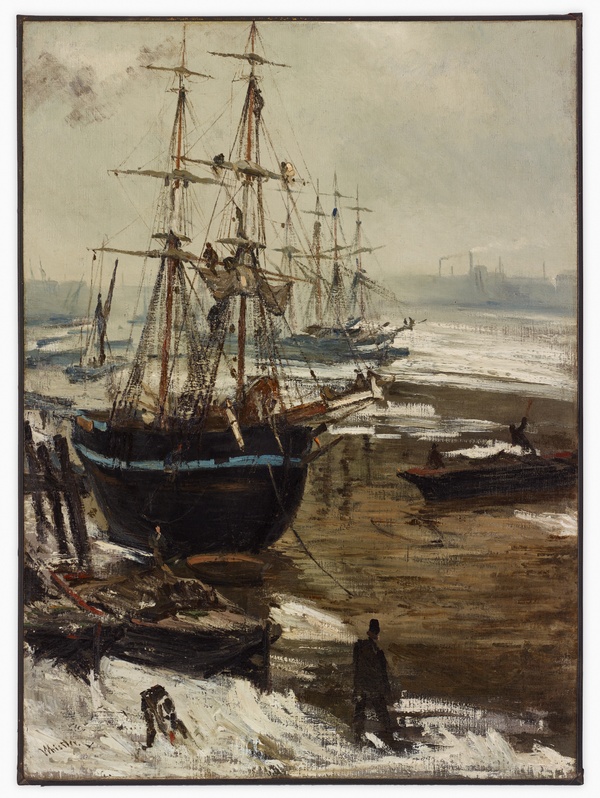
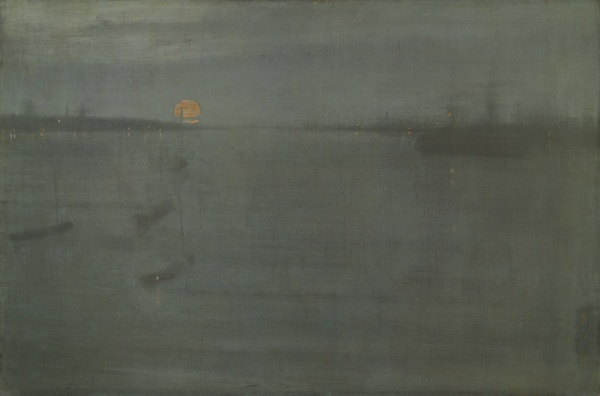
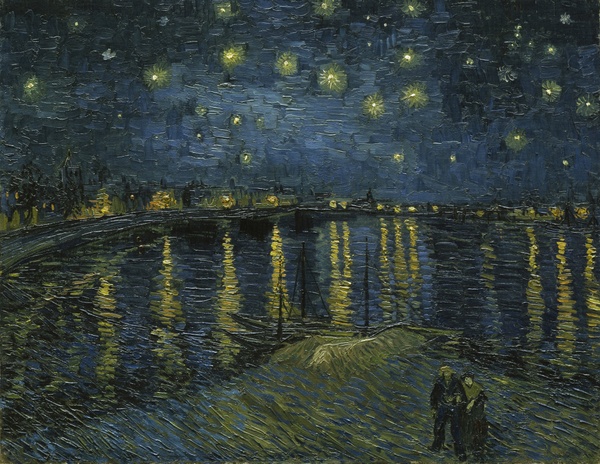
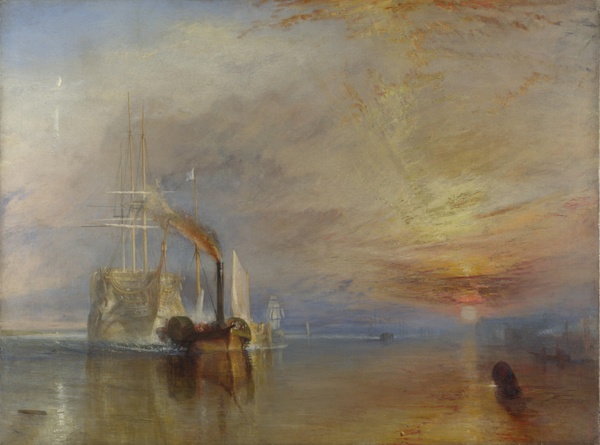
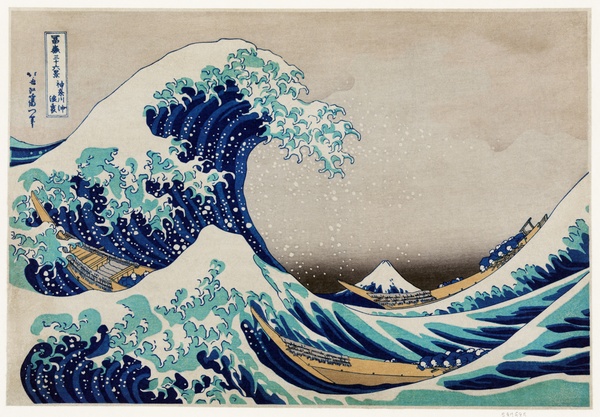
The emotional intensity of reflection deepens with *Vincent van Gogh’s Starry Night Over the Rhône** (1888), where gas lamps cast golden reflections onto shimmering waters beneath a sparkling celestial mirror. Even the vibrant street scene of his *Café Terrace at Night* (1888) plays with reflected light, illuminating human connections in an energetic social mirror. Joseph Mallord William Turner’s The Fighting Temeraire** (1839) imbues a sunset reflection on the Thames with profound elegy, mirroring the passing of an old era into a new. And the raw power of nature's mirror is unleashed in Katsushika Hokusai’s Under the Wave off Kanagawa (The Great Wave)*** (c. 1831), where the colossal wave itself becomes a terrifying, dynamic reflection of elemental force.
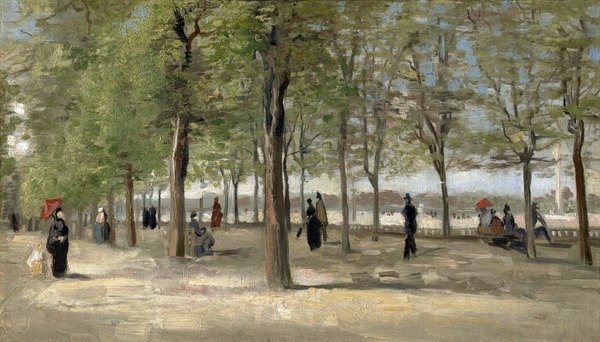
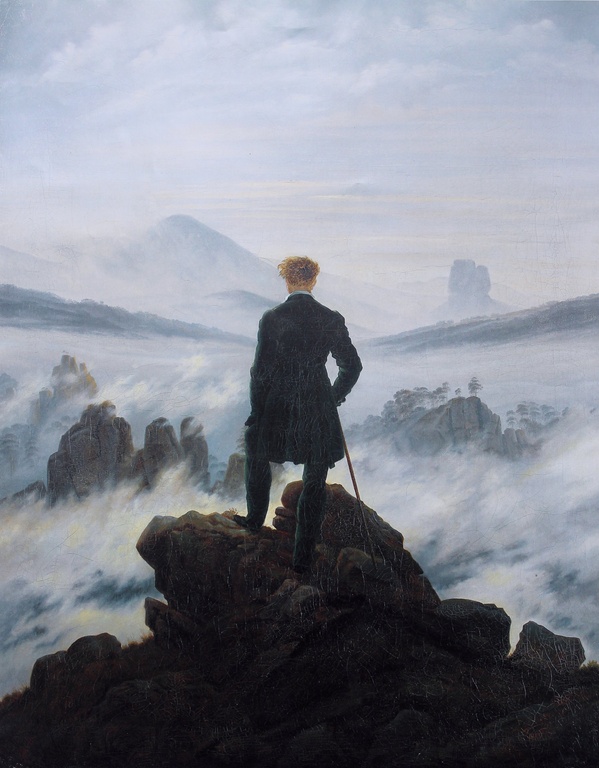
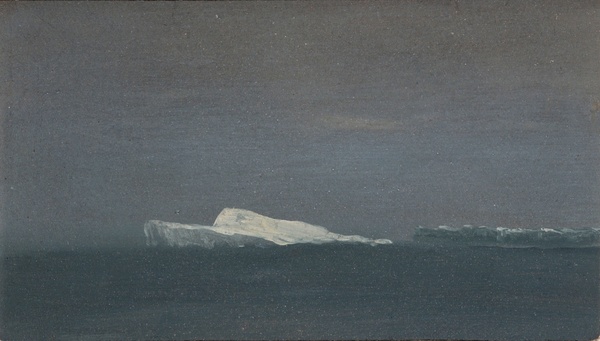
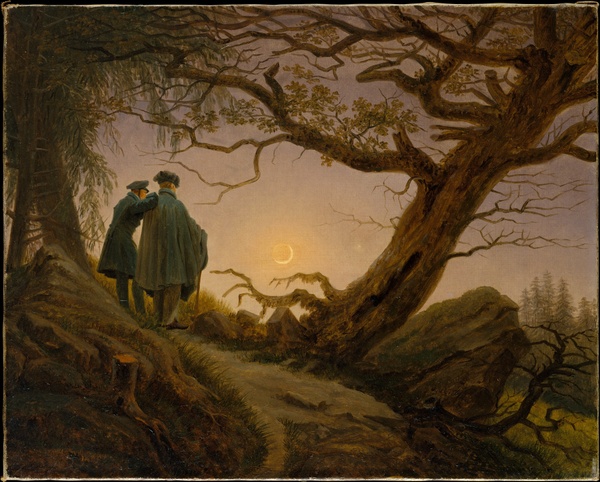
The contemplative spirit of the Romantics then invites us into landscapes that mirror the soul. *Caspar David Friedrich’s Wanderer above the Sea of Fog** (1818) depicts a lone figure gazing into a vast, misty expanse—a landscape that functions as a profound mirror to inner thoughts, existential contemplation, and the sublime. His *Two Men Contemplating the Moon* (ca. 1825–1830) offers a shared moment of quiet introspection, the moon a distant, reflective beacon. The stark, imposing beauty of Albert Bierstadt’s Iceberg*** (c. 1884) reflects a cold, indifferent grandeur, a world apart.
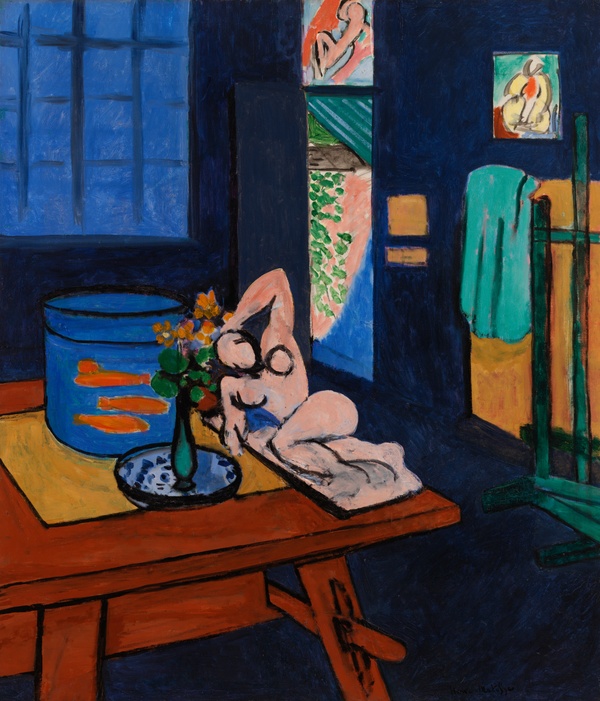
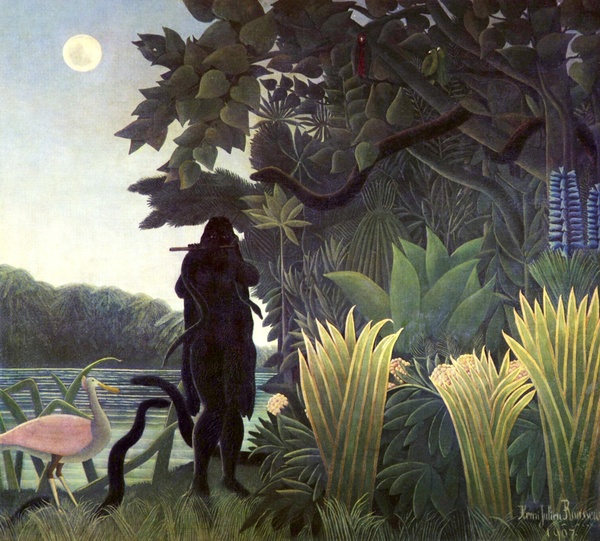
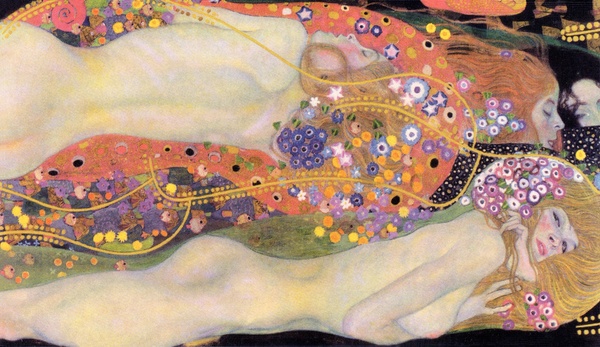
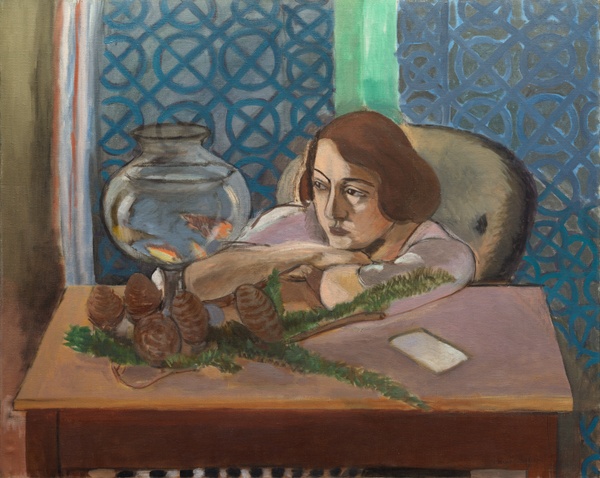
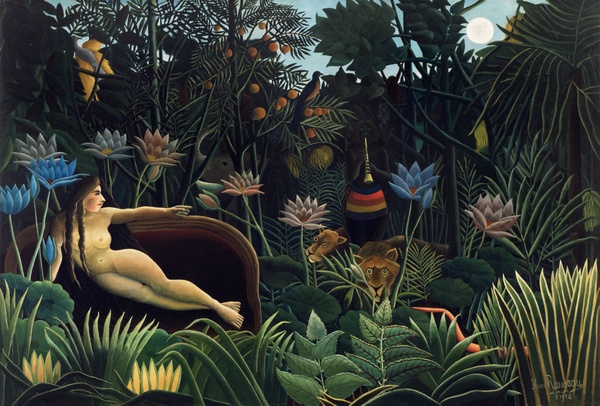
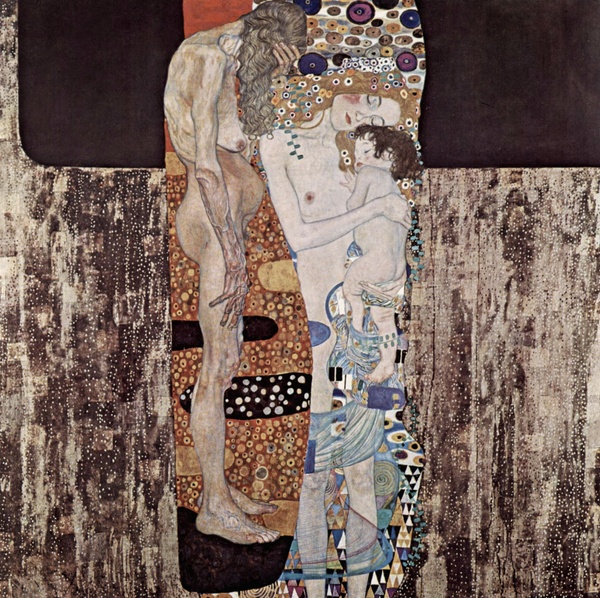
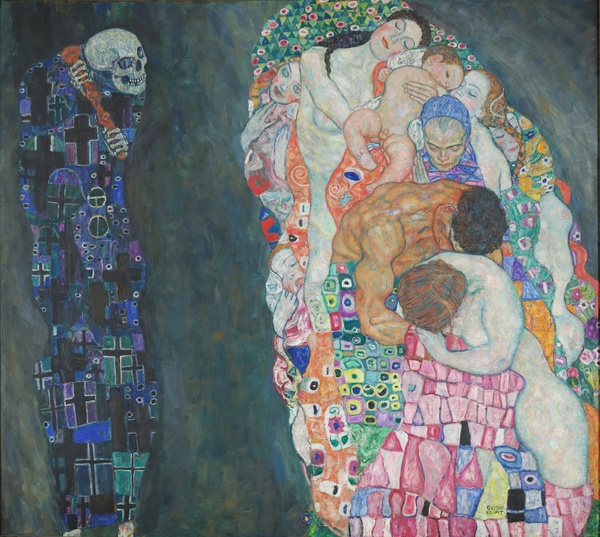
Finally, we delve into the most enigmatic mirrored worlds: those of dreams, allegories, and the subconscious. *Henri Matisse’s Studio with Goldfish (L'Atelier aux poissons rouges)** (1912) and *Woman before an Aquarium* (1921–1923) present contained reflections, observing other realities through glass, symbols of the artistic process itself. Henri Rousseau’s The Snake Charmer** (1907) and *The Dream* (1910) plunge us into lush, moonlit jungles, explicit dreamscapes where the subconscious is projected onto the canvas, revealing a primitive, mirrored reality. Gustav Klimt’s Water Serpents I (Wasserschlangen I)** (1904–1907) evokes an ethereal, fluid realm of myth and desire, while his allegorical masterpieces, *The Three Ages of Woman* (1905) and *Death and Life** (1910–1915), reflect the universal dualities and transitions of human existence.
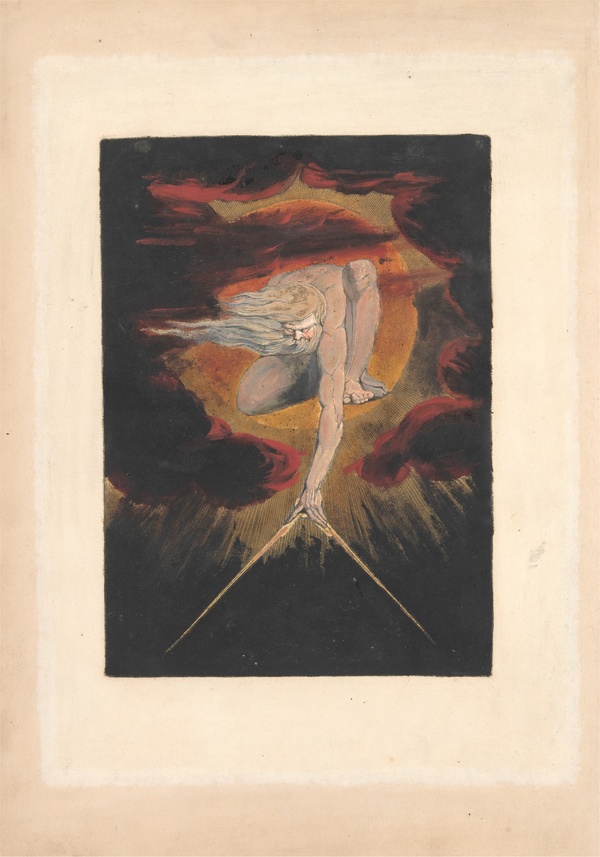
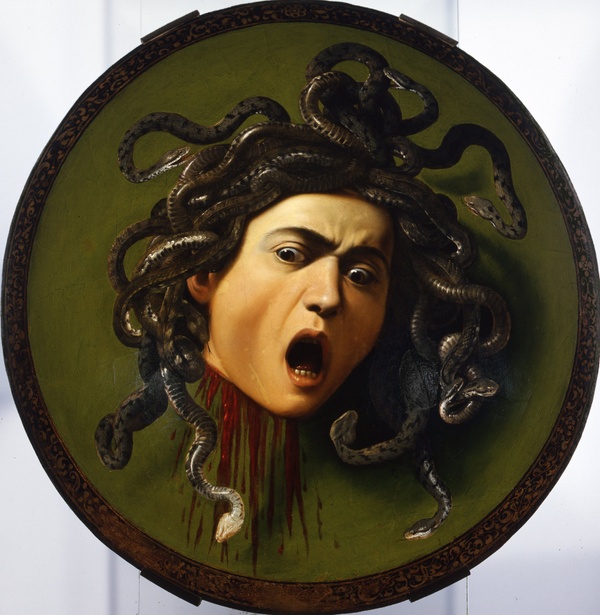
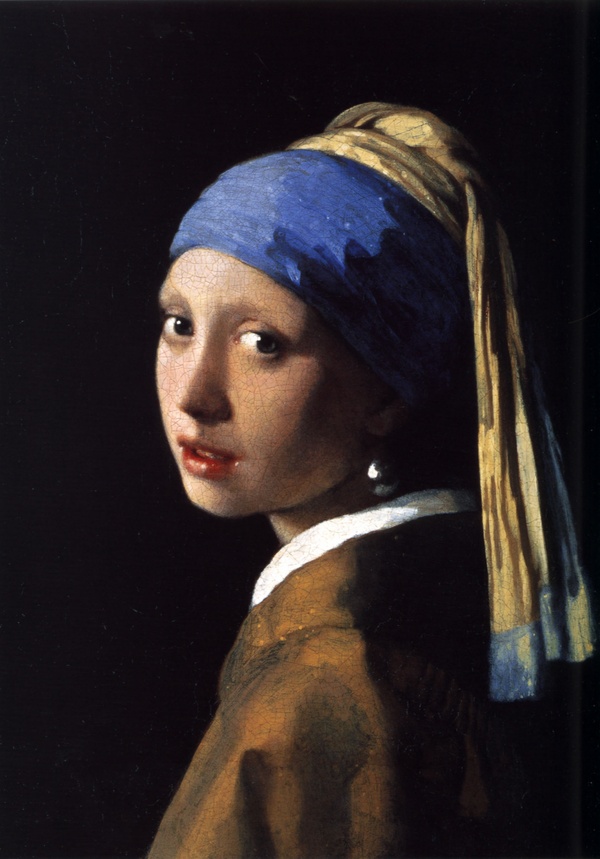
From the grand, cosmic reflections of creation in *William Blake’s Europe. A Prophecy, Plate 1, Frontispiece ("The Ancient of Days")** (1794), where Urizen imposes order on chaos, we confront the raw, terrifying mirror of myth in Caravaggio’s Medusa** (1597-1598), her decapitated head a grotesque reflection of horror and power. Our journey concludes with the captivating enigma of Johannes Vermeer’s Girl with a Pearl Earring*** (c. 1665). Her direct gaze, her luminous presence, reflects not a literal mirror, but the profound human desire to connect, to understand, and to see ourselves reflected in the eyes of another, a timeless echo across the reflective veil.