The very essence of art lies in its ability to arrest time, to distill the chaotic continuum of existence into a single, profound instant. Our exhibition, "Moments Held Breathless," explores these charged intervals: the hushed anticipation, the profound contemplation, the sudden realization, and the enduring echo of silence. It is in these moments eternally paused that we encounter the deepest truths of the human condition and the sublime power of the natural world.
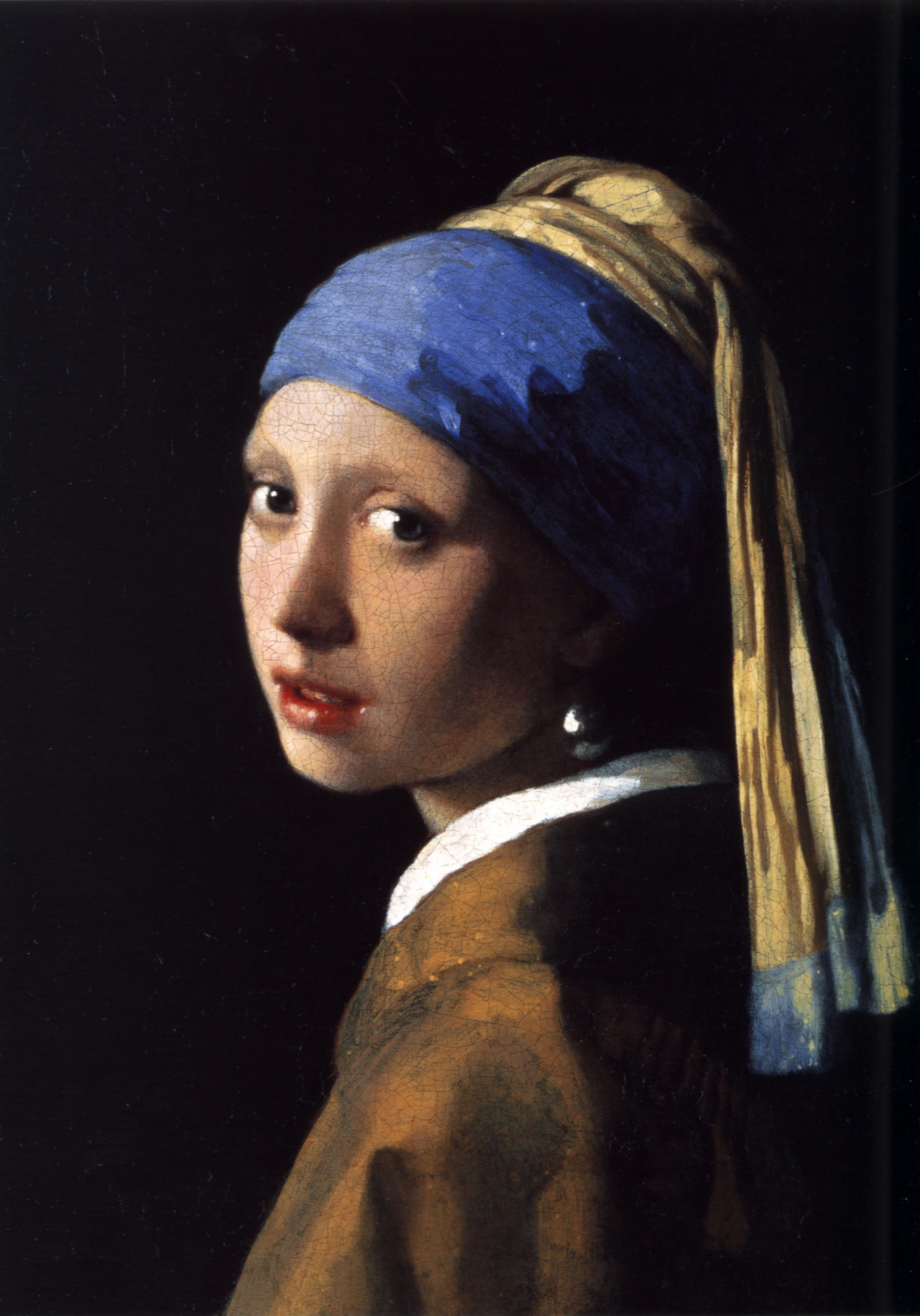
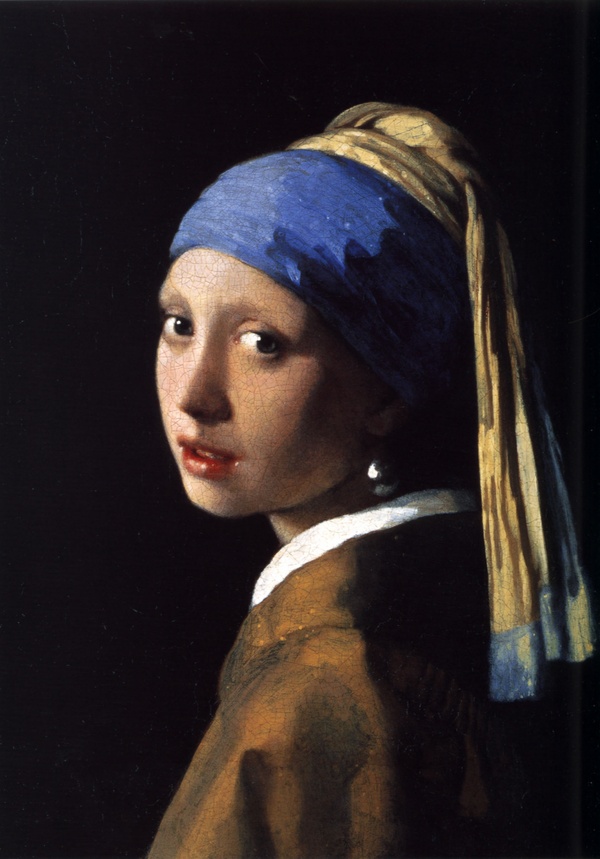
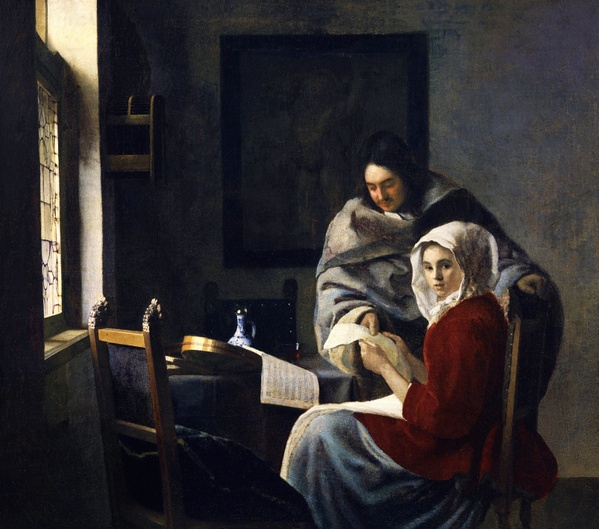
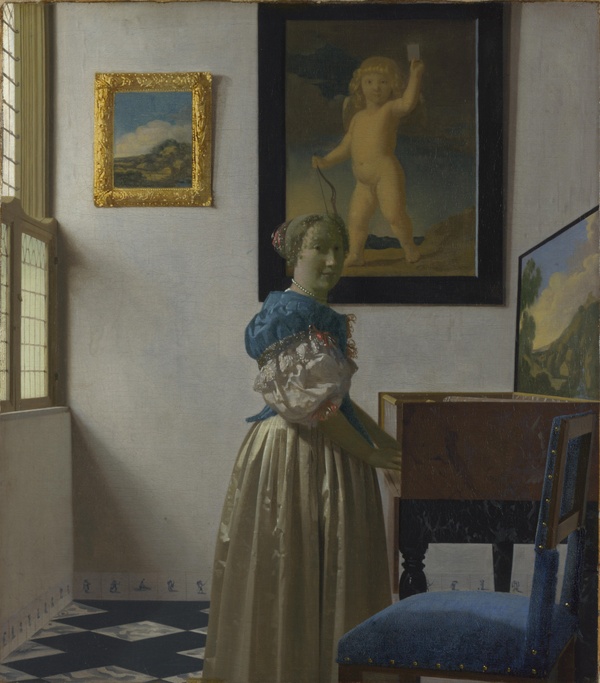
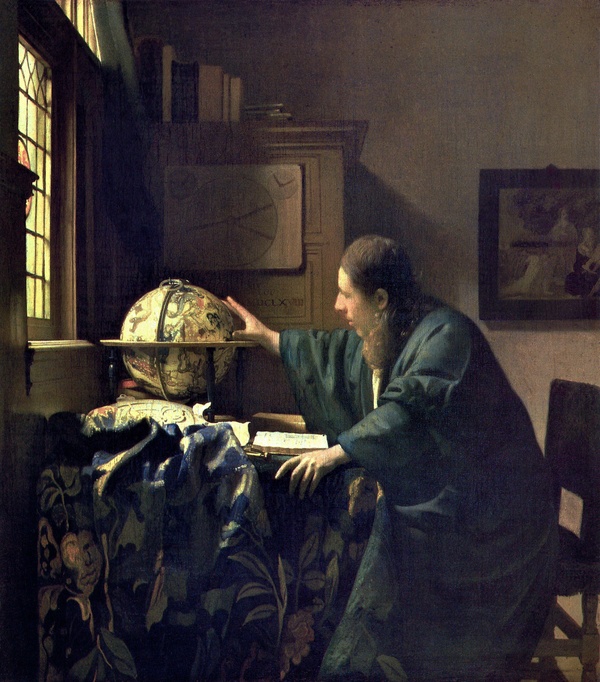
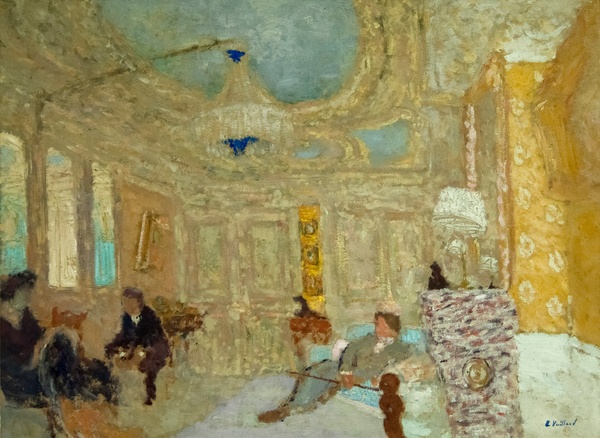
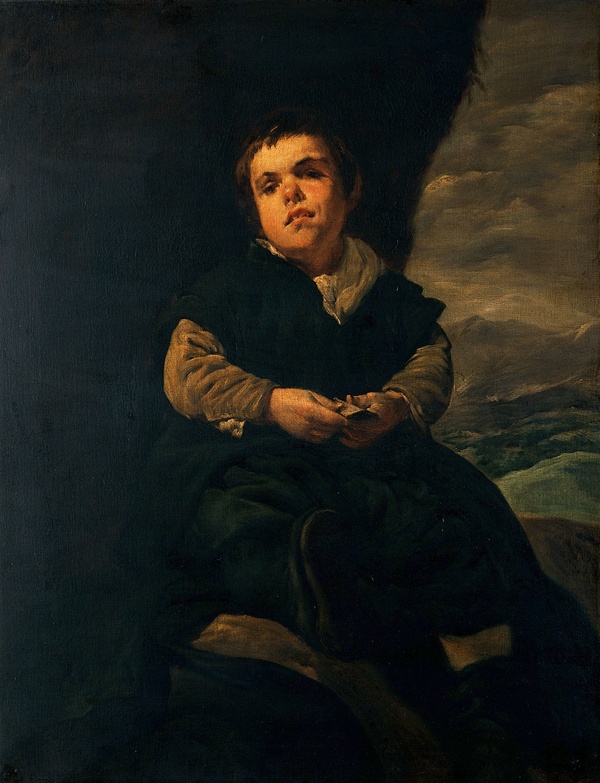
We begin with the exquisite stillness of the Dutch Golden Age, where Johannes Vermeer masterfully captures the subtle drama of arrested action. The enigmatic Girl with a Pearl Earring meets our gaze, her silent inquiry eternally suspended. A young woman in Girl Interrupted at Her Music turns from her task, her private world momentarily breached, while in A Young Woman Standing at a Virginal, a delicate smile hints at an inner thought, caught between notes. Vermeer’s genius for capturing domestic serenity is further evident in The Astronomer, where a scholar reaches for a celestial globe, absorbed in the silent mysteries of the cosmos. Édouard Vuillard’s In the Waiting Room broadens this internal focus to a communal setting, where figures are absorbed in their own reveries, a tapestry of quiet introspection. Diego Velázquez, too, invites us into a moment of candid pause with The Dwarf Francisco Lezcano, "El Niño de Vallecas", his relaxed posture offering a glimpse of an unburdened instant.
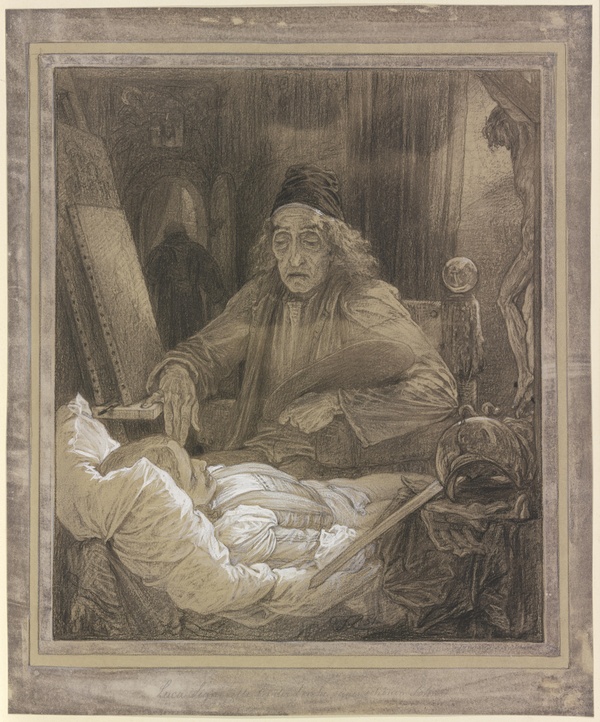
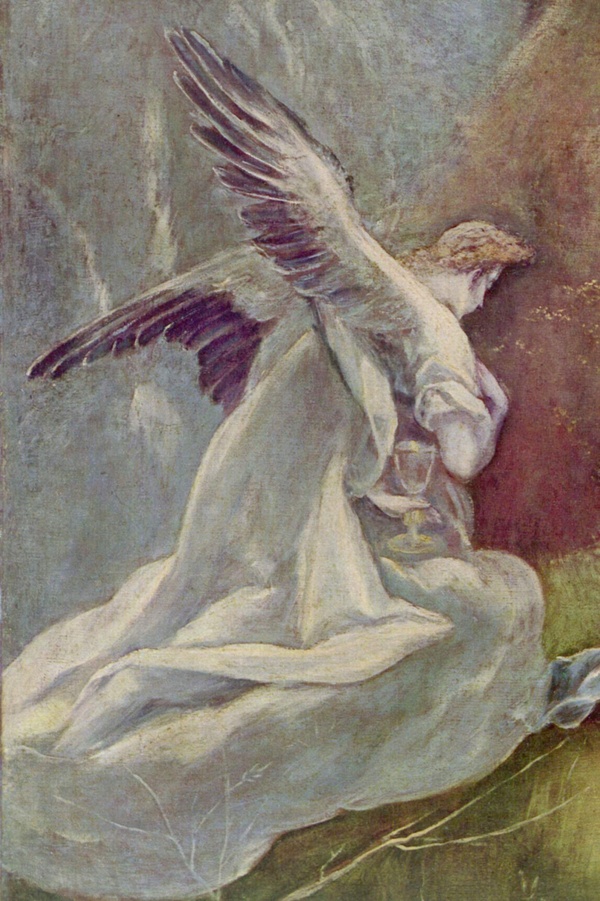
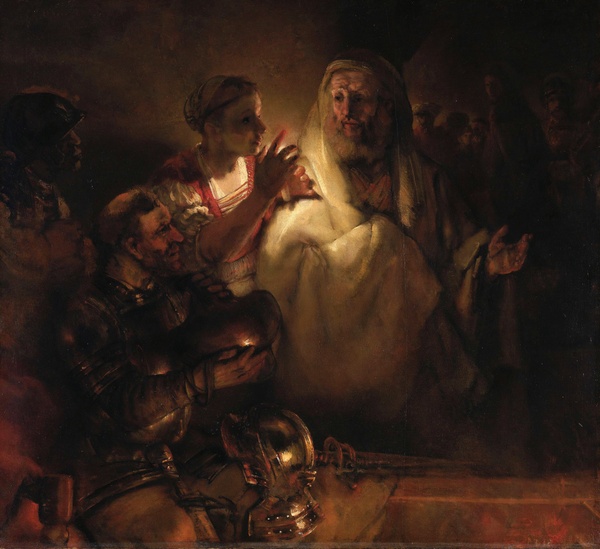
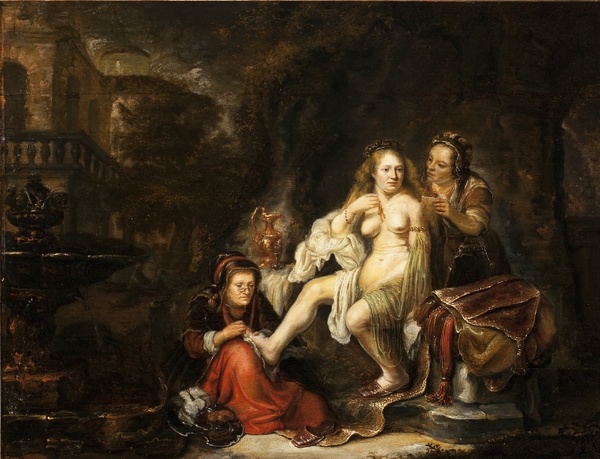
As we delve deeper, we encounter moments where the breath is held not in quiet contemplation, but in the crucible of moral or spiritual reckoning. Frederic Leighton’s poignant drawing, Luca Signorelli Painting his Dead Son, captures the devastating pause of a father confronting unbearable grief, transforming personal tragedy into a profound artistic act. Before the ultimate sacrifice, El Greco's The Agony in the Garden of Gethsemane depicts Christ's profound spiritual anguish, a moment of divine breathlessness before his fate unfolds. Rembrandt van Rijn’s The Denial of Saint Peter freezes a harrowing biblical instant, Peter’s hand raised in desperate prevarication, caught in the moral chasm of his choice. Similarly, Bathsheba Receiving David's Letter by the School of Govert Flinck presents a moment of profound moral contemplation, a silent pause pregnant with consequence.
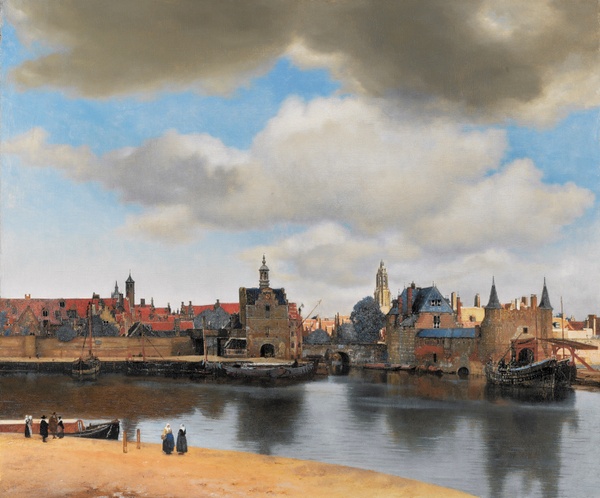
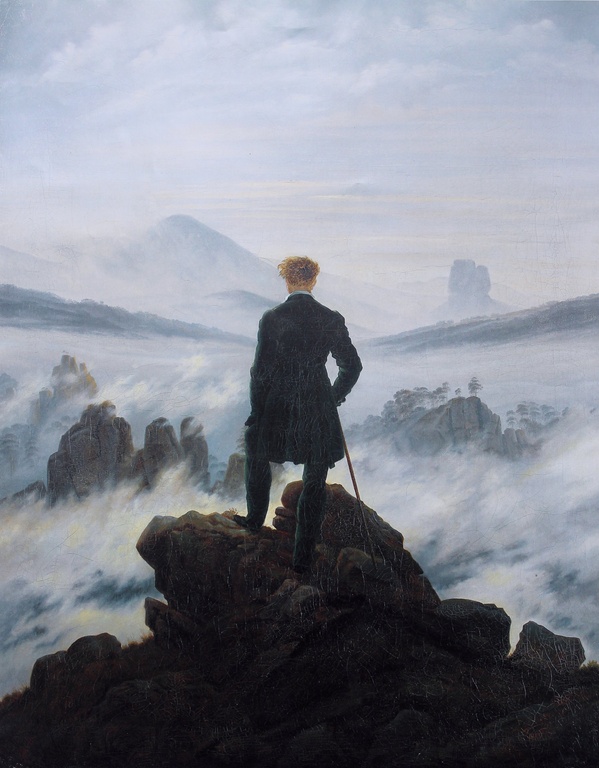
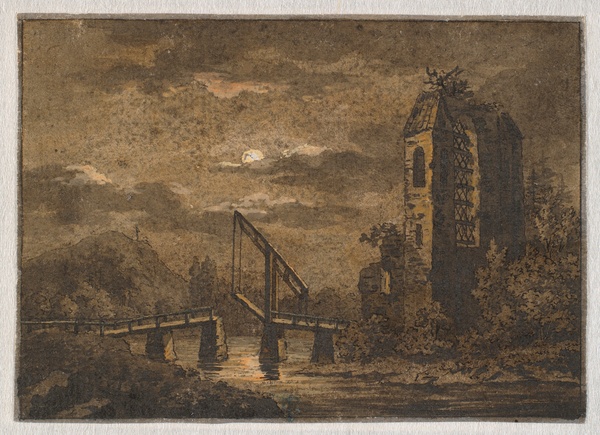
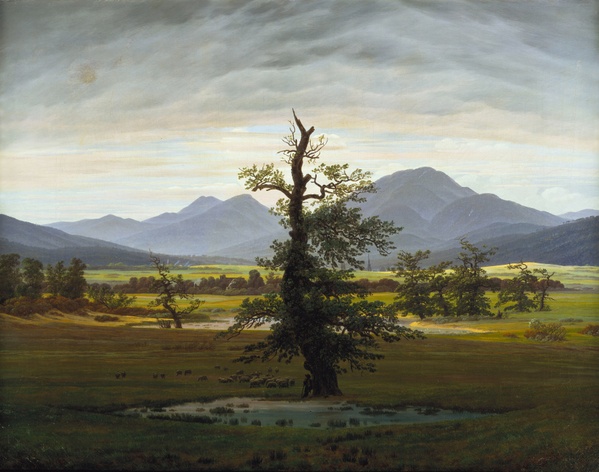
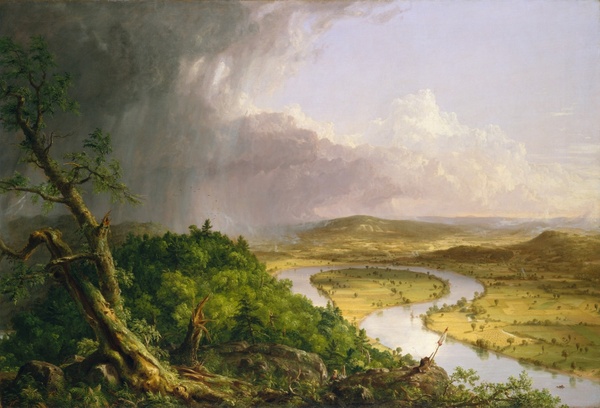
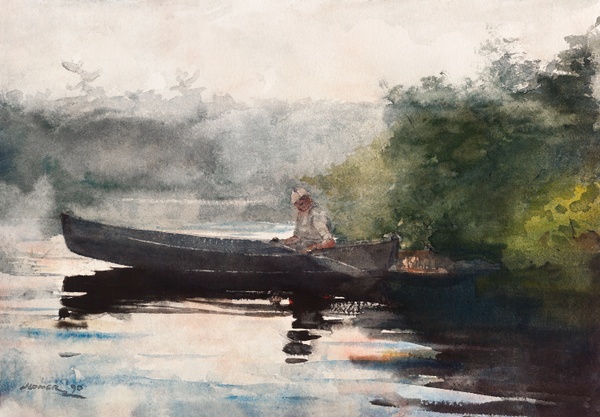
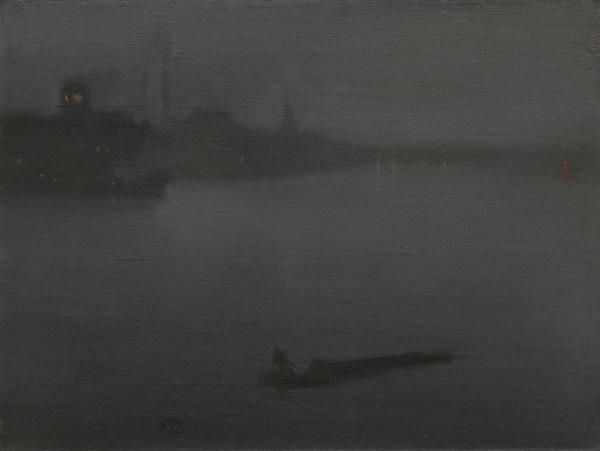
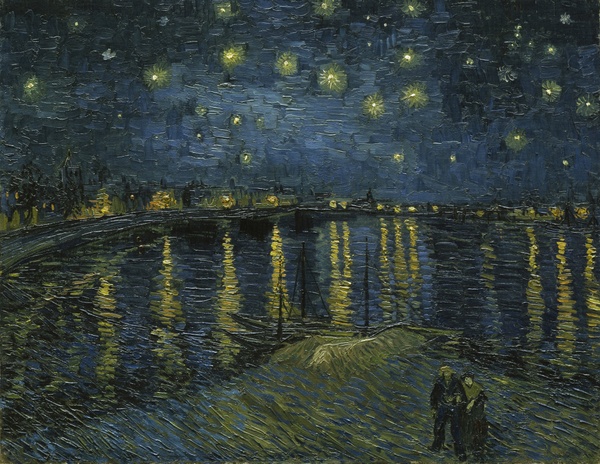
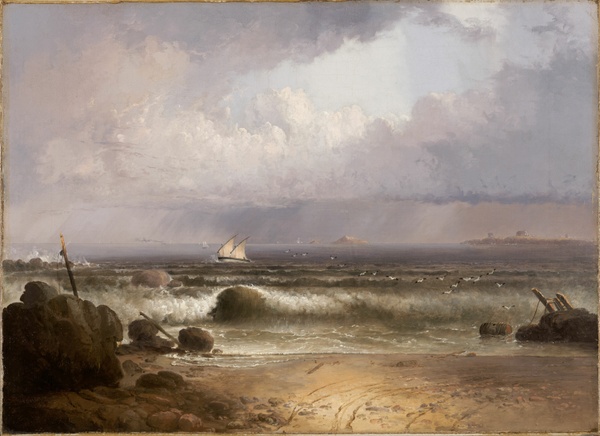
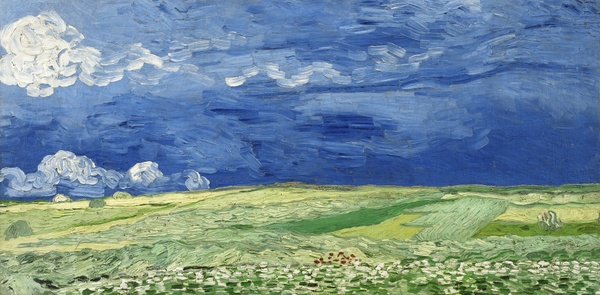
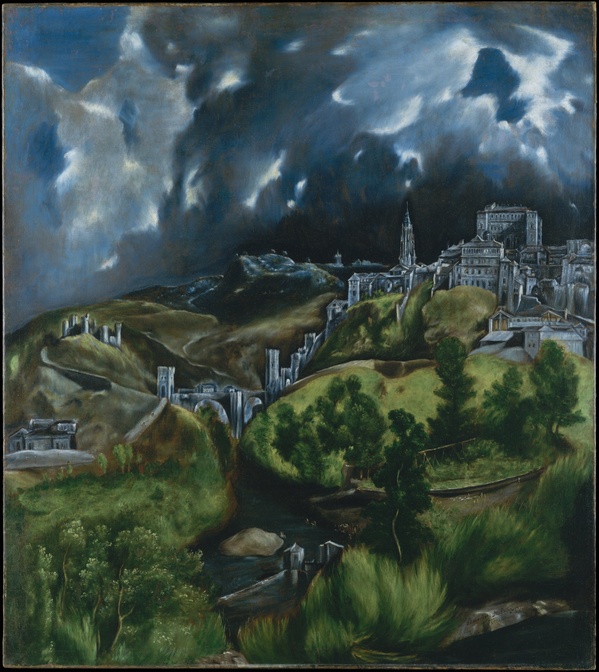
The natural world offers its own symphony of stillness and dramatic anticipation. Vermeer’s expansive View of Delft presents a city bathed in tranquil light, a timeless panorama reflecting its calm harbor. Caspar David Friedrich, the master of Romantic landscapes, invites us into the hushed majesty of nature: a solitary figure in Wanderer above the Sea of Fog stands at the precipice of the sublime, his breath taken by the vastness; Landscape with Drawbridge and Ruin in Moonlight evokes a serene yet haunting nocturnal quietude; and The Lonely Tree (Der einsame Baum) anchors a vast scene, a symbol of enduring solitude. Thomas Cole's magnificent The Oxbow (View from Mount Holyoke, Northampton, Massachusetts, after a Thunderstorm) captures the very moment after a tempest, a dramatic diagonal dividing wildness and cultivation, a pause of recovery. Winslow Homer's The End of the Day, Adirondacks depicts figures at rest, their labors momentarily suspended in the quiet embrace of the wilderness. James McNeill Whistler’s Nocturne in Blue and Silver immerses us in the atmospheric calm of a moonlit river, while Vincent van Gogh’s Starry Night Over the Rhône offers a vibrant, breathless moment of celestial wonder reflected on earth. Yet, nature also holds its breath in anticipation: Thomas Doughty’s Coming Squall (Nahant Beach with a Summer Shower) and Van Gogh’s Wheatfield under Thunderclouds vividly convey the charged atmosphere before a storm breaks, the world poised on the brink of change. Even El Greco’s dramatic View of Toledo captures a city under churning, foreboding skies, a moment of nature’s grand, suspended power.
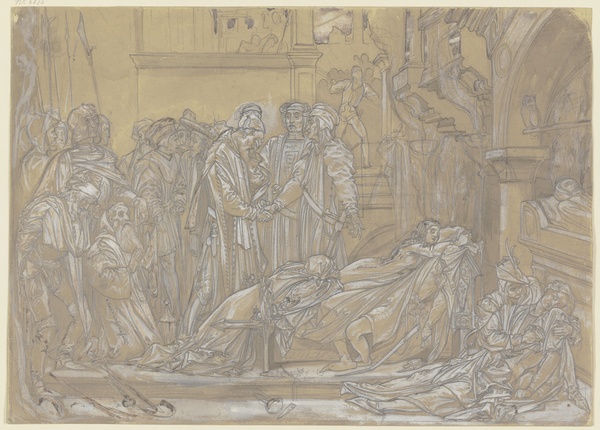
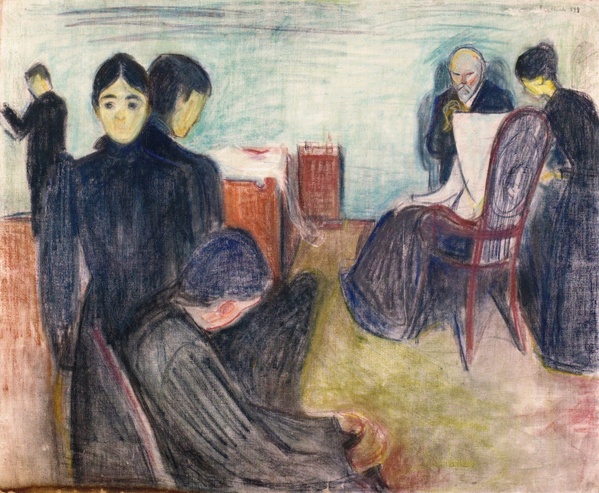
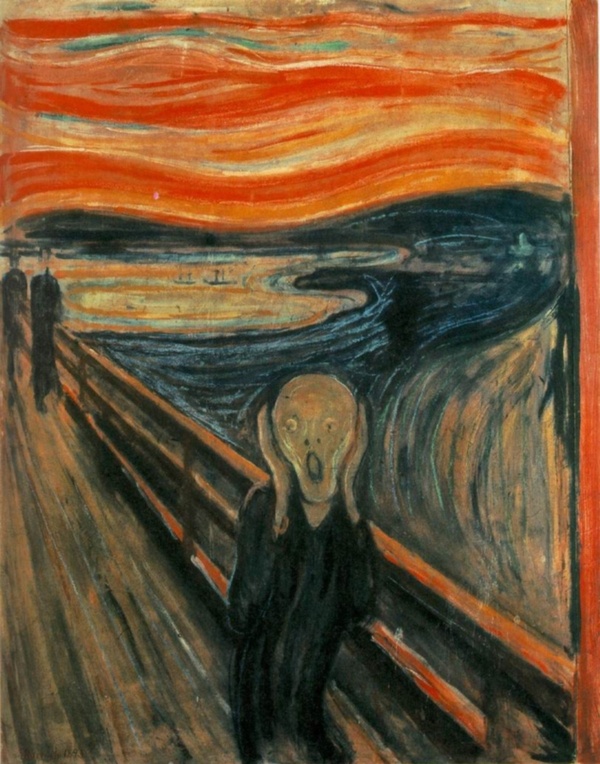
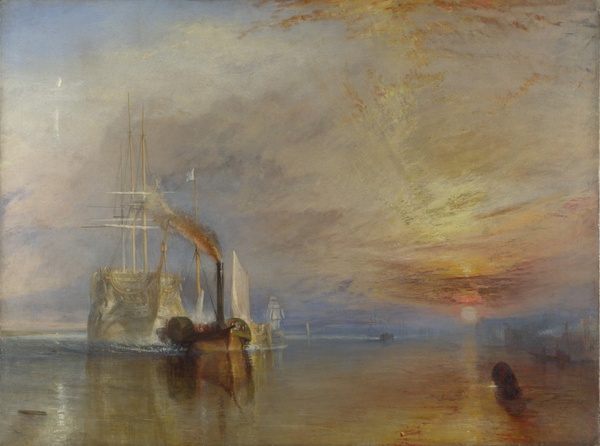
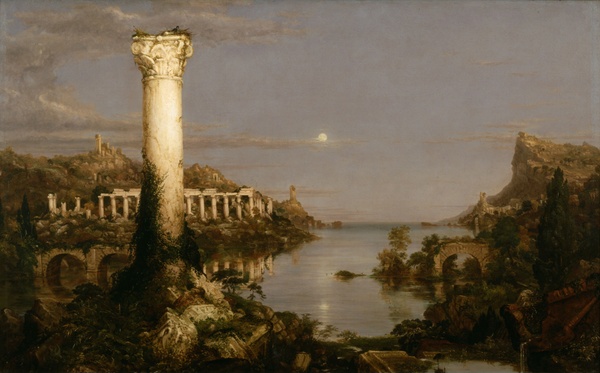
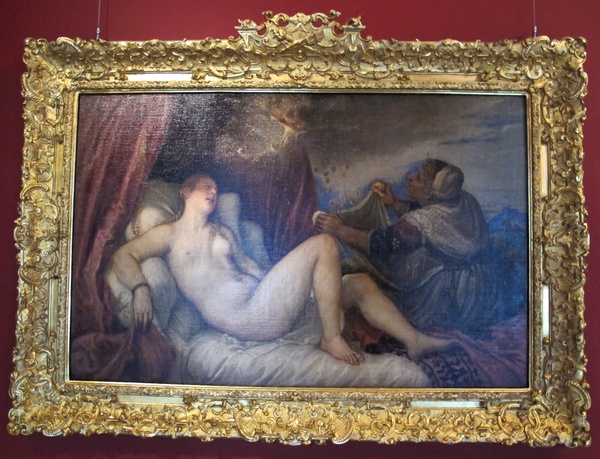
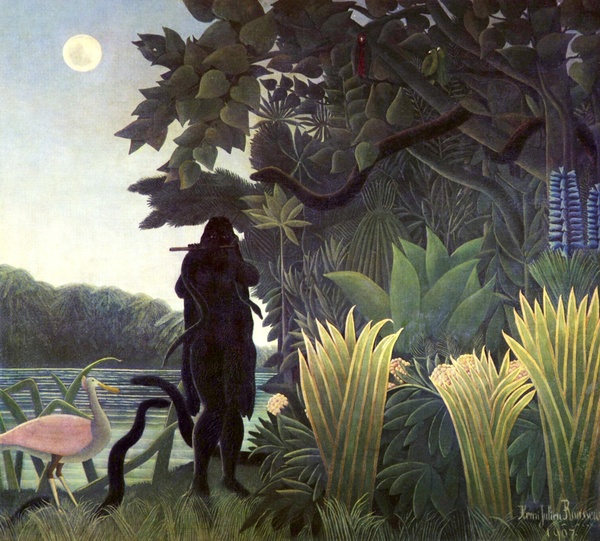
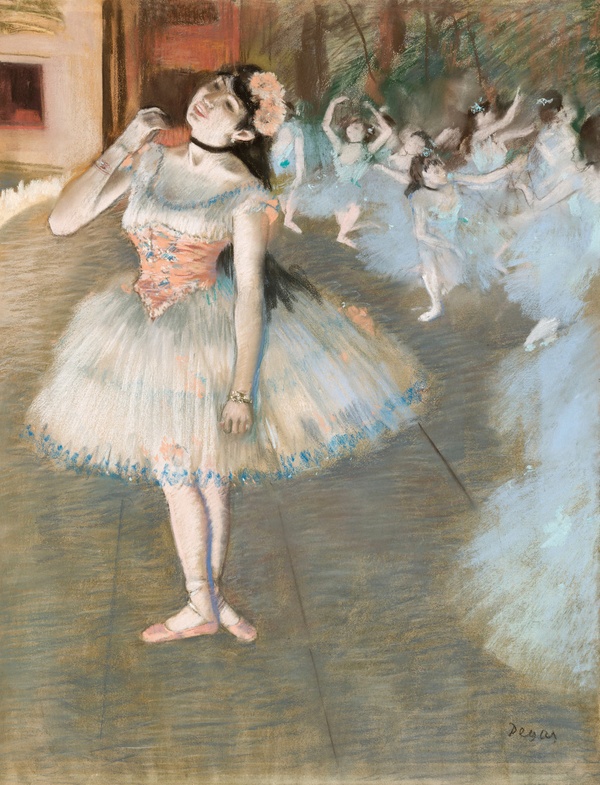
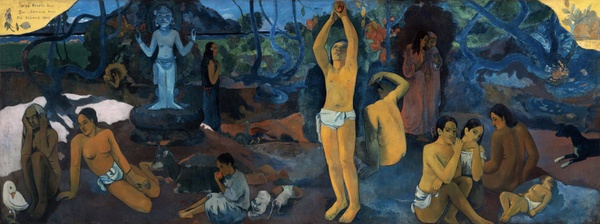
Finally, we turn to moments of climactic conclusion, new beginnings, or profound existential questioning. Frederic Leighton’s The Reconciliation of the Montagues and Capulets over the Dead Bodies of Romeo and Juliet freezes the aftermath of tragedy, a moment of profound grief that paradoxically brings an end to ancient hatred. Edvard Munch confronts us with the stark reality of loss in Death in the Sickroom, a harrowing tableau of frozen grief, and then, the ultimate visceral expression of anguish in The Scream, a primal cry that echoes through an eternally paused moment. J.M.W. Turner’s elegiac The Fighting Temeraire tugged to her last Berth to be broken up captures the poignant, breathless end of an era, a ghostly ship moving towards oblivion under a fiery sky. Thomas Cole’s The Course of Empire: Desolation offers a chilling pause at the end of civilization’s grand cycle, nature reclaiming all. Titian’s sensuous Danaë captures a mythological moment of divine descent, a breathless anticipation of sacred union. Henri Rousseau’s exotic The Snake Charmer enthralls, her flute-playing freezing the jungle in a mysterious, hypnotic spell. Edgar Degas’s The Star (L'Étoile) presents a prima ballerina at the pinnacle of her performance, a moment of ethereal grace perfectly suspended. And finally, Paul Gauguin’s monumental Where Do We Come From? What Are We? Where Are We Going? invites us into a profound, breathless philosophical inquiry, the canvas itself a vast moment of contemplation on humanity’s ultimate questions.
These artworks, spanning centuries and diverse sensibilities, collectively illuminate the myriad ways in which artists transform transient reality into moments held breathless. They compel us to pause, to feel the weight of silence, and to experience the profound, eternal echoes of time momentarily stilled. This exhibition is an invitation to inhabit these frozen instants, to listen to their silent stories, and to find within them the resonant truths that bind us all.