The very essence of existence, "The Breath of Light" manifests in an endless symphony of visual phenomena, a luminous dialogue tracing its passage through the visible and invisible worlds. This exhibition invites us on an odyssey, exploring light not merely as illumination, but as a living force, shaping our perceptions, emotions, and the very fabric of art.
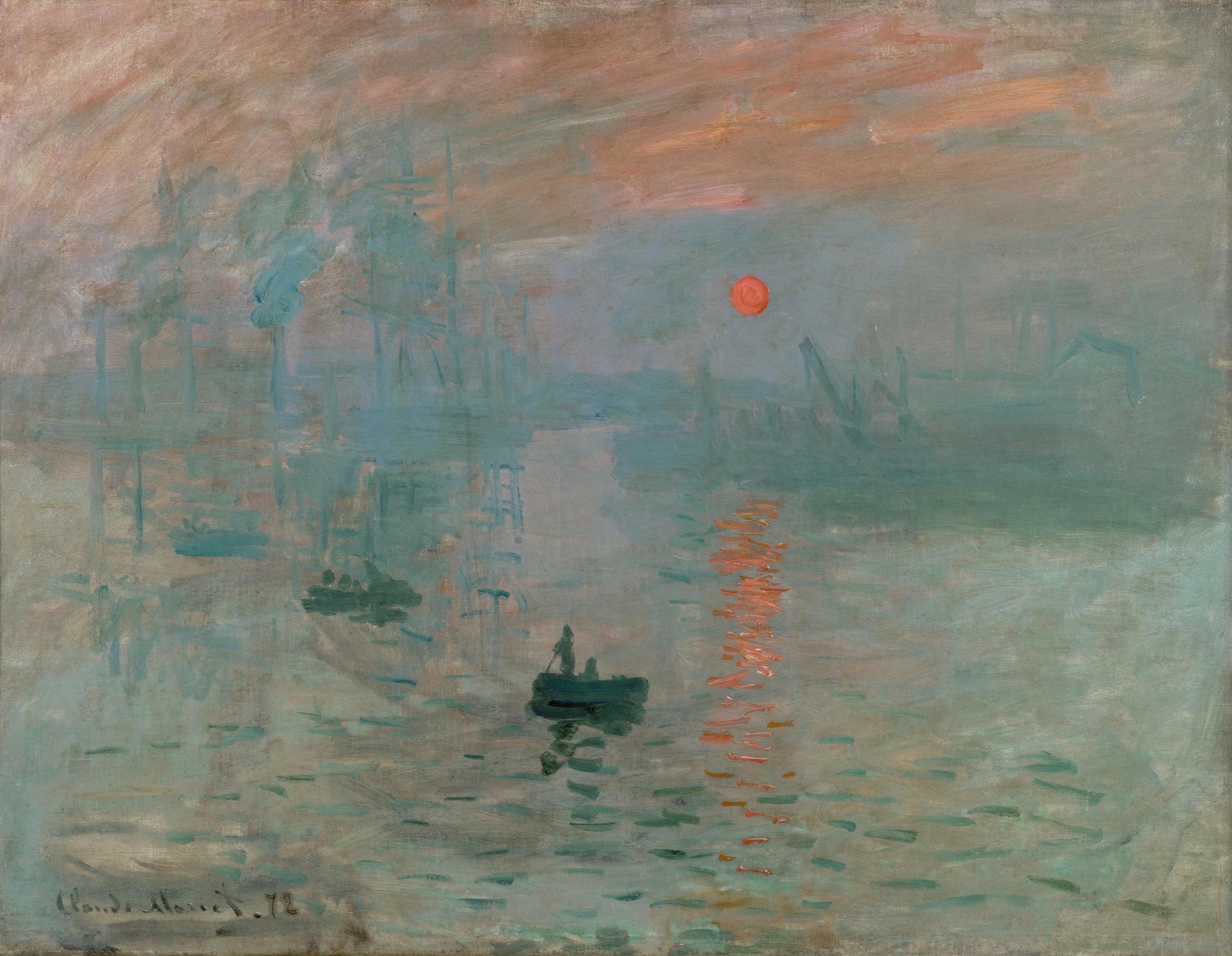
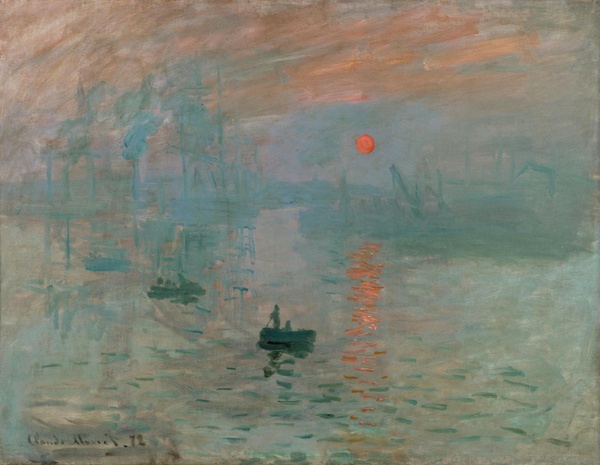
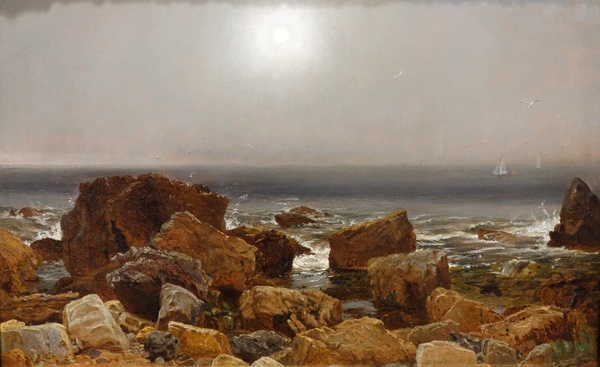
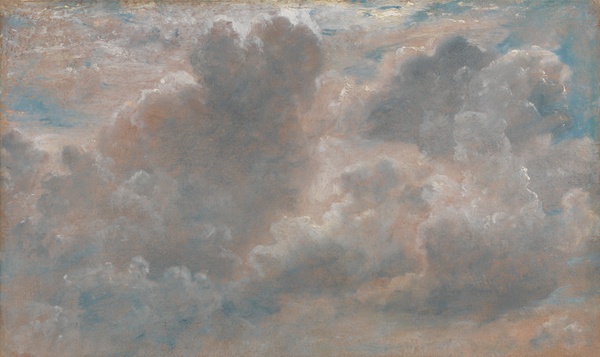
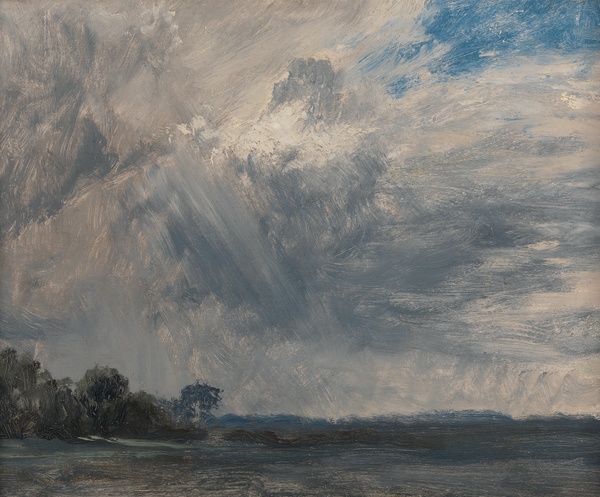
Our journey begins with light's nascent whisper, the tender awakening of a new day. Claude Monet’s seminal Impression, Sunrise dissolves the boundary between mist and sky, presenting a world still forming, where the sun’s orange disc is a nascent promise. This ethereal quality is echoed in Ivan Shishkin's Morning in a Pine Forest, where shafts of light pierce the dense, misty canopy. Jasper Francis Cropsey’s Morning Fog further captures this delicate transition, as the luminous glow of dawn breaks through coastal mists. John Constable, in his dedicated studies like Cloud Study and Study of Cloudy Sky, meticulously records the fleeting forms and shifting brilliance of the heavens, capturing the ephemeral breath of light itself.

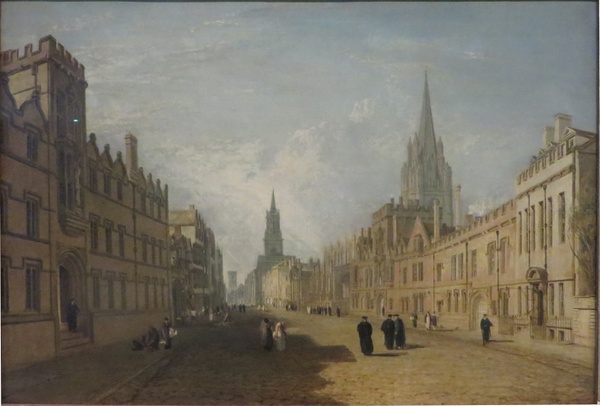
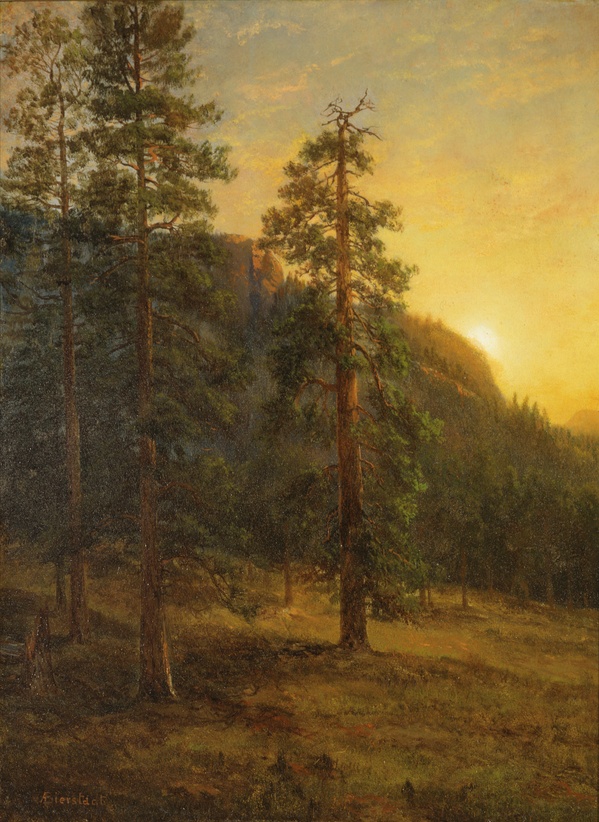
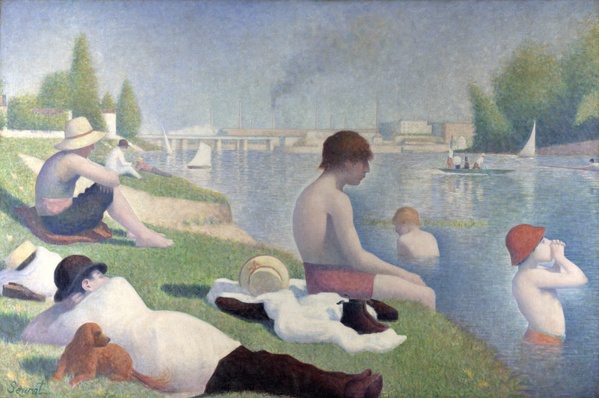
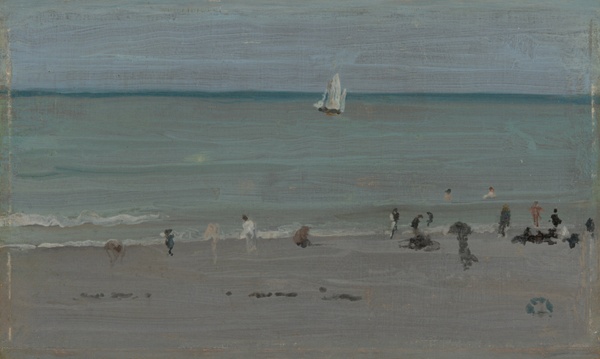
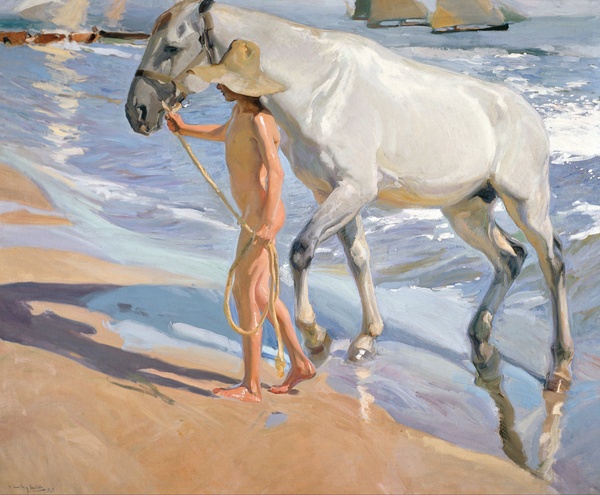
As the sun climbs, its embrace becomes more direct, revealing the world in sharp relief. J.M.W. Turner’s High Street, Oxford pulses with the vibrant energy of daylight, its architectural forms defined by strong, clear light. Albert Bierstadt’s California Redwoods demonstrates light’s filtering power, as majestic rays penetrate the ancient grove, highlighting nature's grandeur. The human form, too, becomes a canvas for light, as seen in Georges Seurat’s monumental Bathers at Asnières, where sun-drenched figures along the Seine are sculpted by intense afternoon glow. James McNeill Whistler’s Coast Scene, Bathers offers an intimate sunlit moment, while Joaquín Sorolla’s The Horse's Bath (El baño del caballo) revels in the glittering, almost liquid quality of light on wet skin and water.
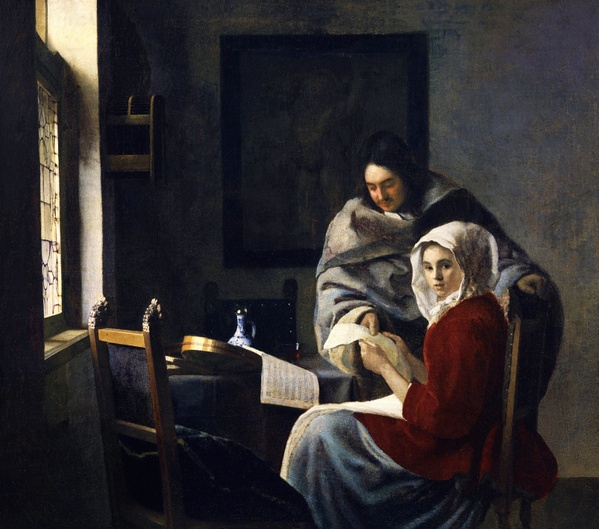
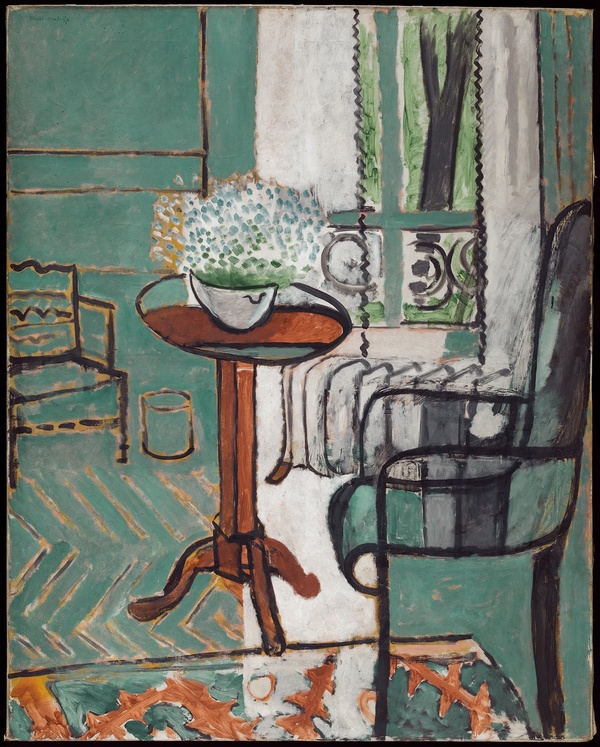
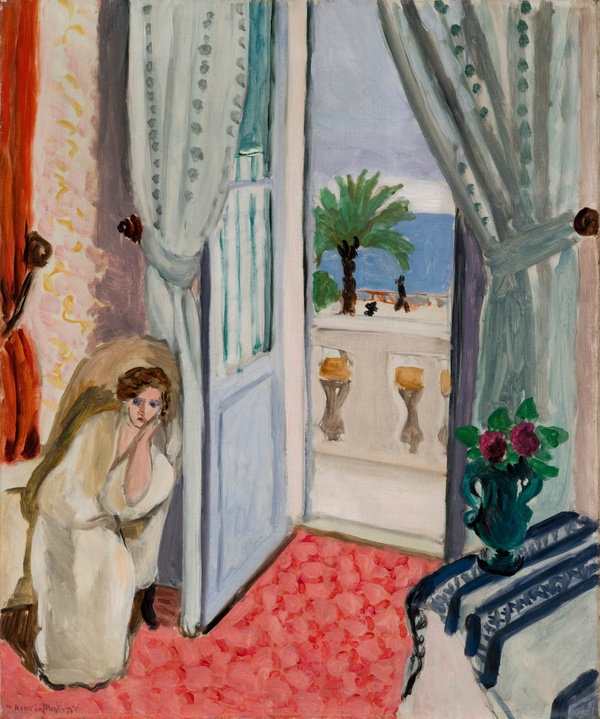
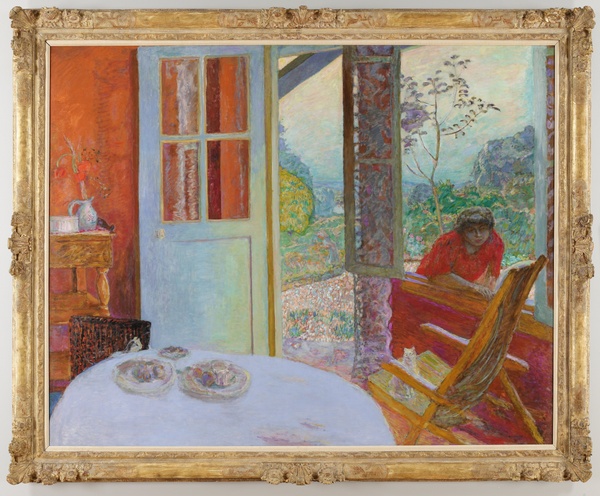
Yet, light does not merely illuminate; it defines our inner worlds. Johannes Vermeer’s Girl Interrupted at Her Music masterfully employs subtle, north light to evoke quiet intimacy, where external light meets an internal gaze. Henri Matisse, in The Window and Interior at Nice, explores the vibrant interplay between sunlit interiors and the external world, turning domestic spaces into canvases for color and form, articulated by the dramatic influx of light. Pierre Bonnard's Dining Room in the Country further immerses us in the warmth of domestic light, blurring the lines between indoor and outdoor, memory and sensation.
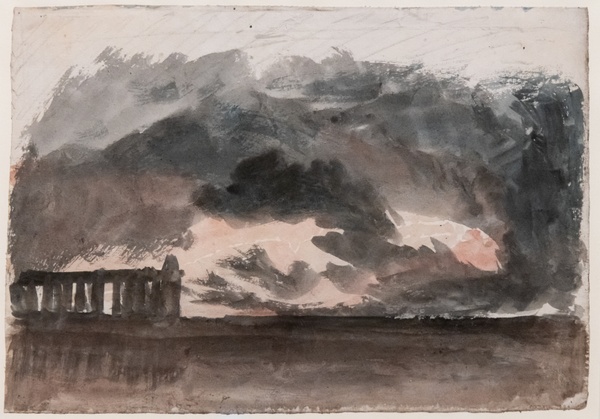
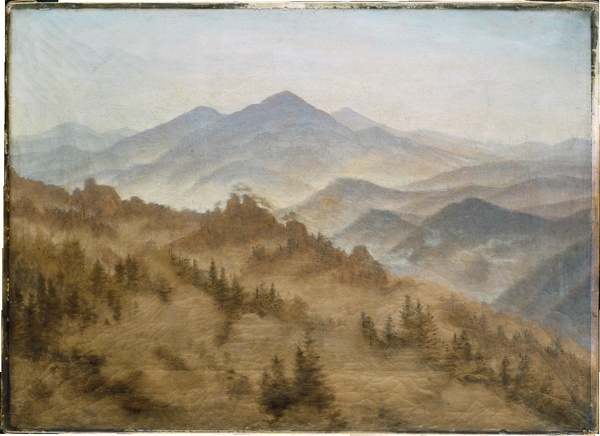
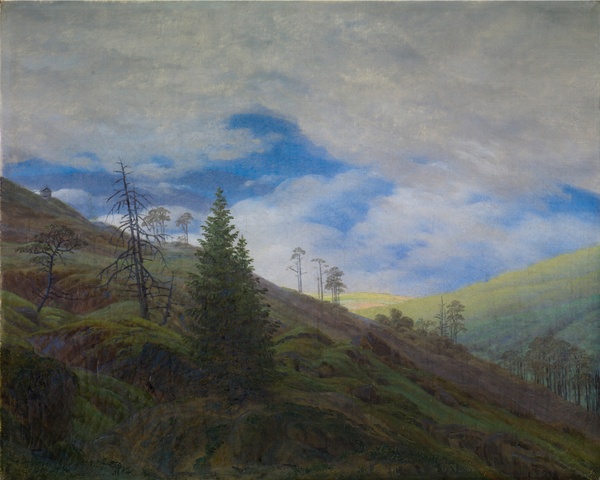
The temperament of light can shift dramatically, from gentle caress to tempestuous roar. J.M.W. Turner’s Paestum - J.M.W. Turner plunges us into the sublime chaos of a thunderstorm, where lightning flashes illuminate ancient ruins. Caspar David Friedrich explores the spiritual dimensions of atmospheric light: in Mountains in the Rising Fog, mists shroud the landscape in mystery, while Sunburst in the Riesengebirge captures a moment of dramatic revelation as light breaks through storm clouds.
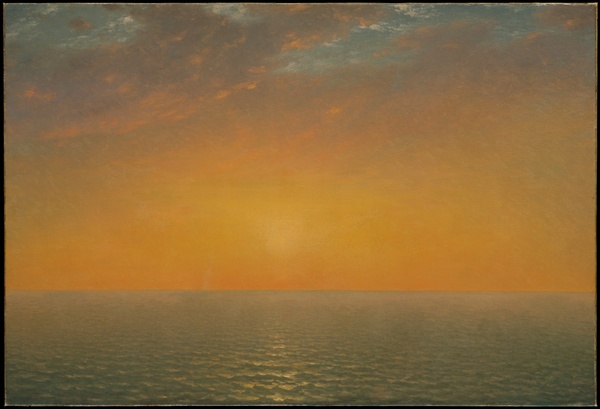
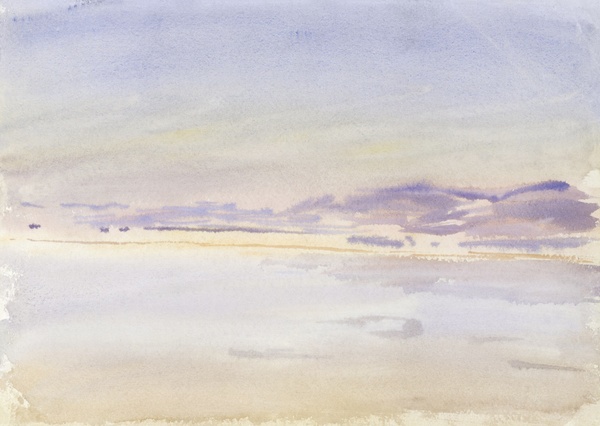
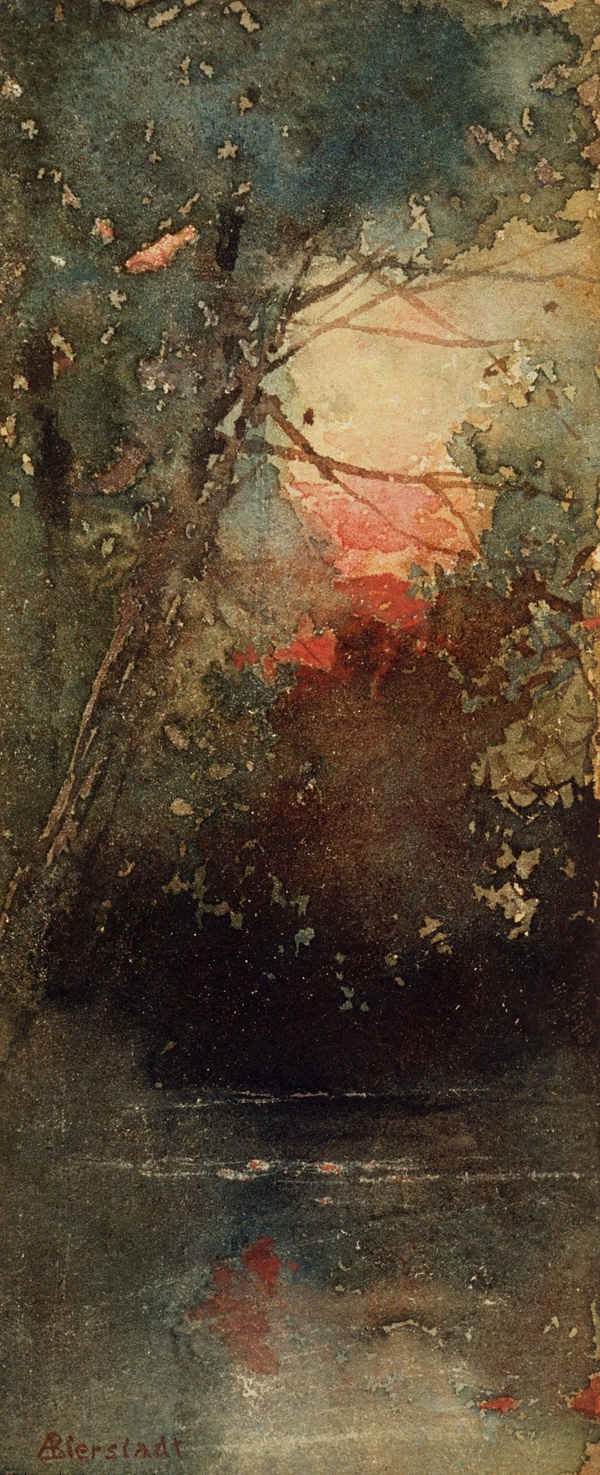
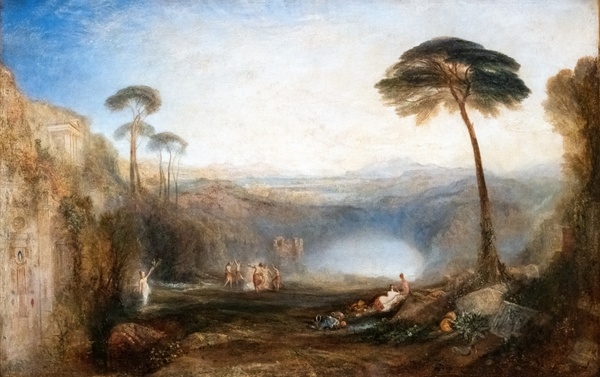
As day recedes, light performs its most poignant dances. John Frederick Kensett’s Sunset on the Sea offers an expanse of pure color and light, a meditative horizon. John Singer Sargent’s Sunset at Sea captures this warm, atmospheric drama with fluid watercolor strokes, while Albert Bierstadt’s Woodland Sunset filters the dying light through dense foliage. Turner returns with The Golden Bough, a mystical twilight scene, imbued with an otherworldly luminescence.
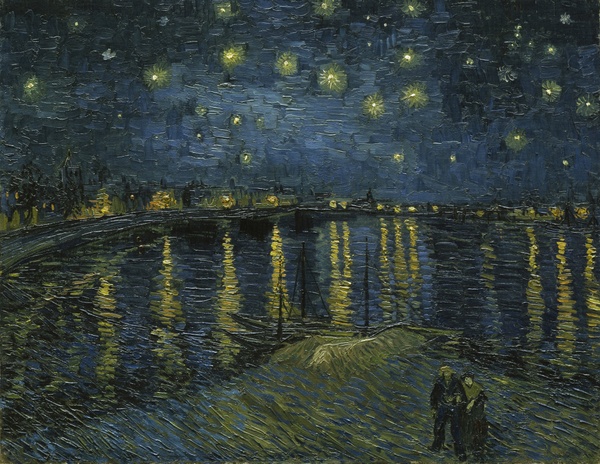
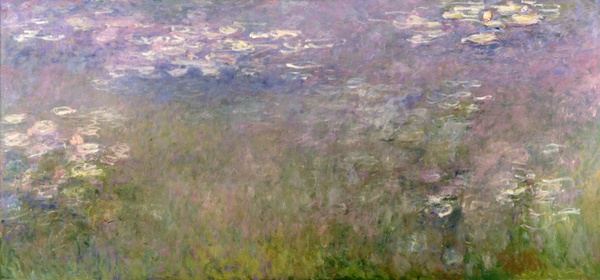
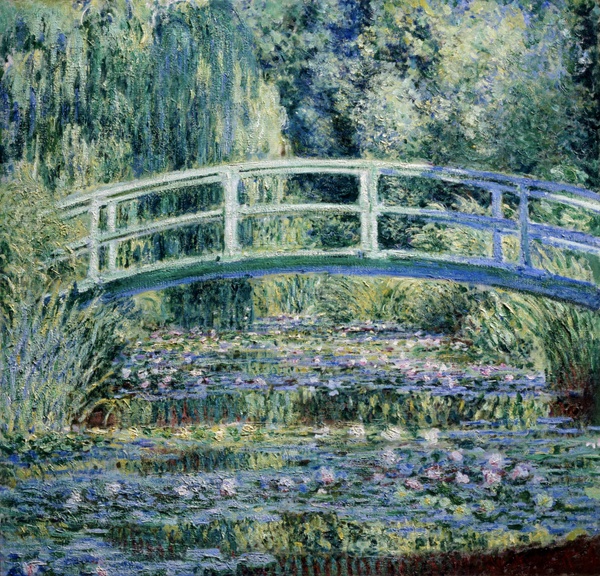
Night brings its own unique brilliance. Vincent van Gogh’s Starry Night Over the Rhône transforms celestial bodies and human-made lamps into swirling constellations of light and reflection, a vibrant dialogue between earth and sky. And on the surface of water, light finds its most fluid medium. Claude Monet’s profound Water Lilies series, represented here by both Water Lilies and Water Lilies (Nymphéas), dissolves solid form into shimmering reflections, turning the pond into an ethereal mirror where light plays with color, depth, and illusion.
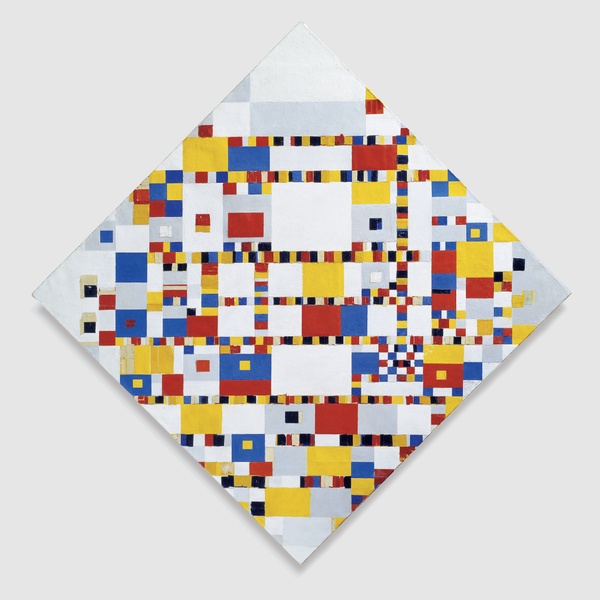
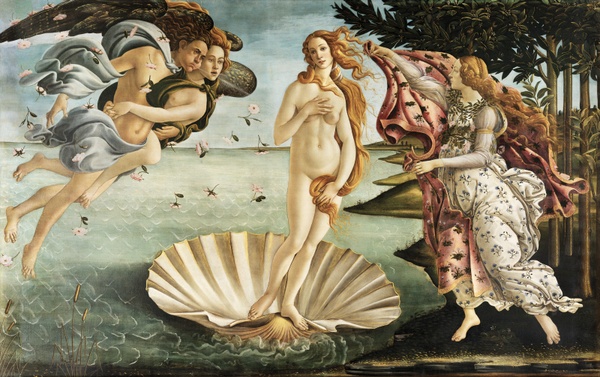
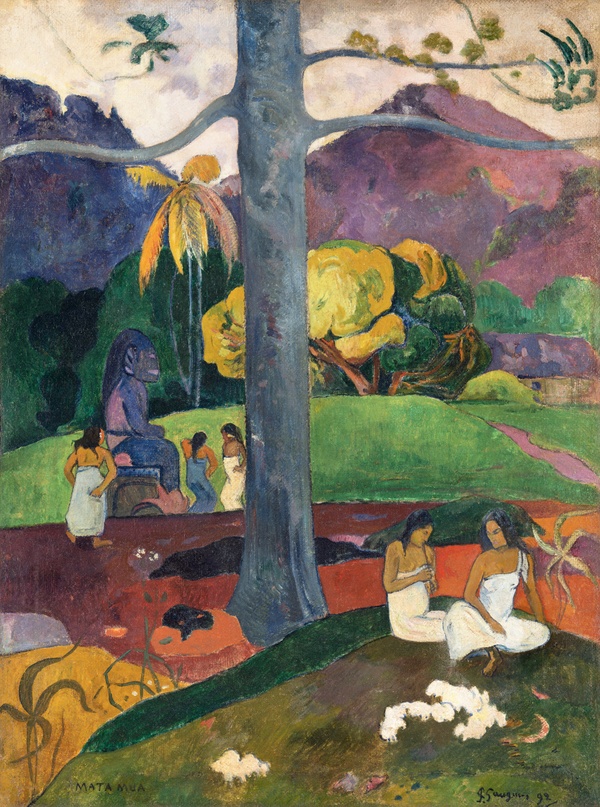
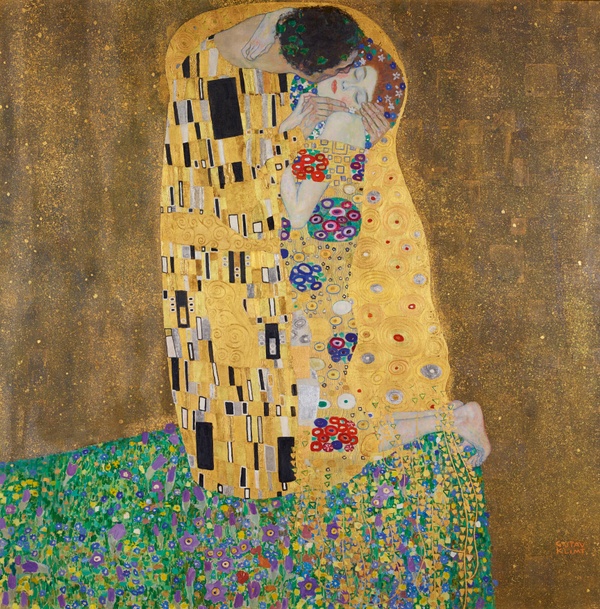
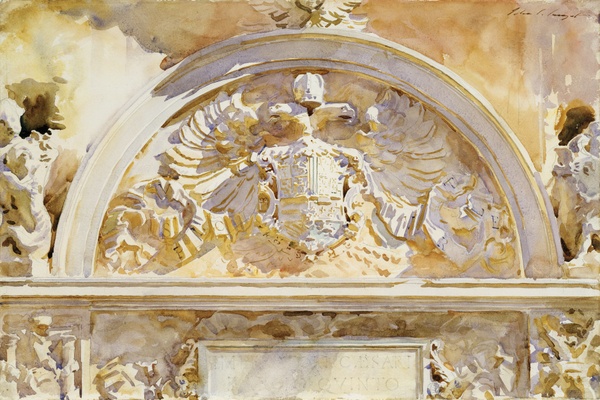
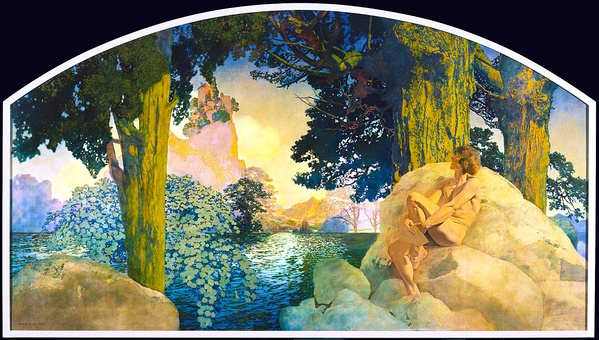
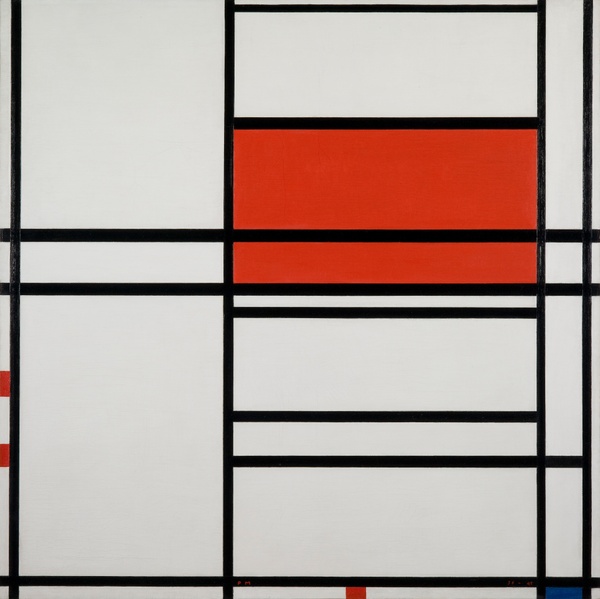
Finally, light transcends the purely observational, becoming symbolic, structural, and even divine. Sandro Botticelli’s The Birth of Venus bathes the goddess in an ethereal glow, her arrival a vision of pure, unblemished light. Paul Gauguin’s Mata Mua (In Olden Times) casts the light of an imagined ancient world upon indigenous rituals, imbuing the scene with a sacred aura. Gustav Klimt’s The Kiss (Der Kuss) envelops its figures in a dazzling, gold-leafed embrace, where light becomes a metaphor for transcendent love. John Singer Sargent's Escutcheon of Charles V of Spain demonstrates how light can bring historical detail to life. Maxfield Parrish’s Dream Castle in the Sky crafts an idealized, almost hyperreal landscape. Ultimately, Piet Mondrian, in Composition of Red and White: Nom 1 / Composition No. 4 with Red and Blue, distills light to its pure, geometric essence, where the interplay of color and form creates its own resonant luminosity.
Through these masterpieces, we witness light's endless manifestations: from the first hesitant glimmer to the deepest cosmic glow, from the intimate human gaze to the vastness of the sublime, from explicit representation to abstract essence. "The Breath of Light" reveals itself not as a static phenomenon, but as an active participant in our world, illuminating, concealing, inspiring, and perpetually redefining our vision.