The world of art, in its myriad forms, often invites us into grand narratives or sweeping landscapes. Yet, it is in the quiet spaces, the tender glances, and the solitary moments that art truly unveils "The Intimate Gaze: Where Every Detail Holds a Breath: The Quiet Poetry of Close Observation." This exhibition delves into the profound resonance found when artists turn their focus inward, capturing the delicate intricacies of human experience and the world around us.
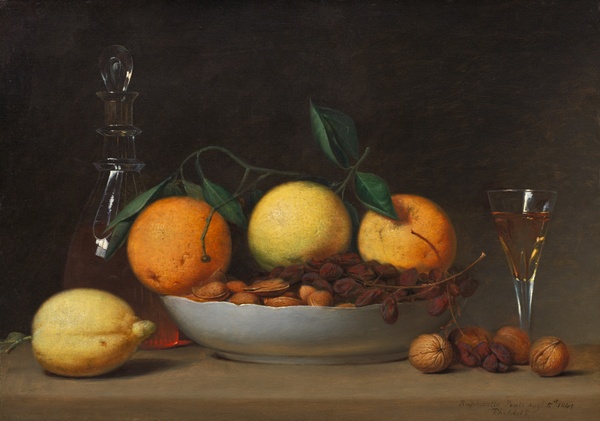
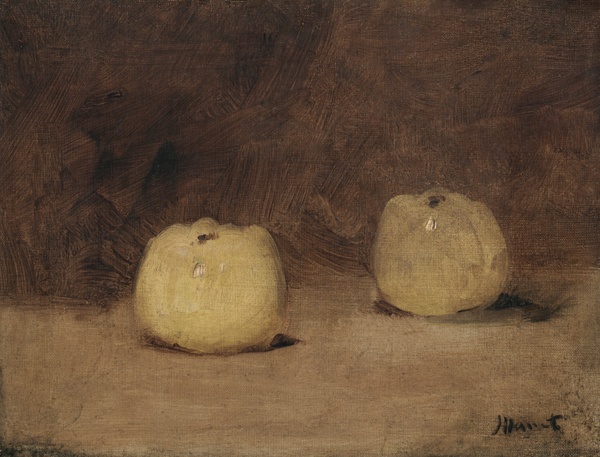
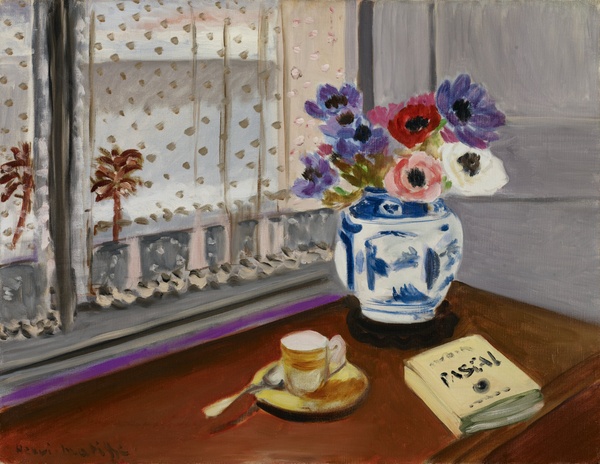
We begin not with faces, but with the quiet grandeur of the everyday. Raphaelle Peale’s A Dessert offers a testament to the beauty in the ephemeral, its shriveled grapes and luminous decanter rendered with a precision that elevates the mundane to the sublime. Similarly, Édouard Manet’s Still Life with Two Apples distills form and color to their pure essence, demanding our focused attention on objects often overlooked. Henri Matisse’s Still Life with Pascal's Pensées deepens this, weaving personal objects with an implied intellectual life, hinting at the intimate world of the owner.
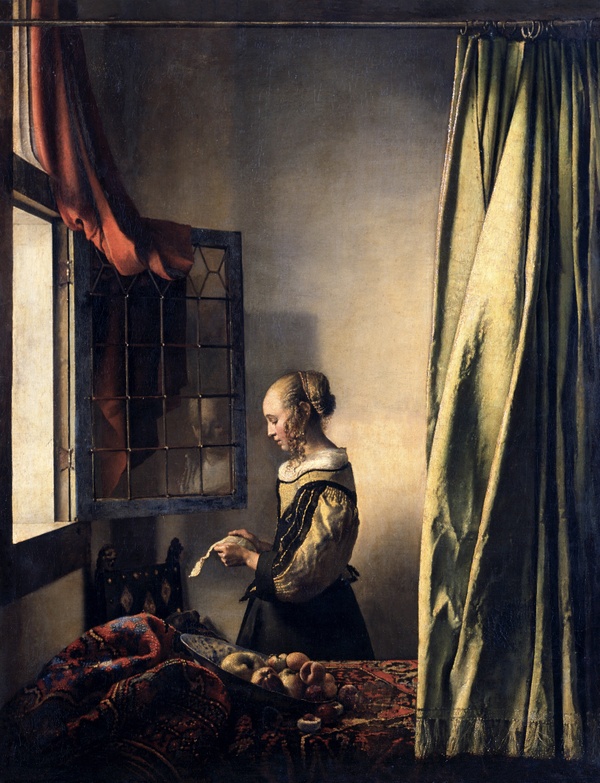
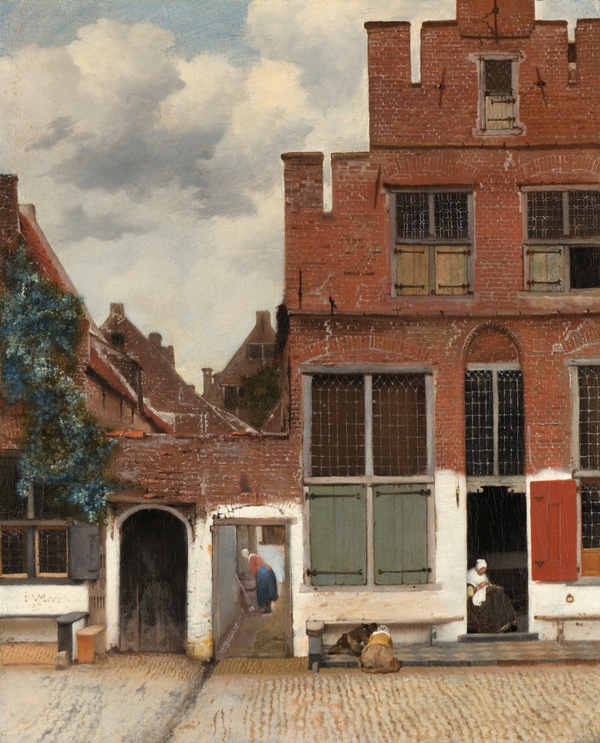
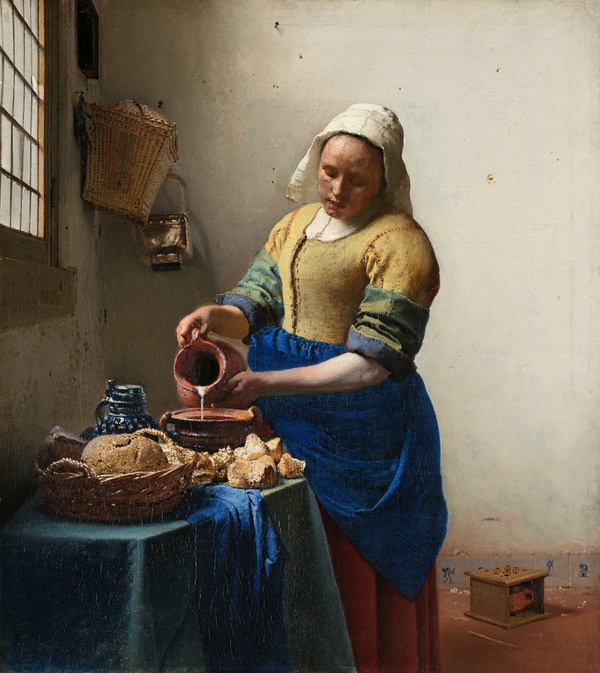
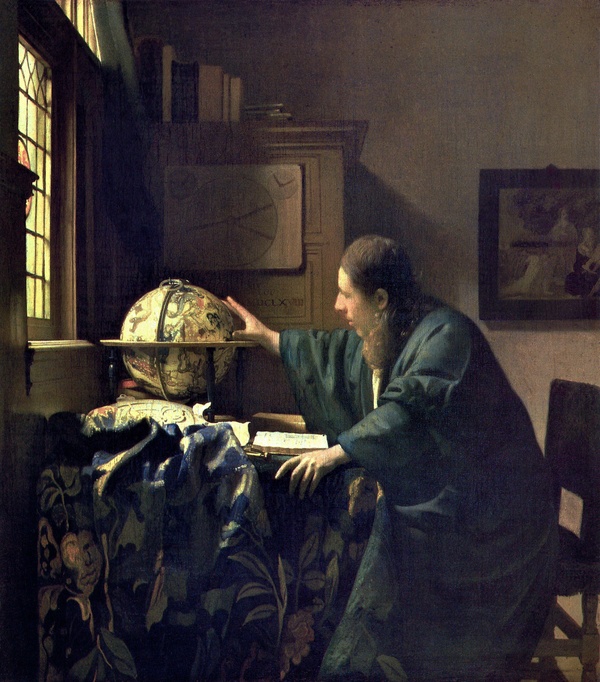
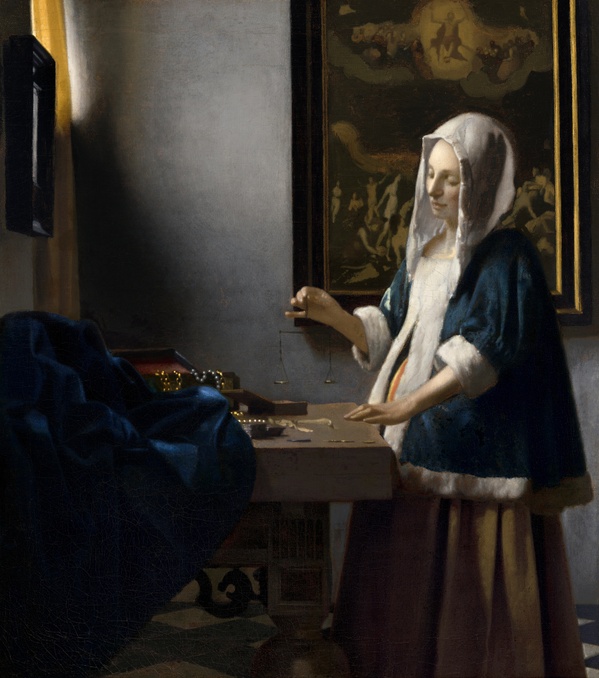
From these distilled forms, we venture into intimate spaces. Johannes Vermeer, master of domestic tranquility, reveals the soul of Dutch life. In The Little Street (Het Straatje), sun-drenched facades and absorbed figures hint at lives unfolding behind closed doors. We step indoors to observe The Milkmaid, whose unwavering concentration on her simple task elevates her to a figure of quiet dignity. Vermeer then takes us into the intellectual realm with The Astronomer, a solitary figure lost in celestial contemplation, and further into introspection with Woman Holding a Balance, where a moment of quiet judgment seems to reflect a deeper moral equilibrium.
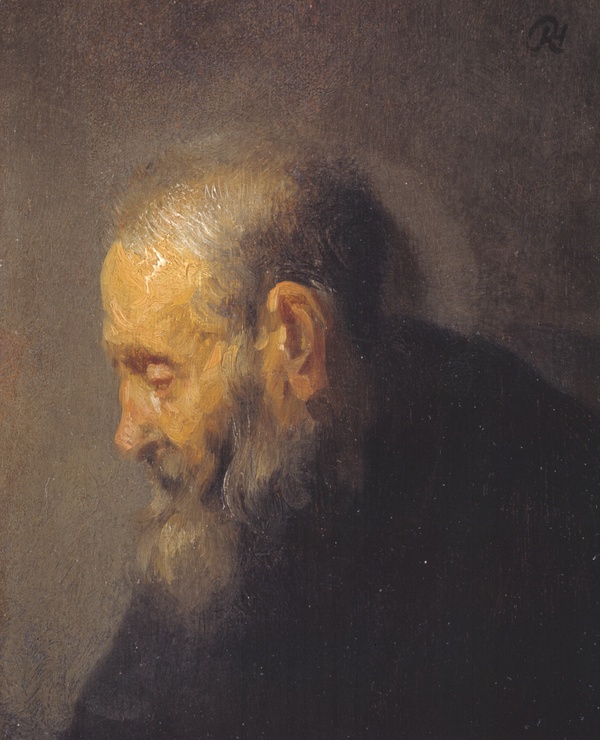
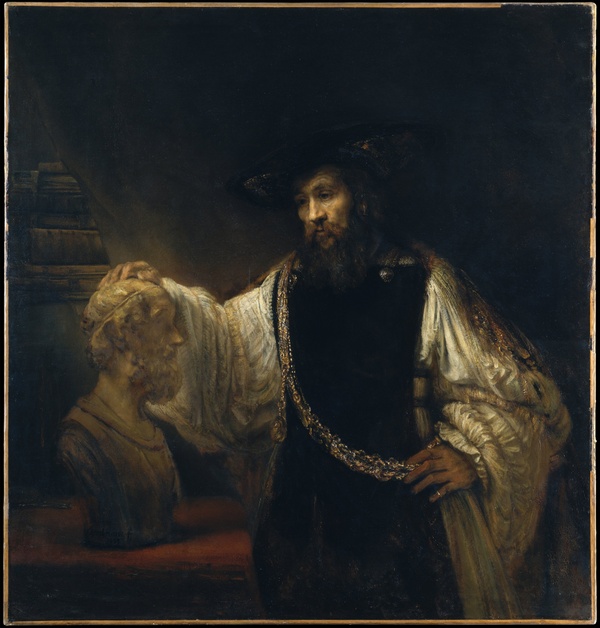
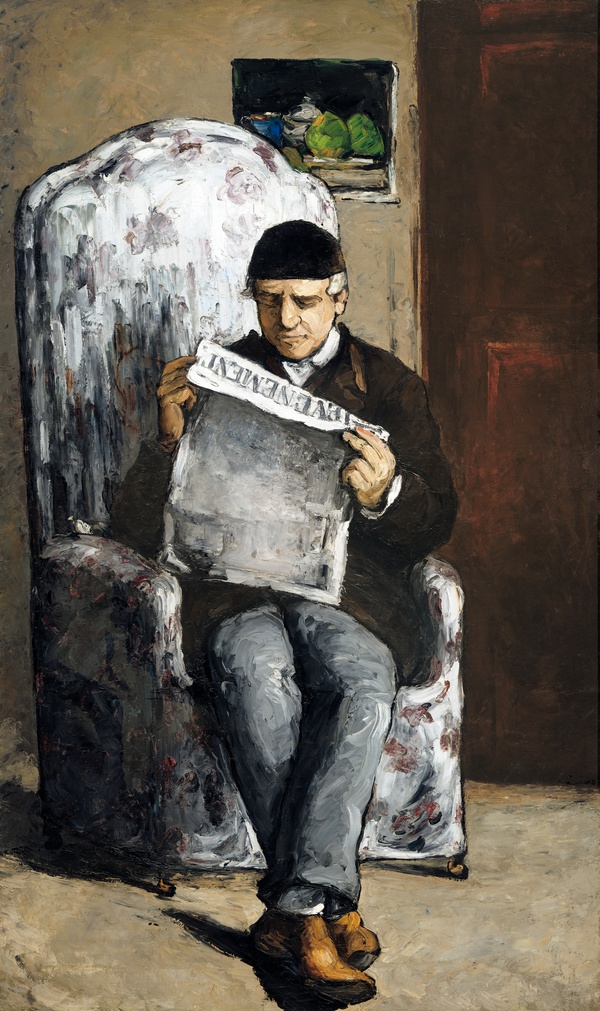
Rembrandt van Rijn, with his profound studies of human character, brings us closer still. His Study of an Old Man in Profile is a window into a life lived, etched with the wisdom and burdens of age. This profound contemplation extends to Aristotle with a Bust of Homer, an intellectual intimacy transcending time. Paul Cézanne offers a personal echo in The Artist's Father, Reading "L'Événement", a powerful portrait of familial quietude.
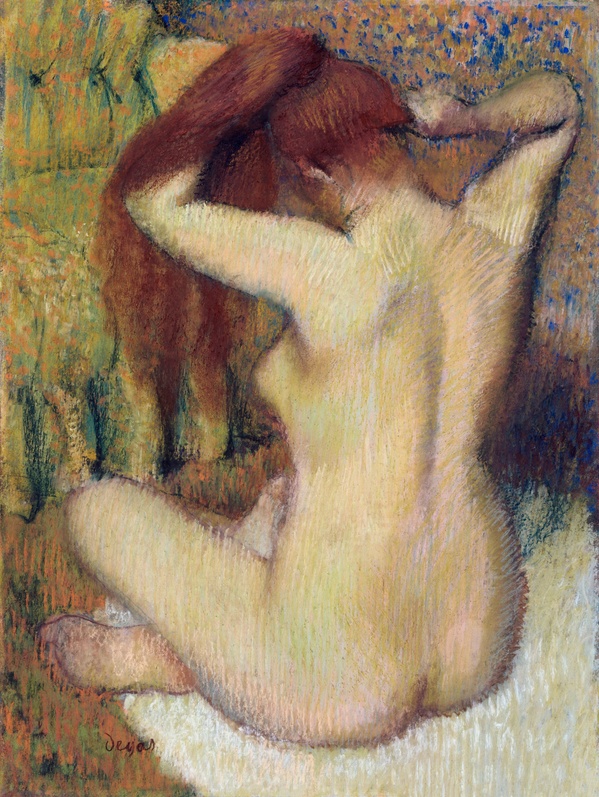
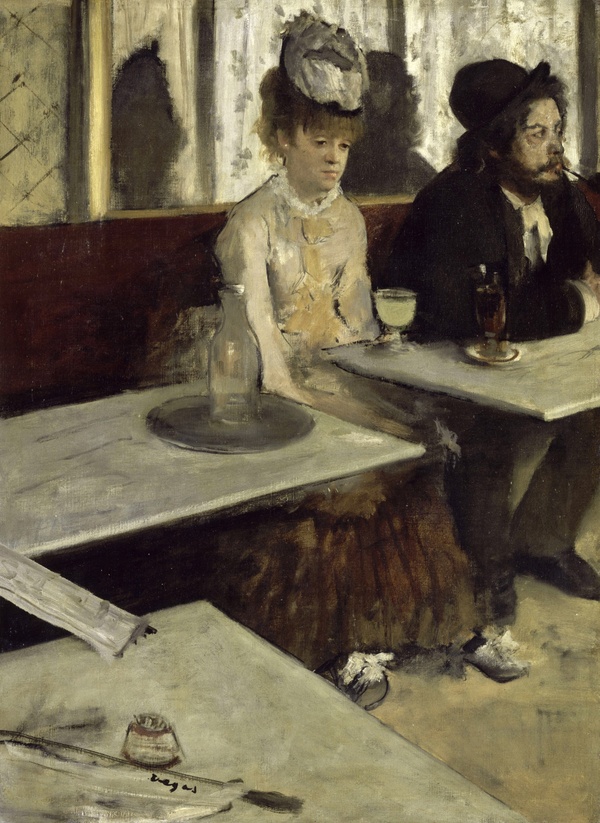
The veil of privacy is gently lifted in Edgar Degas’ Woman Combing Her Hair, a candid capture of a private ritual, devoid of artifice. Yet, intimacy can also be a poignant absence. Degas’ L'Absinthe (In a Café) presents a profound isolation, two figures sharing a space yet worlds apart, their gazes vacant, a powerful commentary on modern alienation.
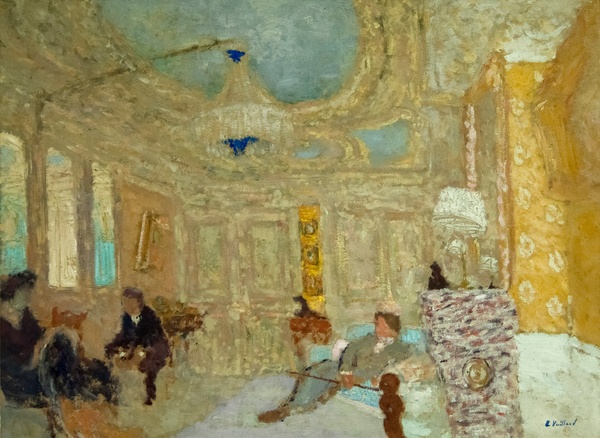
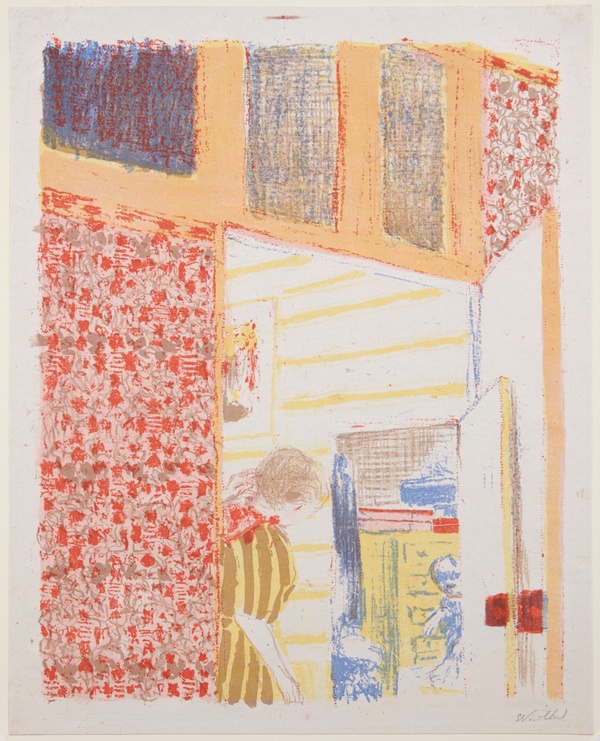
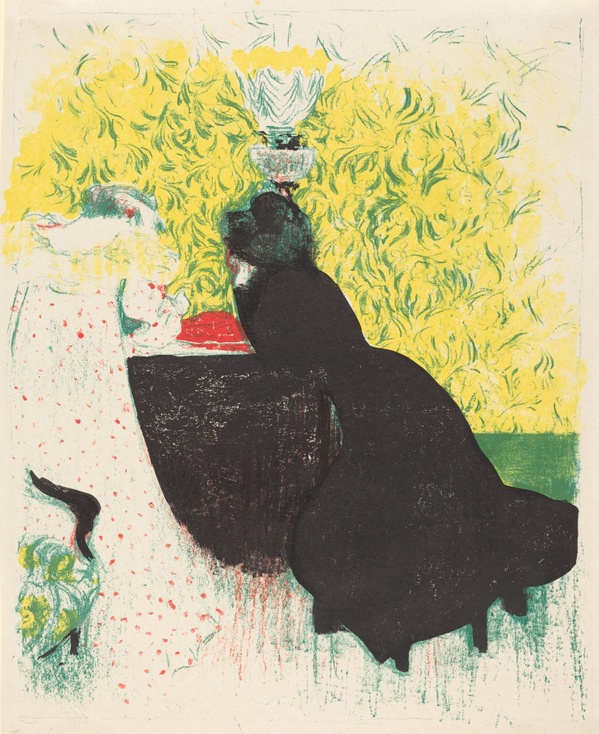
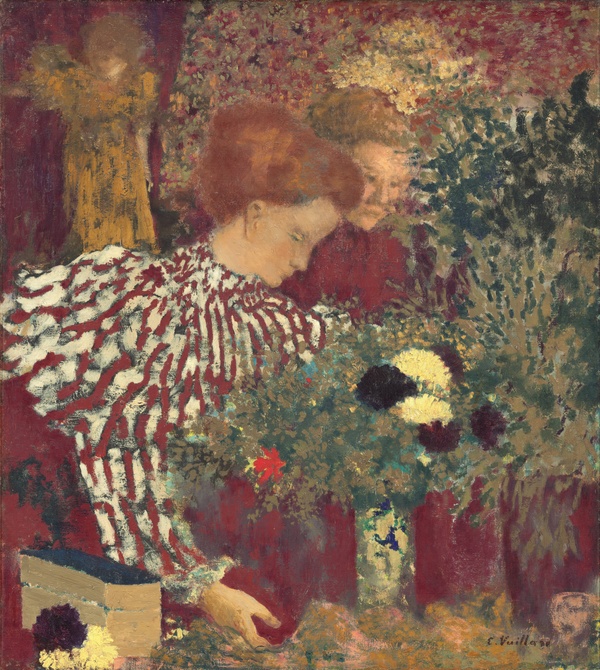
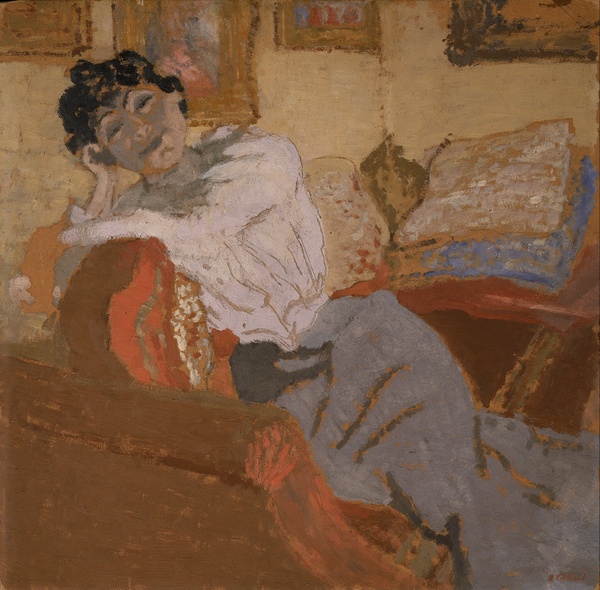
Édouard Vuillard, the Nabi painter, draws us into richly patterned interiors where figures are absorbed into their surroundings, blurring the lines between presence and environment. In the Waiting Room evokes a hushed anticipation. Landscapes and Interiors: Interior with Pink Wallpaper further integrates the figure into the decorative fabric of the domestic realm, a quiet symphony of color and form. In Two Sisters-in-Law (Les deux belles-soeurs), familial connection is hinted at within the enveloping patterns. Vuillard's gaze then shifts to more direct engagement in Woman in a Striped Dress and the welcoming smile of his muse in Madame Hessel au Sofa, inviting us further into his personal world.
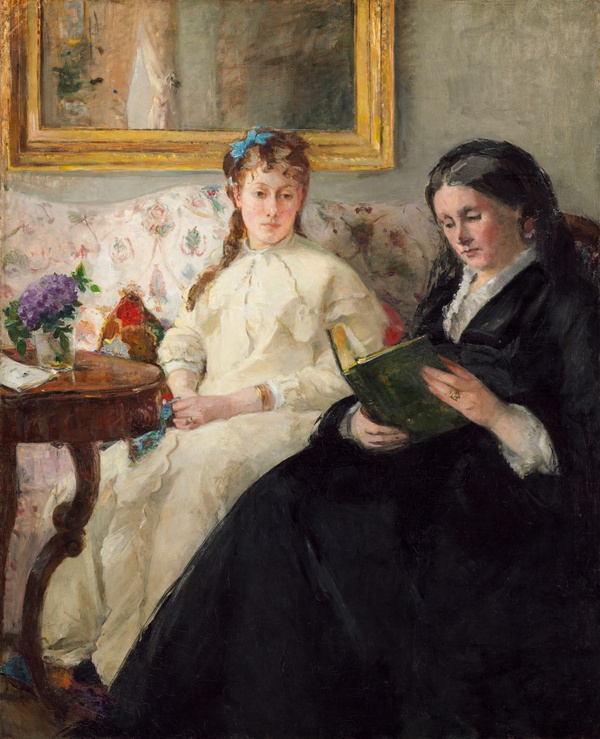
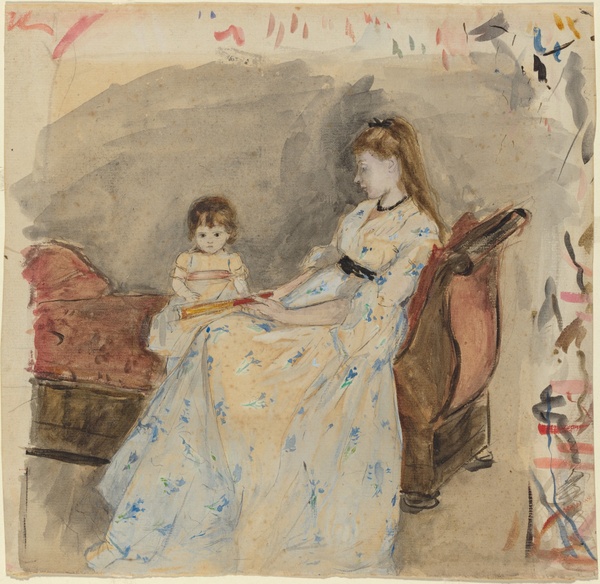
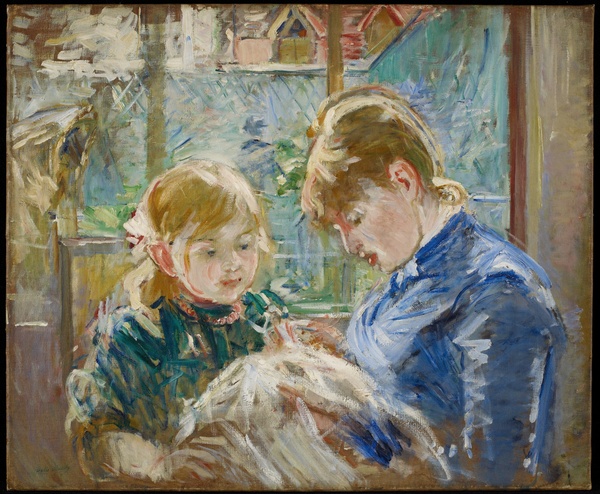
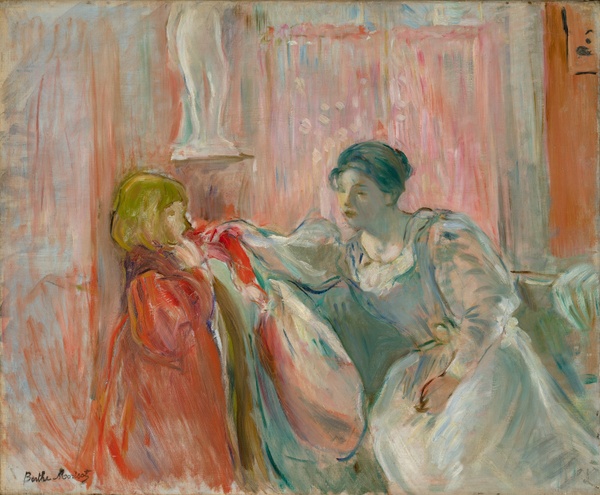
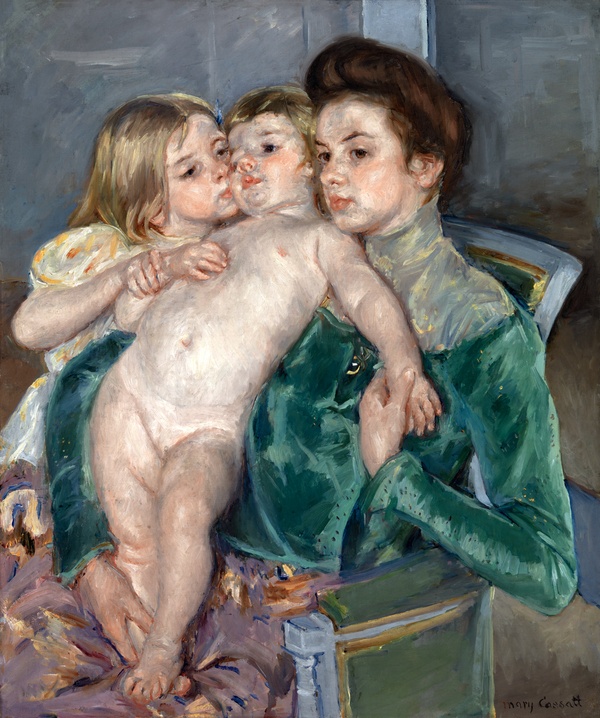
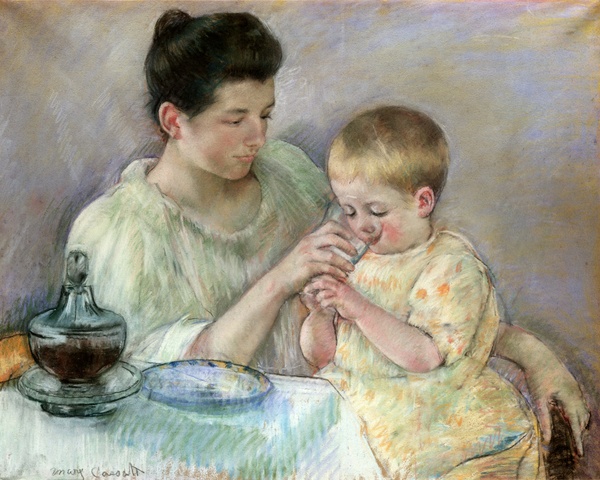
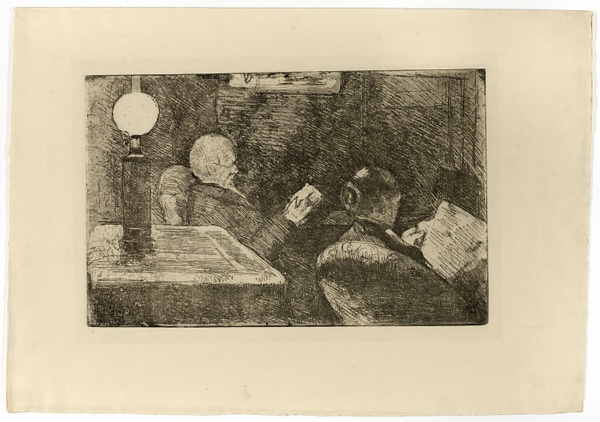
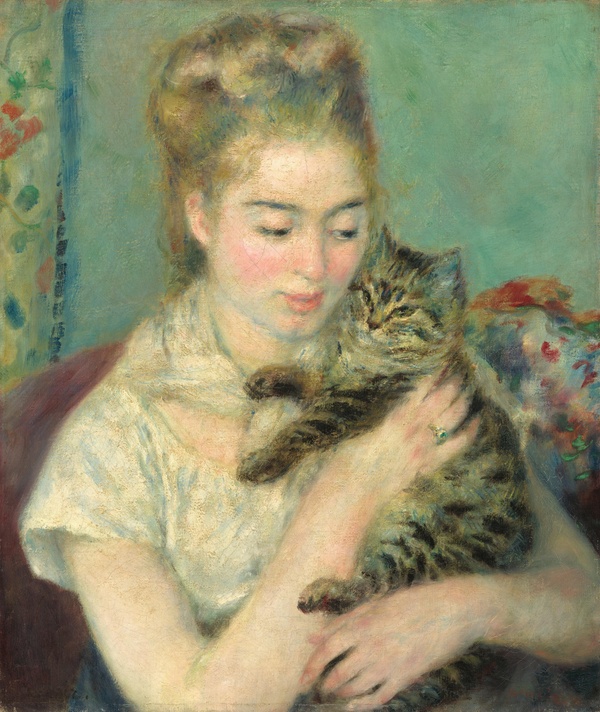
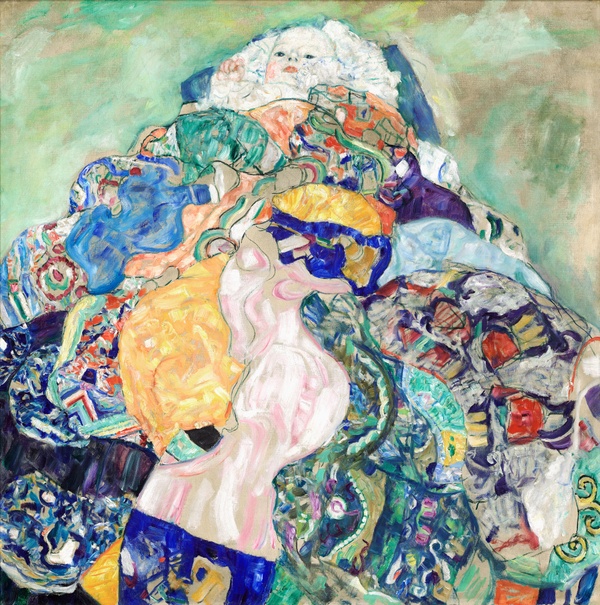
The maternal bond, a universal wellspring of intimacy, is celebrated by Berthe Morisot and Mary Cassatt. Morisot’s delicate touch renders The Mother and Sister of the Artist with luminous sensitivity, extending to The Artist's Sister, Edma, with Her Daughter, Jeanne and The Artist's Daughter, Julie, with her Nanny, capturing the tender interactions of childhood. Her Young Woman and Child further emphasizes this quiet, nurturing bond. Cassatt, the definitive painter of mother and child, offers The Caress, a timeless embrace, and the fundamental act of Mother Feeding Child. She also portrays the serene companionship of her elders in Mr. and Mrs. Cassatt Reading. Pierre-Auguste Renoir's Woman with a Cat adds a touch of playful affection, an intimate bond between human and animal. Gustav Klimt’s Baby (Cradle) wraps an infant in a tapestry of warmth, a vision of pure, vulnerable innocence.
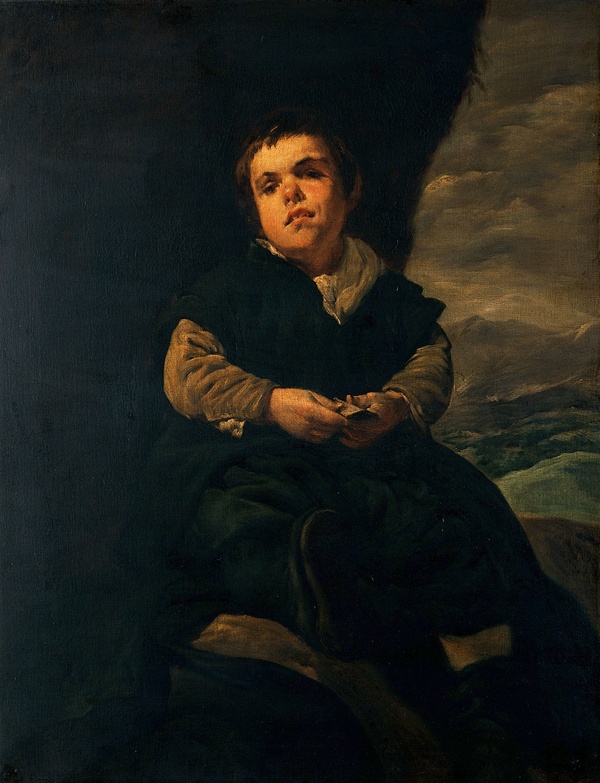
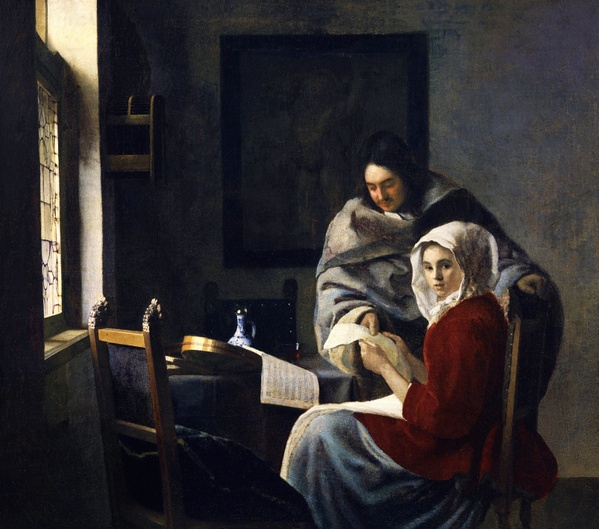
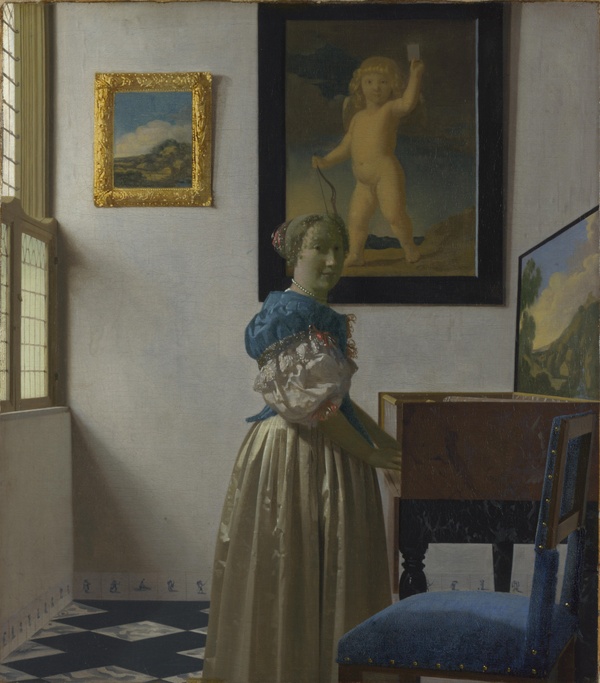
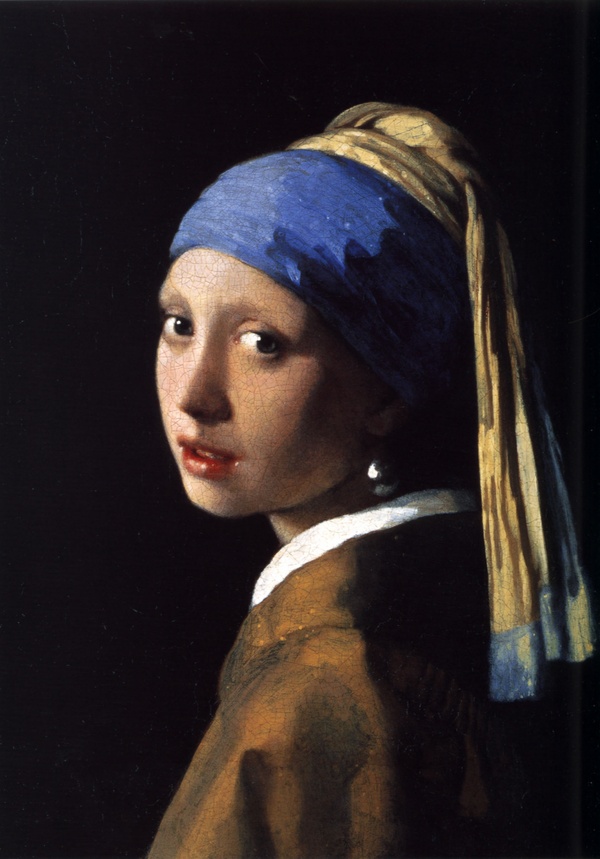
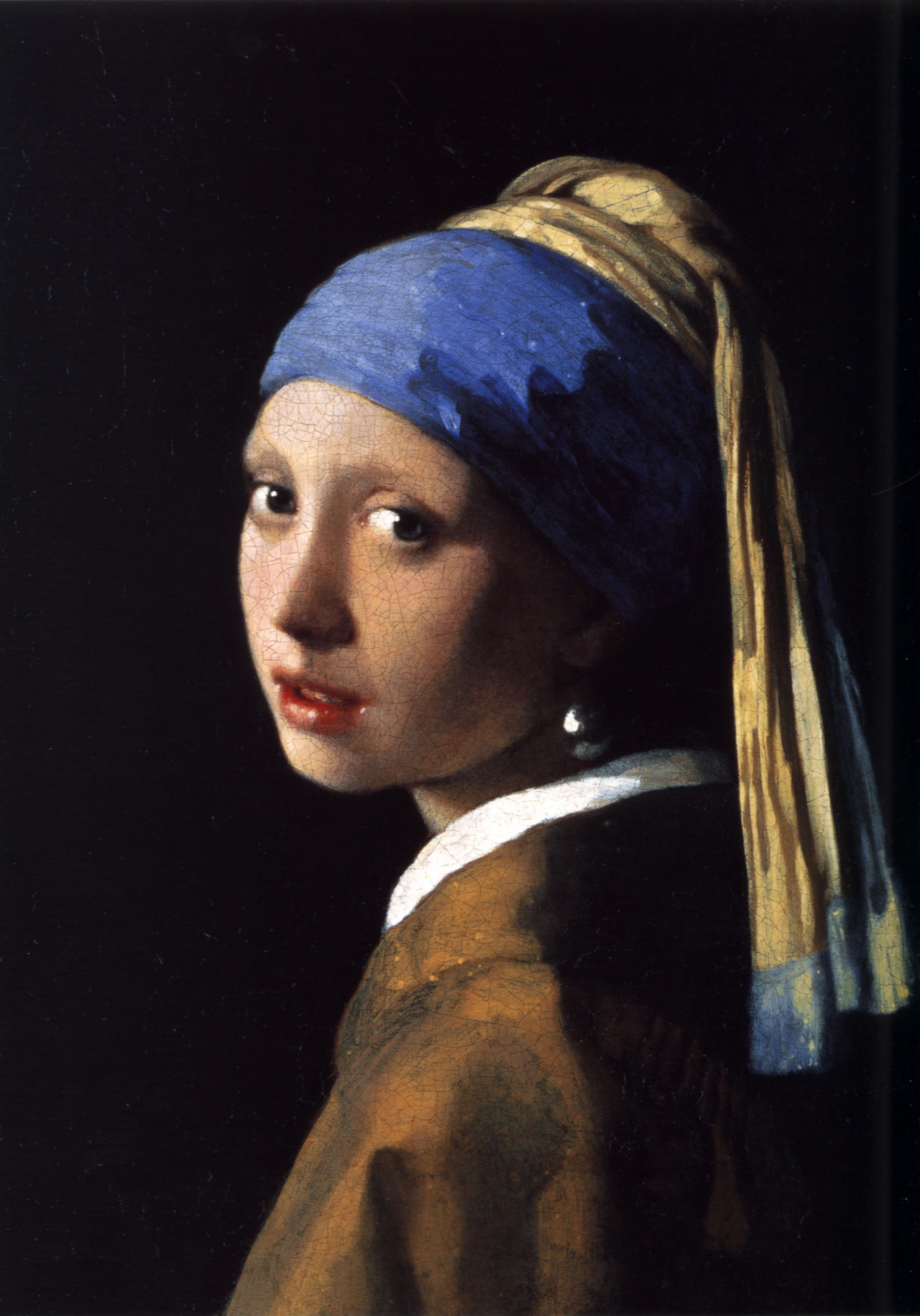
Finally, we confront the direct gaze, an invitation to connection that transcends time. Diego Velázquez’s The Dwarf Francisco Lezcano, "El Niño de Vallecas" offers a remarkably empathetic and forthright portrait, stripping away courtly pretense to reveal the man. And then, the unparalleled master of the direct encounter, Johannes Vermeer, who crafts moments of profound stillness. Girl Interrupted at Her Music catches us mid-moment, a shared glance across centuries. A Young Woman Standing at a Virginal meets our eyes with a knowing, subtle smile. The exhibition culminates with the enigmatic and universally beloved Girl with a Pearl Earring, her luminous gaze fixed eternally upon us, a silent question, a shared secret, the quintessential intimate encounter. Through these works, "The Intimate Gaze" reminds us that true connection often resides not in grand gestures, but in the profound beauty of close observation, where every detail truly holds a breath.