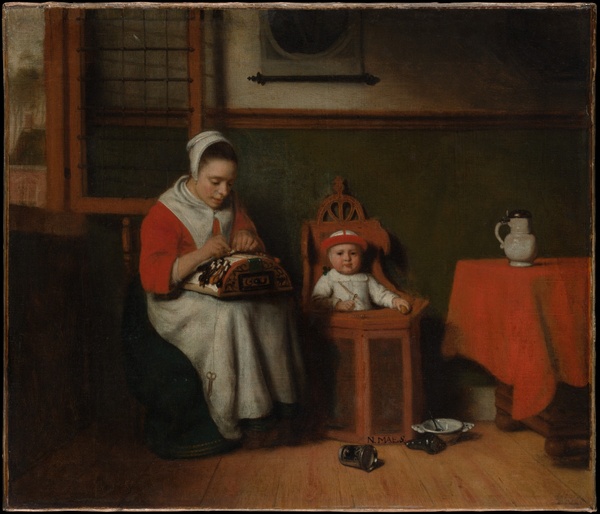
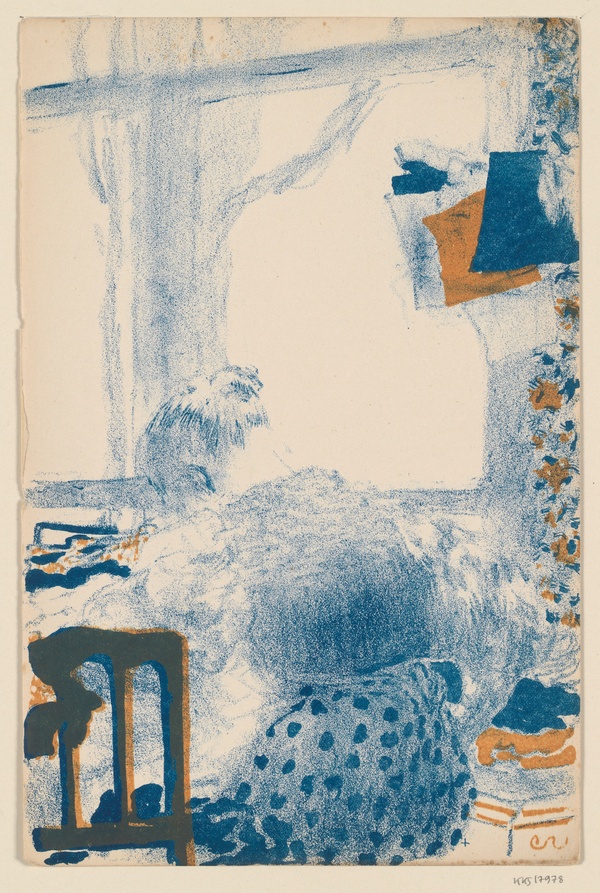
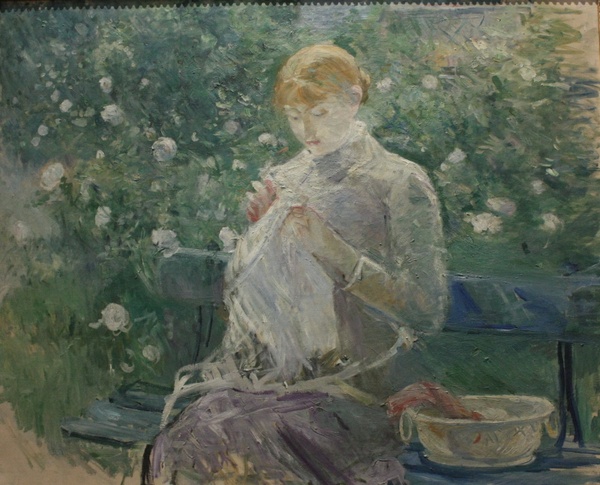
To speak of a weaver's palette is not merely to invoke threads and looms, but to consider the very warp and weft of artistic creation—the intricate assembly of elements, colors, and forms that coalesce into a cohesive whole, much like a master storyteller weaves a tale. Our journey begins in the quiet intimacy of domestic industry, where the hands of creation are most tangible. We first encounter Nicolaes Maes's focused subject in The Lacemaker, her delicate fingers a blur of motion, meticulously knotting and twisting threads to conjure beauty from nothingness. Nearby, Édouard Vuillard's La Couturière (The Dressmaker) reveals a figure absorbed in the quiet artistry of fabric and form, shaping the world one stitch at a time. The Impressionist brush of Berthe Morisot captures a similar serene dedication in Pasie Sewing in Bougival's Garden, where nature's verdant tapestry frames a moment of human craft.
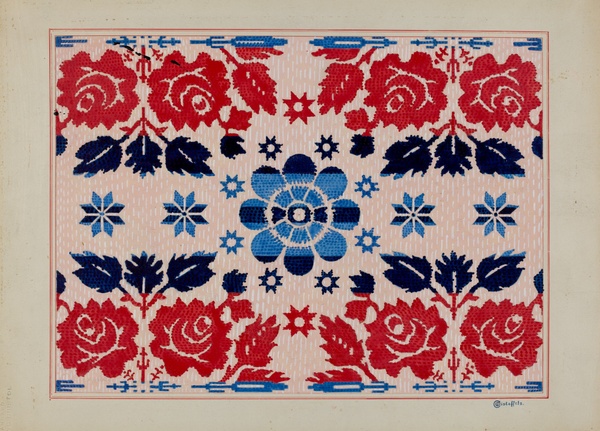
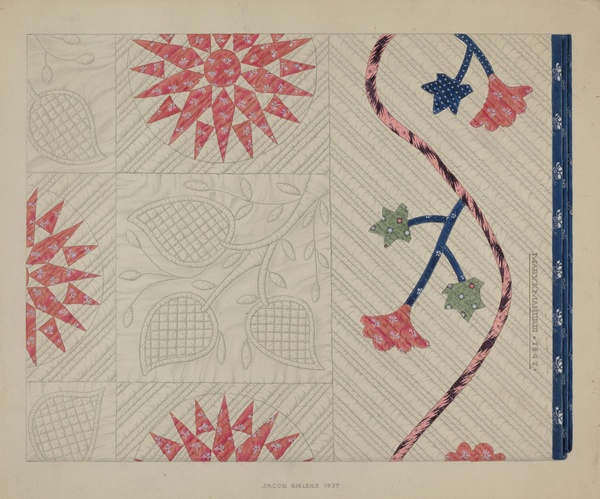
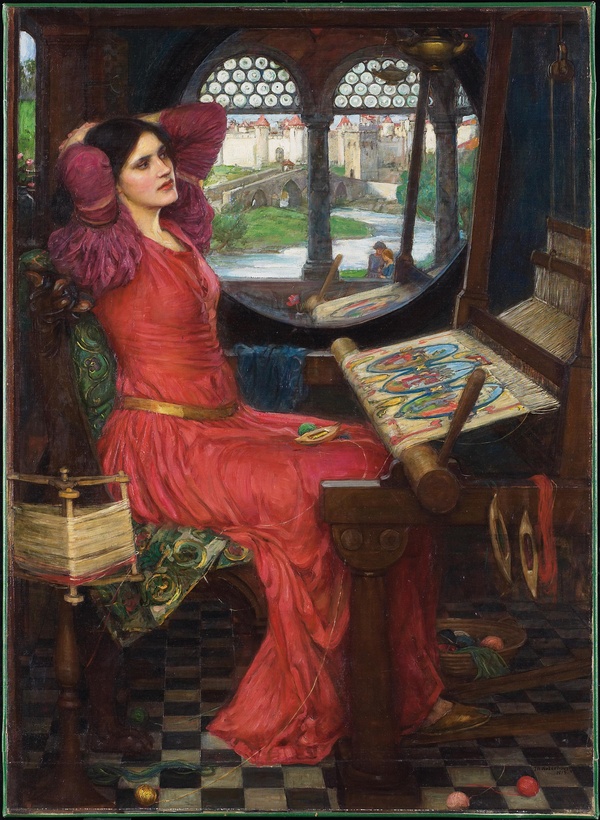
These acts of domestic creation find their tangible echoes in the exquisite renderings of American folk art. Cornelius Christoffels's Coverlet and Jacob Gielens's Quilt are not just studies of textiles; they are celebrations of heritage, pattern, and the humble grandeur of everyday beauty, each stitch a narrative, each patch a memory. Yet, the loom can also be a site of yearning, as seen in John William Waterhouse's poignant depiction, "I am half sick of shadows," said the Lady of Shalott. Here, the act of weaving becomes a metaphor for confinement and creative struggle, her own life entwined with the magic she painstakingly produces.
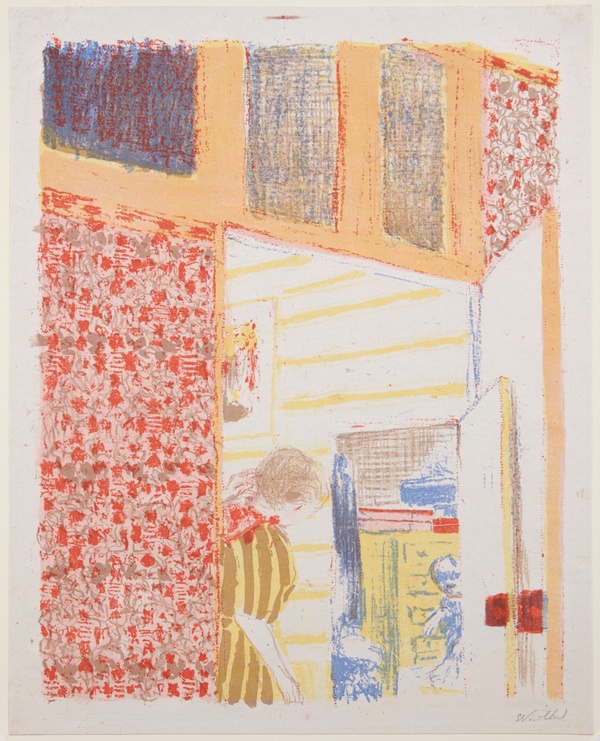
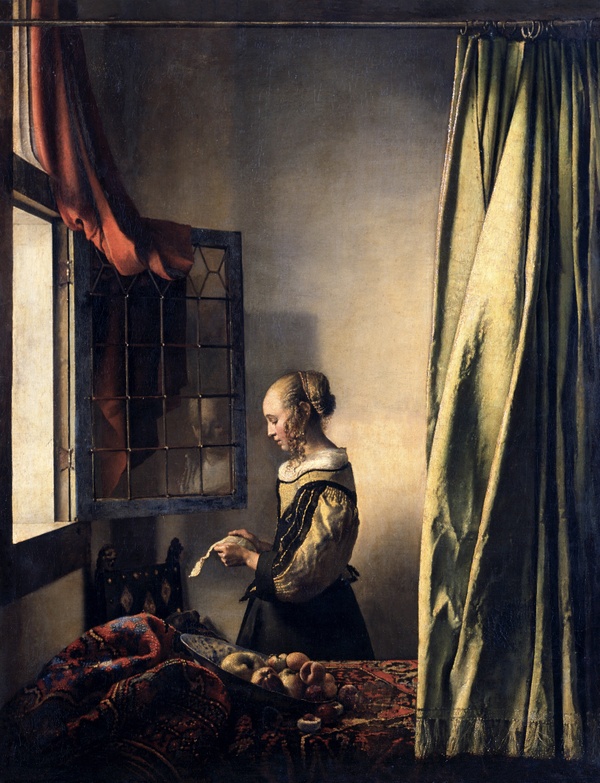
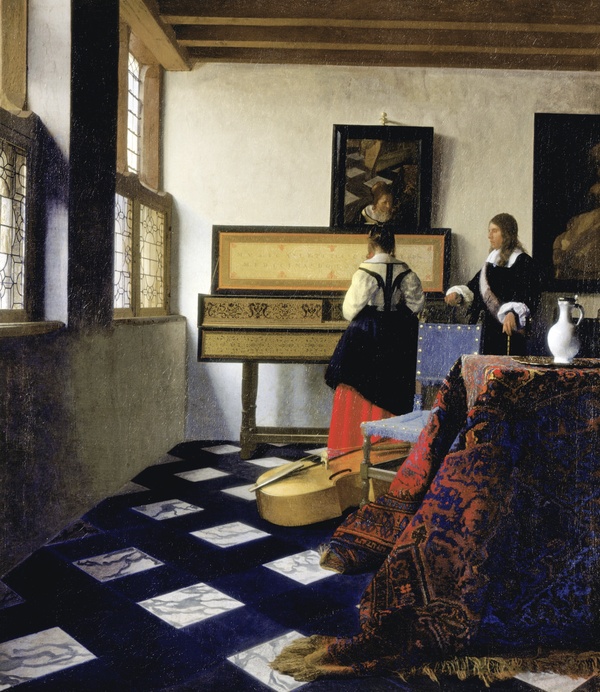
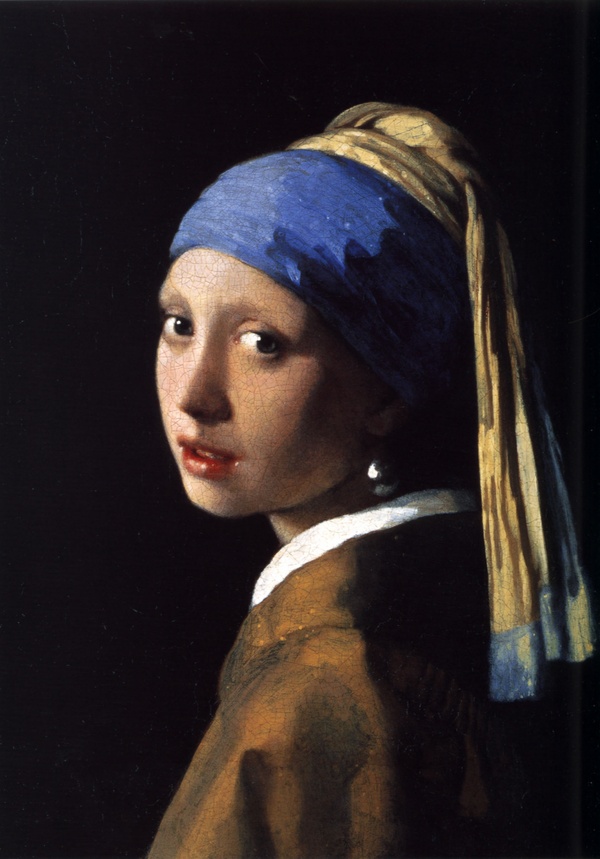
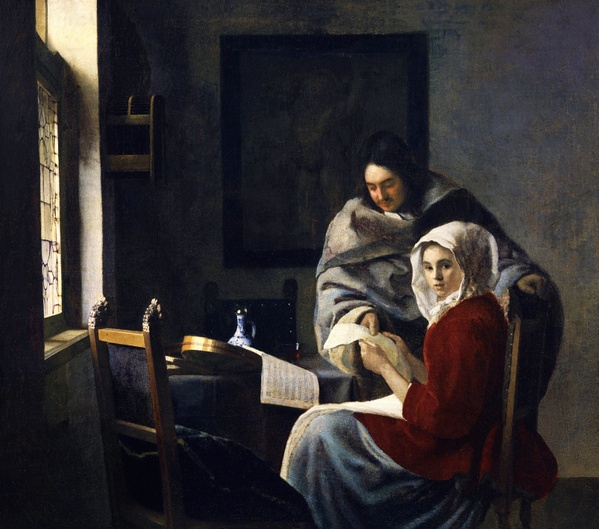
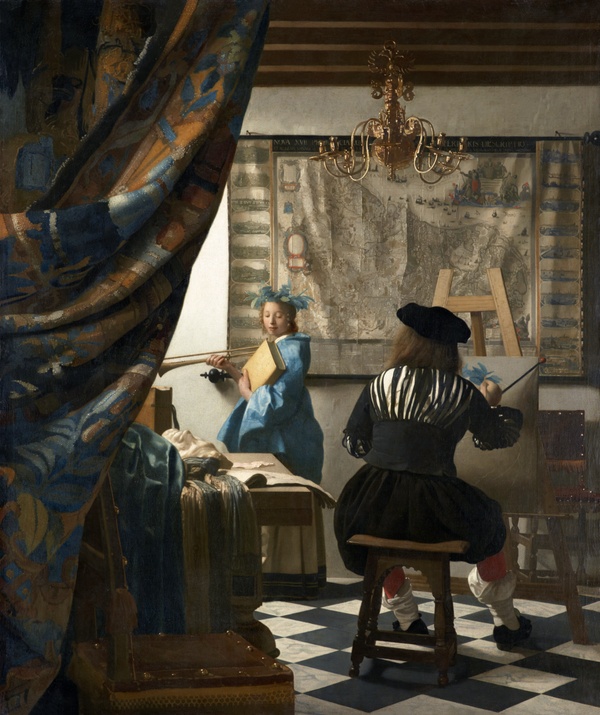
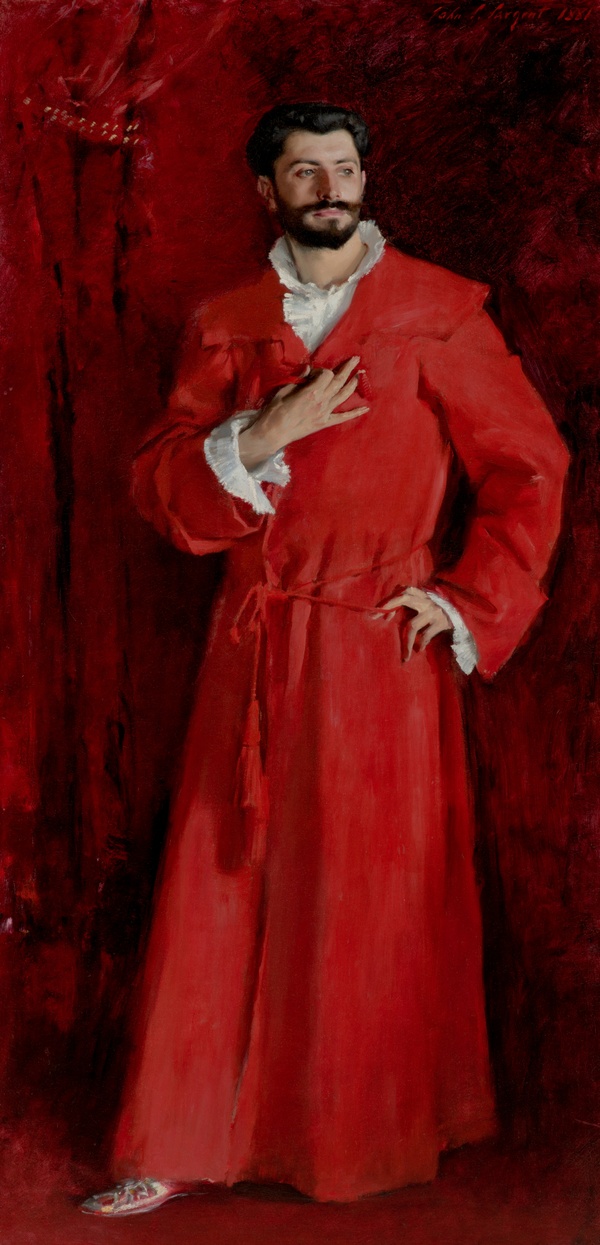
As we move beyond the literal act of weaving, the exhibition opens into interiors where pattern becomes paramount. Édouard Vuillard, a master of the intimate, transforms domestic spaces into symphonies of color and motif. His Landscapes and Interiors: Interior with Pink Wallpaper dissolves the boundaries between subject and setting, showing how our surroundings—like woven fabrics—define and envelop us. Johannes Vermeer, with his unparalleled command of light and texture, invites us into Dutch Golden Age homes. The richly draped table in Girl Reading a Letter at an Open Window, the detailed tapestry on the wall in The Music Lesson (A Lady at the Virginals with a Gentleman), or the sumptuous garments worn by the enigmatic subject of Girl with a Pearl Earring and the pensive figure in Girl Interrupted at Her Music—all speak to a world articulated through luxurious textiles. Even the symbolic depths of his Allegory of the Catholic Faith are rendered with an almost palpable texture of fabric and form. John Singer Sargent’s dramatic Dr. Pozzi at Home, with its voluminous scarlet robe, further emphasizes how cloth can define character and presence.
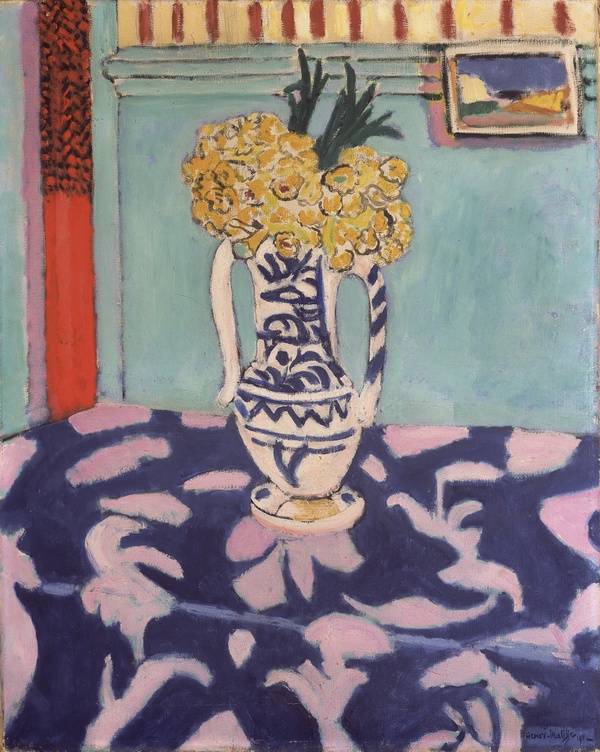
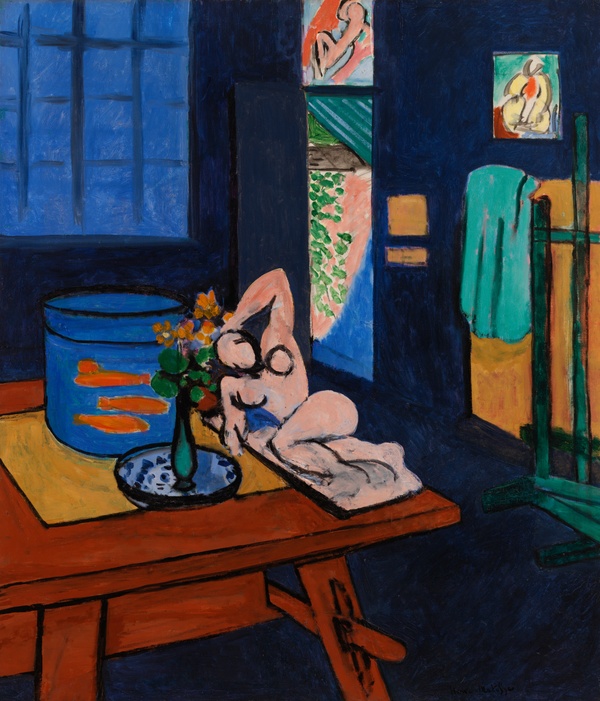
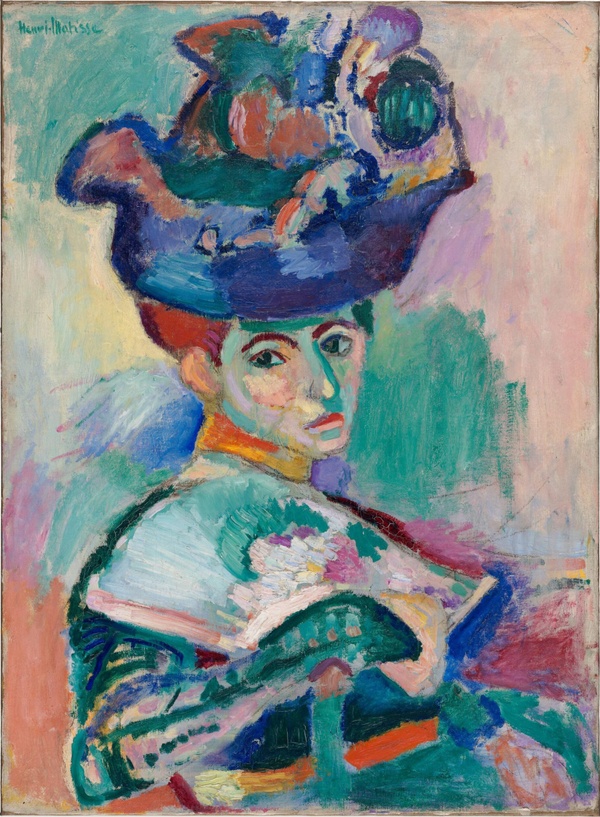
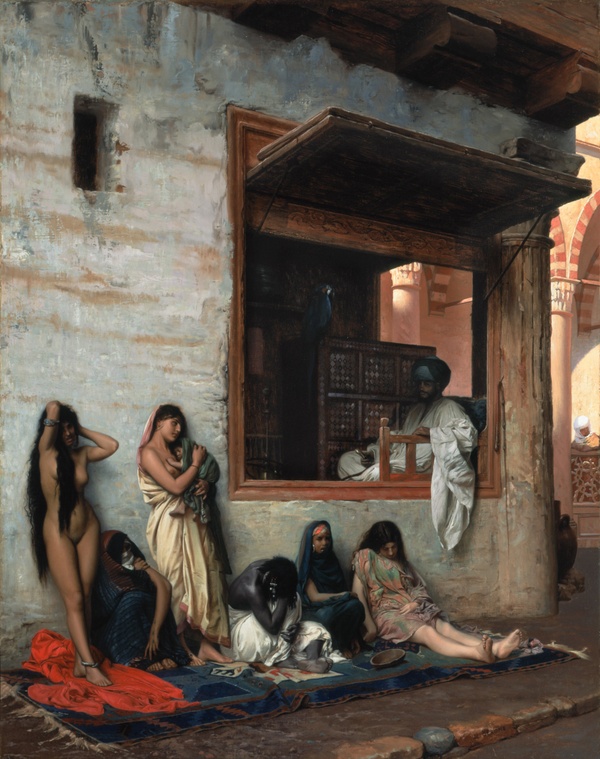
Henri Matisse elevates pattern to an expressive language. In Les coucous, tapis bleu et rose, the very title acknowledges the central role of the patterned cloth, while Studio with Goldfish (L'Atelier aux poissons rouges) layers vibrant motifs, turning domestic scenes into bold compositional statements. Even the audacious brushwork and clashing colors of Woman with a Hat (Femme au chapeau) evoke a tapestry of modern rebellion. Jean-Léon Gérôme’s The Slave Market, too, uses intricate drapery and robes to define its figures and setting, a testament to the pervasive presence of woven goods across cultures.
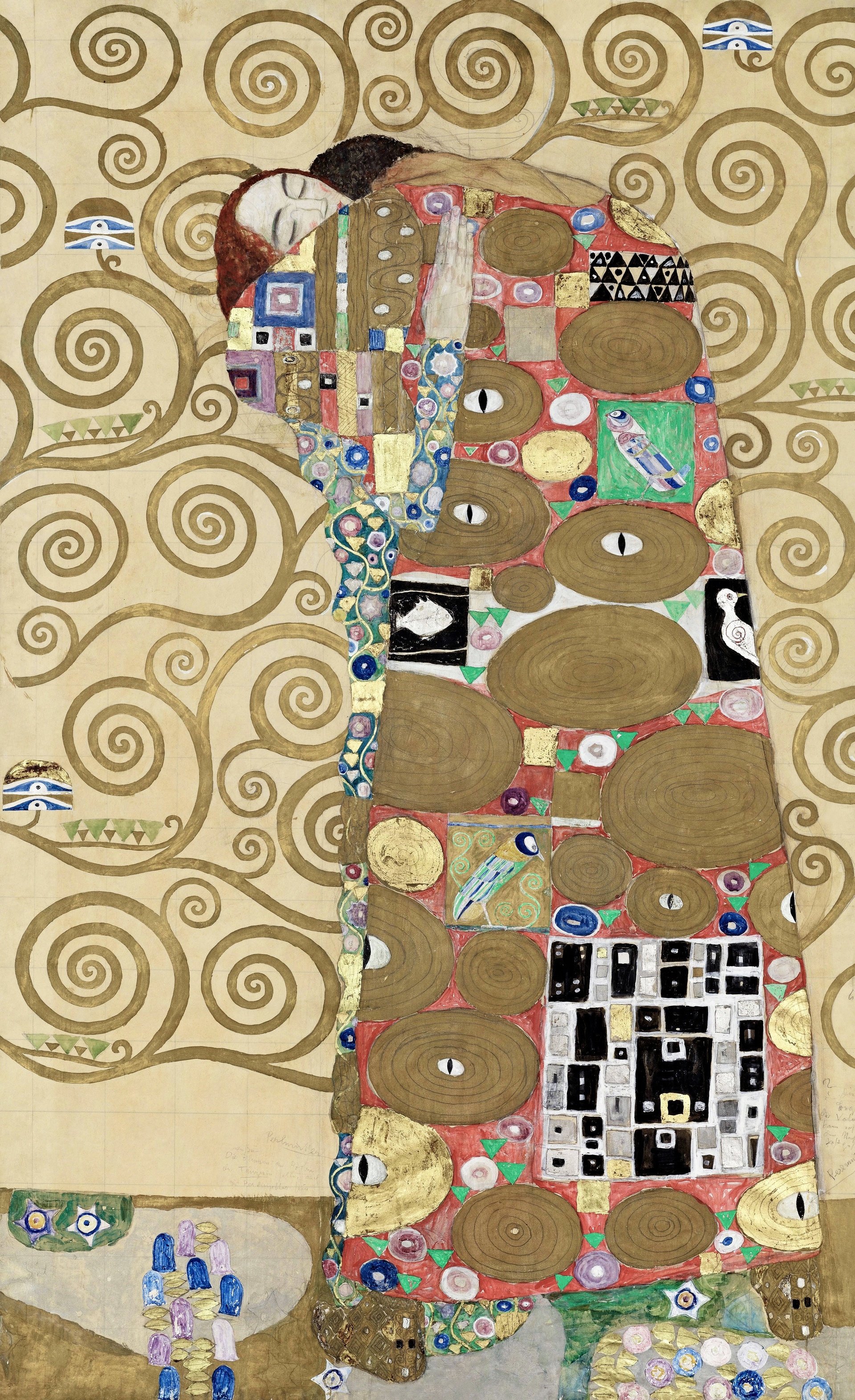
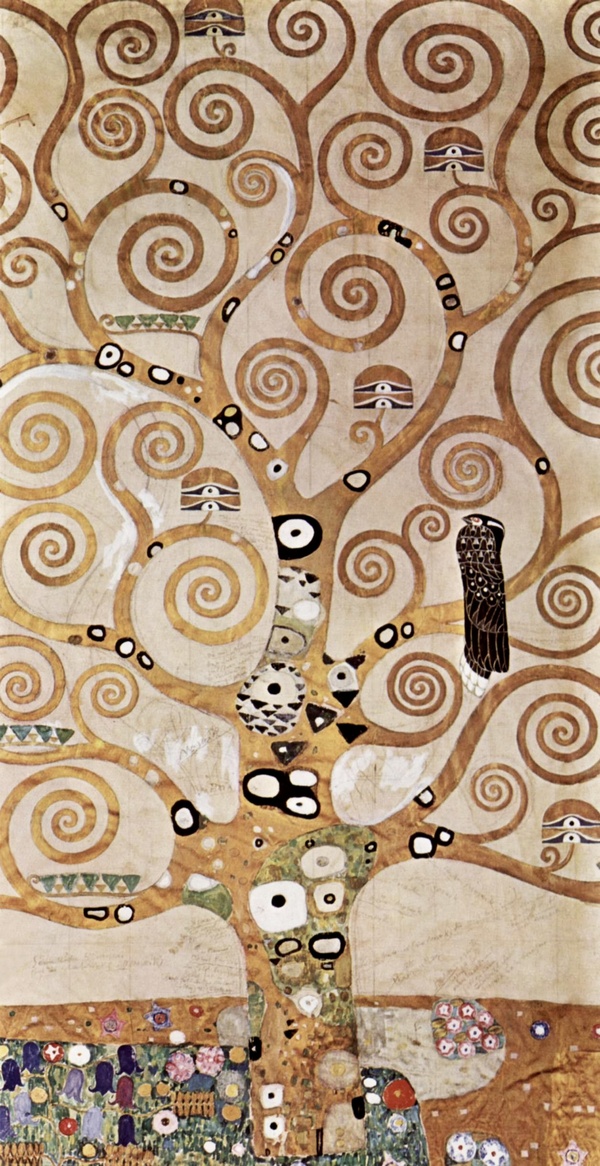
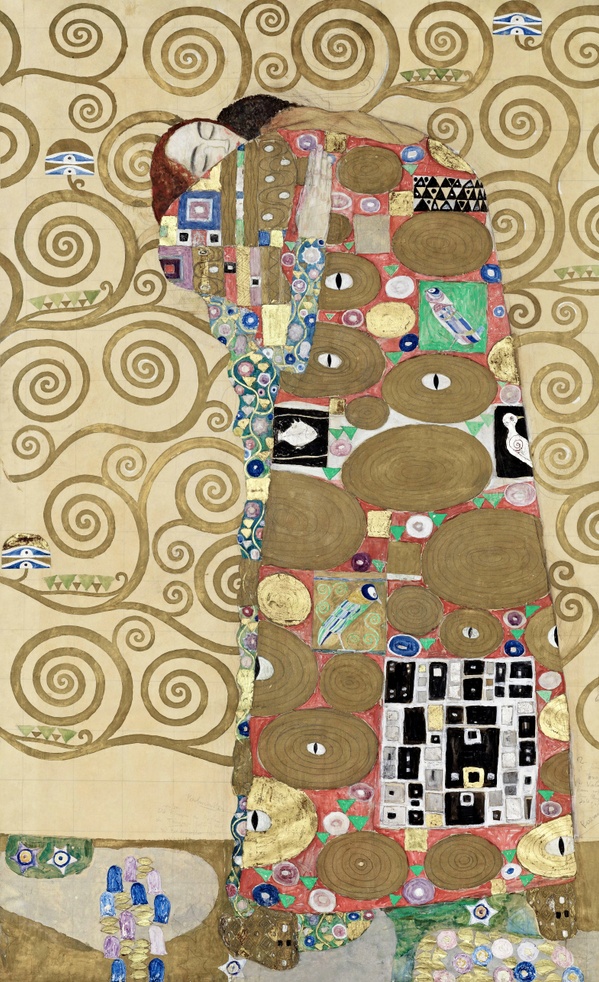
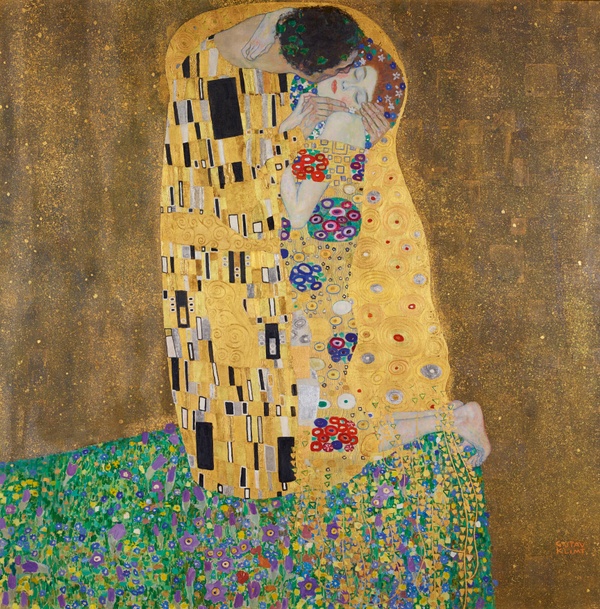
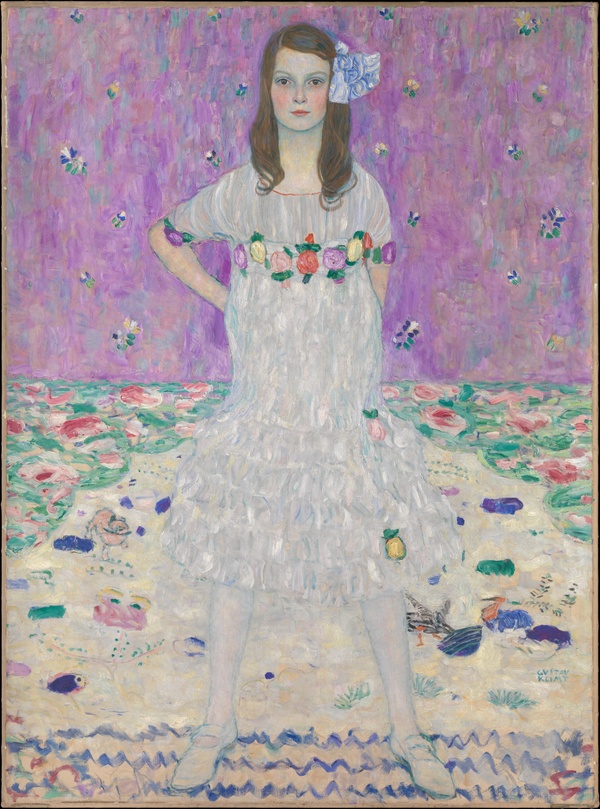
The journey then shifts to the grand, the symbolic, and the abstract. Gustav Klimt’s oeuvre is a dazzling testament to the "weaver's palette," where gold leaf and mosaic-like patterns create shimmering, tactile surfaces. In The Tree of Life, Stoclet Frieze (L'Arbre de Vie), intricate spirals and symbolic motifs intertwine, leading to the radiant embrace of Fulfillment (Stoclet Frieze) and the iconic splendor of The Kiss (Der Kuss), where figures are consumed by a golden, textile-like opulence. Even the portrait of Mäda Primavesi (1903–2000) sees her almost emerge from a patterned background, her youth framed by an abstract floral design.
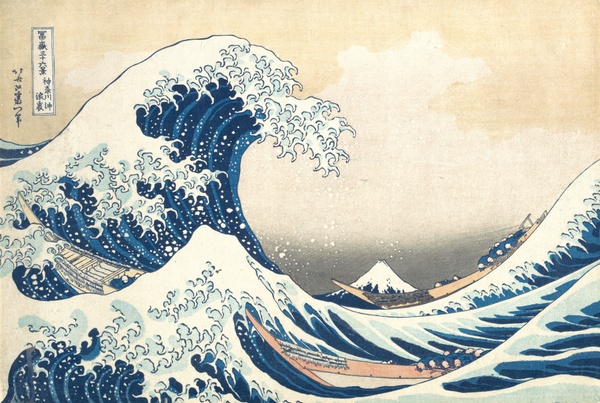
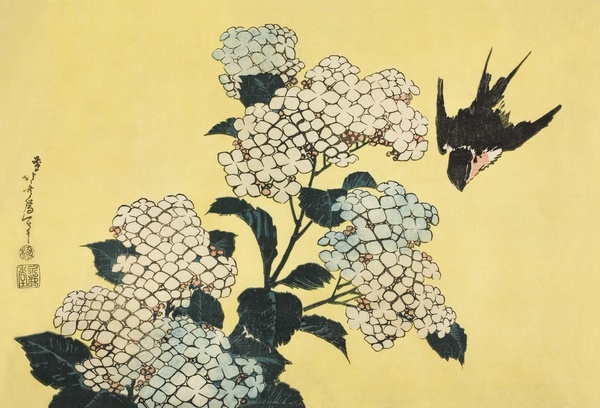
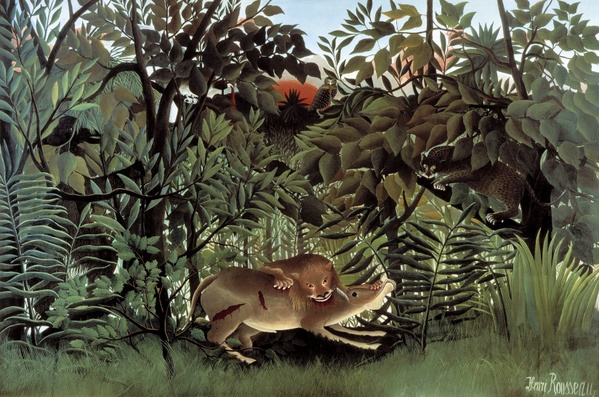
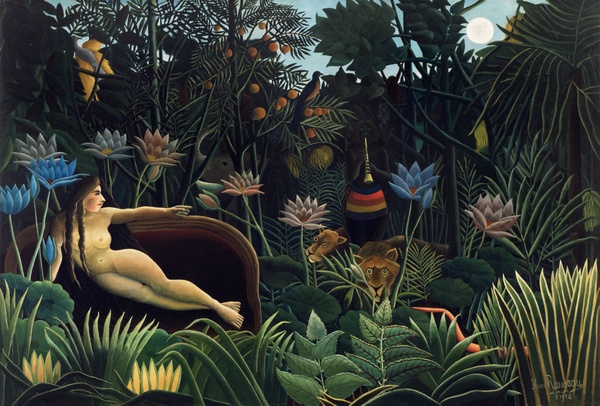
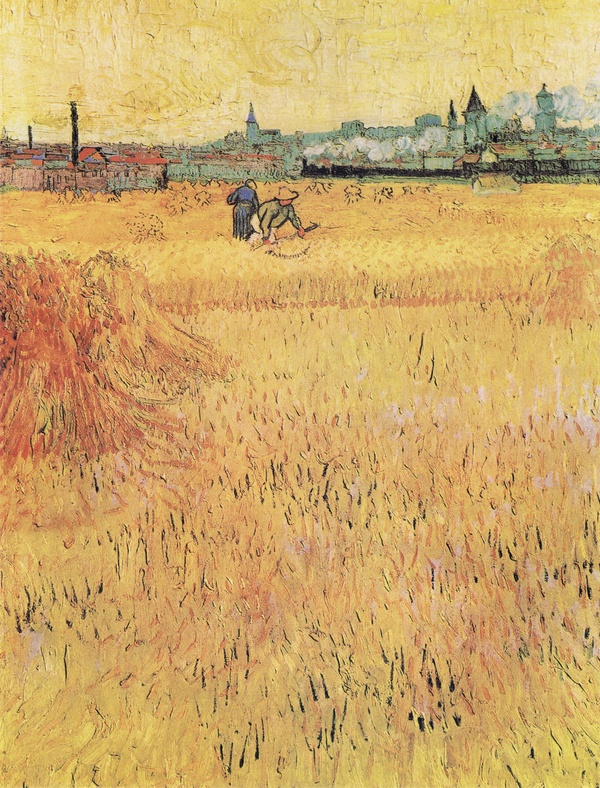
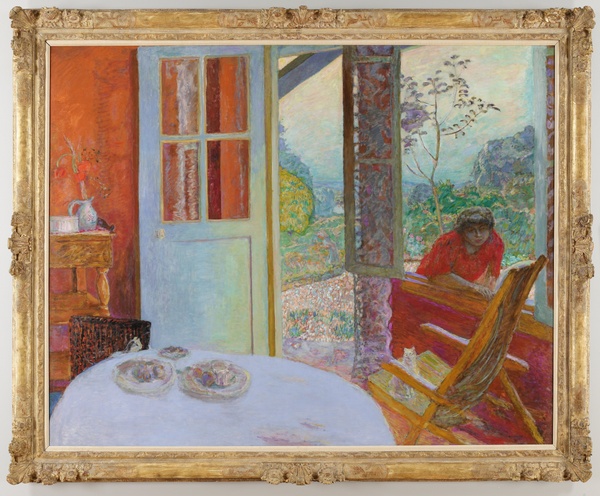
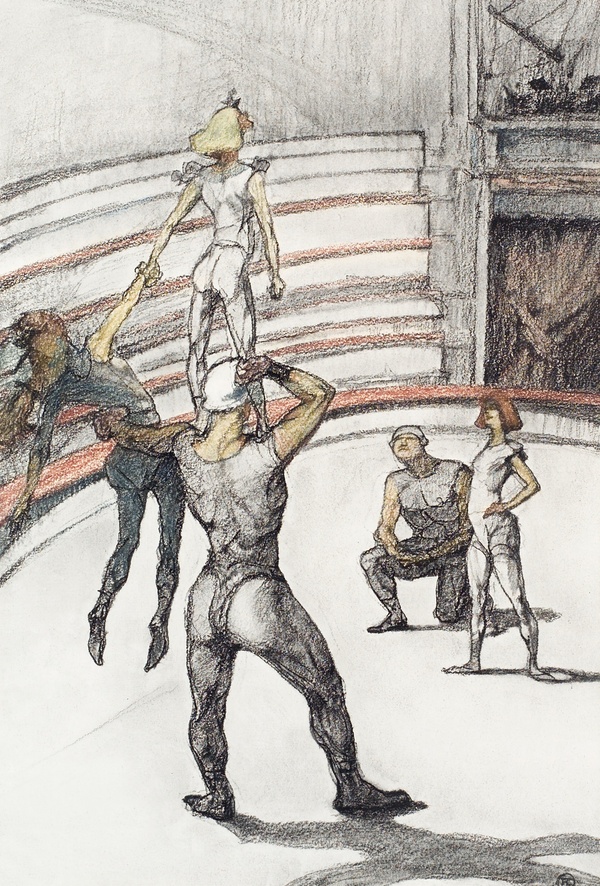
Beyond human design, nature itself provides a boundless loom. Katsushika Hokusai’s The Great Wave off Kanagawa captures the rhythmic, almost fibrous power of the ocean, while Hydrangea and Swallow, from an Untitled Series of Large Flowers demonstrates nature's delicate, intricate patterns. Henri Rousseau's vibrant jungles in The Hungry Lion Throws Itself on the Antelope and The Dream are dense, layered tapestries of flora and fauna, where every leaf and creature contributes to an overwhelming sense of woven life. Vincent van Gogh’s Wheat Field with Sheaves reveals the rough, tactile beauty of agriculture, the earth’s own patterned bounty. Pierre Bonnard’s Dining Room in the Country filters light through a tapestry of dappled color, showing the weave of perception. Even the raw energy of the circus ring in Henri de Toulouse-Lautrec's Au Cirque: Travail de tapis suggests a mat, a literal woven ground for spectacle.
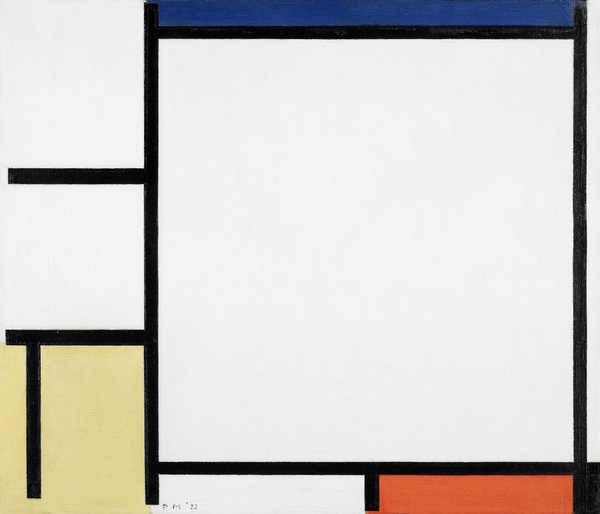
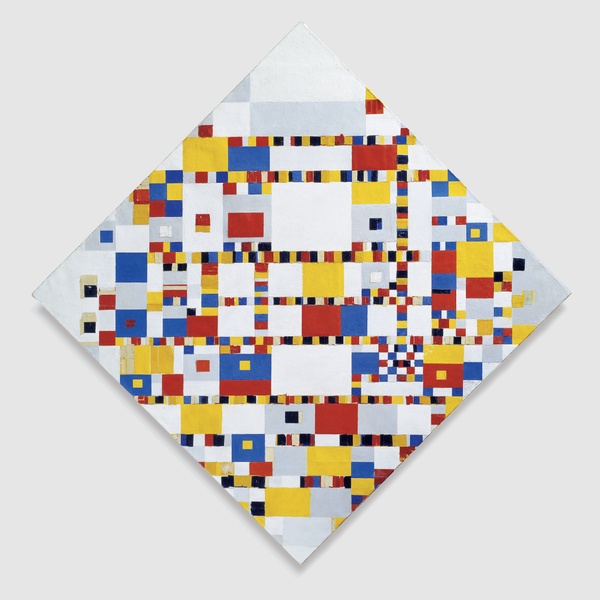
Finally, we arrive at the ultimate abstraction of the woven form. Piet Mondrian’s Composition Blue, Red, Yellow, Black and his dynamic Victory Boogie Woogie distill the world to its purest lines and planes. These works, stripped of figuration, are nevertheless profound tapestries of thought—grids of existence, where every intersection and color block contributes to a larger, universal pattern. They are the warp and weft of an idea, a structural elegance that echoes the fundamental principles of all weaving. From the humble thread to the grand conceptual framework, "The Weaver's Palette" unveils how art, in its myriad forms, perpetually seeks to weave narratives, textures, and meaning into the very fabric of our visual consciousness.