The open road beckons with promises unspoken, a ribbon of possibility unfurling between what was and what might yet be. In this liminal space, where departure and arrival exist in perpetual tension, artists have found their most profound metaphors for the human condition—the eternal journey between aspiration and acceptance, wilderness and civilization, solitude and connection.
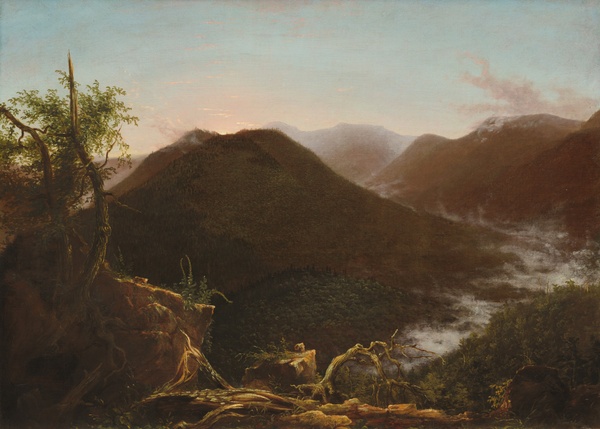
Thomas Cole's "Sunrise in the Catskills" presents us with morning's first revelation, where light breaks across an untamed landscape like the dawn of consciousness itself. Here, at the beginning of all journeys, we stand at the threshold between darkness and illumination, between the known safety of night and the uncertain promise of day. Cole's elevated vantage point suggests both the vulnerability and the privilege of perspective—we are observers of our own becoming.
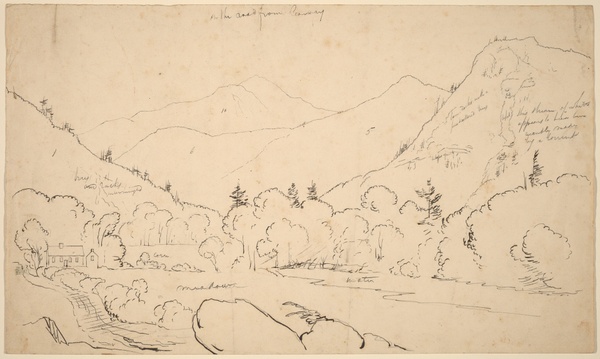
The road materializes more concretely in Cole's "Road in Conway," where a modest path winds through New Hampshire's White Mountains. This is no grand highway but an intimate invitation, a suggestion rather than a command. The road disappears and reappears among the hills, teaching us that journeys are made of visible stretches and hidden passages, of clarity and mystery in equal measure.
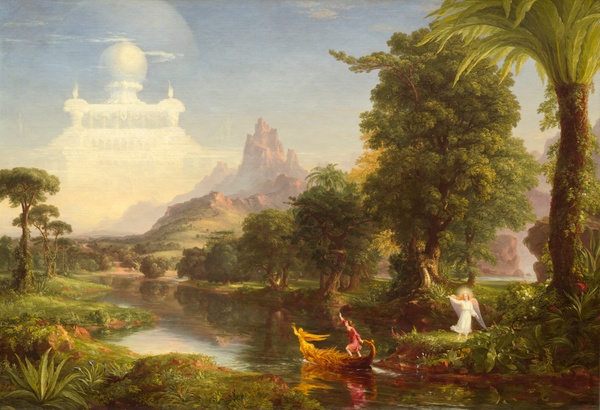
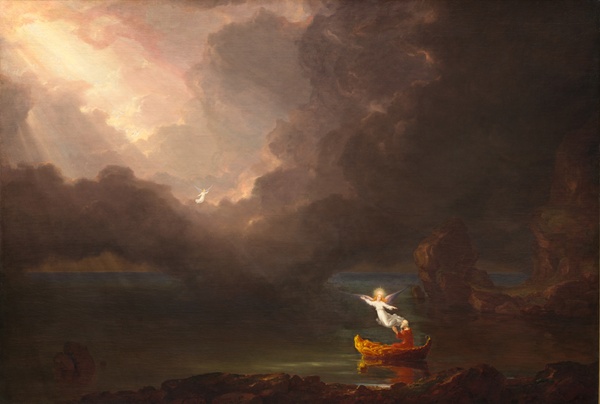
Yet not all passages are terrestrial. In "The Voyage of Life: Youth," Cole transforms the metaphor from road to river, presenting a young man at his boat's helm, steering toward an ethereal castle shimmering with possibility. The water beneath becomes liquid time itself, carrying the voyager forward with currents beyond his control even as he maintains the illusion of direction. This is youth's beautiful delusion—that we navigate our destiny when perhaps destiny navigates us.
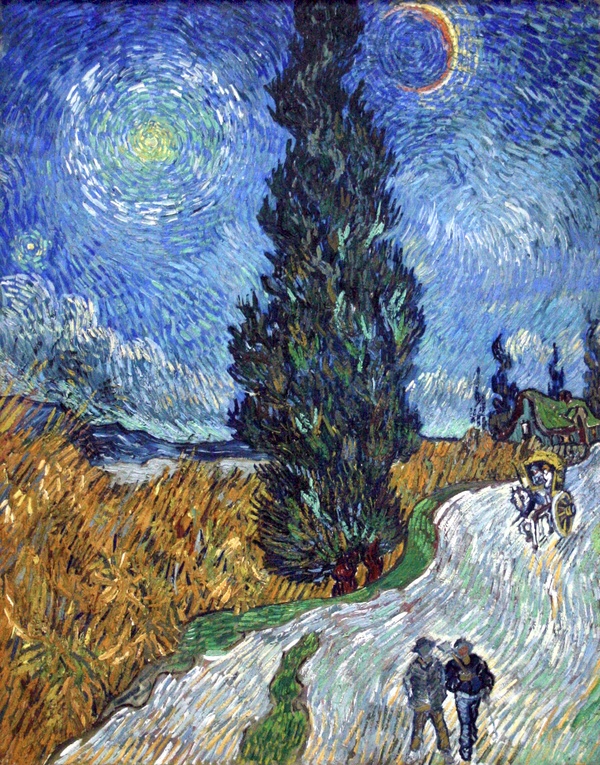
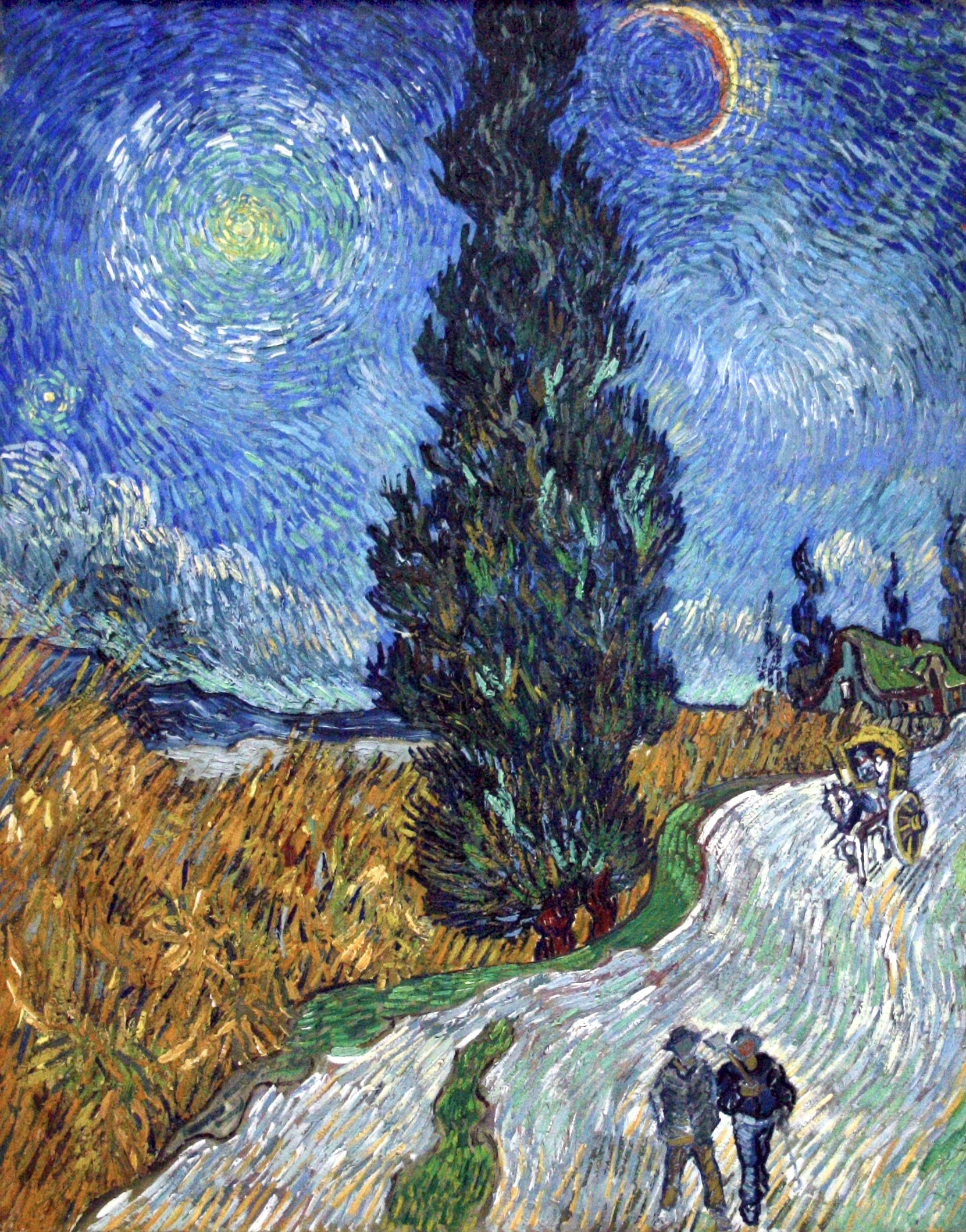
Centuries later, Vincent van Gogh would reimagine the open road with the fevered intensity of modernity's arrival. In "Road with Cypress and Star," the nocturnal pathway writhes beneath a cosmic dance of yellow stars and wind-torn clouds. Van Gogh's road is no gentle invitation but an urgent summons, painted in the final months of his life when every brushstroke carried the weight of finite time. The solitary cypress reaches upward like a dark prayer, connecting earth's horizontal journey to heaven's vertical promise.
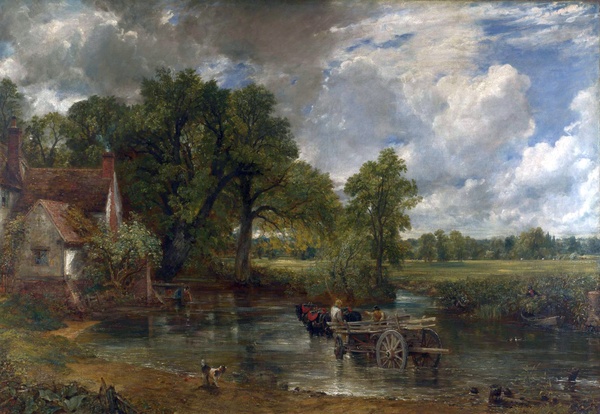
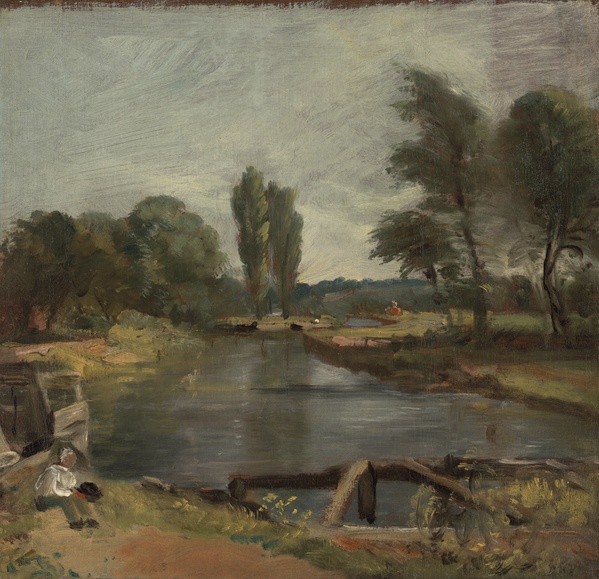
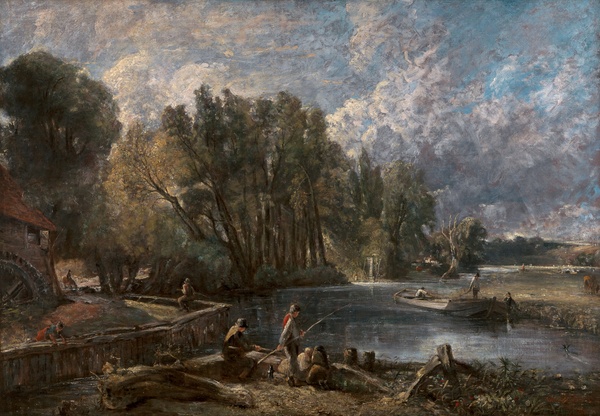
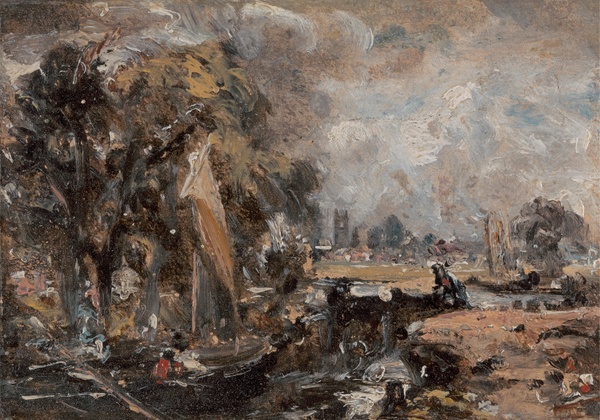
The democratization of passage finds its voice in John Constable's riverside scenes, where "The Hay Wain" presents not heroic voyaging but humble crossing—three horses pulling their wooden burden through the River Stour's shallows. Constable reminds us that most journeys are not grand odysseys but daily acts of persistence, the quiet courage of continuing. His "Flatford Lock" and "Stratford Mill" celebrate the infrastructure of ordinary movement, where locks and mills enable passage while anchoring community.
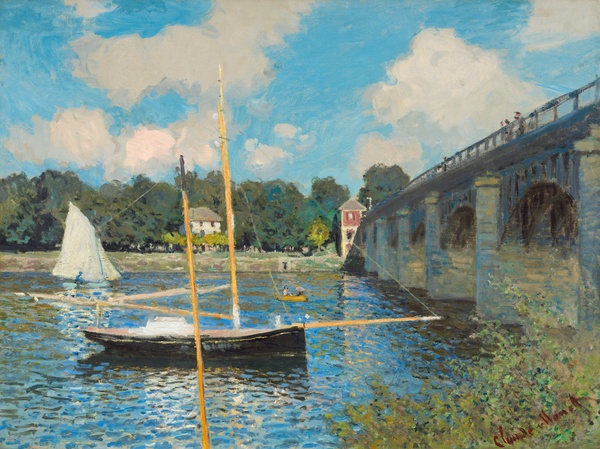
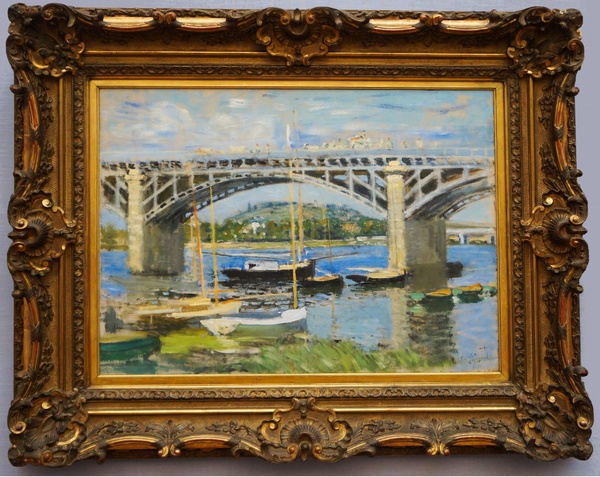
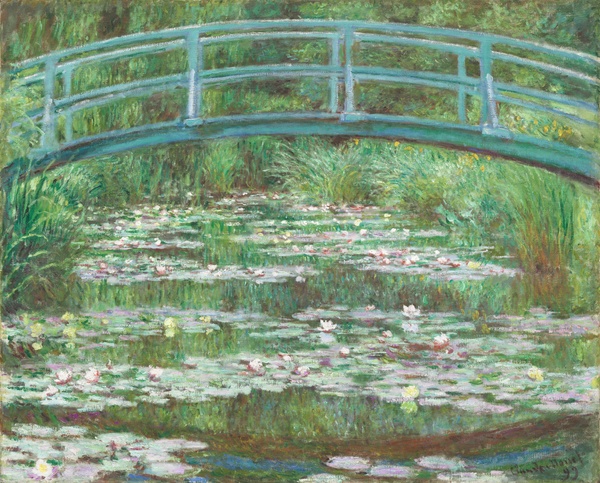
Claude Monet revolutionized our understanding of journey itself in "The Bridge at Argenteuil" and "The Japanese Footbridge." These works suggest that travel need not be linear progression but circular return, seasonal variation, the bridge as both connection and destination. In Monet's vision, the path becomes meditation, movement becomes presence, and arrival dissolves into eternal becoming.
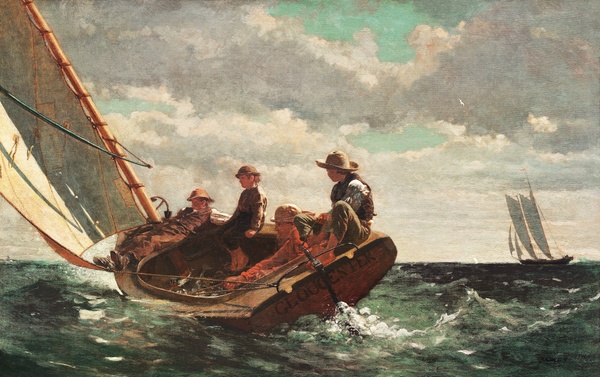
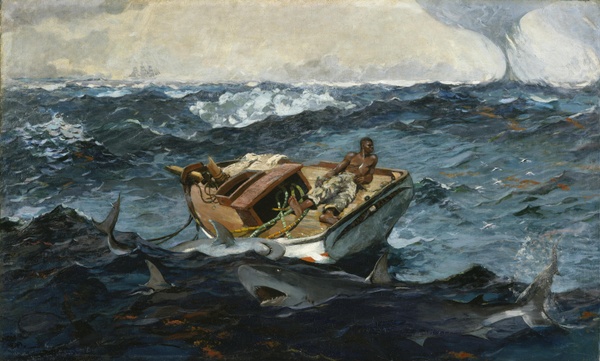
Winslow Homer's "Breezing Up" captures the pure joy of passage—three boys and a man sailing through Gloucester harbor with their catch, the boat itself dancing between wind and water. Yet Homer also knew passage's darker possibilities, as "The Gulf Stream" reveals: a lone figure adrift on treacherous waters, surrounded by sharks, his journey transformed from adventure to survival. Here the open road becomes open ocean, and freedom becomes isolation.
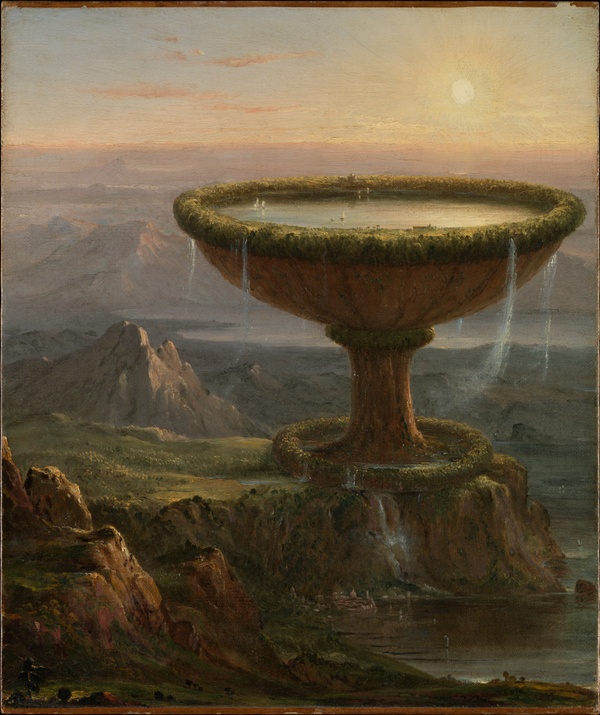
The road reaches its most mystical expression in Thomas Cole's "The Titan's Goblet," where an enormous stone vessel dominates the landscape at sunset, its rim filled with water and dotted with sailing ships. This impossible architecture suggests that some journeys transcend the physical entirely, that the greatest passages occur in imagination's boundless territory.
As we stand before these canvases, we recognize our own perpetual state of passage. We are all travelers suspended between departure and arrival, carrying within us every road we've walked, every bridge we've crossed, every horizon that has called us forward into the beautiful uncertainty of becoming.