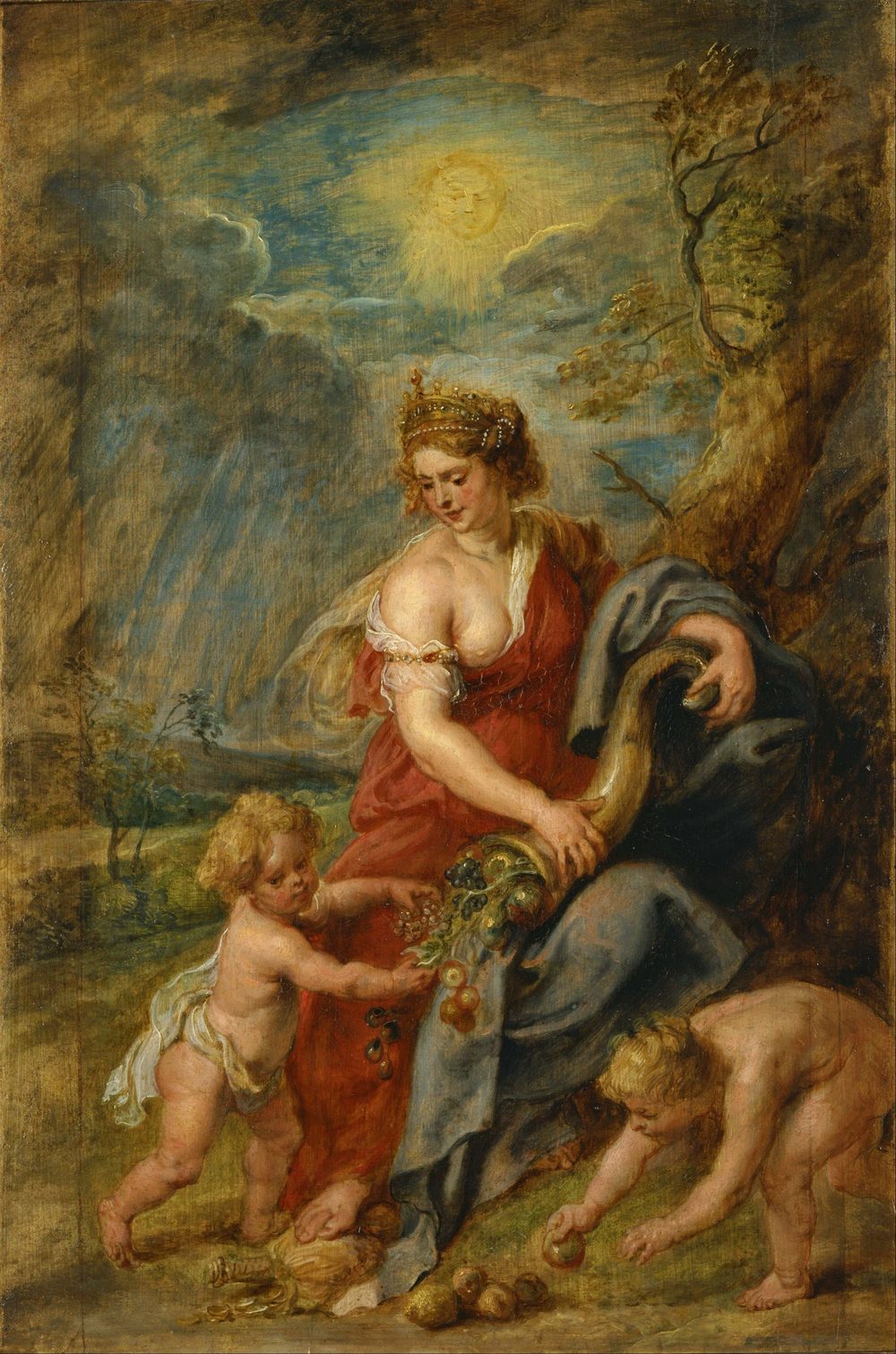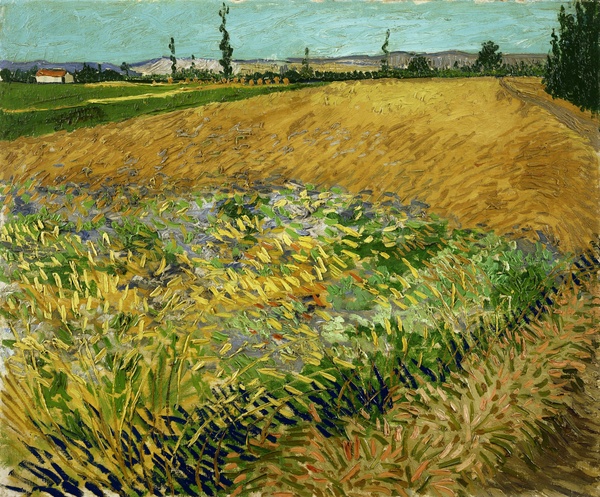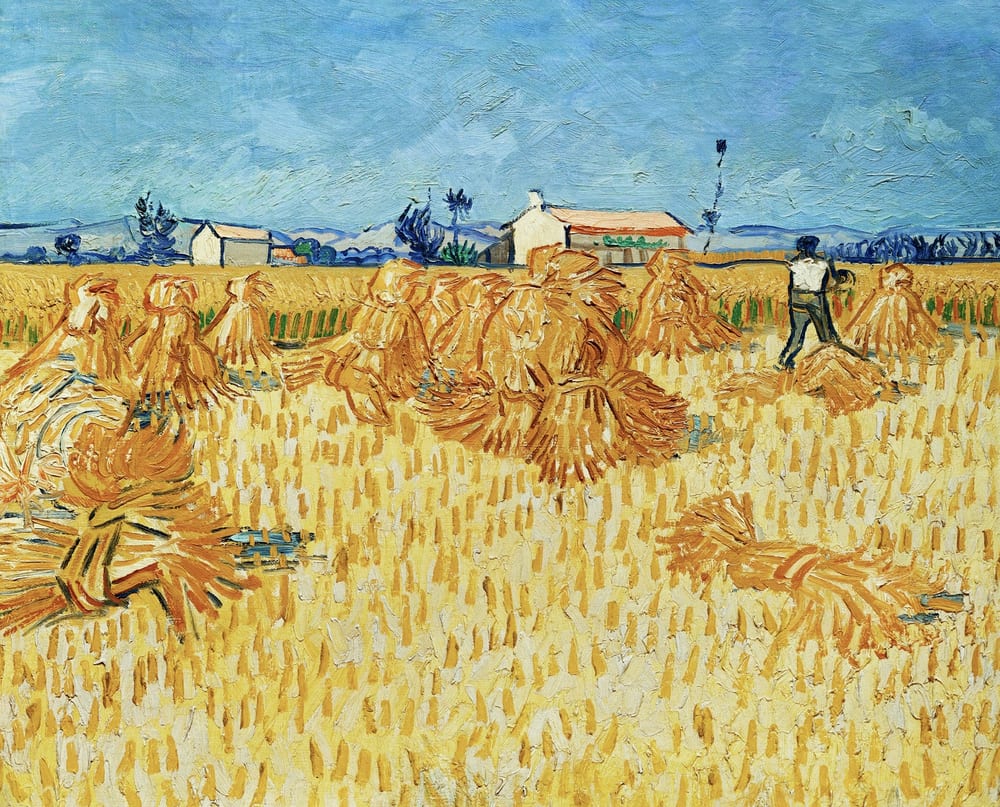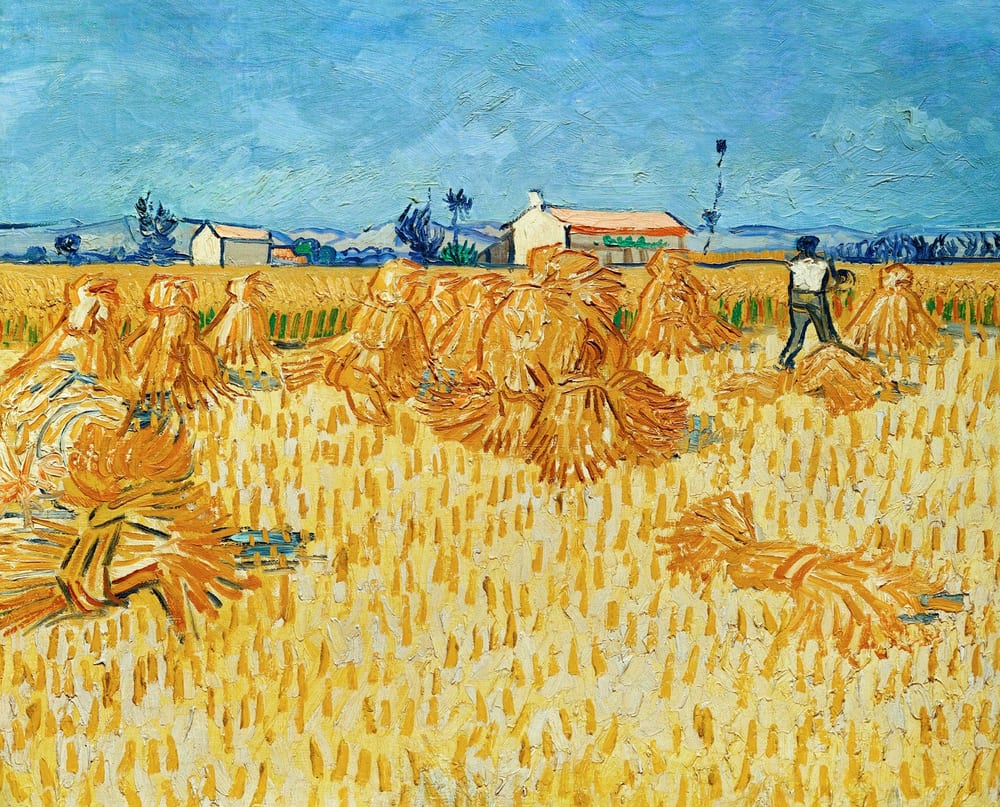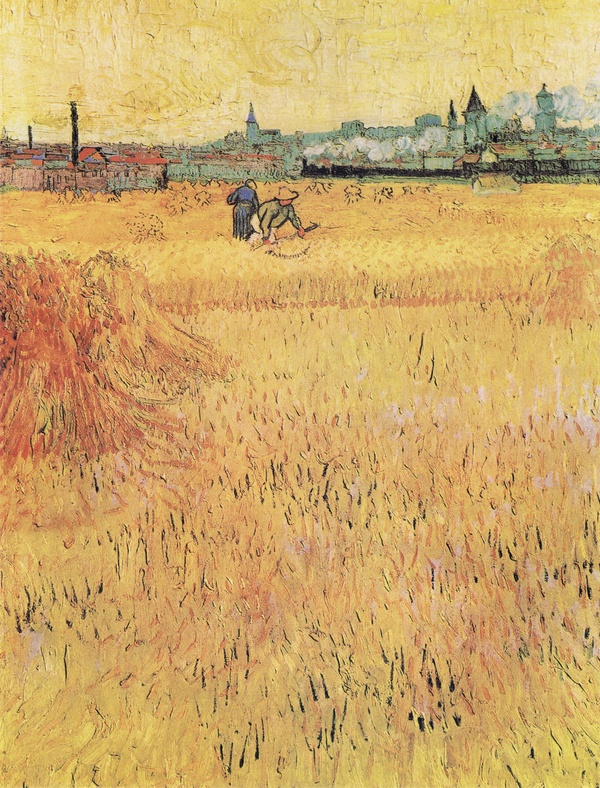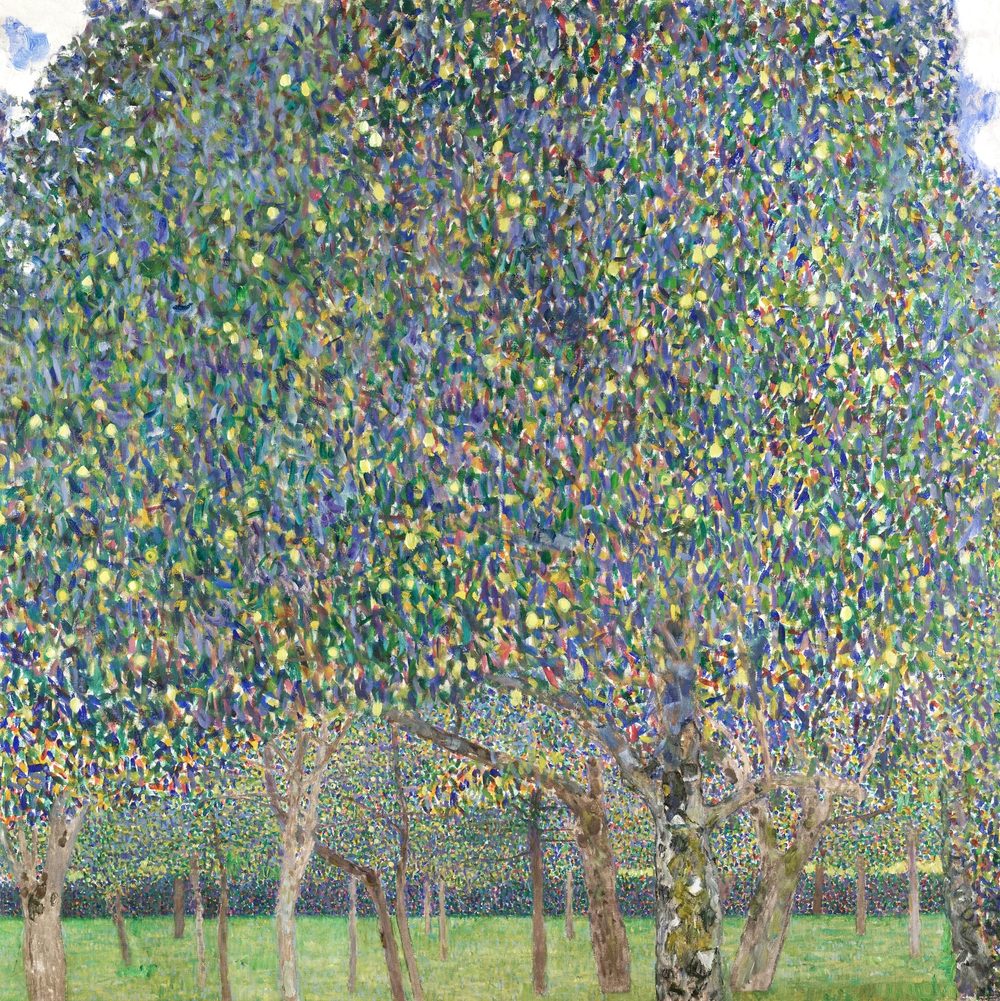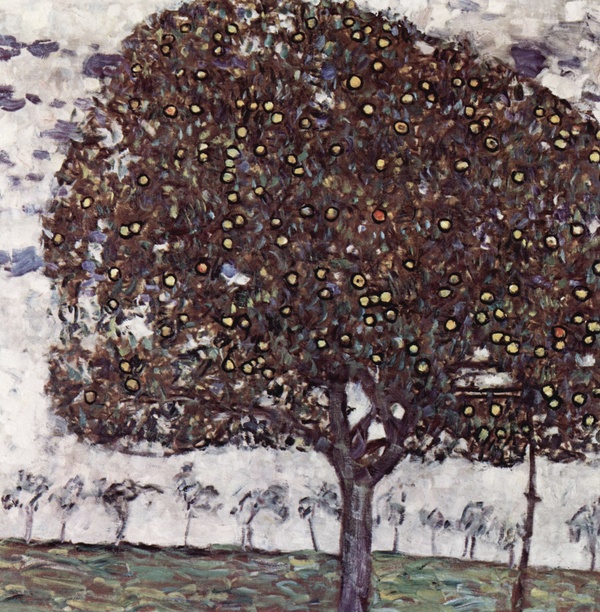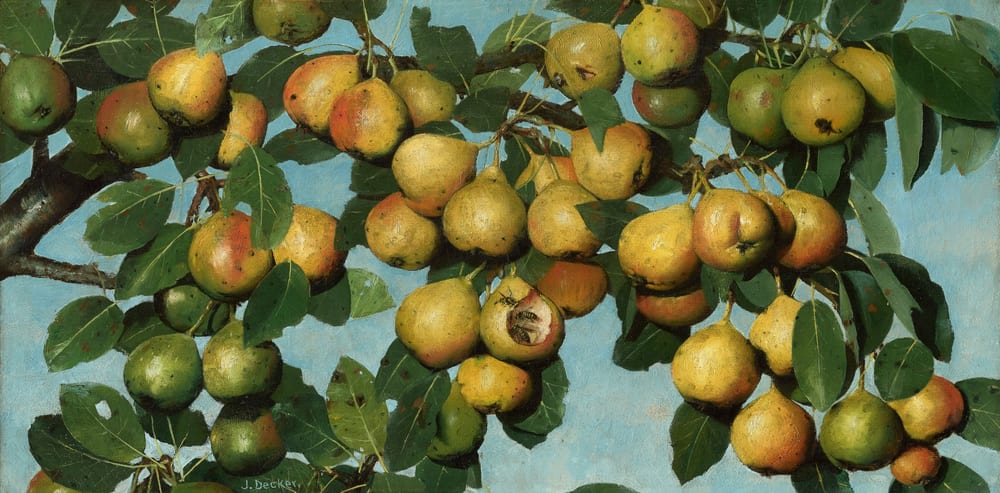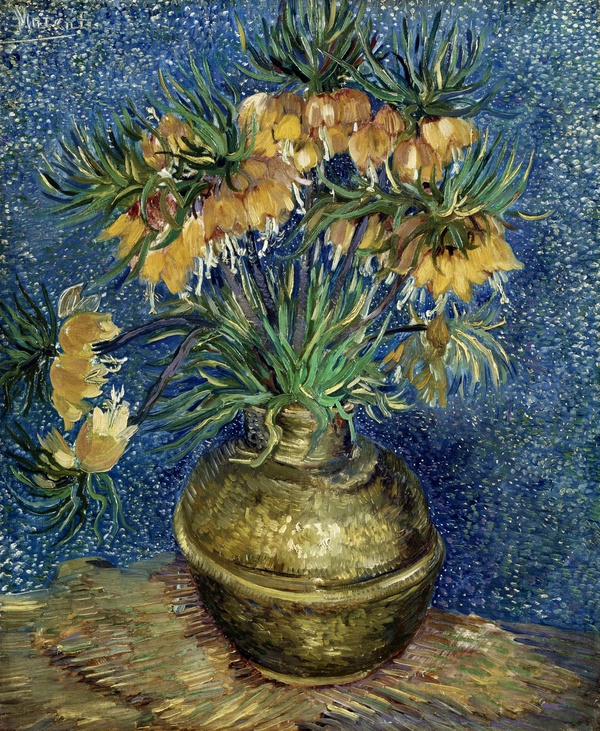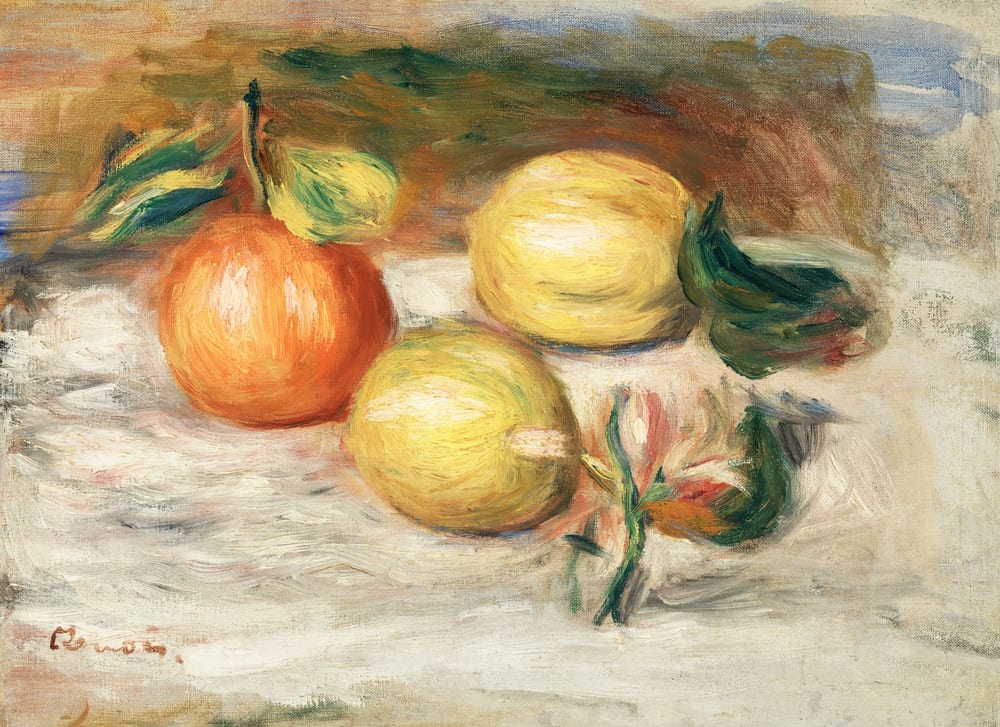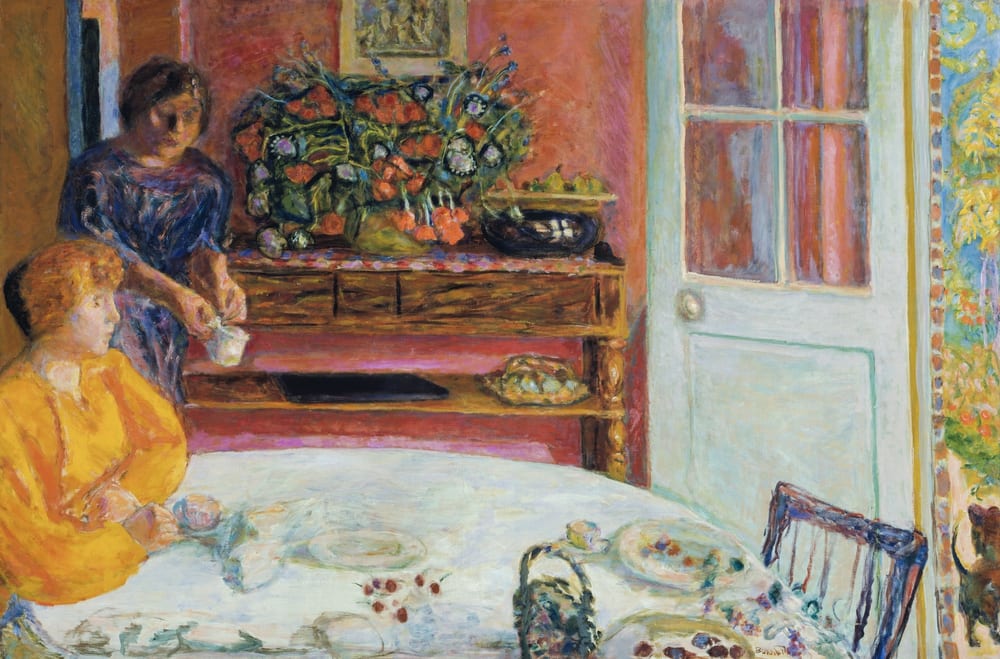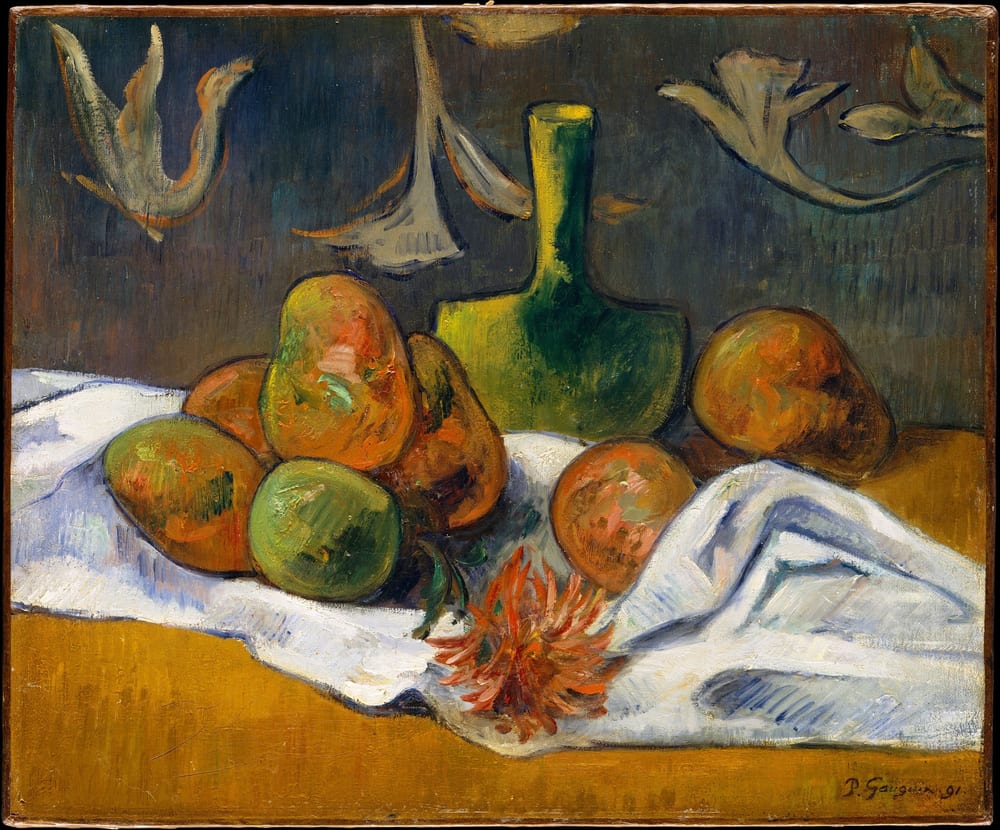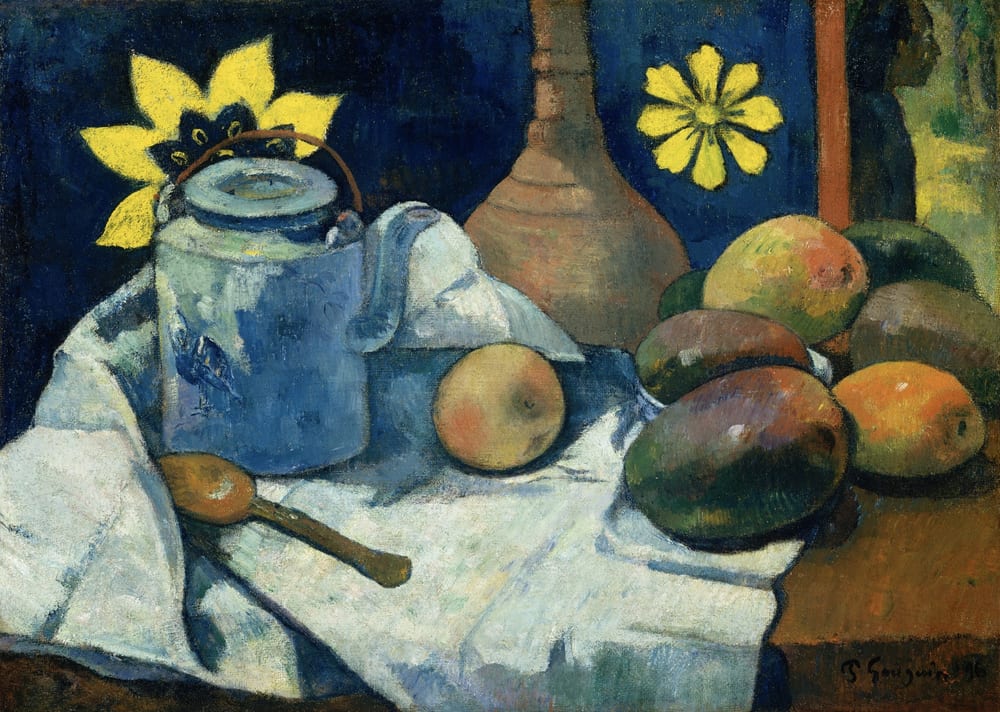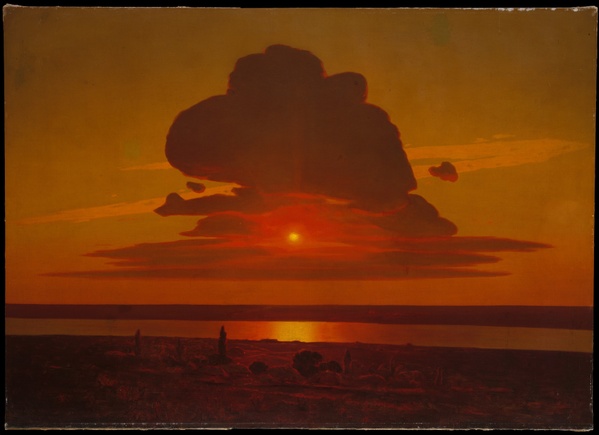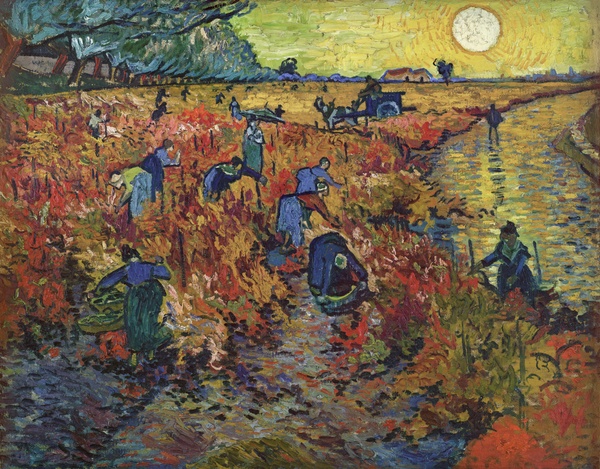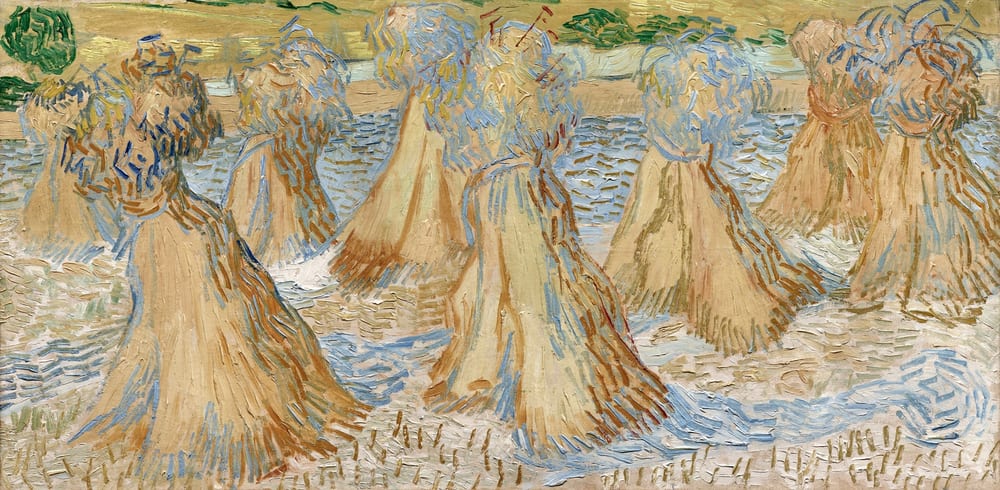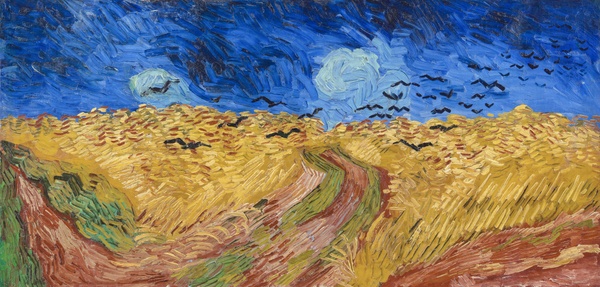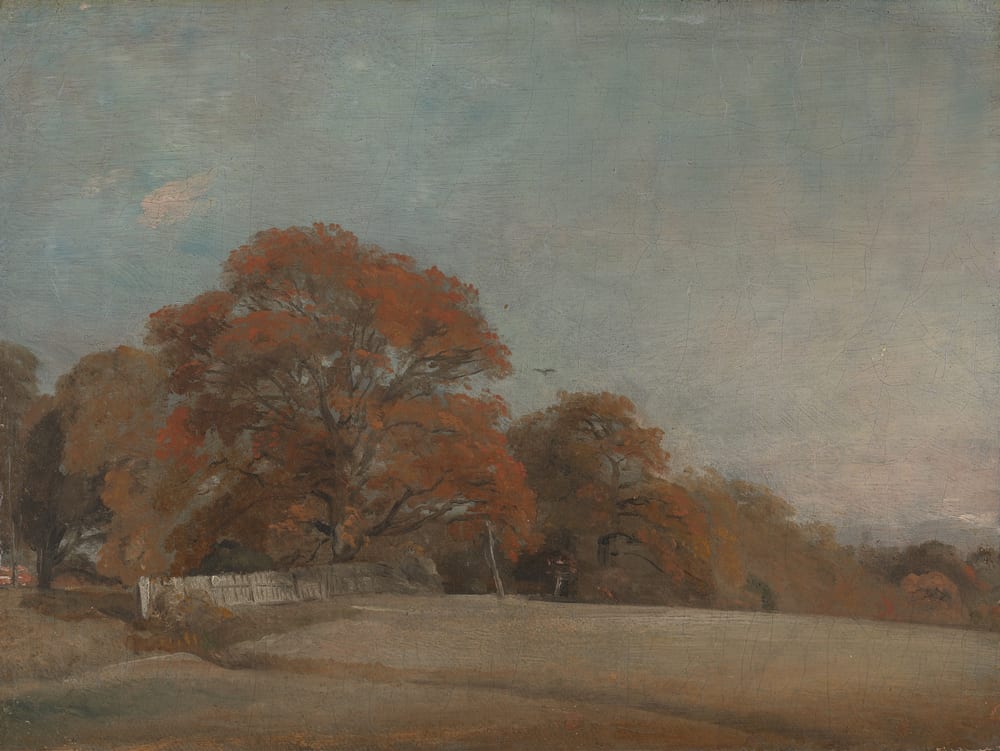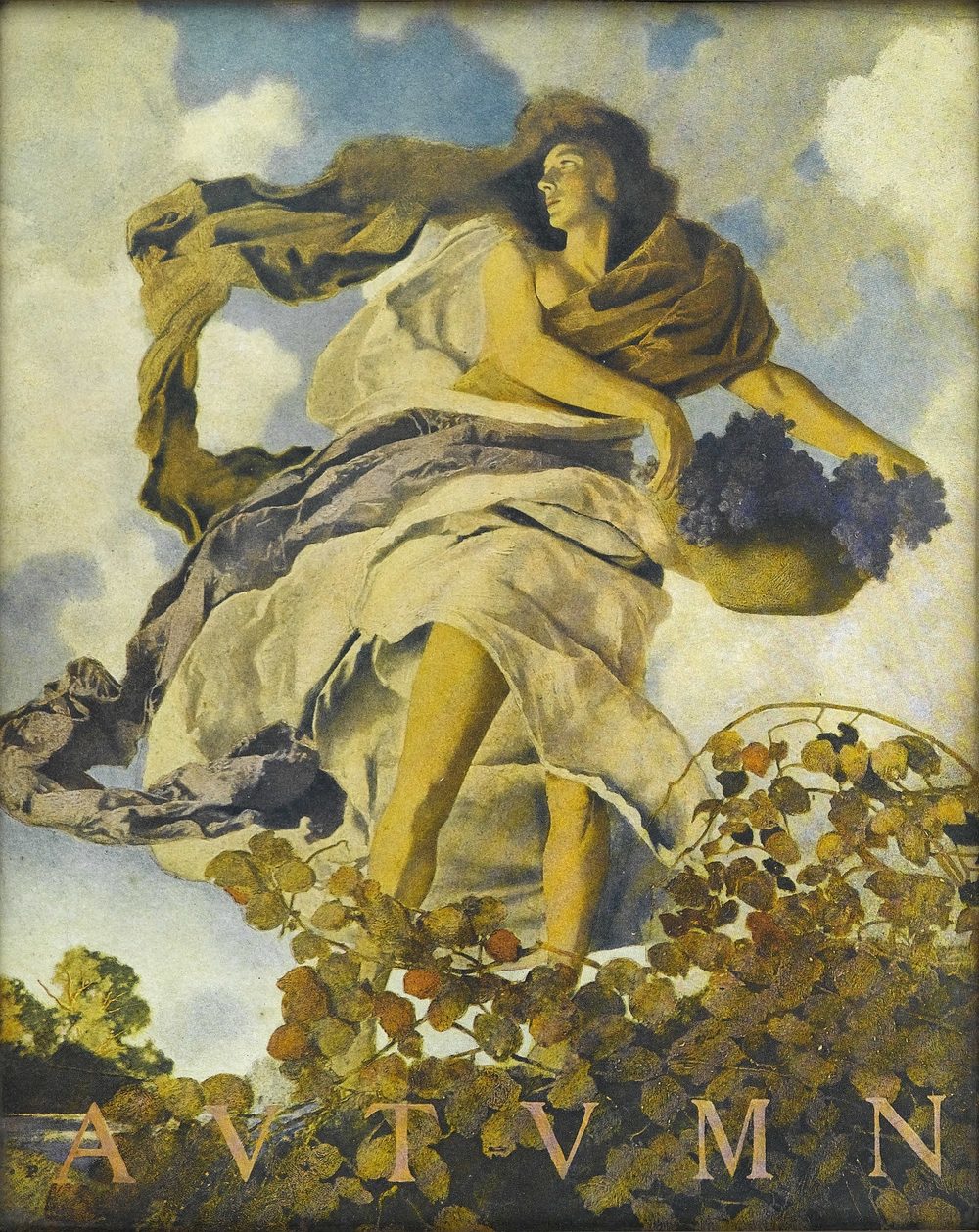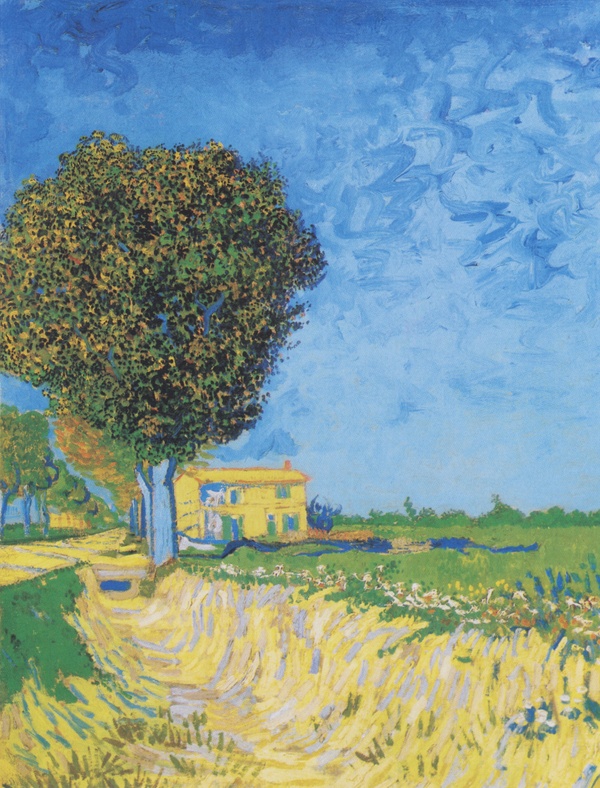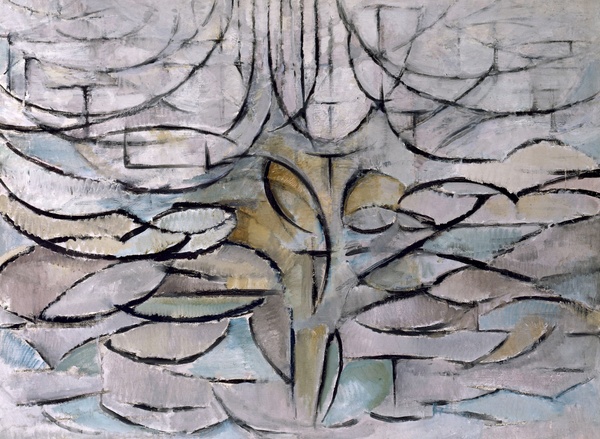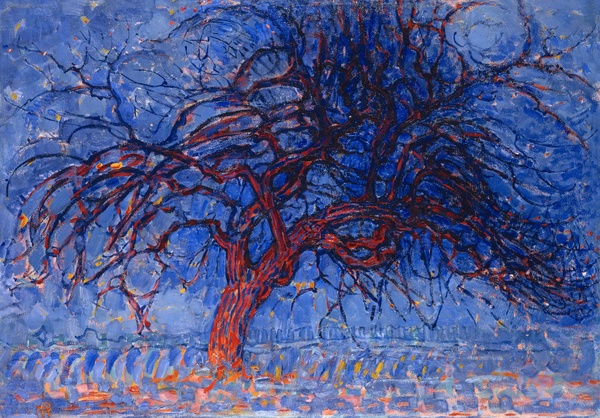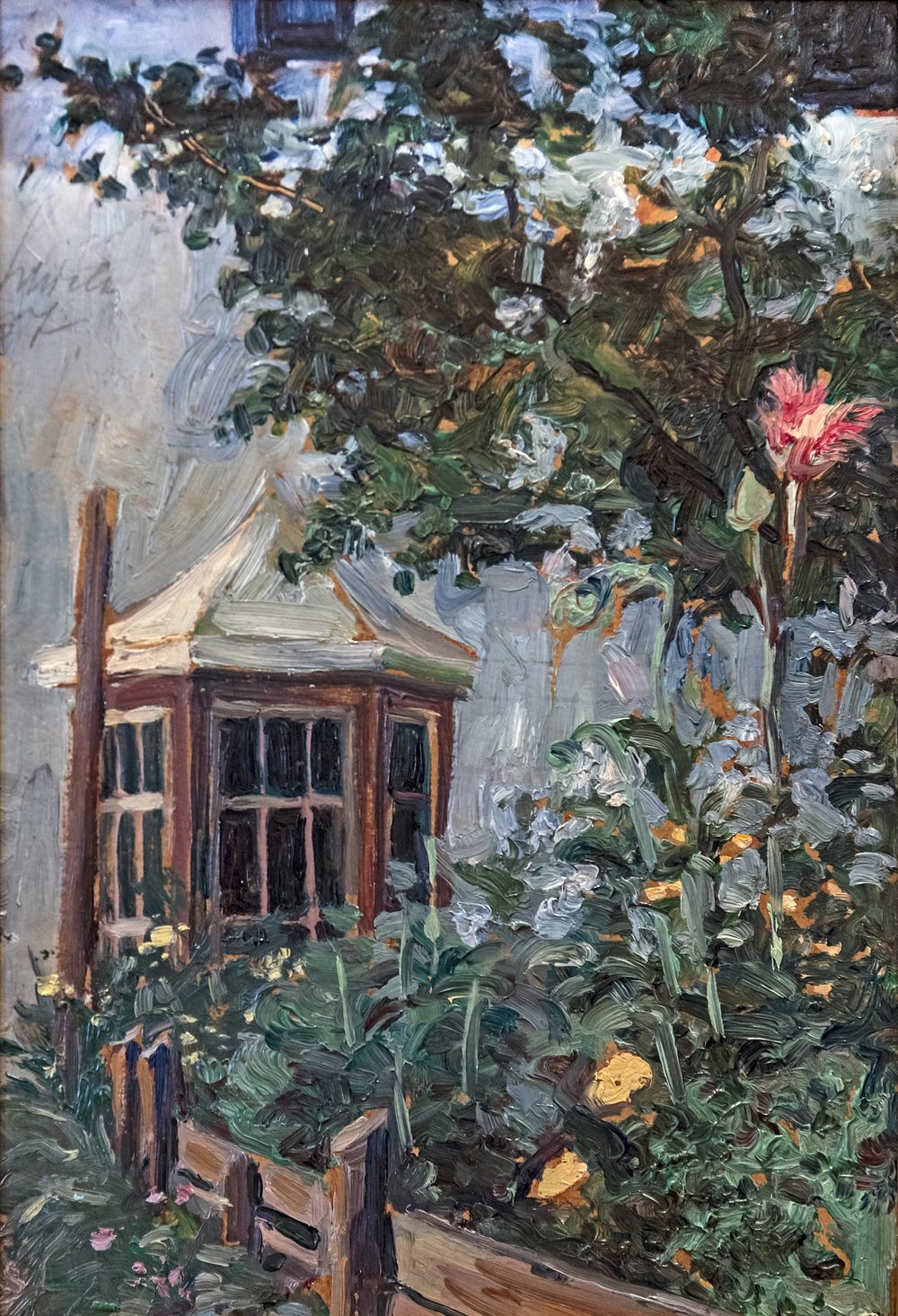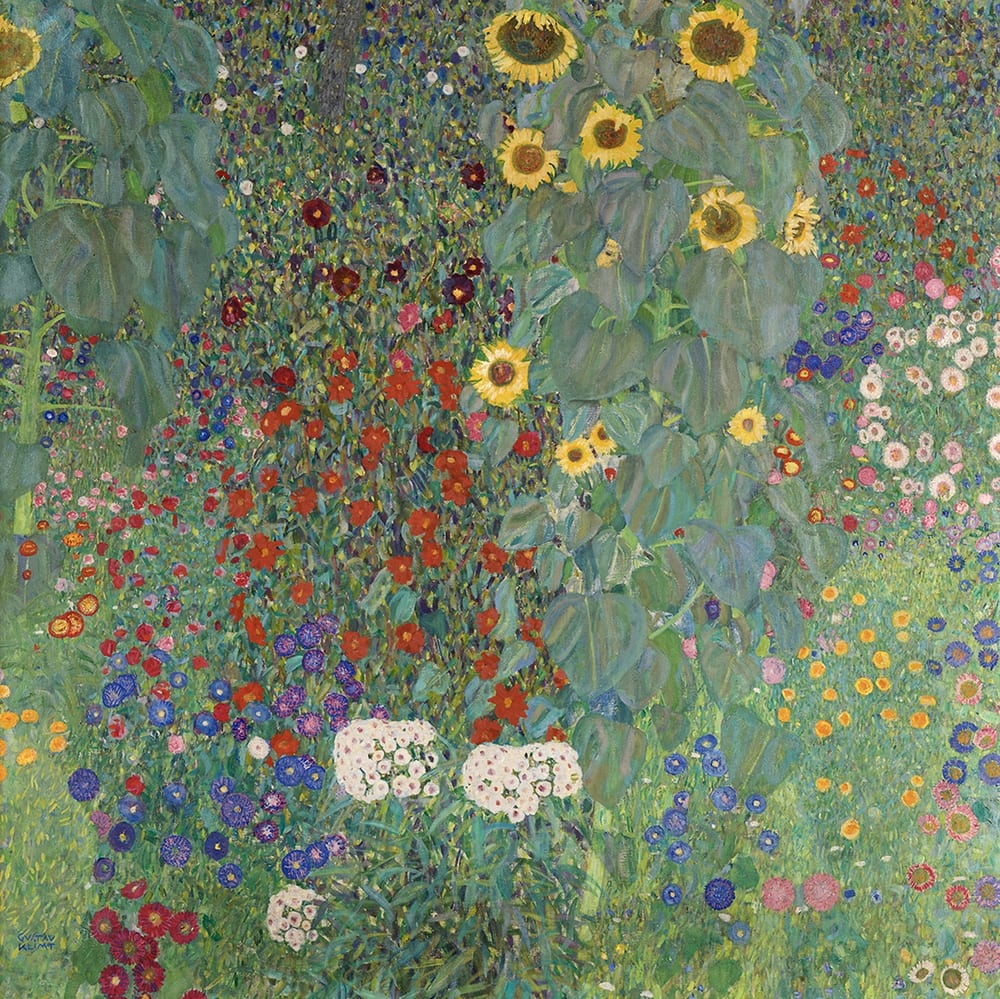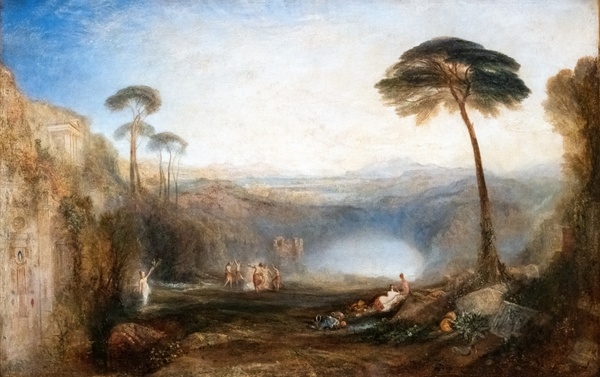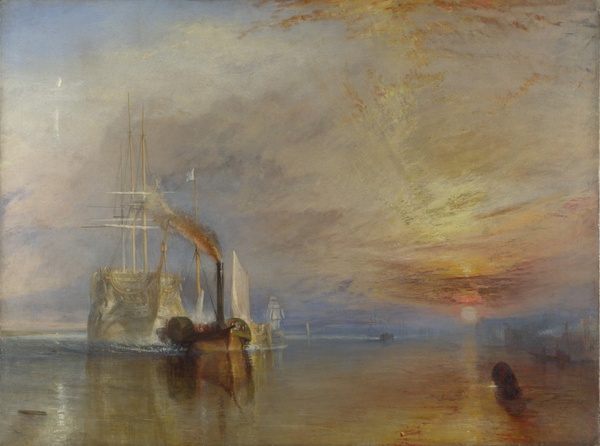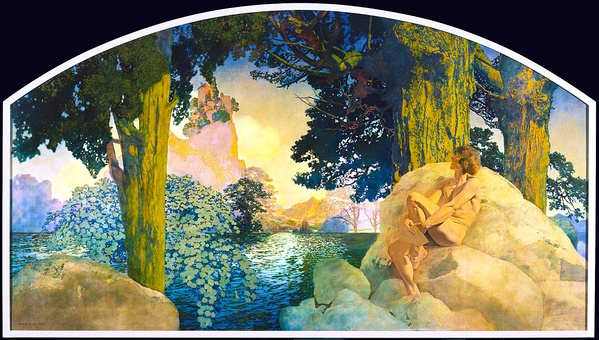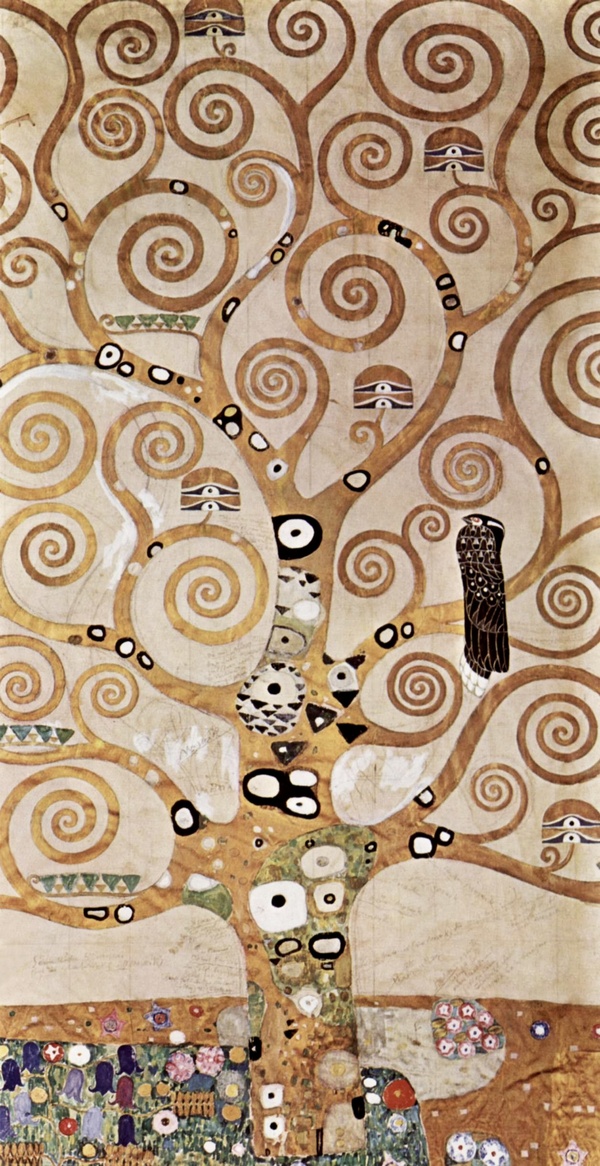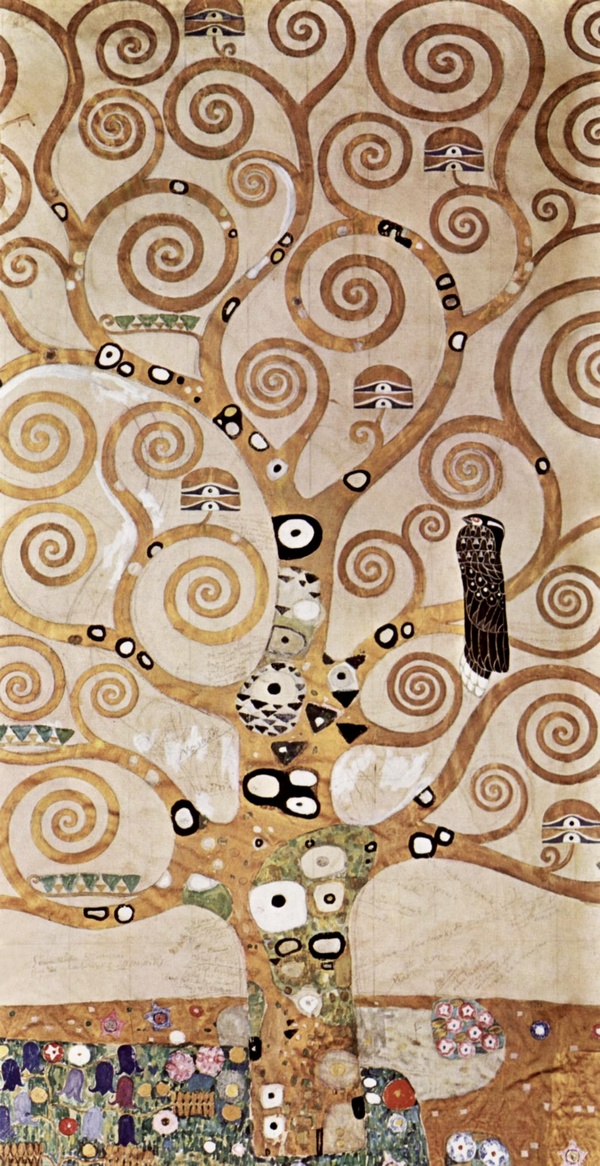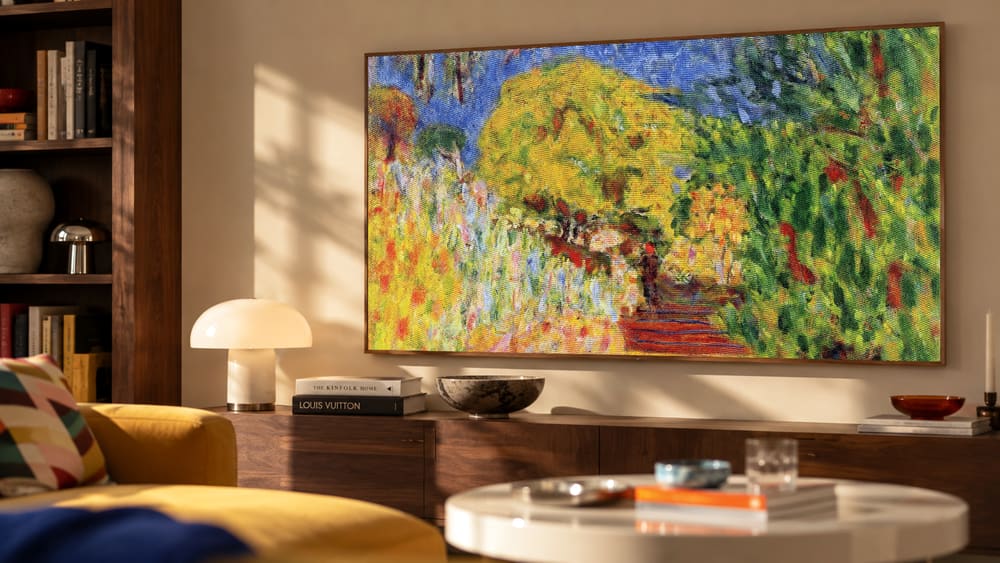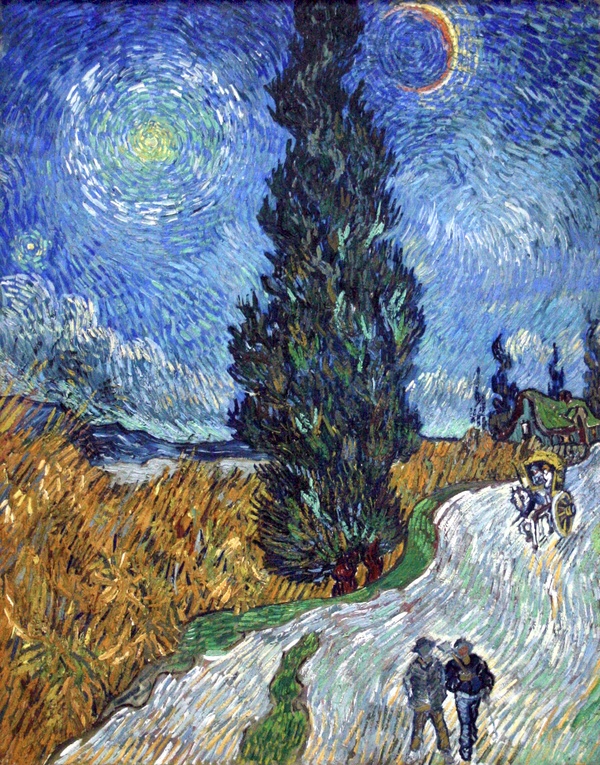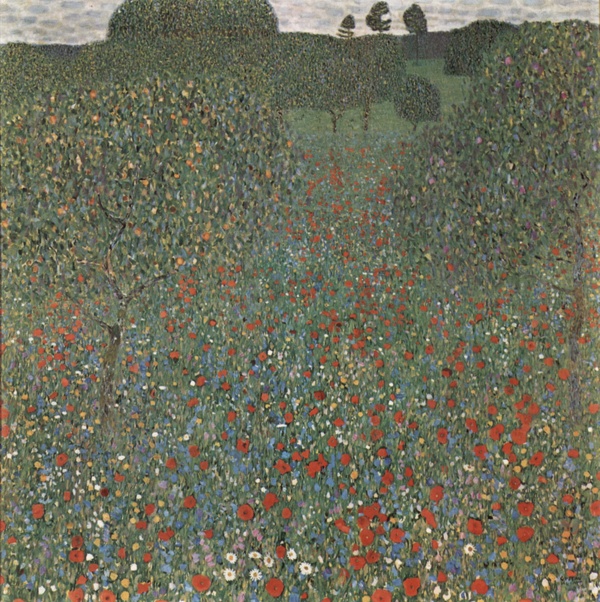
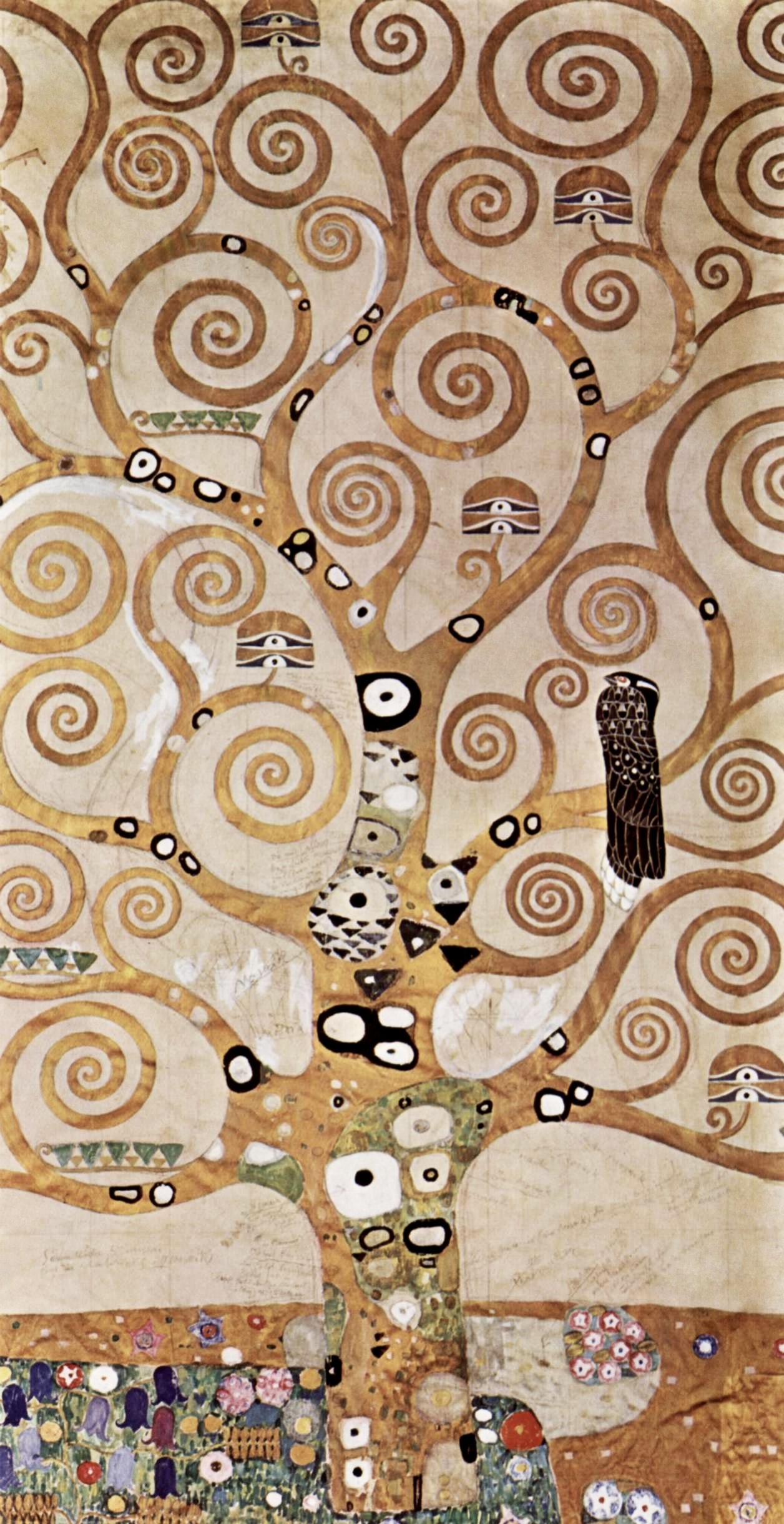
To enter 'The Copper Orchard' is to witness the slow metamorphosis of time itself. The journey begins with the source of all growth, the Roman goddess depicted in Abundance (Abundantia), whose cornucopia spills the very essence of life onto the canvas. From this divine spark, we move into the heat of labor. In the sun-drenched plains of Arles, we find the rhythmic brushwork of Wheatfield and the sprawling industry of The Harvest (La Moisson). The air hums with the golden energy of Harvest in Provence, where the toil of the field is captured in the heavy, sun-baked weight of Wheat Field with Sheaves. Deeper in the grove, the fruit begins to swell. Gustav Klimt’s Pear Tree shimmers like a Byzantine mosaic, a jewel-toned companion to his twin visions of fecundity, Der Apfelbaum (The Apple Tree I) and Der Apfelbaum I (Apple Tree I). Here, nature is both decorative and visceral; Joseph Decker’s Ripening Pears shows the fruit in its raw, vulnerable state, where even the wasps partake in the feast. We transition from the wild to the curated within the orchard's manor. The glint of metal meets the bloom in Imperial Fritillaries in a Copper Vase, while the soft light of the south illuminates Lemons and Orange (Citrons et orange). Domestic silence reigns in The Dining Room, Vernonnet, and the exotic scents of Gauguin’s Still Life - Paul Gauguin and Still Life with Teapot and Fruit transport the viewer to far-off shores. As the day wanes, the light shifts to fire. Red Sunset on the Dnieper casts a blood-orange glow over the horizon, bleeding into the terrestrial labor of The Red Vineyard. The fields become monuments in Sheaves of Wheat, yet a shadow falls as the wind picks up in Wheatfield with Crows, where the harvest begins to feel like a reckoning. The season of decay arrives with a gentle hand in An Autumnal Landscape at East Bergholt. The winds of the Keatsian ode are felt in Autumn, and the ground is paved with memory along the path of L'Allée des Alyscamps (The Avenue of Les Alyscamps). As the leaves fall, the trees reveal their true geometry. Mondrian’s Flowering Apple Tree and the striking Avond (Evening): The Red Tree strip the orchard to its essential lines. The ground remains vibrant in Egon Schiele’s Jardin fleuri (Flowering Garden) and Klimt’s Farm Garden (Bauerngarten), a final defiance against the cold. Finally, we reach the mythic threshold. Turner’s The Golden Bough beckons us toward a legendary gateway, while the mechanical past is towed into history in The Fighting Temeraire tugged to her last Berth to be broken up. Above the horizon, we glimpse the impossible Dream Castle in the Sky. Our journey concludes at the heart of the world, where the organic becomes eternal: The Tree of Life, Stoclet Frieze (L'Arbre de Vie) and its grand realization The Tree of Life (L'Arbre de Vie), Stoclet Frieze stand as the ultimate forge, where the ephemeral harvest is finally cast into the permanence of gold.